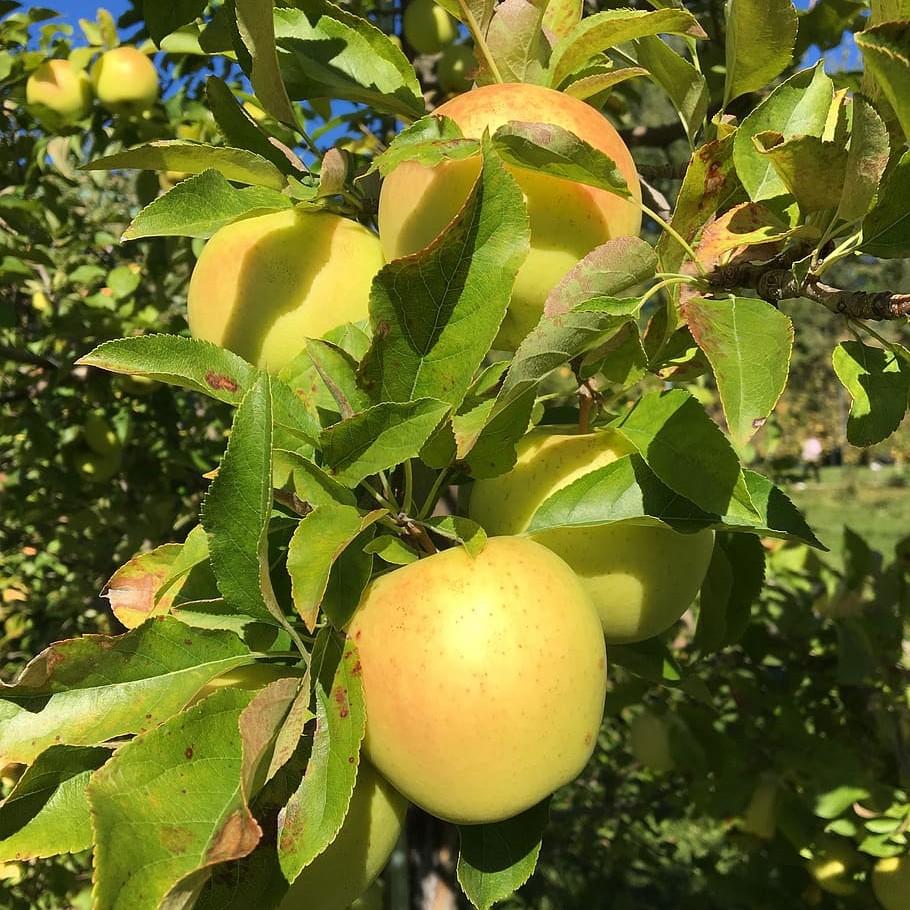
Flowering Crabapple
Malus spp. (ornamental cultivars)
Overview
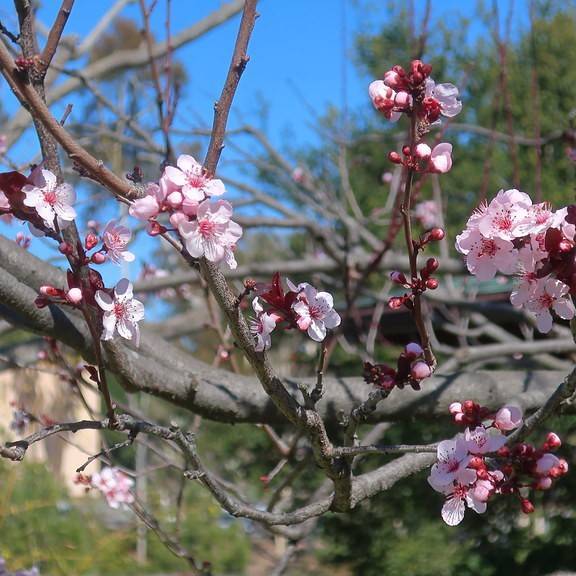
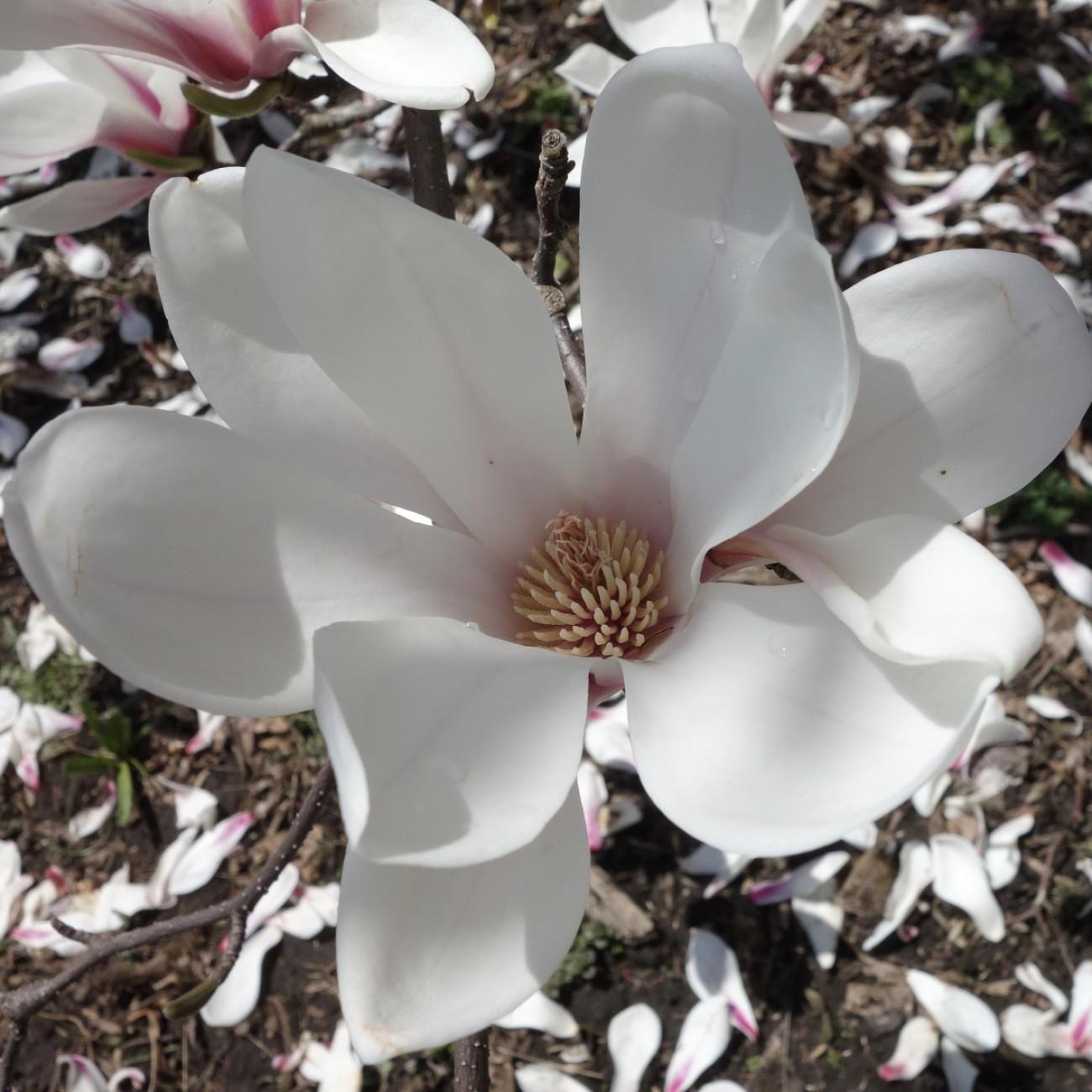
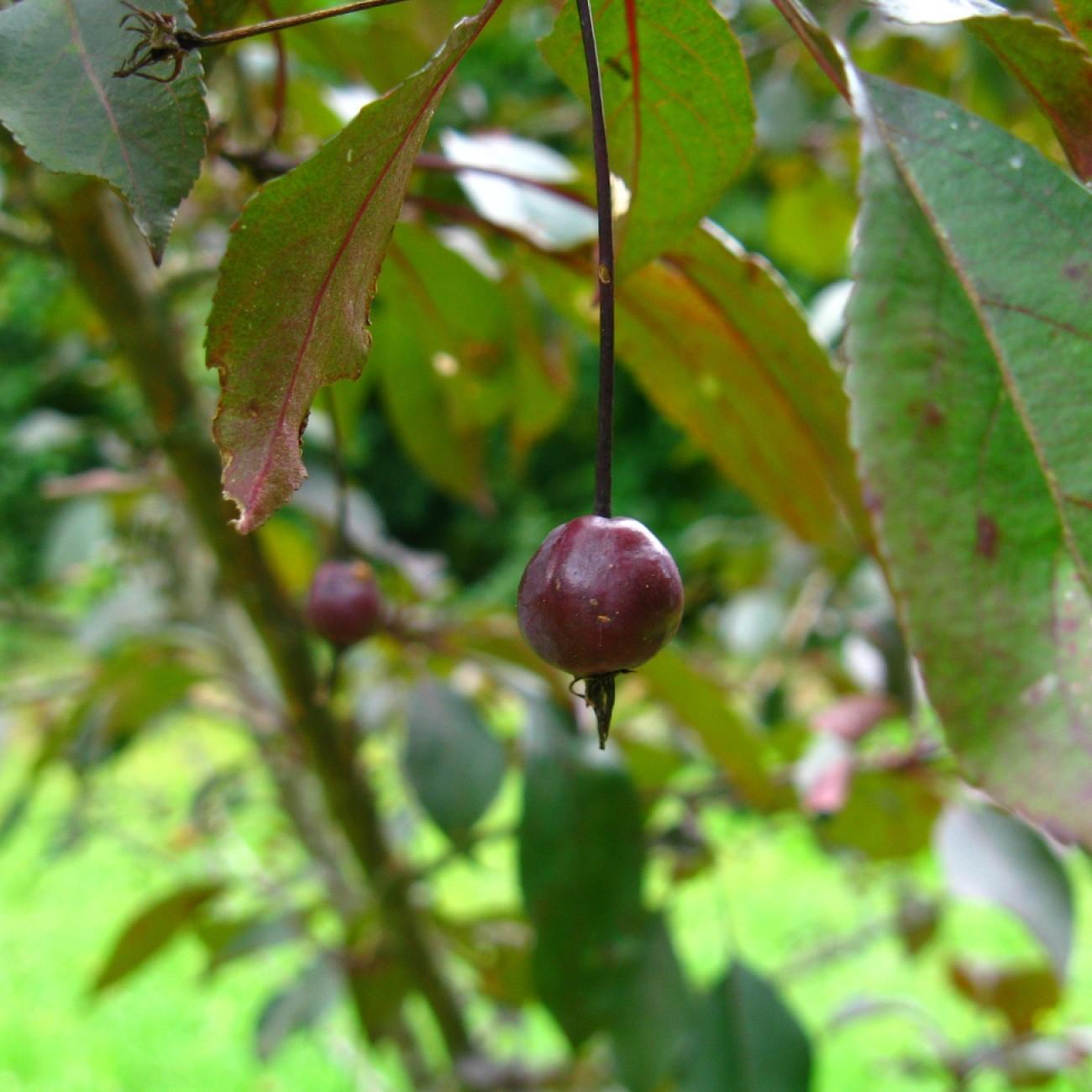
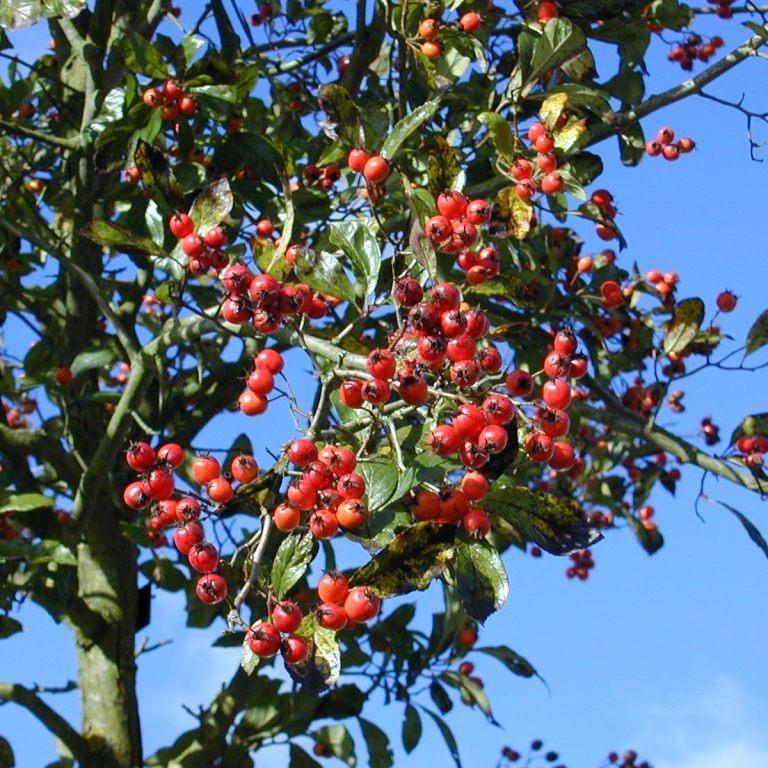
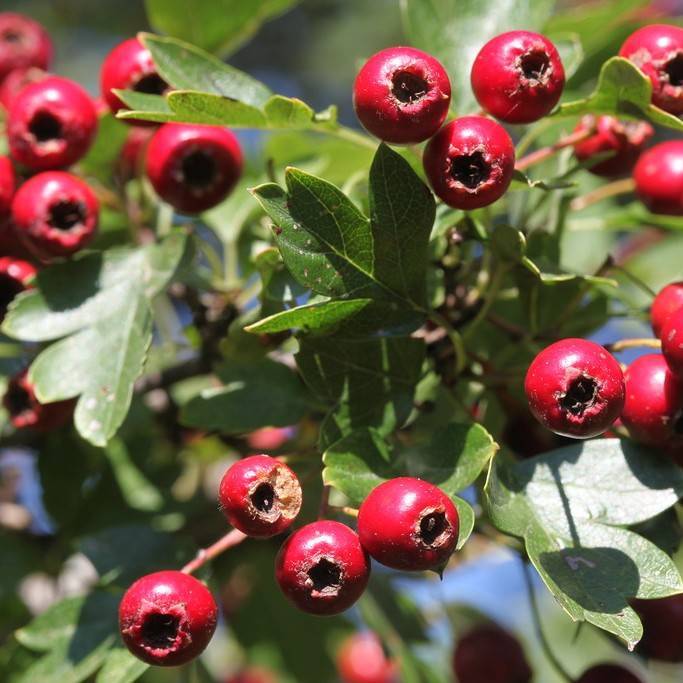
Flowering crabapples are small, deciduous ornamental trees bred for prolific, fragrant spring blossoms that range in color from white and pale pink to deep magenta and red. Following bloom, they produce small, 0.5-2 inch (1-5 cm) fruits called crabapples that persist into fall and winter, providing food for wild birds. Many cultivars also feature striking autumn foliage in shades of orange, red, and purple, making them a year-round focal point in temperate gardens.
Care Guide
Watering
Water young trees deeply once a week during the first two growing seasons to establish a strong root system, reducing frequency to once every 10-14 days once mature. Avoid overwatering or letting the root zone sit in standing water, as this can cause root rot and increase susceptibility to fungal diseases. During extended periods of drought, supplement with extra water to prevent leaf drop and stress.
Light
Flowering crabapples require full sun, defined as at least 6 hours of direct, unfiltered sunlight per day, to produce the heaviest bloom set and maintain healthy, disease-resistant foliage. Planting in shaded locations will reduce flower production, lead to sparse, leggy growth, and increase the risk of fungal infections from poor air circulation and slow leaf drying.
Soil
These trees adapt well to most well-drained soil types, including loam, sandy loam, and clay loam, with a preferred slightly acidic to neutral pH range of 6.0 to 7.0. They do not tolerate waterlogged, compacted soils, so amend heavy clay sites with organic matter such as compost or well-rotted leaf mold before planting to improve drainage. Avoid soils with extremely high alkalinity, as this can cause nutrient deficiencies leading to yellowing foliage.
Fertilizer
Apply a balanced, slow-release 10-10-10 fertilizer in early spring before new growth emerges, spreading it evenly over the root zone out to the drip line of the tree, avoiding direct contact with the trunk. Young, actively growing trees benefit from a second light application of fertilizer in late spring, while mature, well-established trees typically only need fertilization once every 1-2 years if growth is slow or foliage is pale. Do not fertilize after mid-summer, as this can stimulate tender new growth that will be damaged by early fall frosts.
Temperature
Flowering crabapples thrive in temperate climates with distinct cold winters, growing best in USDA hardiness zones 4 through 8, with some cold-hardy cultivars suitable for zone 3 and heat-tolerant varieties performing well in zone 9. They require between 500 and 1,000 hours of winter chill below 45°F (7°C) to break dormancy and produce consistent blooms each spring. Extreme late spring frosts can damage open blossoms and reduce fruit set for the year, so avoid planting in low-lying frost pockets where cold air accumulates.
Pruning
Prune flowering crabapples in late winter or early spring while the tree is still dormant, before buds break, to remove dead, damaged, or diseased branches, thin crowded growth to improve air circulation, and maintain the desired shape. Remove any suckers growing from the rootstock or water sprouts growing vertically along main branches, as these divert energy from productive growth and reduce air flow. Avoid heavy pruning after spring bloom, as this will remove the developing fruit and reduce the following year’s flower buds, which form on old wood.
Propagation
Most named flowering crabapple cultivars are propagated through grafting onto hardy, disease-resistant Malus rootstock to preserve the specific characteristics of the parent plant, such as bloom color, fruit size, and growth habit. Home gardeners can also propagate species varieties from seed, collected from ripe fruit in fall and stratified in moist, cool conditions for 3-4 months before sowing in spring, though seedlings will not be true to the parent plant. Softwood cuttings taken in early summer can be rooted with the use of rooting hormone and consistent moisture, though success rates are lower than grafting for most cultivars.
Humidity
Flowering crabapples prefer moderate humidity levels between 40% and 60%, typical of their native temperate habitats, but can tolerate short periods of higher or lower humidity without significant stress. High humidity combined with poor air circulation and warm temperatures increases the risk of common fungal diseases such as apple scab, powdery mildew, and fire blight, so ensure trees are spaced appropriately to allow for good air flow. Prolonged periods of very low humidity can cause leaf scorch, though established trees are generally fairly drought-tolerant once their root systems are fully developed.
Repotting
Flowering crabapples are rarely grown in containers long-term, as their extensive root systems require ample space to grow, but young saplings can be kept in large, 15-25 gallon containers for 1-2 years before being planted outdoors. If growing as a container specimen, repot every 2-3 years in late winter, moving to a slightly larger pot with fresh, well-drained potting mix amended with compost, and trim back any circling or overgrown roots to encourage healthy growth. Ensure containers have ample drainage holes to prevent waterlogging, and elevate the pot slightly off the ground to improve drainage during rainy periods.
Uses & Symbolism
Flowering crabapples are primarily planted as ornamental landscape trees for their showy spring blooms, colorful persistent fruit, and attractive fall foliage, serving as focal points, specimen trees, or privacy screens in residential and public gardens. The small, tart crabapples are edible when cooked, and are often used to make jellies, jams, preserves, and ciders, with some cultivars prized for their balanced sweet-tart flavor. They are also widely used in wildlife gardens, as their persistent fruit provides a critical winter food source for birds, bees, and other pollinators are attracted to their early spring nectar-rich blossoms.
Diseases & Pests
Flowering crabapples are susceptible to several common fungal and bacterial diseases, including apple scab, which causes dark, splotchy lesions on leaves and fruit, powdery mildew, which coats foliage in a white, powdery growth, and fire blight, a bacterial infection that causes branches to blacken and appear scorched. Common pests include aphids, which suck sap from new growth and excrete honeydew that leads to sooty mold, apple maggot, which tunnels into developing fruit, and tent caterpillars, which defoliate branches in large numbers. Many modern cultivars are bred for enhanced disease resistance, particularly to apple scab and fire blight, reducing the need for regular fungicide applications in home landscapes.
Related plants
Other plants you might like if you grow Flowering Crabapple.