Big Quaking Grass
Briza maxima
Overview
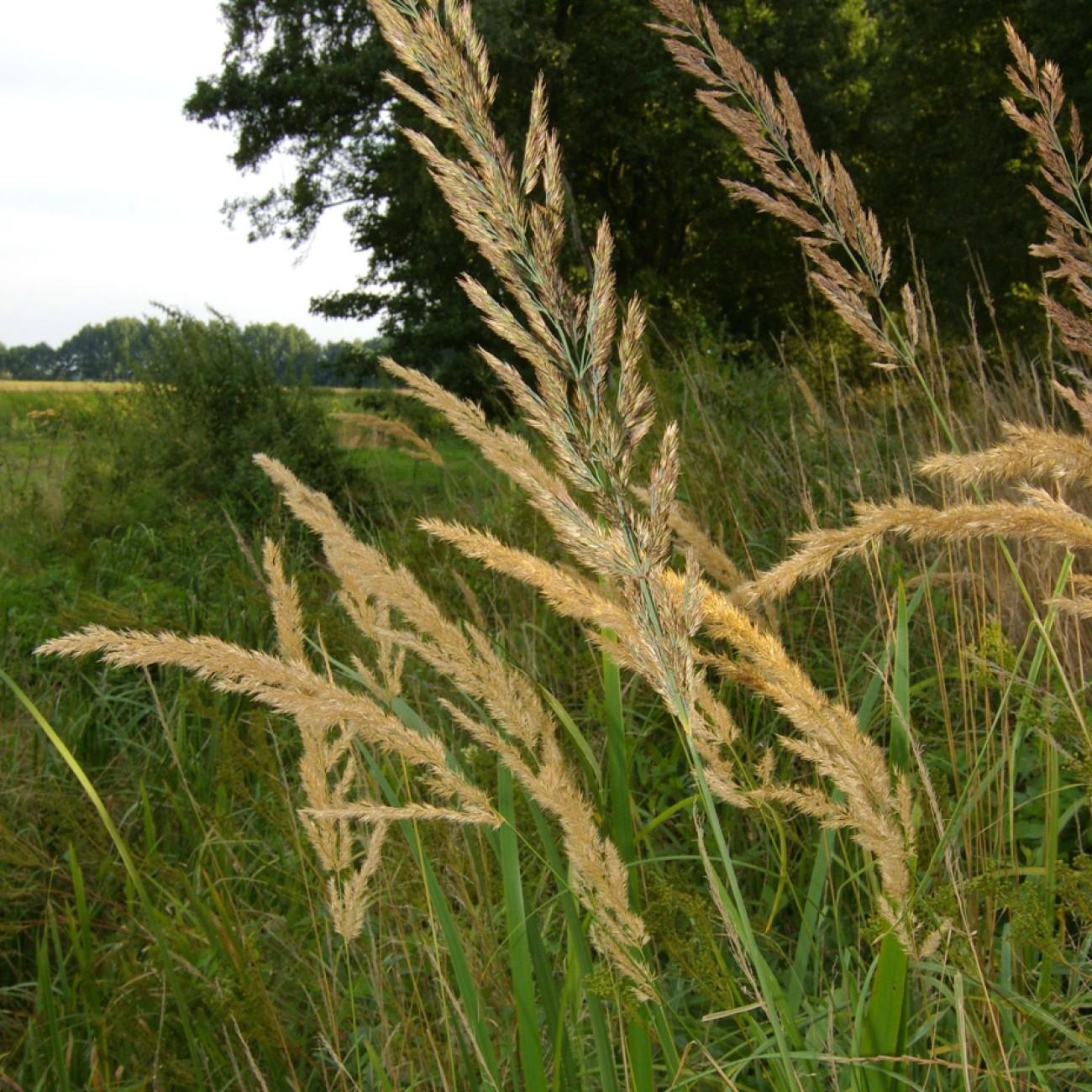
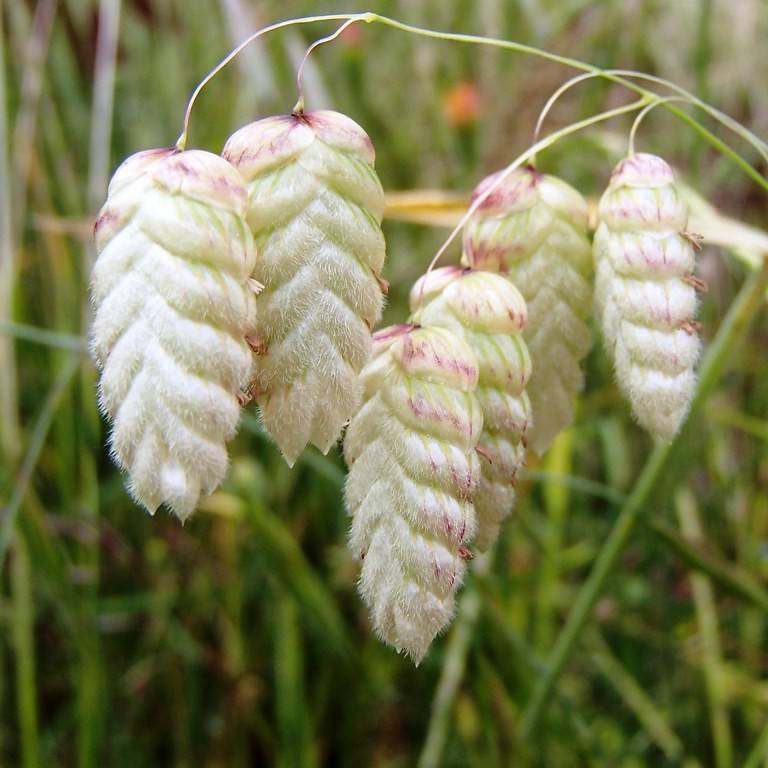
Big quaking grass, also called greater quaking grass, is a cool-season ornamental grass grown primarily for its distinctive, papery seed heads that sway with the slightest movement. It naturalizes readily in well-drained, sunny sites and is a popular addition to wildflower meadows and cottage gardens. The seed heads transition from pale green to soft tan as they mature, holding their shape well for dried floral arrangements.
Care Guide
Watering
Water young plants regularly to keep soil evenly moist until established, roughly 1 inch of water per week. Once mature, big quaking grass is highly drought tolerant, requiring only occasional watering during extended dry periods. Avoid overwatering, as soggy soil can cause root rot and weak, floppy growth.
Light
Grow in full sun, defined as at least 6 hours of direct unfiltered sunlight per day, for the sturdiest stems and most abundant seed head production. It can tolerate light partial shade, though plants may become leggy and produce fewer decorative heads in low light. In extremely hot climates, light afternoon shade can prevent leaf scorch without inhibiting growth.
Soil
Thrives in well-drained, sandy or loamy soil with a neutral to slightly alkaline pH between 6.0 and 7.5. It adapts well to poor, low-nutrient soils where many other ornamental plants struggle to grow. Heavy clay soils should be amended with coarse sand or organic matter to improve drainage before planting.
Fertilizer
Big quaking grass requires minimal fertilization, as high nutrient levels lead to overly lush, floppy growth that topples easily. An application of balanced, slow-release 10-10-10 fertilizer at half strength once at the start of the growing season is sufficient for most garden sites. No additional feeding is needed for the remainder of its annual life cycle.
Temperature
Prefers cool spring and early summer temperatures between 60 and 75°F (15 and 24°C) for germination and vegetative growth. It can tolerate light frosts down to 28°F (-2°C) but will die back once temperatures consistently rise above 85°F (29°C) in late summer. It is not adapted to extreme heat or prolonged freezing conditions.
Pruning
No regular pruning is required during the growing season, though spent stems can be cut back after seed heads mature if you wish to prevent self-seeding. Leave dried seed heads standing through early winter to provide food for small seed-eating birds if desired. Pull up entire plants at the end of the growing season once they have died back completely to clear the bed for new plantings.
Propagation
Easily propagated from seed sown directly outdoors in early spring, as soon as the last frost date has passed and soil has warmed to 50°F (10°C). Scatter seeds thinly over prepared soil, press lightly into the surface, and keep moist until germination, which occurs in 7 to 14 days. It self-sows readily in suitable growing conditions, with volunteer seedlings returning reliably each year without intervention.
Humidity
Tolerates a wide range of humidity levels, from dry Mediterranean climates to moderately humid temperate regions. Excessively high humidity combined with poor air circulation can increase the risk of fungal leaf spot diseases. Ensure plants are spaced at least 6 inches apart to promote air flow around foliage and reduce moisture buildup.
Repotting
As an annual grass typically grown directly in garden beds or meadows, repotting is rarely necessary. If grown in containers, use a well-drained potting mix and ensure the container has drainage holes to prevent waterlogging. Plants will complete their full life cycle in a single season, so no repotting is needed during their growth period.
Uses & Symbolism
Big quaking grass is a popular addition to ornamental meadows, cottage gardens, and pollinator plantings, where its dangling seed heads add movement and visual texture to mixed beds. Its dried seed heads are highly valued for cut floral arrangements, wreaths, and craft projects, retaining their delicate shape and pale color for months when harvested just before full maturity. It also provides a food source for small seed-eating birds and beneficial insects in naturalized landscapes.
Diseases & Pests
Big quaking grass is relatively pest and disease resistant, though it may develop fungal issues such as leaf spot and powdery mildew in overly wet, poorly ventilated conditions. Aphids and spider mites may occasionally infest young foliage, particularly in dry, hot weather, and can be controlled with a strong spray of water or insecticidal soap. Overly fertile soil or excessive watering can lead to weak stems that are prone to lodging, or toppling over, during heavy rain or wind.
Related plants
Other plants you might like if you grow Big Quaking Grass.