Bulbous Oatgrass
Arrhenatherum elatius var. bulbosum
Overview
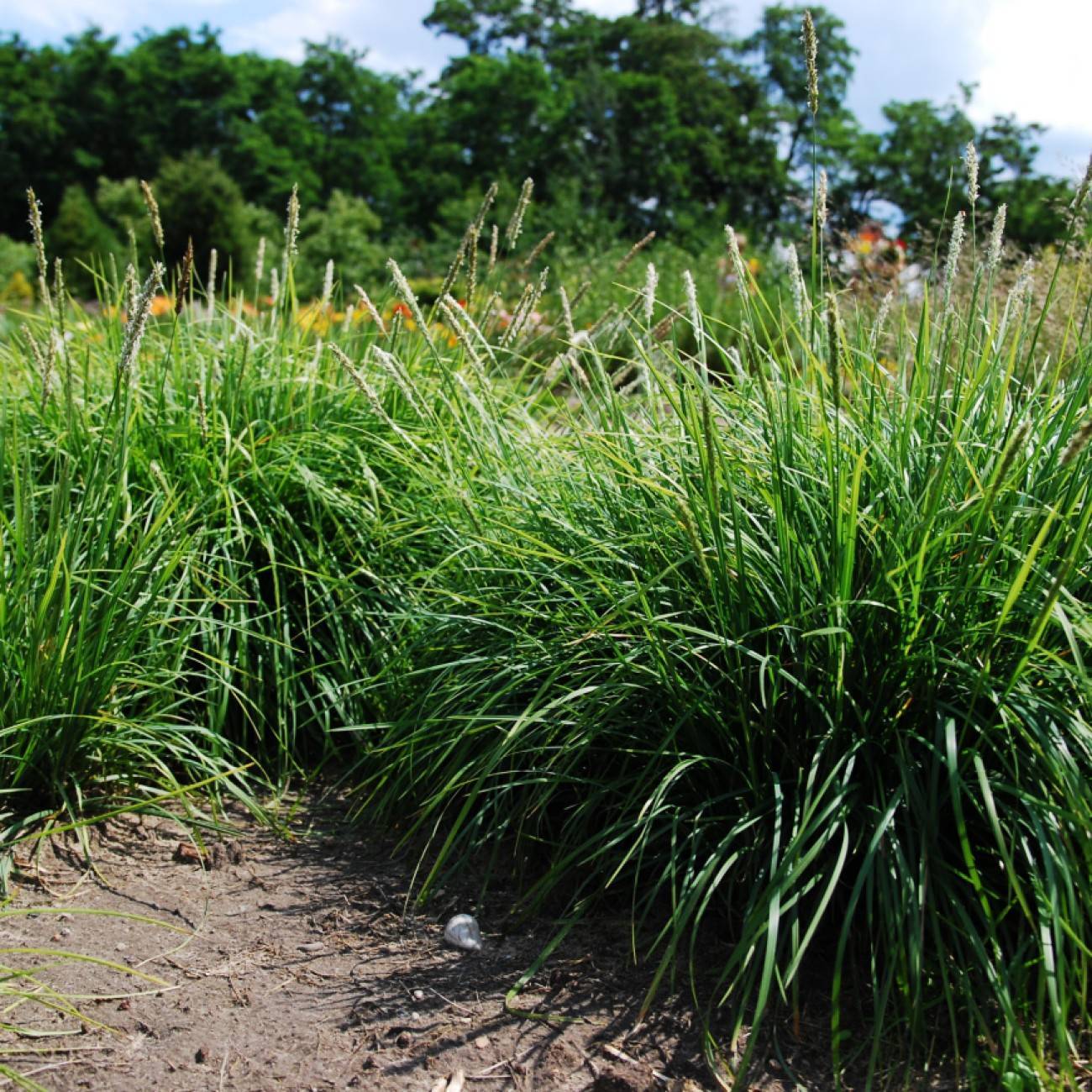
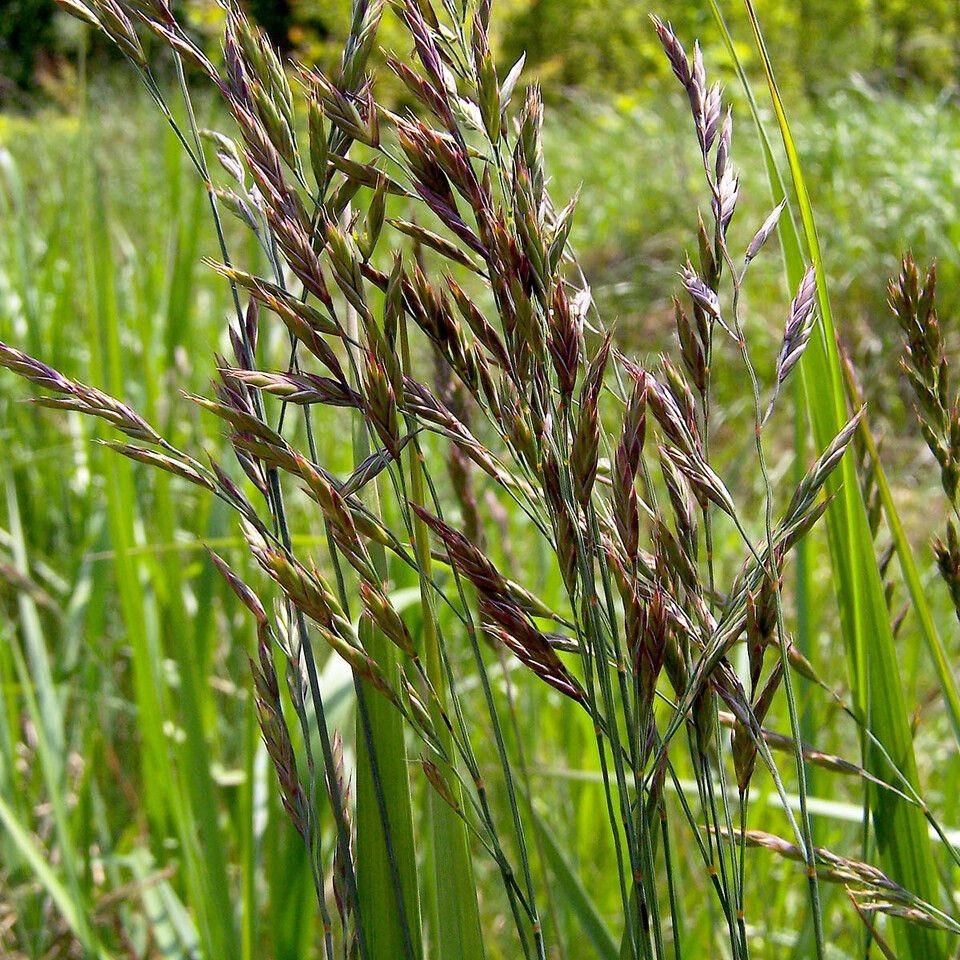
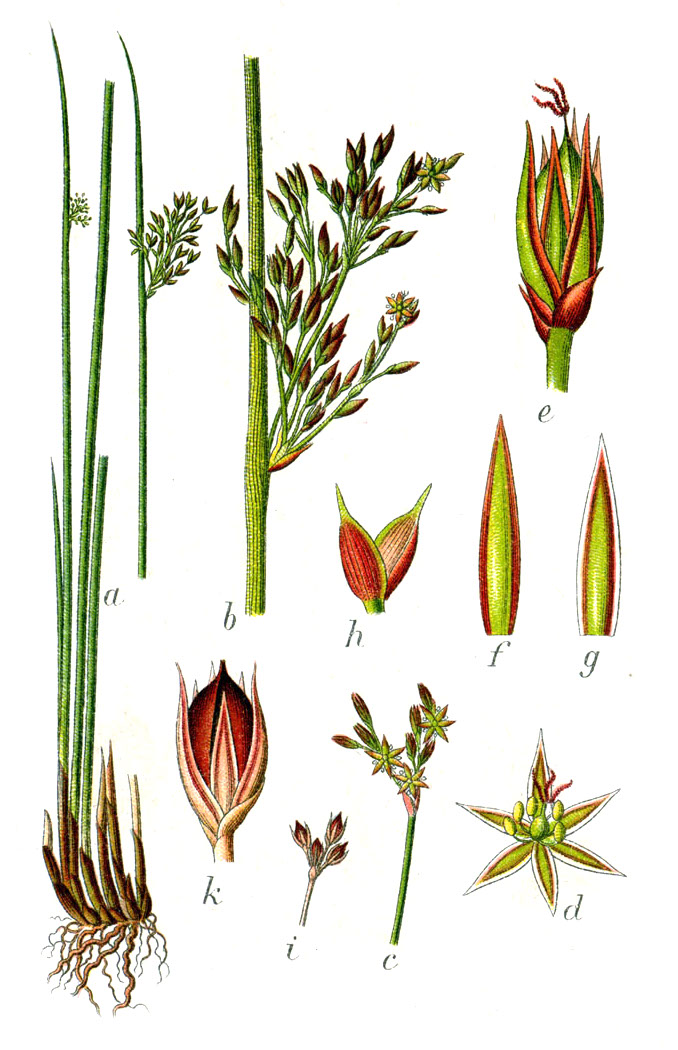
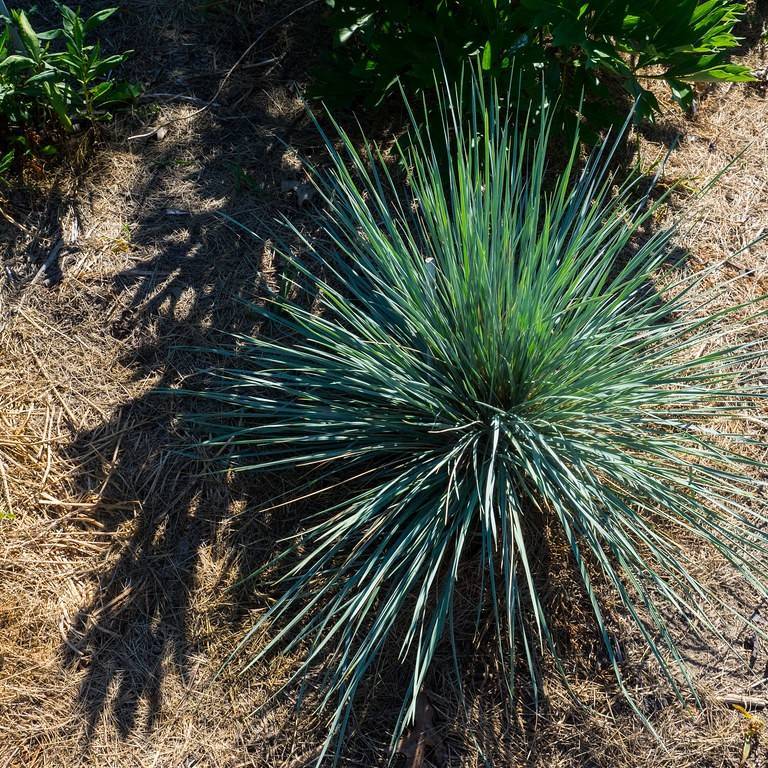
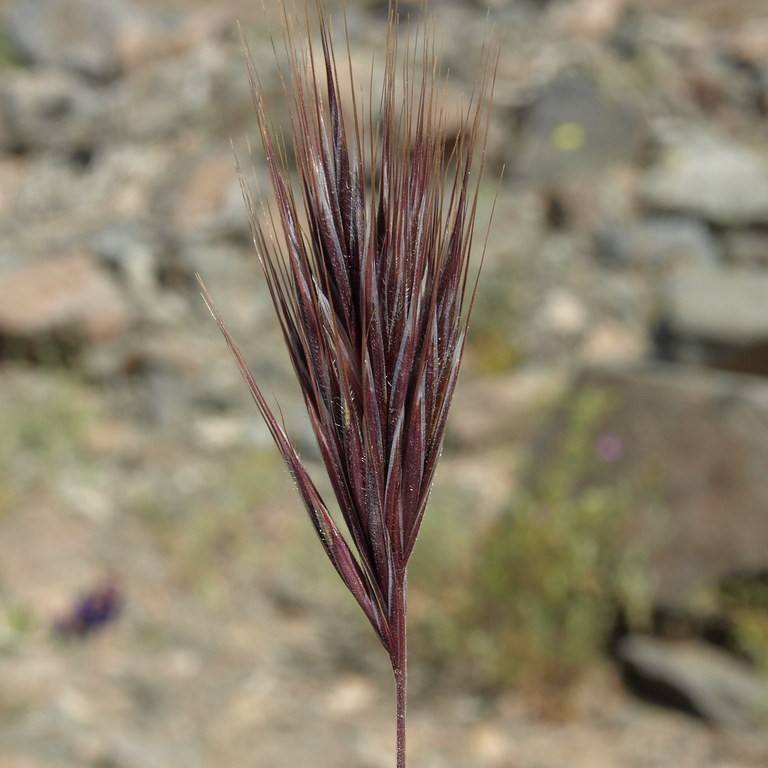
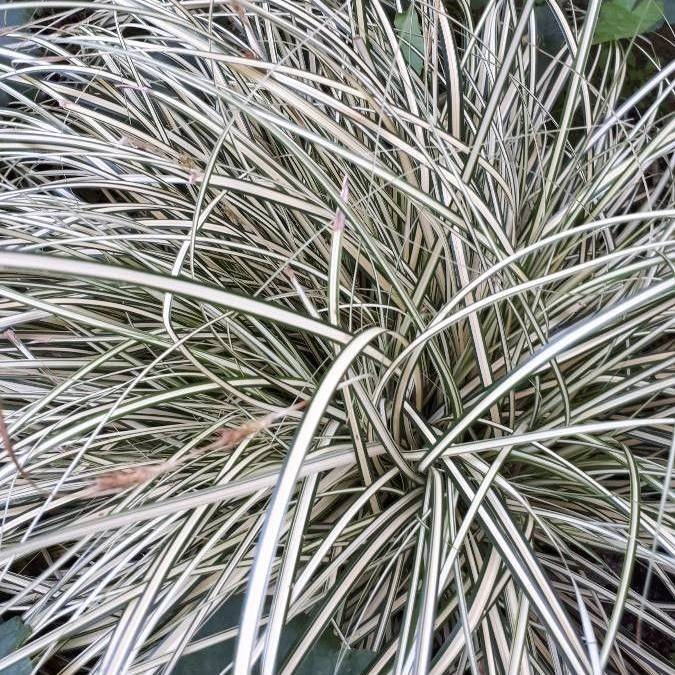
Bulbous oatgrass is a tufted perennial grass distinguished by small, swollen bulbous structures at the base of its stems, which help it survive drought and disturbance. It produces slender, arching green foliage and airy, oat-like flower spikes in late spring to early summer, turning a warm golden tan as it matures. Though sometimes considered a weed in agricultural settings, cultivated varieties are grown for their low-maintenance texture in meadow gardens, naturalized areas, and roadside plantings.
Care Guide
Watering
Bulbous oatgrass has moderate water needs, preferring consistent moisture during its active spring growth period, but it tolerates extended drought once established thanks to its bulbous stem reserves. Water deeply only when the top 2 to 3 inches of soil feel dry, avoiding overwatering that can lead to root rot in poorly drained sites. In dormant summer periods, it requires minimal supplemental irrigation to persist.
Light
This grass thrives in full sun, requiring at least 6 hours of direct sunlight daily to produce dense, healthy foliage and abundant flower spikes. It can tolerate partial shade, though growth may be sparser and flowering reduced in low-light conditions. Too much shade also increases risk of foliar fungal diseases due to poor air circulation around the clumps.
Soil
Bulbous oatgrass adapts to a wide range of soil types, including sandy, loamy, and clay soils, as long as drainage is adequate to prevent waterlogging around the bulbous stem bases. It tolerates neutral to slightly alkaline pH levels, and even grows well in poor, low-nutrient soils where many other ornamental grasses struggle. Adding organic matter is not required for planting, though it can help improve moisture retention in extremely sandy substrates.
Fertilizer
This low-maintenance grass rarely needs supplemental fertilization, as it thrives in low-nutrient soils. An annual light application of balanced, slow-release fertilizer in early spring can be used to boost growth in particularly poor, infertile sites. Over-fertilizing will lead to lush, floppy growth that is more prone to lodging and pest infestations.
Temperature
Bulbous oatgrass is a cool-season grass that grows most actively in spring and fall when temperatures range between 50 and 75°F (10 and 24°C). It is winter hardy in USDA zones 4 through 8, tolerating frost and short periods of freezing temperatures without damage. In hot, dry summer climates, it may go dormant and turn brown, resuming growth when cooler, wetter conditions return in autumn.
Pruning
Prune bulbous oatgrass back to 3 to 4 inches above the soil line in late winter or early spring before new growth emerges, to remove dead foliage and make space for fresh shoots. Deadheading spent flower spikes is not required, but can be done to prevent self-seeding if you want to limit spread in formal garden settings. Trimming back brown, dormant foliage in mid-summer can encourage a flush of new green growth if moisture is available.
Propagation
Bulbous oatgrass is most easily propagated by division in early spring or late fall, when the plant is actively growing; dig up mature clumps, separate them into smaller sections with intact bulbous bases, and replant immediately at the same depth they were growing. It can also be grown from seed, sown directly onto the soil surface in early fall or early spring, as light is required for germination. The bulbous stem bases can also be separated and planted individually to establish new plants, though division is faster and more reliable.
Humidity
Bulbous oatgrass tolerates a wide range of humidity levels, thriving in both moderately dry and humid temperate climates. High humidity combined with poor air circulation and excess soil moisture can increase the risk of foliar rust and powdery mildew infections. It does not require any supplemental humidity when grown in garden settings, and tolerates dry air well during summer dormant periods.
Repotting
Bulbous oatgrass is rarely grown in containers, but if potted, it should be repotted every 2 to 3 years in early spring to refresh the soil and prevent the bulbous bases from becoming root-bound. Choose a pot with ample drainage holes, and use a well-draining general-purpose potting mix to avoid waterlogging. When repotting, you can divide the clump to reduce its size if it has outgrown its container.
Uses & Symbolism
Bulbous oatgrass is widely used in naturalized meadow plantings, erosion control projects, and roadside restoration, as its dense root system and tough foliage hold soil in place on slopes and disturbed sites. Ornamental varieties are planted in cottage gardens and mixed perennial borders for their soft, airy texture and golden summer seed heads that add visual interest through the growing season. It also provides valuable forage for grazing livestock and food and shelter for native pollinators, songbirds, and small wildlife in wild and cultivated landscapes.
Diseases & Pests
Bulbous oatgrass is relatively pest and disease resistant, though it can be susceptible to foliar fungal diseases including rust, powdery mildew, and leaf spot in humid, poorly ventilated conditions with excess moisture. Aphids and grass mites may occasionally feed on young foliage, though infestations are rarely severe and can be managed with a strong spray of water or insecticidal soap if needed. In poorly drained soils, the bulbous stem bases are prone to rotting, so ensuring proper site drainage is the most important preventative measure for long-term plant health.
Related plants
Other plants you might like if you grow Bulbous Oatgrass.