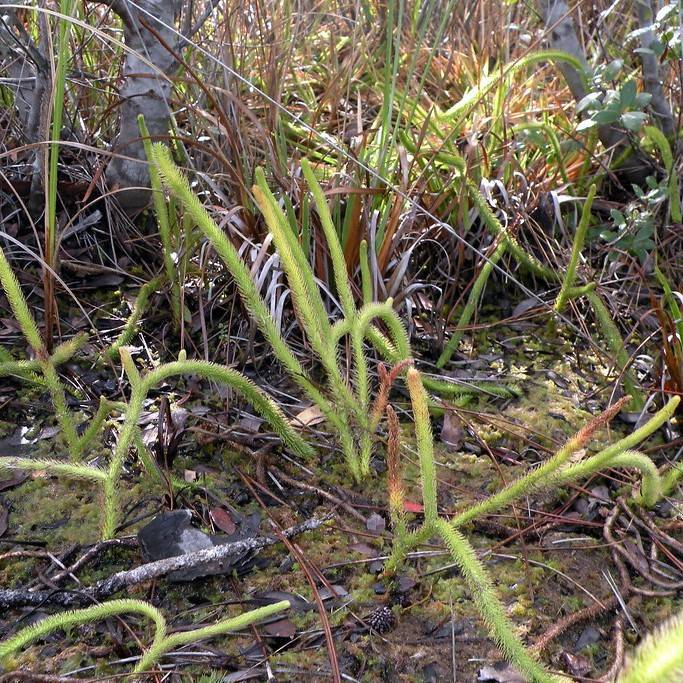
Foxtail Bog Clubmoss
Lycopodiella alopecuroides
Overview
Foxtail Bog Clubmoss is a non-flowering lycophyte, a primitive relative of ferns, that forms dense, creeping mats in boggy, nutrient-poor wetland habitats. Its slender, upright stems are covered in tiny, tightly overlapping lance-shaped leaves, giving them a soft, fuzzy appearance reminiscent of a fox’s tail. It reproduces via small, yellowish spore cones produced at the tips of fertile stems in late summer, and spreads slowly via horizontal rhizomes that root as they grow across moist substrate.
Care Guide
Watering
Keep the substrate consistently saturated at all times, never allowing it to dry out completely; this species tolerates shallow standing water up to 1 inch deep for extended periods. Use rainwater, distilled water, or reverse-osmosis water to avoid mineral buildup, as it is sensitive to dissolved salts and alkaline water sources. Water from the base or keep the pot sitting in a shallow tray of water to maintain constant moisture levels.
Light
Thrives in partial to full shade, mimicking the dappled sunlight of its native wetland understory habitats. Avoid prolonged exposure to direct midday sun, which can scorch the delicate foliage and cause browning at the leaf tips. It can tolerate low indoor light conditions, but will grow more vigorously with 2-4 hours of gentle morning sun daily.
Soil
Requires extremely acidic, nutrient-poor, well-aerated soil with a pH between 3.5 and 5.5. A suitable mix is equal parts peat moss, perlite, and long-fiber sphagnum moss, with no added compost or fertilizers that would raise nutrient levels or alkalinity. Avoid potting mixes with added limestone or slow-release fertilizers, as these will harm the plant over time.
Fertilizer
Do not apply standard fertilizers, as Foxtail Bog Clubmoss is adapted to low-nutrient environments and will suffer root burn from even dilute nutrient solutions. If grown in a controlled indoor setup, a single extremely dilute application of orchid fertilizer (1/4 strength or less) once per year in early spring is sufficient for healthy growth. Over-fertilization will cause yellowing foliage and eventual plant death.
Temperature
Prefers cool to moderate temperatures between 50-75°F (10-24°C), and can tolerate brief dips down to 20°F (-7°C) when dormant in outdoor plantings. Indoor specimens should be kept away from direct heat sources like radiators or heating vents, which can dry out foliage and raise temperatures beyond the plant’s preferred range. In warm climates, provide extra shade and ventilation to prevent overheating during summer months.
Pruning
Minimal pruning is required; simply snip off any brown, dead stems or dried spore cones at the base using clean, sharp scissors to maintain a tidy appearance. Avoid cutting into healthy green rhizomes, as this can damage the plant’s spreading growth habit and introduce pathogens. Prune only during the active growing season in spring and summer to allow the plant to recover quickly.
Propagation
Most easily propagated via rhizome division in early spring, when the plant is entering active growth: carefully separate a section of rhizome with at least 2-3 healthy upright stems, and plant it in a fresh acidic soil mix kept consistently saturated. Spore propagation is possible but much slower, requiring sterile, acidic medium and high humidity for 6-12 months before tiny plantlets emerge. Ensure all propagation tools are sterilized to prevent fungal or bacterial contamination of the delicate cuttings.
Humidity
Requires high humidity levels of 60% or higher to thrive, mimicking its native boggy environment. Indoor specimens benefit from regular misting with distilled water, placement on a pebble tray filled with water, or being grown in a terrarium or closed humidity cabinet to maintain consistent moisture in the air. Low humidity will cause the leaf tips to brown and the plant to decline over time.
Repotting
Repot only every 3-4 years, when the plant has completely outgrown its container and rhizomes are growing out of the drainage holes. Repot in early spring, using a fresh acidic soil mix, and take care not to damage the delicate, shallow root system during the process. Use a shallow pot with ample drainage holes, as the plant’s rhizomes spread horizontally rather than growing deep into the substrate.
Uses & Symbolism
Foxtail Bog Clubmoss is a popular choice for bog gardens, water feature edges, and closed terrariums, where its low-growing, mat-forming habit and unique fuzzy texture provide year-round evergreen interest. Historically, the spore powder of this and related clubmoss species was used as a flash powder for early photography, and as a waterproofing agent for pills and fireworks. It also provides valuable cover and nesting material for small wetland wildlife, including frogs, salamanders, and ground-nesting birds.
Diseases & Pests
The most common issues are root rot and fungal blight, caused by poor air circulation combined with overly warm, stagnant conditions in saturated soil. Aphids and fungus gnats may infest indoor specimens, particularly if the soil is overly moist and nutrient levels are too high, but these can be controlled with neem oil sprays and by reducing excess organic matter in the growing medium. Leaf scorch and browning tips are common cultural problems caused by direct sun exposure, low humidity, or use of alkaline, mineral-rich water.
Related plants
Other plants you might like if you grow Foxtail Bog Clubmoss.
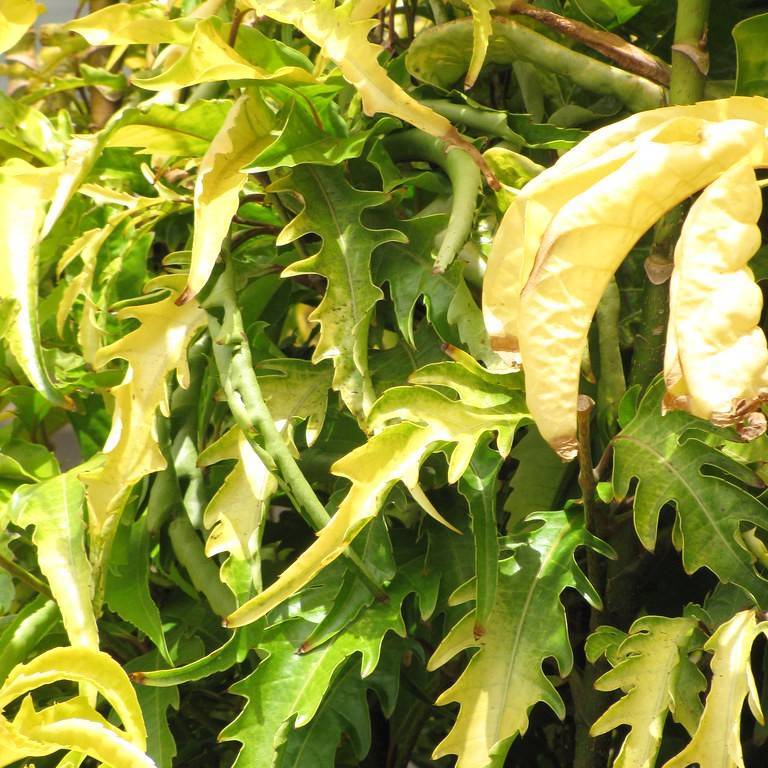
Fern Leaf Aralia
Polyscias filicifolia
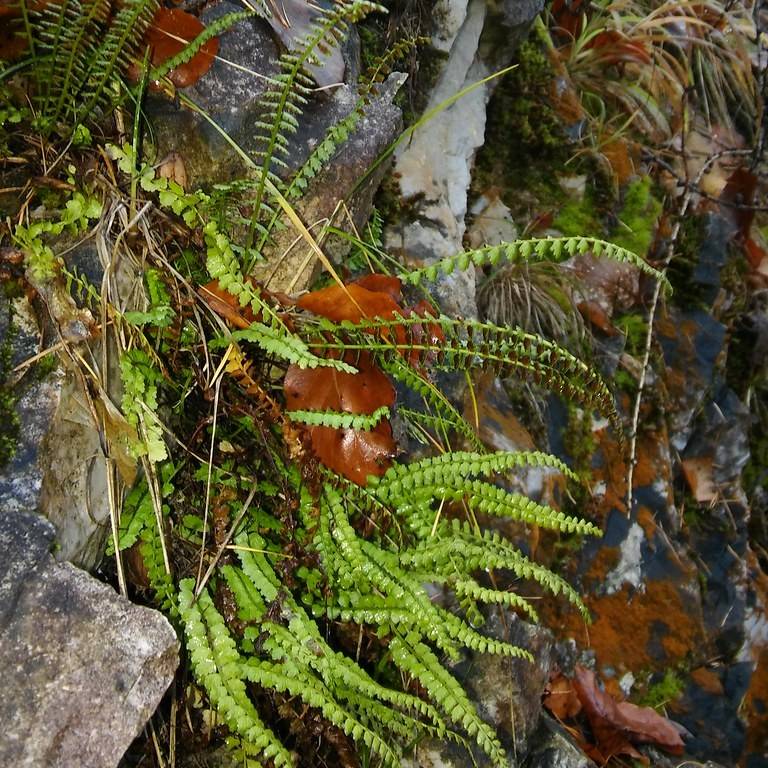
Green Spleenwort
Asplenium viride
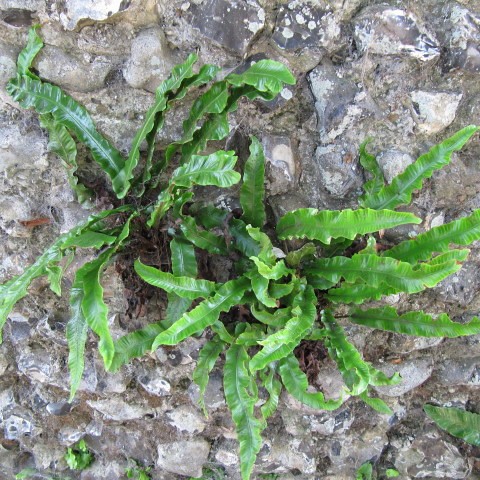
European Hart's Tongue Fern
Asplenium scolopendrium
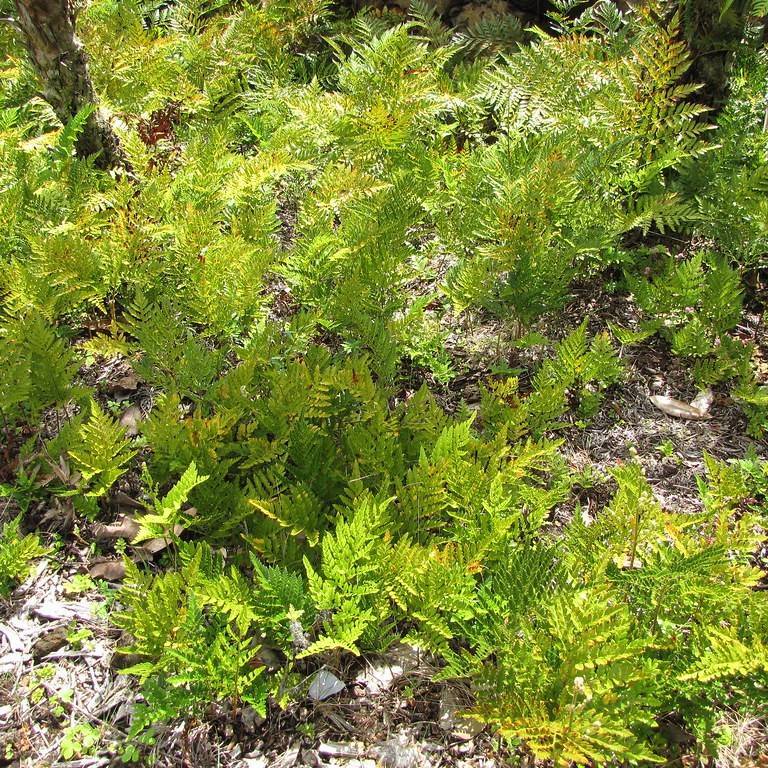
Leather Fern
Rumohra adiantiformis
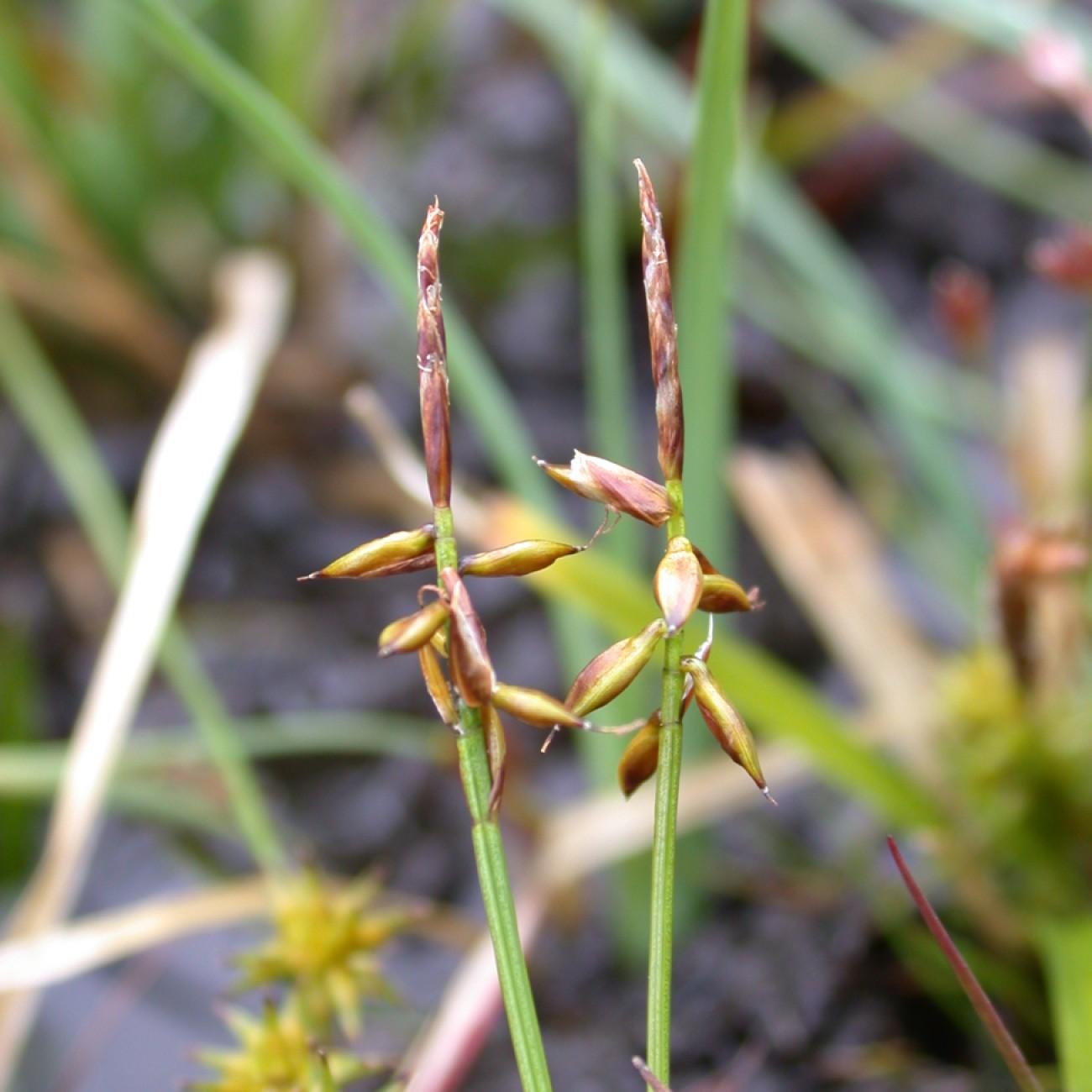
Few Flowered Sedge
Carex pauciflora
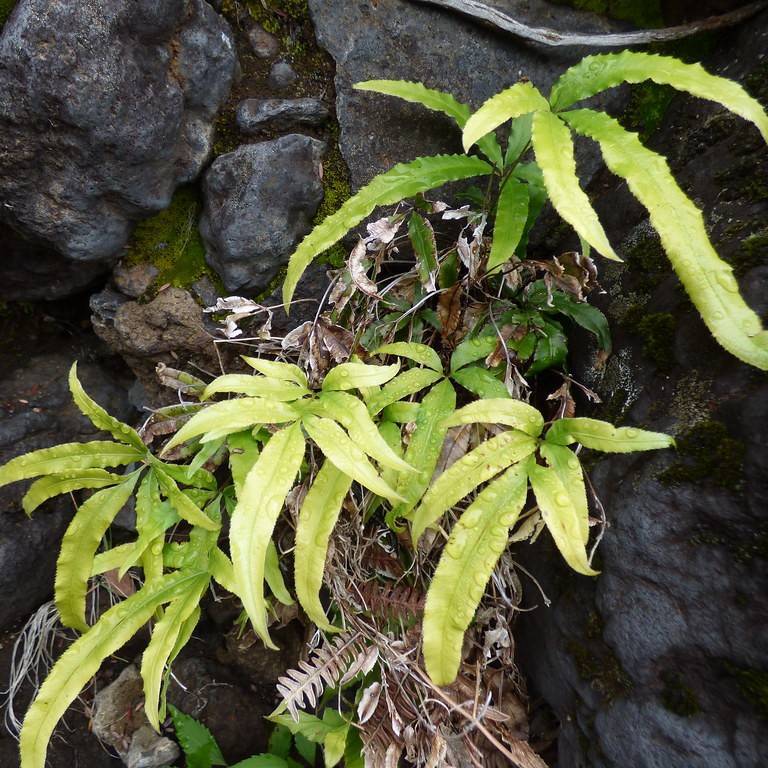
Cretan Brake
Pteris cretica
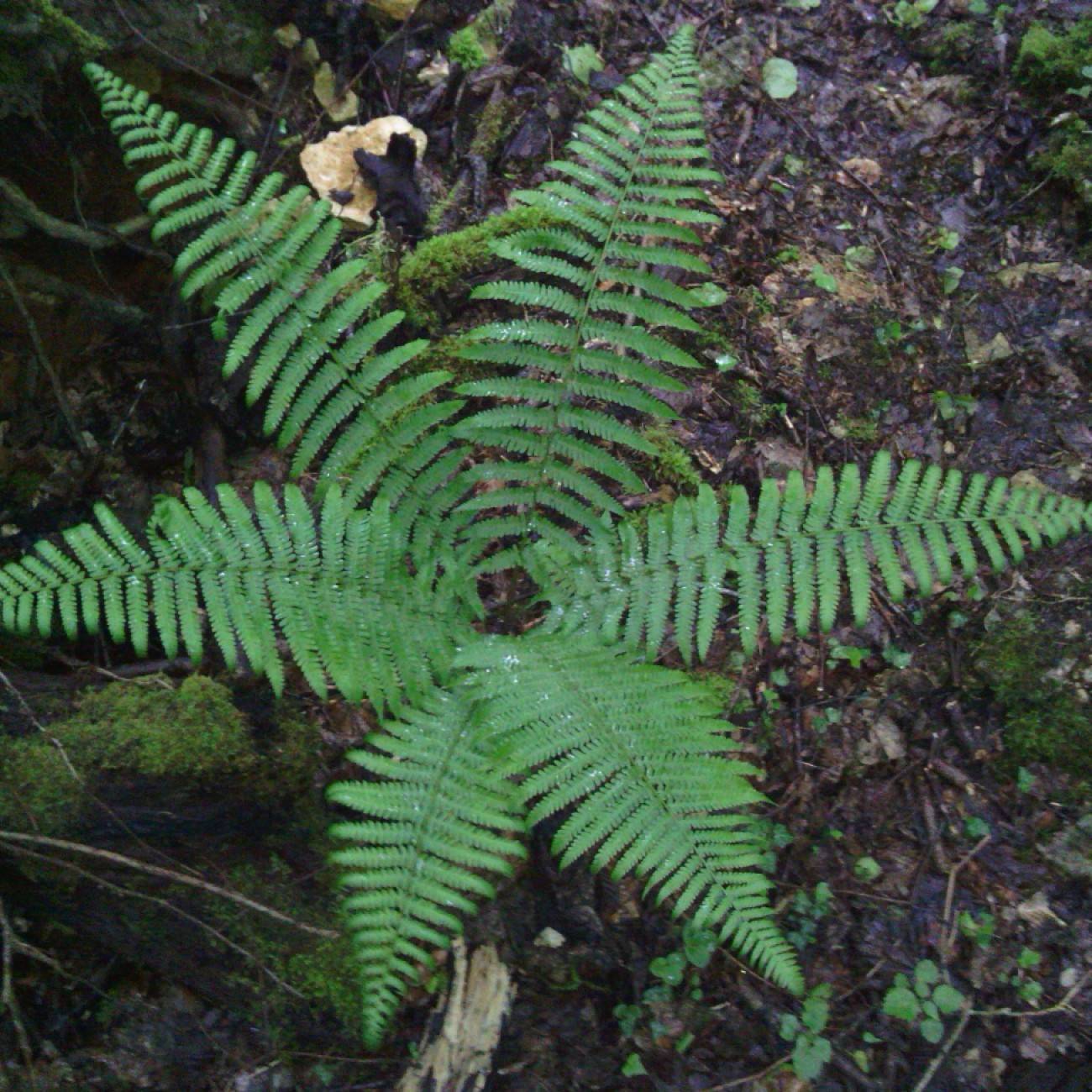
Dwarf Holly Fern
Cyrtomium falcatum 'Rochfordianum'
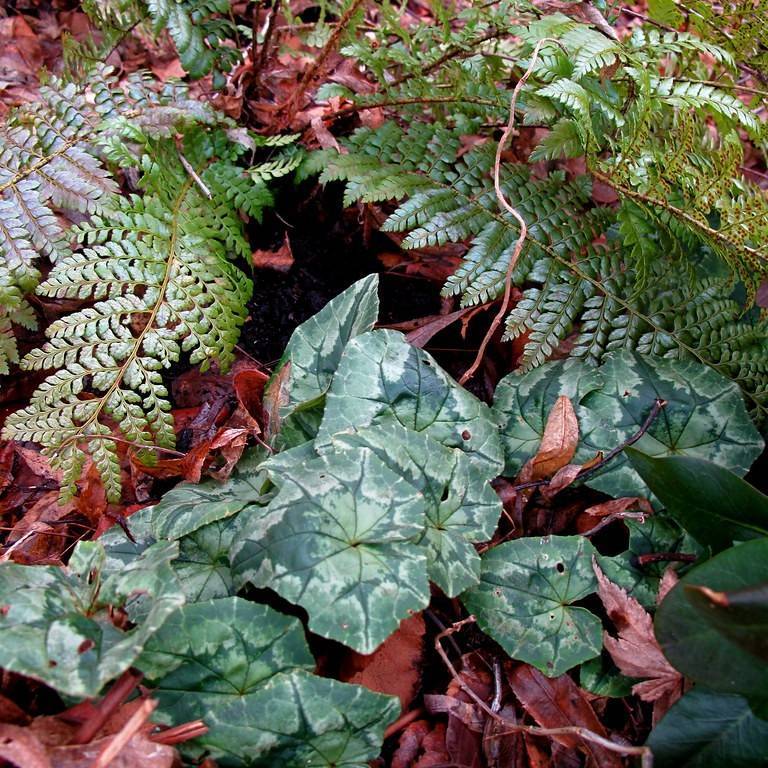
Dyce S Holly Fern
Cyrtomium fortunei 'Dycei'