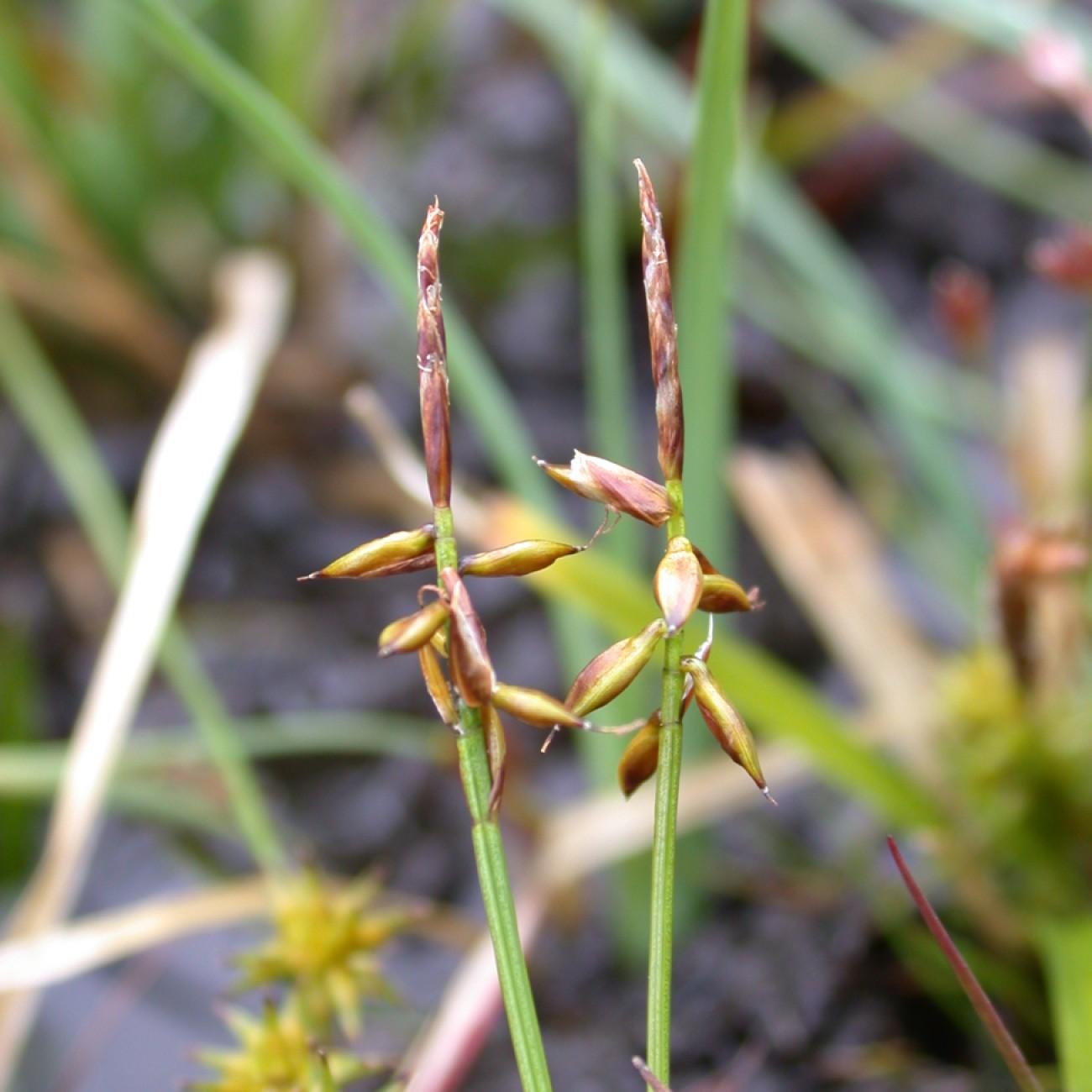
Few Flowered Sedge
Carex pauciflora
Overview
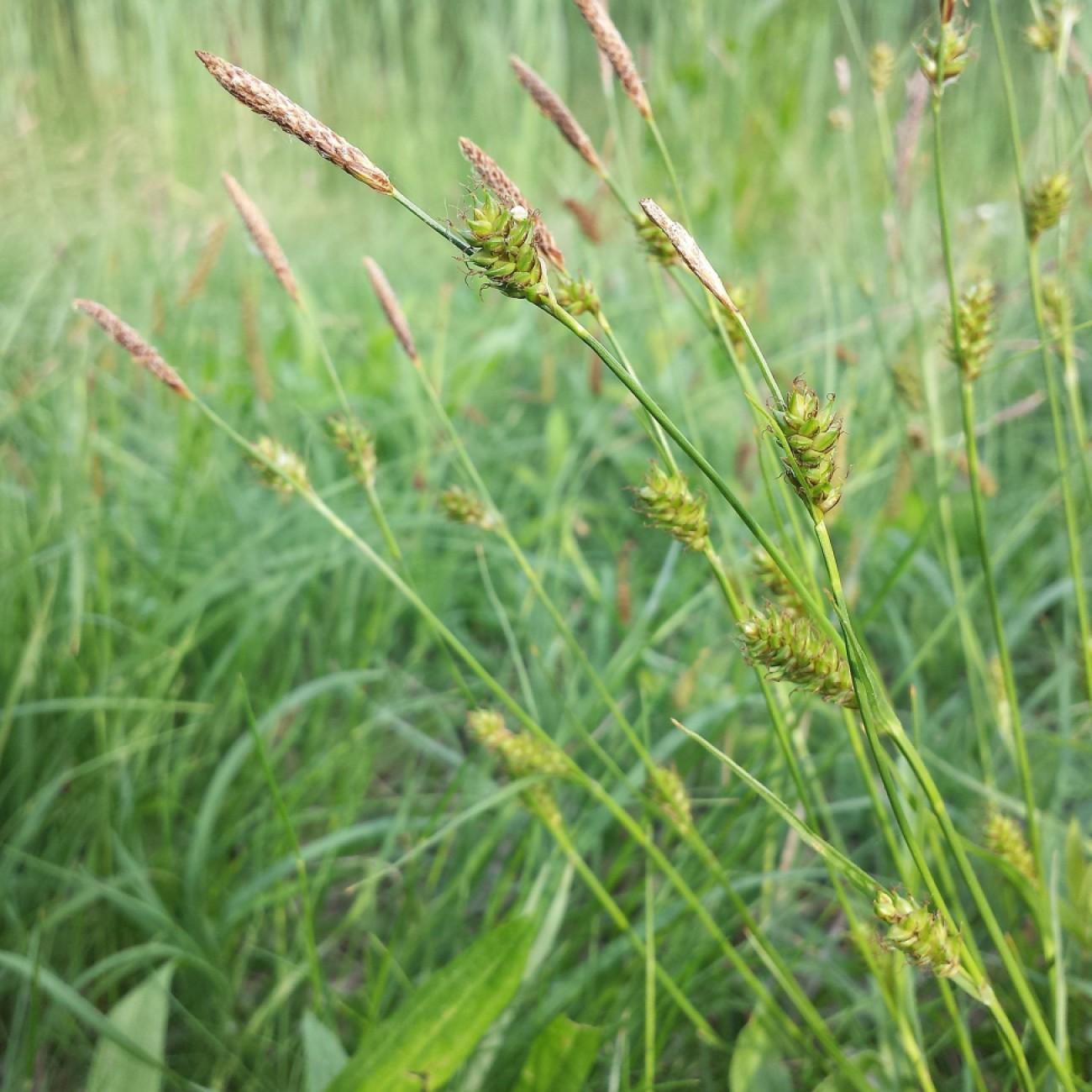
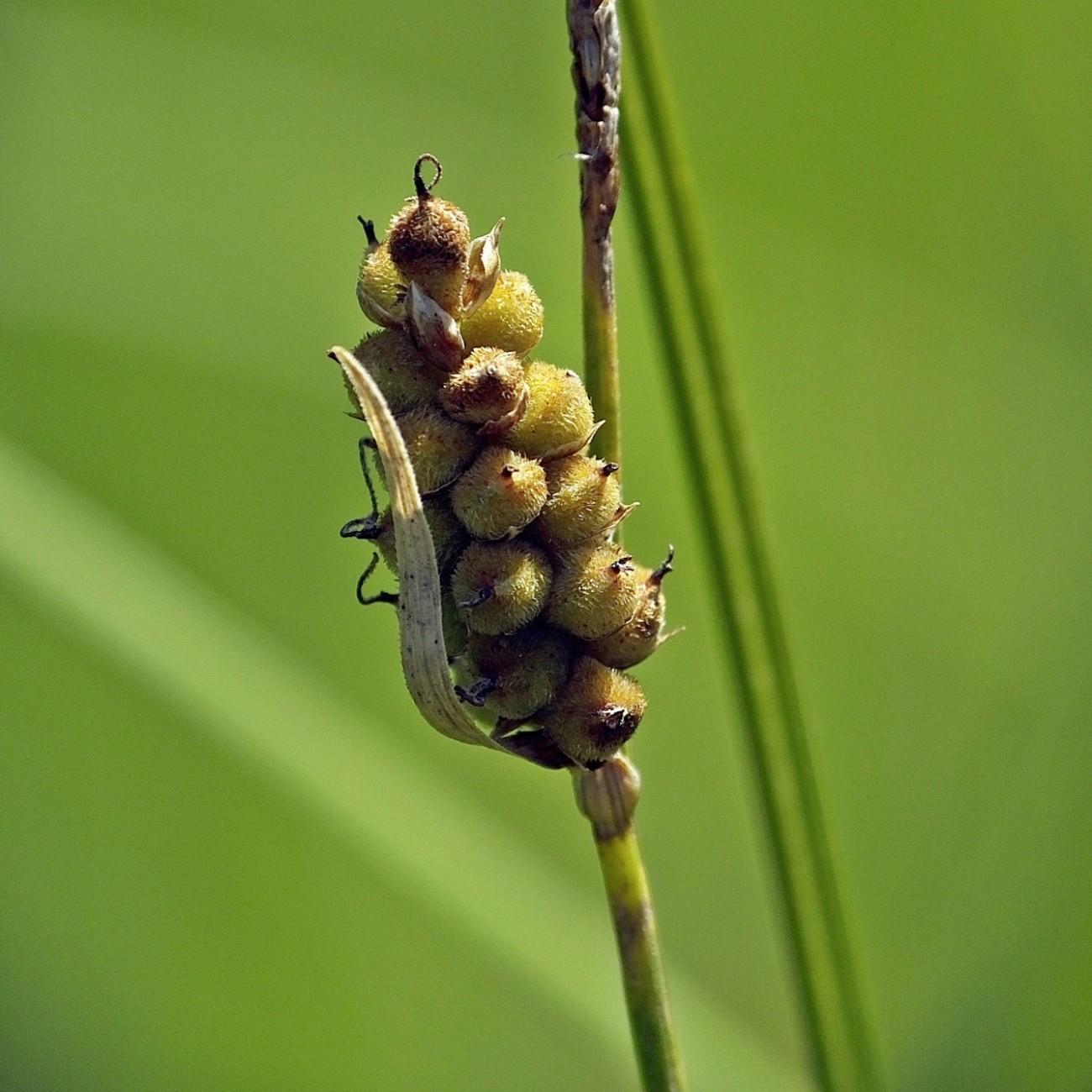
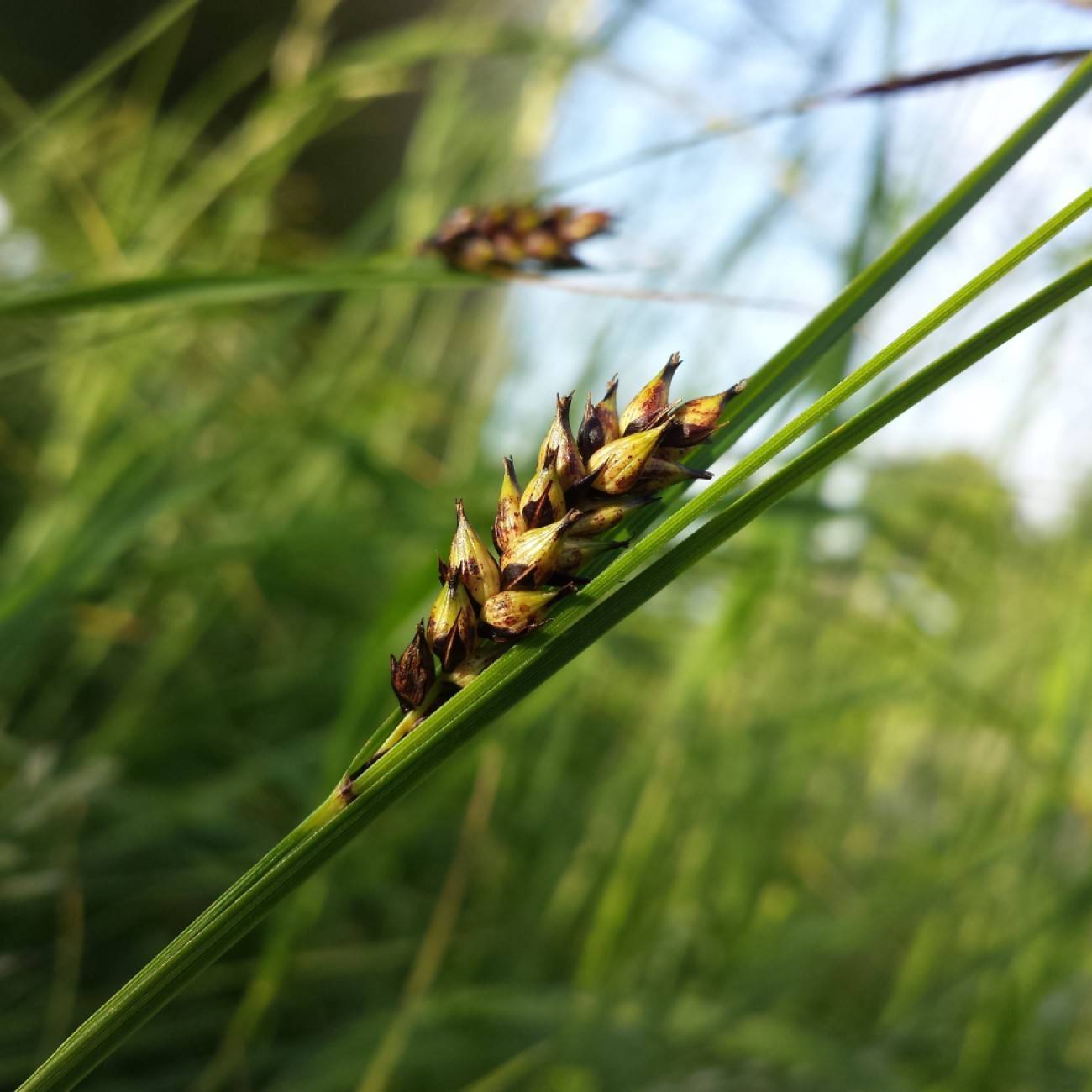
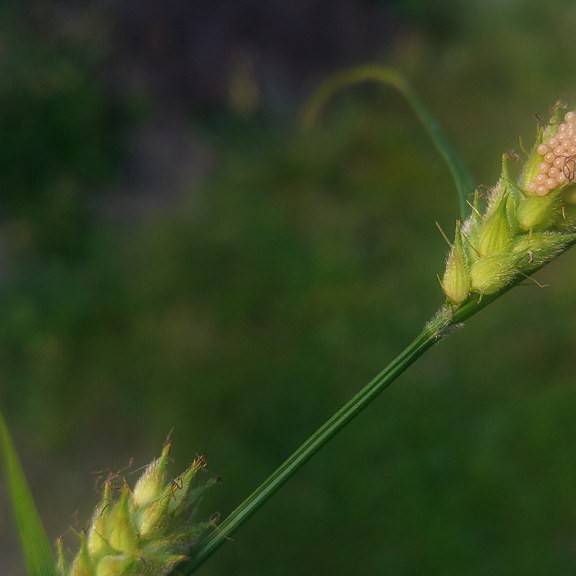
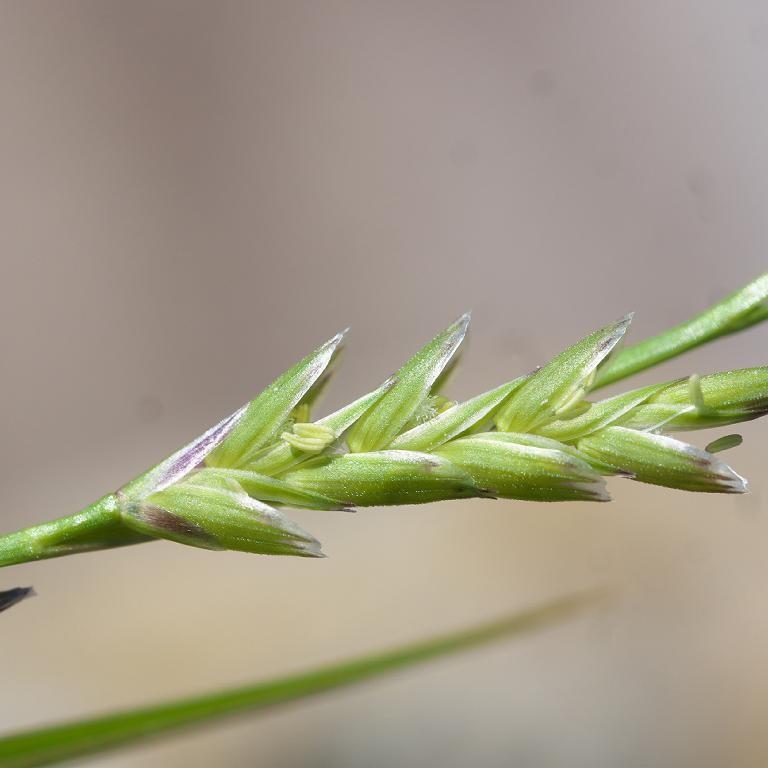
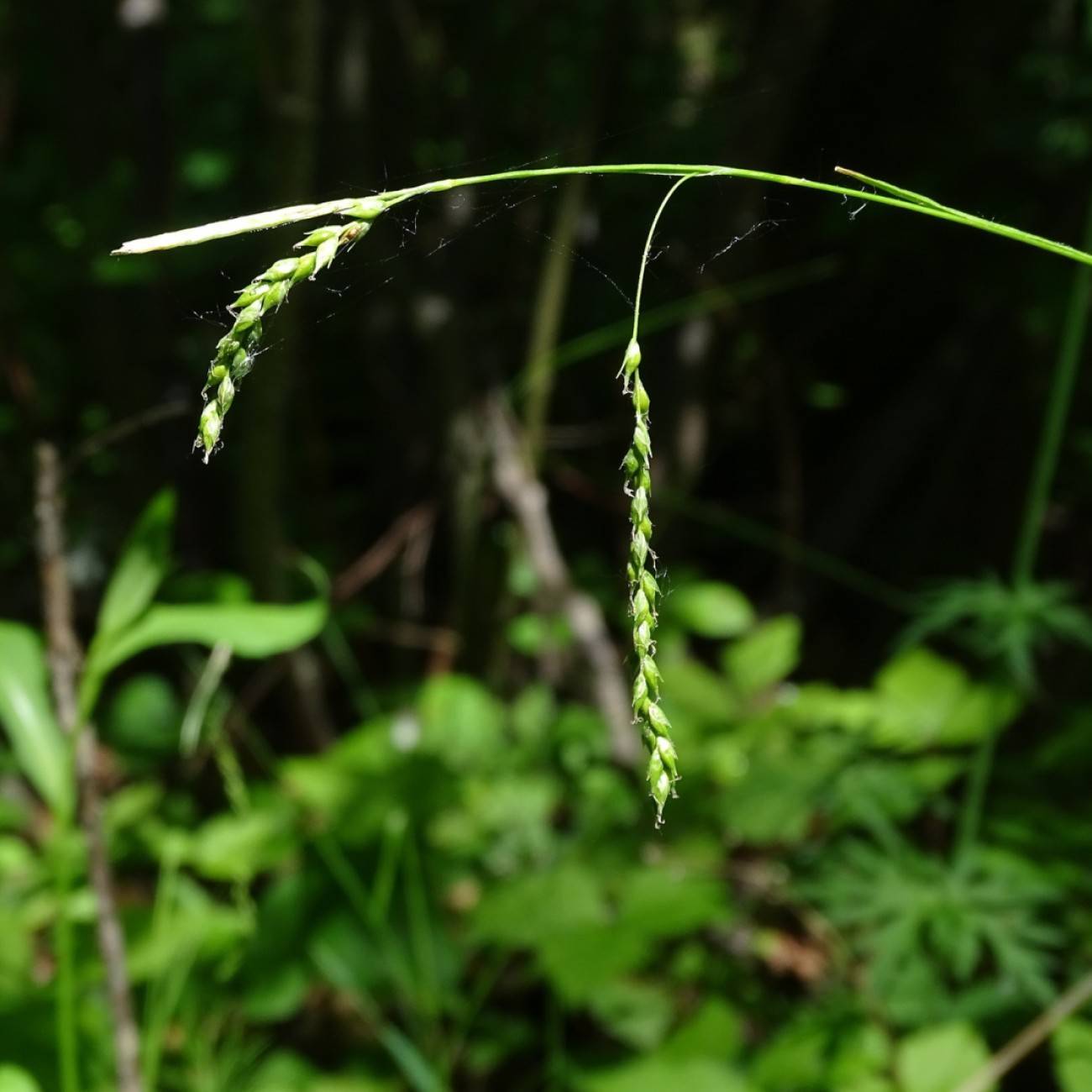
Few Flowered Sedge is a low-growing, tufted perennial sedge recognized for its delicate, narrow green foliage and minimal, often single-stalked flower spikes that produce only 2 to 4 small, brownish florets per spike. It is adapted to cool, wet, nutrient-poor environments, typically growing in acidic bogs, fens, and damp coniferous forest understories across northern temperate and boreal regions. This species plays an important role in wetland ecosystems, providing cover for small invertebrates and stabilizing soft, saturated peat soils.
Care Guide
Watering
Few Flowered Sedge requires consistently moist to saturated soil, as it is adapted to boggy, waterlogged habitats; never allow the root zone to dry out completely, even during periods of dormancy. For container growth, use pots with drainage holes but keep the plant sitting in a shallow tray of standing water to replicate its natural wetland conditions. Reduce watering slightly only in the coldest winter months if the plant goes dormant in cooler climates.
Light
This species thrives in partial to full shade, mimicking the dappled sunlight it receives under boreal forest canopies or in shaded wetland edges. It can tolerate short periods of direct morning sun, but intense midday or afternoon sun will scorch its delicate foliage and cause rapid moisture loss. In indoor or cultivated settings, position it in a location that receives filtered light for 4 to 6 hours daily.
Soil
Few Flowered Sedge requires highly acidic, nutrient-poor, peat-heavy soil with a pH between 3.5 and 5.5 to support healthy growth. A mix of 70% sphagnum peat moss and 30% perlite or coarse sand is ideal, as it retains moisture effectively while providing minimal nutrient content. Avoid standard potting soils with added fertilizers or lime, which will raise pH and introduce excess nutrients that harm this species.
Fertilizer
This sedge is adapted to low-nutrient bog environments, so it requires very little supplemental fertilization to thrive. If grown in containers, apply a diluted, balanced liquid fertilizer at 1/4 the recommended strength once per year in early spring, before new growth emerges. Over-fertilization will cause root burn, excessive weak growth, and may even kill the plant, so err on the side of under-feeding.
Temperature
Few Flowered Sedge is cold-hardy to USDA zones 2 to 6, tolerating winter temperatures as low as -50°F (-45°C) when grown in its native range. It prefers cool summer temperatures between 55°F and 70°F (13°C to 21°C), and will struggle in sustained temperatures above 80°F (27°C), which can cause foliage dieback. In warmer climates, it must be grown in cool, shaded, consistently moist locations to survive.
Pruning
Pruning requirements for Few Flowered Sedge are minimal; only remove brown, dead foliage and spent flower stalks in late winter or early spring before new growth appears to keep the clump tidy. Avoid cutting into the green, living base of the plant, as this can damage the crown and reduce its ability to produce new foliage. Do not shear the entire plant back heavily, as it grows slowly and will take multiple seasons to recover from over-pruning.
Propagation
Few Flowered Sedge is most easily propagated by division of mature clumps in early spring, just as new growth begins to emerge. Carefully separate small sections of the root crown with attached foliage and roots, and plant each division immediately in acidic, moist potting mix, keeping it consistently saturated until new growth is visible. Propagation from seed is possible but slow, as seeds require a 3 to 4 month cold stratification period to germinate, and seedlings take 2 to 3 years to reach mature size.
Humidity
This species thrives in high humidity levels between 60% and 80%, replicating the moist conditions of its native bog and wetland habitats. If grown indoors, use a humidifier or place the pot on a tray of wet pebbles to maintain consistent ambient humidity, as dry indoor air will cause foliage tips to brown and die. Avoid placing it near heating vents, air conditioners, or drafty windows that can cause rapid moisture loss.
Repotting
Few Flowered Sedge has a shallow, fibrous root system and grows slowly, so it only needs repotting every 3 to 4 years, when it outgrows its current container. Repot in early spring, using a fresh acidic, peat-heavy soil mix, and choose a pot that is only 1 to 2 inches larger in diameter than the previous one to avoid excess soil that can hold too much stagnant moisture. Water thoroughly immediately after repotting, and keep the plant in shaded, cool conditions for 1 to 2 weeks to reduce transplant shock.
Uses & Symbolism
Few Flowered Sedge is a popular choice for native bog gardens, rain gardens, and shaded water features, where it adds delicate, fine-textured foliage and supports local wetland wildlife. It is also used in ecological restoration projects for acidic wetland and peatland habitats, helping to stabilize eroding peat soils and provide habitat for native pollinators and small invertebrates. In cool, shaded indoor environments, it can be grown as a low-maintenance, unusual houseplant for collections of bog or carnivorous plant companions.
Diseases & Pests
Few Flowered Sedge is relatively resistant to most pests and diseases when grown in its preferred cool, moist, acidic conditions. Root rot can occur if the plant is grown in poorly drained, non-acidic soil or if it is exposed to stagnant, warm water for extended periods. Aphids and spider mites may occasionally infest foliage, especially in dry, warm indoor conditions, and can be controlled with a gentle spray of water or insecticidal soap, avoiding harsh chemical treatments that may damage the delicate foliage.
Related plants
Other plants you might like if you grow Few Flowered Sedge.