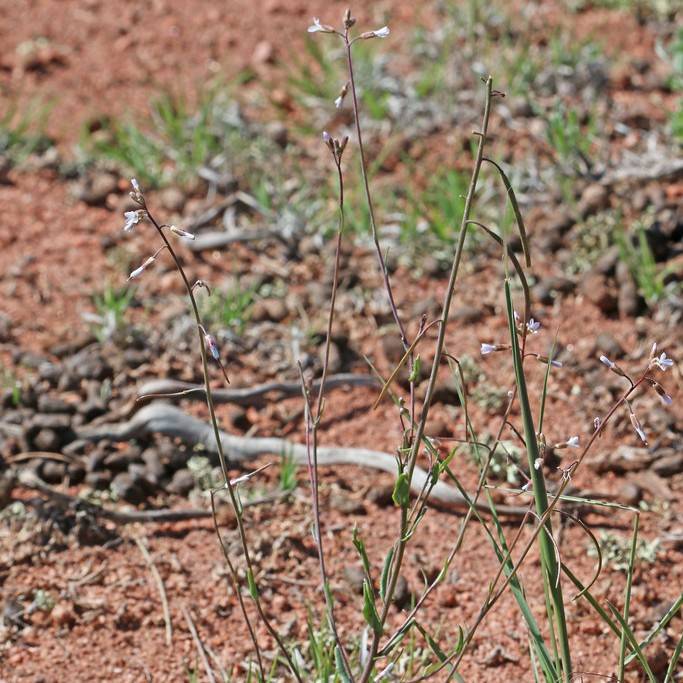
Four Corners Rockcress
Boechera quadrangulensis
Overview
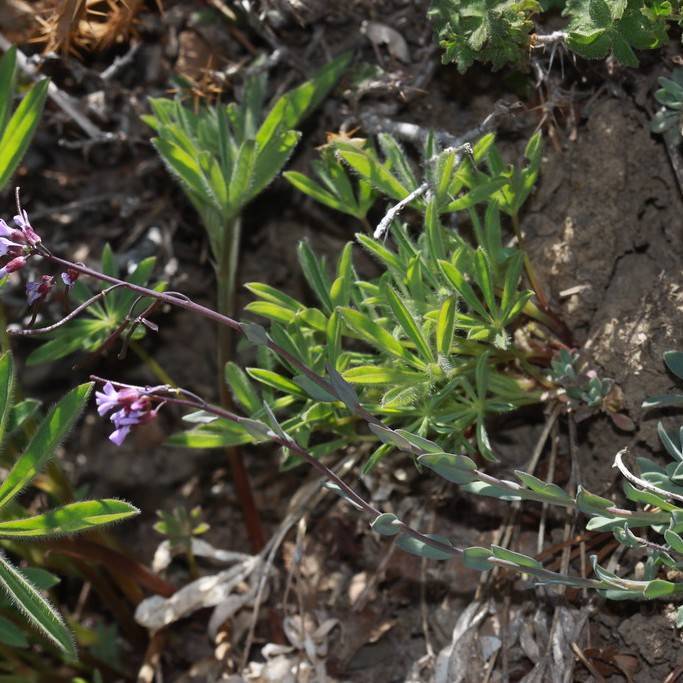
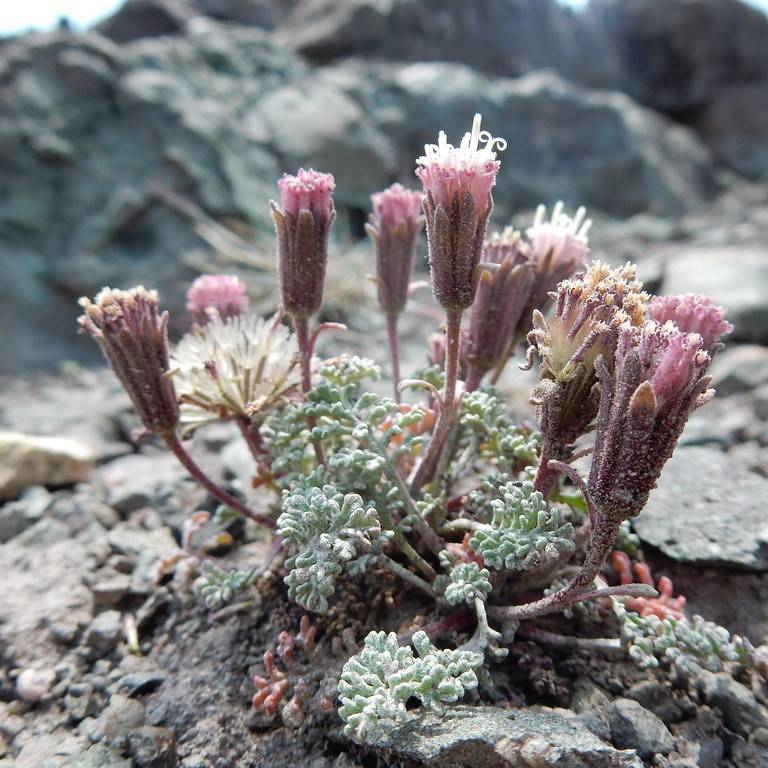
Four Corners Rockcress is a hardy, mat-forming herb adapted to the rocky, well-drained slopes and canyon edges of its arid native range. In early to mid-spring, it produces upright, slender stems topped with dense clusters of four-petaled flowers that attract native bees and other pollinators. Its narrow, gray-green foliage forms a low rosette that stays semi-evergreen in mild winter climates, making it a low-maintenance choice for xeriscape gardens.
Care Guide
Watering
This drought-tolerant species requires very little supplemental water once established, thriving in dry conditions typical of its native desert and semi-desert habitat. Water deeply only once every 2-3 weeks during extended periods of summer drought, avoiding overwatering that can lead to root rot. Reduce watering to almost zero in fall and winter when the plant is semi-dormant.
Light
Four Corners Rockcress grows best in full, direct sunlight, requiring a minimum of 6 hours of unobstructed sun per day to produce abundant blooms and maintain a compact growth habit. It can tolerate very light, dappled shade in the hottest parts of its range, but too much shade will cause leggy growth and reduced flowering.
Soil
Well-drained, gravelly or sandy soil with a neutral to slightly alkaline pH is ideal for this species, mimicking the rocky outcrops and slopes of its native habitat. It tolerates poor, low-nutrient soils well, and will not survive in heavy, compacted clay or soil that retains moisture for long periods. Add coarse sand or fine gravel to planting areas to improve drainage if needed.
Fertilizer
Four Corners Rockcress is adapted to low-nutrient environments and rarely requires supplemental fertilization. Excess nitrogen will encourage soft, leggy foliage growth at the expense of blooms and can reduce its drought tolerance. If planted in extremely poor soil, a single light application of low-nitrogen, slow-release fertilizer in early spring is sufficient.
Temperature
This hardy perennial tolerates extreme temperature fluctuations common to the southwestern U.S., surviving winter lows down to -20°F (-29°C) and summer highs above 100°F (38°C). It is highly resistant to both frost damage and heat stress, making it suitable for USDA hardiness zones 4 through 9. It requires a period of cold winter dormancy to bloom reliably the following spring.
Pruning
Pruning is minimal for this low-growing species; simply snip off spent flower stems after blooming finishes to keep the plant looking tidy and prevent self-seeding if desired. Remove any yellowed or damaged foliage in early spring before new growth emerges to improve air circulation around the rosette. Avoid cutting back the evergreen basal foliage, as this can damage the plant.
Propagation
Four Corners Rockcress is most easily propagated from seed, which can be sown directly outdoors in fall to allow natural cold stratification over winter, or started indoors after 4-6 weeks of refrigeration. Mature clumps can also be divided in early spring before new growth begins, though the plant has a deep taproot that makes division more challenging. Cuttings of soft new growth can be rooted in sandy, well-drained medium in late spring.
Humidity
This arid-region species prefers low humidity levels between 10% and 40%, typical of its native desert and semi-desert habitat. It tolerates average indoor humidity if grown in a well-ventilated pot, but will suffer from fungal issues in consistently high-humidity environments. Ensure good air circulation around the plant to prevent moisture-related problems in more humid regions.
Repotting
If grown in containers, repot only when the plant has completely outgrown its current pot, roughly every 3-4 years, as it prefers slightly root-bound conditions and resents disturbance to its taproot. Use a fast-draining cactus or succulent potting mix amended with extra gravel when repotting, and choose a pot with ample drainage holes to prevent waterlogging. Repot in early spring before active growth begins to minimize stress.
Uses & Symbolism
Four Corners Rockcress is a popular choice for xeriscape, rock garden, and alpine garden plantings, where its low growth habit and spring blooms add color without requiring extra water. It is also used in native pollinator gardens to support local bee species, as its early-spring flowers provide a critical nectar source when few other plants are blooming. Its tolerance for poor, rocky soils makes it useful for erosion control on dry, sloped sites.
Diseases & Pests
Four Corners Rockcress is largely pest and disease resistant when grown in its preferred well-drained soil and full sun conditions. Overwatering or poorly draining soil can lead to root rot and fungal leaf spot diseases, which can be prevented by allowing the soil to dry completely between waterings. Aphids may occasionally feed on new flower stems, and can be controlled with a strong spray of water or insecticidal soap.
Related plants
Other plants you might like if you grow Four Corners Rockcress.