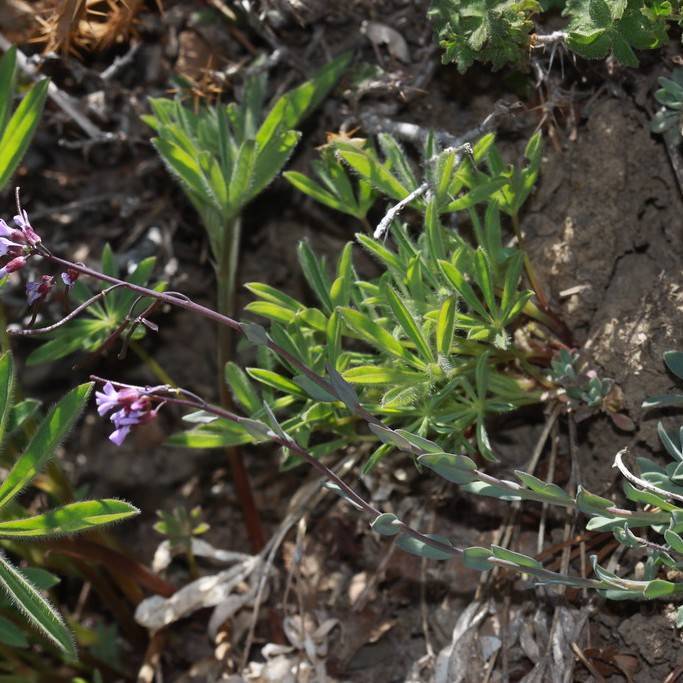
Lemmon's Rockcress
Boechera lemmonii
Overview
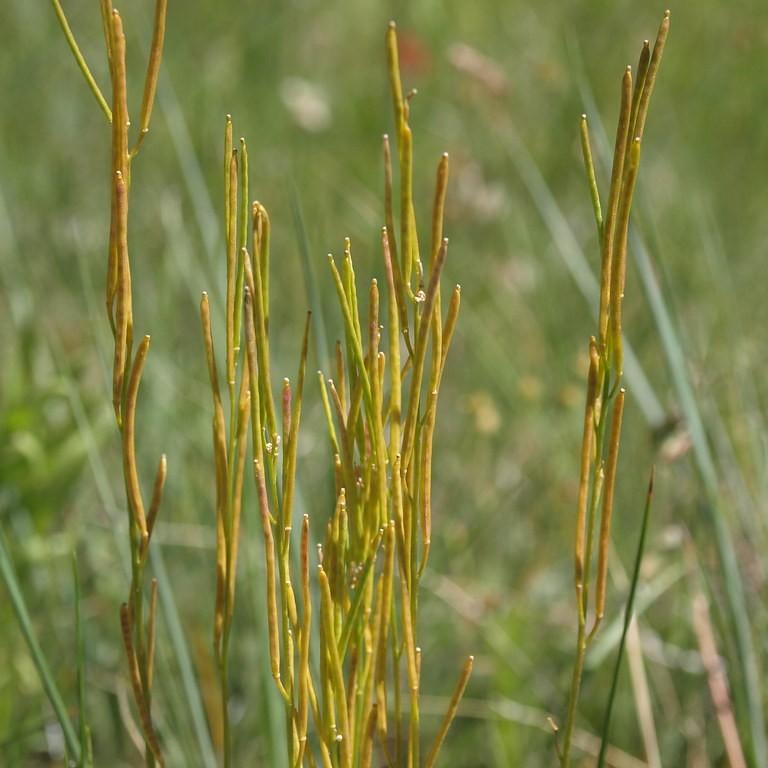
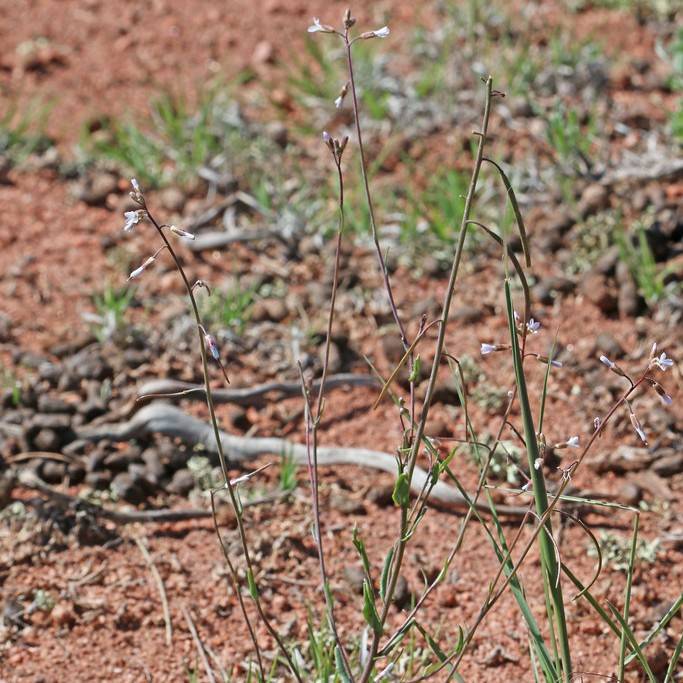
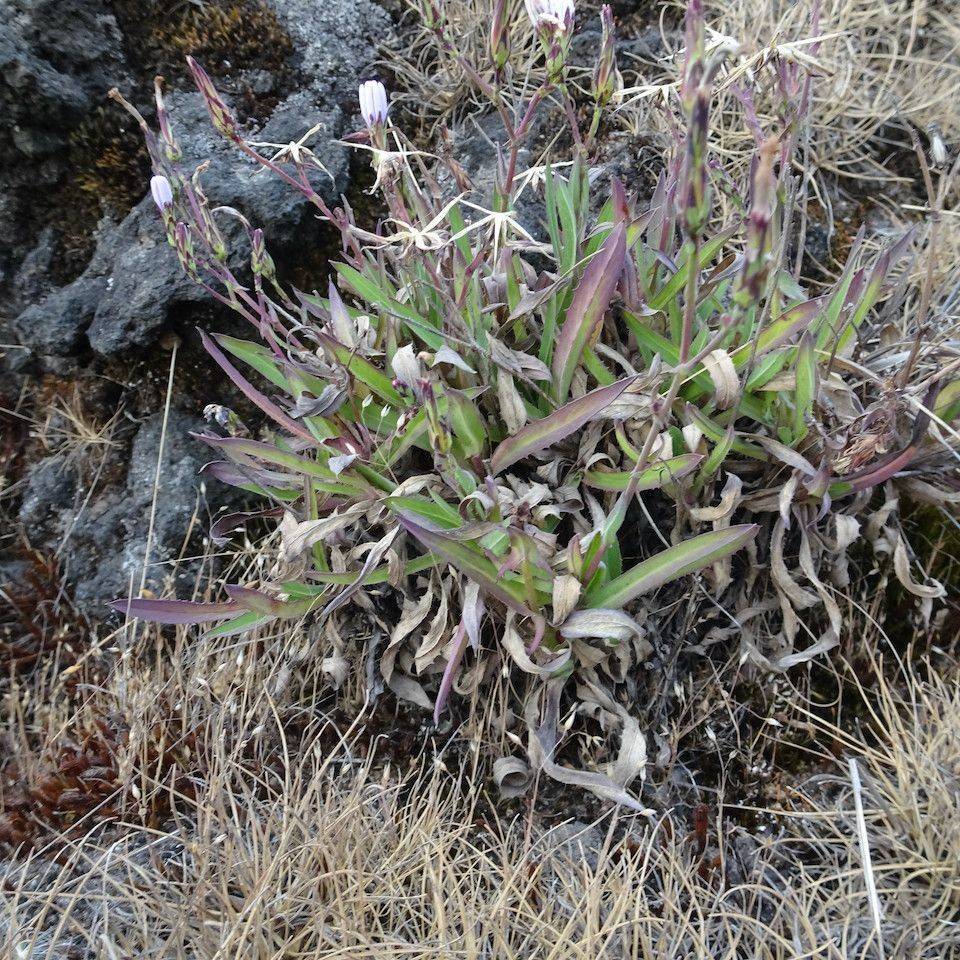
Lemmon's rockcress is a mat-forming herbaceous perennial native to dry, rocky montane habitats, chaparral, and pine woodlands across the American West. It produces loose clusters of four-petaled, pale lavender to deep pink flowers in spring, followed by slender, upright seed pods that add textural interest after blooming fade. Its low, spreading growth habit and tolerance for poor, rocky soils make it a popular choice for rock gardens, xeriscapes, and native plant landscapes.
Care Guide
Watering
Lemmon's rockcress is highly drought-tolerant once established, requiring only occasional deep watering during extended hot, dry periods; overwatering, especially in heavy soils, will quickly cause root rot. Newly planted specimens should be watered lightly once a week for the first growing season to help roots establish, after which they can rely almost entirely on natural rainfall in their native range.
Light
This species thrives in full sun, requiring a minimum of 6 hours of direct sunlight daily to produce abundant blooms and maintain a compact, healthy growth habit. It can tolerate very light, dappled shade in hot, arid climates, but too much shade will cause leggy growth and reduced flowering.
Soil
Lemmon's rockcress requires sharply drained, low-fertility soil with a neutral to slightly alkaline pH, and is well-adapted to gravelly, sandy, or rocky soils that mimic its native montane slope habitat. It will not tolerate heavy clay soils or sites with poor drainage, so amend heavy planting areas with coarse sand or fine gravel to improve drainage before planting.
Fertilizer
This wildflower is adapted to low-nutrient soils and rarely requires fertilization; excess nitrogen will cause soft, leggy growth and reduce flowering. If grown in extremely poor, sandy soils, a single light application of balanced, slow-release fertilizer in early spring is sufficient to support healthy growth.
Temperature
Lemmon's rockcress is cold-hardy to USDA zones 5 to 9, tolerating winter temperatures as low as -20°F (-29°C) and summer highs up to 100°F (38°C) when provided with adequate drainage. It is well-adapted to the large diurnal temperature swings common in its native mountain habitats, and does not perform well in regions with high humidity and consistent warm night temperatures.
Pruning
Minimal pruning is required for Lemmon's rockcress; spent flower stalks can be trimmed back after blooming to encourage a tidier growth habit and prevent unwanted self-seeding if desired. In late winter, remove any dead or damaged foliage to make space for new spring growth and improve air circulation around the plant.
Propagation
Lemmon's rockcress is most easily propagated from seed, which can be sown directly outdoors in fall to allow natural cold stratification over winter, or started indoors after 4 to 6 weeks of cold stratification in the refrigerator. It can also be propagated from softwood cuttings taken in early summer, though seed propagation is far more reliable and produces more vigorous plants.
Humidity
This species prefers low to moderate humidity levels, typical of its native arid and semi-arid montane habitats, and does not tolerate high, consistent humidity above 60% for extended periods. Good air circulation is critical in more humid climates to prevent fungal leaf spot and crown rot issues.
Repotting
Lemmon's rockcress is rarely grown in containers, but if planted in a rock garden pot, it only needs repotting every 3 to 4 years when it outgrows its container or the soil becomes compacted. When repotting, use a gritty, fast-draining cactus or succulent mix, and avoid disturbing the root system more than necessary to reduce transplant shock.
Uses & Symbolism
Lemmon's rockcress is a popular choice for native plant rock gardens, xeriscapes, slope stabilization, and alpine gardens, where its low matting form and colorful spring blooms provide ground cover and visual interest. It is a valuable nectar source for native bees, butterflies, and other pollinators in early spring, when few other wildflowers are in bloom in its native range.
Diseases & Pests
Lemmon's rockcress is largely pest and disease resistant when grown in its preferred well-drained soil and full sun conditions; the most common issue is root rot caused by overwatering or poorly draining soil. In high humidity or poorly ventilated sites, it may occasionally develop fungal leaf spot or downy mildew, which can be prevented by spacing plants properly to improve air circulation and avoiding overhead watering.
Related plants
Other plants you might like if you grow Lemmon's Rockcress.