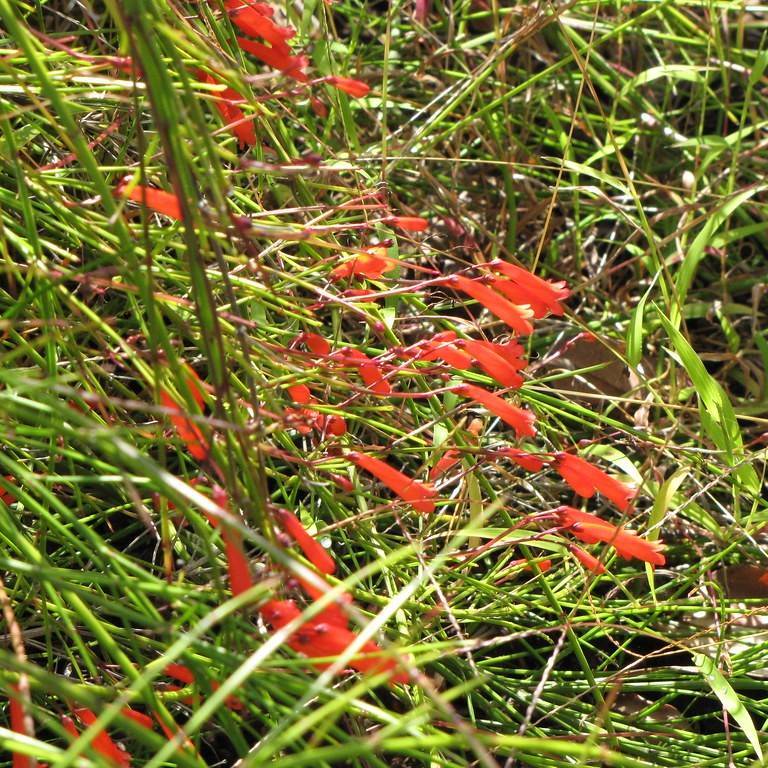
Fountainbush
Psoralea pinnata
Overview
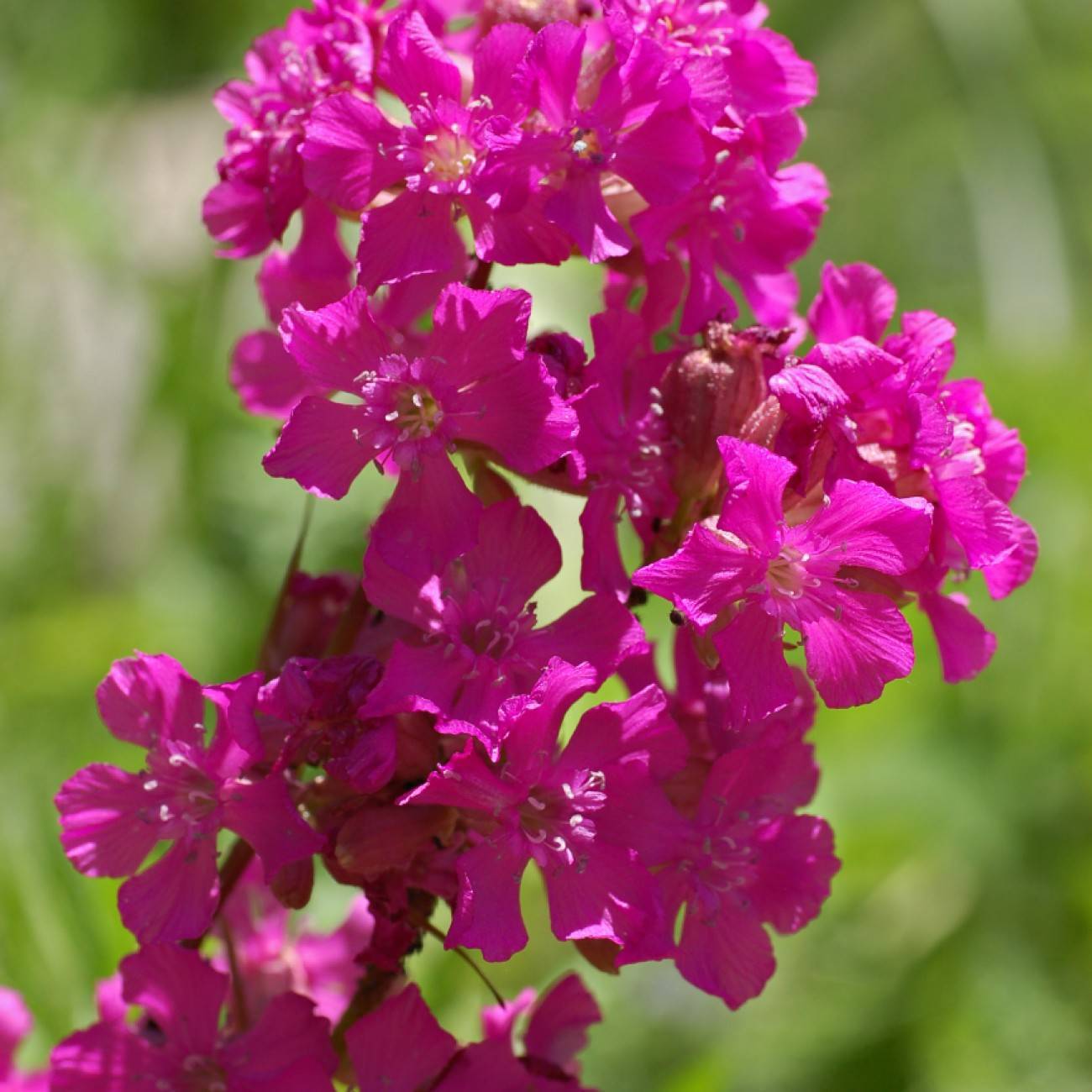
Fountainbush, also called blue pea bush, earns its common name from its gracefully arching, fountain-like growth habit and delicate, pinnate leaves that resemble fern fronds. From late spring to early summer, it produces dense clusters of small, sweetly scented, pea-shaped purple-blue flowers that draw bees, butterflies, and hummingbirds to the garden. It is well-adapted to Mediterranean climates, thriving in sunny, well-drained sites, and is often used as a specimen shrub, erosion control plant, or informal hedge in warm regions.
Care Guide
Watering
Water newly planted fountainbush deeply once or twice a week for the first growing season to help establish a strong root system, reducing frequency once established. Mature plants are highly drought-tolerant, requiring only occasional supplemental water during prolonged dry spells; overwatering or waterlogged soil will quickly lead to root rot. Allow the top several inches of soil to dry out completely between waterings to avoid moisture-related stress.
Light
Fountainbush requires full sun, meaning a minimum of 6 hours of direct, unfiltered sunlight per day, to produce the densest foliage and most abundant flower displays. It can tolerate very light partial shade, but plants grown in shadier conditions will become leggy, produce fewer blooms, and have a weaker, less structured growth habit. Plant it in an open, south-facing location in temperate regions to maximize sun exposure throughout the growing season.
Soil
This shrub adapts to a wide range of soil types, including sandy, loamy, and even poor, rocky soils, as long as the site has excellent drainage; heavy clay soils that hold moisture are unsuitable without significant amendment. It prefers a slightly acidic to neutral soil pH between 6.0 and 7.5, though it can tolerate slightly alkaline conditions as well. As a legume, it fixes nitrogen in the soil, making it well-suited to low-nutrient sites where other plants may struggle to thrive.
Fertilizer
Fountainbush has very low fertilizer requirements, and usually does not need supplemental feeding if planted in average garden soil, thanks to its nitrogen-fixing root nodules. If growth appears stunted or foliage is pale, apply a balanced, slow-release 10-10-10 fertilizer in early spring, at half the recommended rate for ornamental shrubs, to avoid overstimulating weak, leggy growth. Avoid high-nitrogen fertilizers, as these will promote excessive foliage growth at the expense of flower production.
Temperature
Fountainbush thrives in warm, temperate to subtropical climates, with an ideal growing temperature range between 60°F and 85°F (15°C to 29°C). It is hardy to USDA zones 9 through 11, and can tolerate light, short-duration frosts down to 25°F (-4°C), though prolonged freezing temperatures will kill above-ground growth; in cooler zones, it can be grown in a container and overwintered indoors in a bright, cool location. Protect young plants from frost for the first 2 to 3 years by covering them with a frost cloth or moving container-grown specimens indoors during cold snaps.
Pruning
Prune fountainbush lightly in late winter or early spring, before new growth emerges, to remove any dead, damaged, or crossing branches and maintain its graceful fountain-like shape. You can cut back up to one-third of the shrub’s growth each year to encourage denser, bushier foliage and more prolific flowering on new growth. If the plant becomes overgrown or leggy, it can be cut back hard to within 1 to 2 feet of the ground in early spring to rejuvenate growth, as it resprouts readily from the root crown.
Propagation
Fountainbush is most commonly propagated from seed, which should be scarified (nicked or sanded) and soaked in warm water for 24 hours before sowing to break hard seed dormancy and improve germination rates. It can also be propagated from semi-hardwood cuttings taken in late summer, dipped in rooting hormone, and planted in a well-drained rooting medium under high humidity until roots form, usually within 4 to 6 weeks. Rooted cuttings and seedlings should be grown in containers for one full growing season before being transplanted to their permanent outdoor location in spring after all risk of frost has passed.
Humidity
Fountainbush prefers moderate to low humidity levels, and is well-adapted to the dry conditions of Mediterranean and arid climates; it does not tolerate high, prolonged humidity well, which can increase the risk of fungal leaf diseases. If grown in a humid region, ensure the plant has plenty of air circulation around its foliage by spacing it at least 6 feet away from other shrubs and avoiding overcrowding in the garden. Indoor container-grown plants do not require extra humidity, and will thrive in average household humidity levels as long as they receive sufficient light.
Repotting
Container-grown fountainbush should be repotted every 2 to 3 years in early spring, before new growth begins, to refresh the soil and provide extra room for root growth. Choose a pot that is 2 to 3 inches larger in diameter than the current container, with multiple drainage holes to prevent water buildup, and use a well-drained, sandy potting mix formulated for woody ornamental plants. After repotting, water thoroughly and place the container in a bright, sheltered location for 1 to 2 weeks to allow the plant to acclimate to its new pot before resuming normal care.
Uses & Symbolism
Fountainbush is widely used in ornamental landscaping as a specimen shrub, informal hedge, or erosion control plant on slopes, thanks to its deep root system and tolerance of poor, rocky soils. Its nitrogen-fixing roots make it a useful addition to permaculture gardens and habitat restoration projects, as it improves soil fertility while providing food and shelter for pollinators and small birds. In its native South Africa, parts of the plant have been used in traditional medicine to treat a range of minor ailments, and its fibrous stems have been used to make rope and woven goods.
Diseases & Pests
Fountainbush is relatively pest and disease resistant when grown in suitable conditions, but overwatering or poorly drained soil can lead to root rot, a fungal disease that causes yellowing foliage, wilting, and eventual plant death if not corrected. In high-humidity conditions or areas with poor air circulation, it may develop powdery mildew or leaf spot, fungal issues that appear as white powdery patches or brown spots on foliage, and can be treated with fungicidal sprays and improved airflow. Common pests include aphids and spider mites, which suck sap from new growth, leading to distorted leaves and stunted growth; these can be controlled with insecticidal soap or neem oil sprays applied at the first sign of infestation.
Related plants
Other plants you might like if you grow Fountainbush.