Castor Aralia
Kalopanax septemlobus
Overview
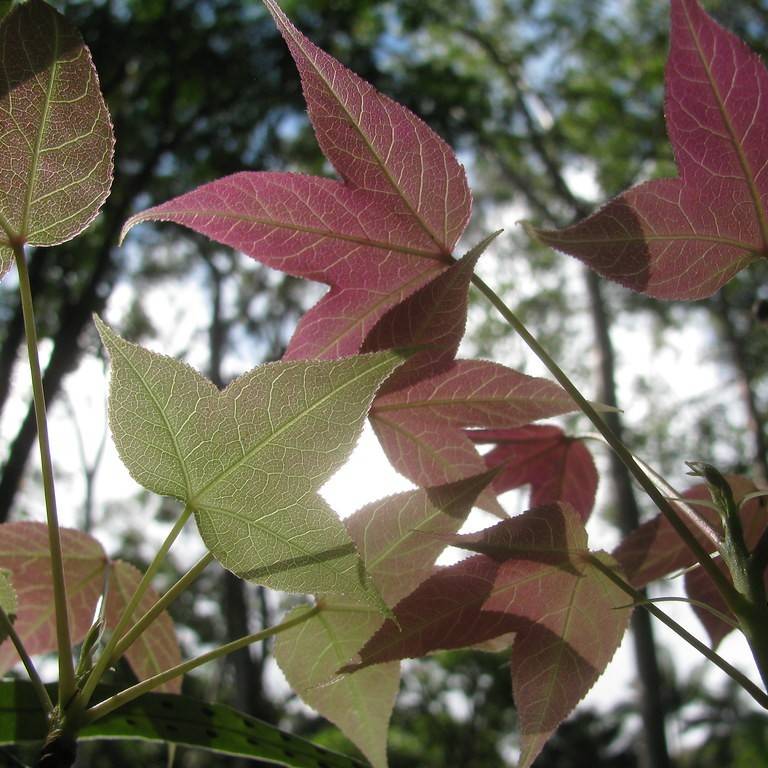
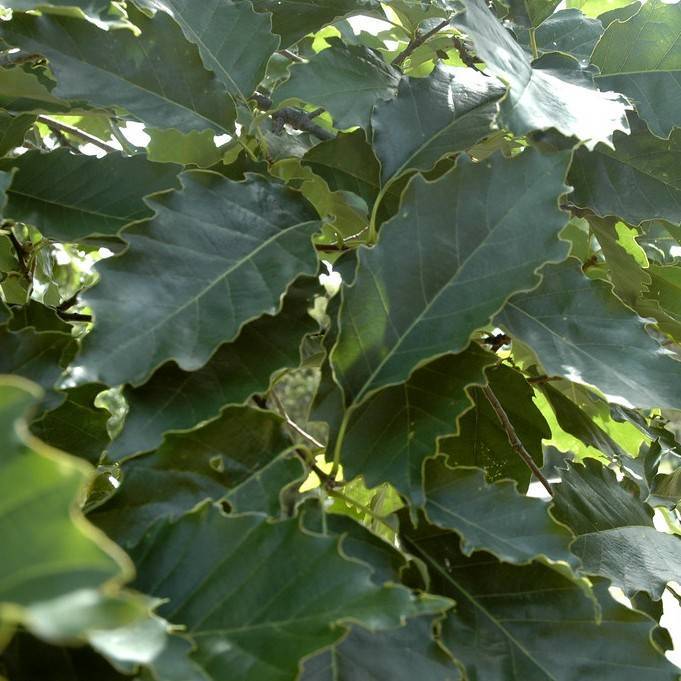
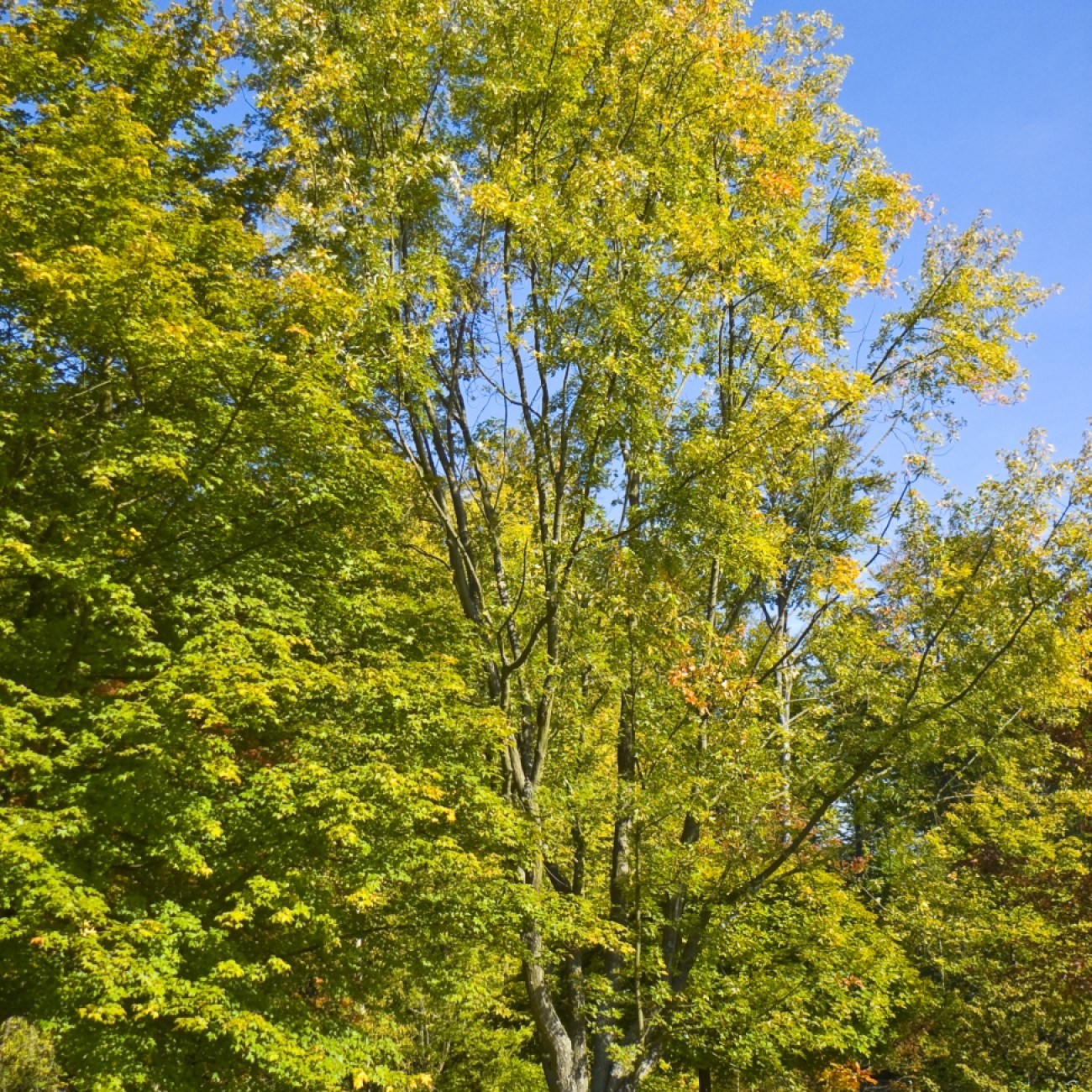
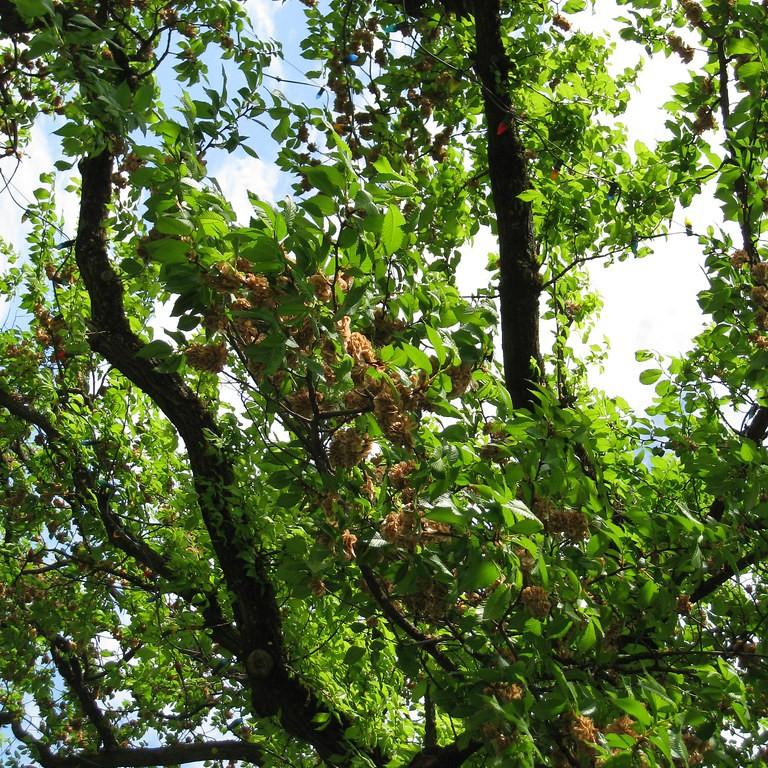
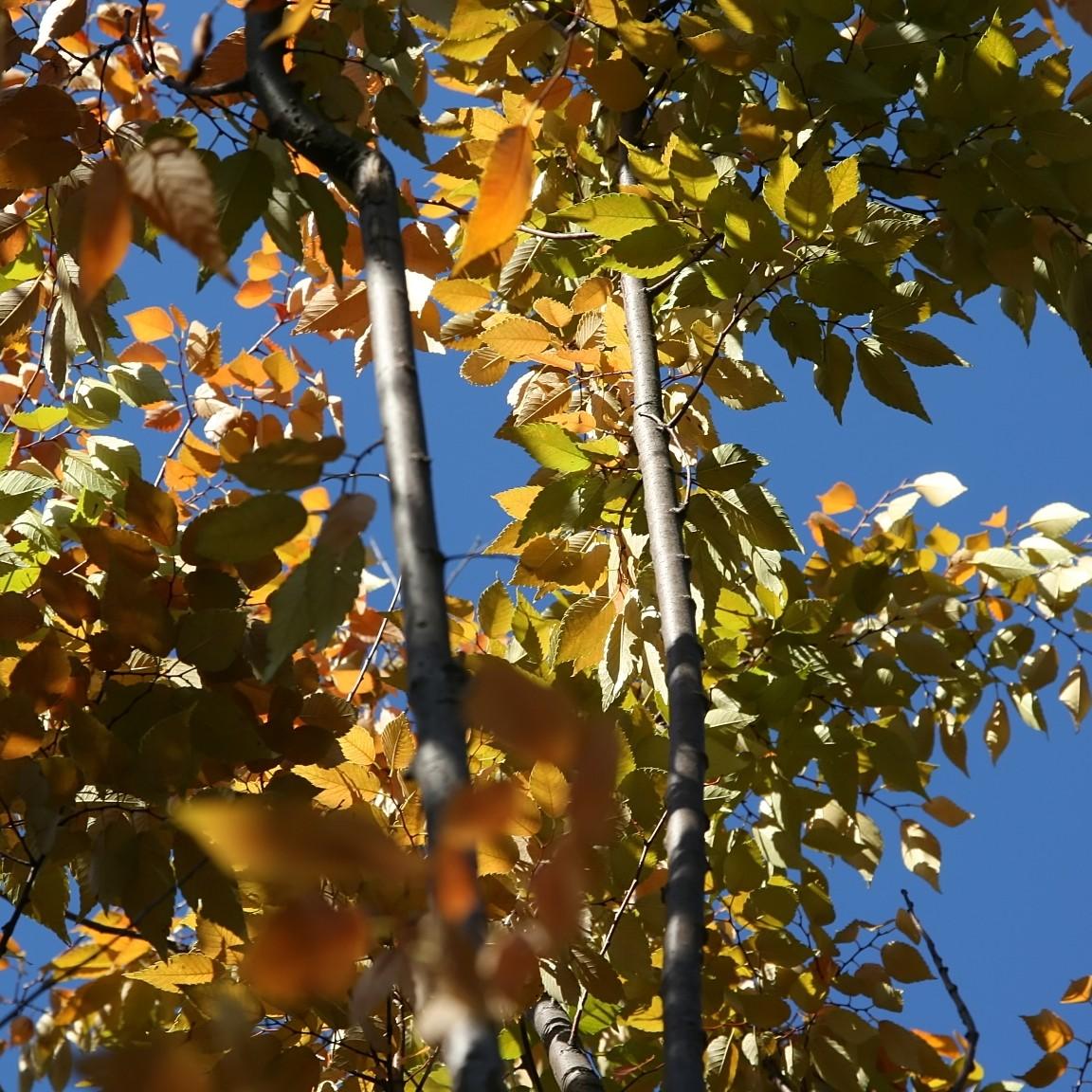
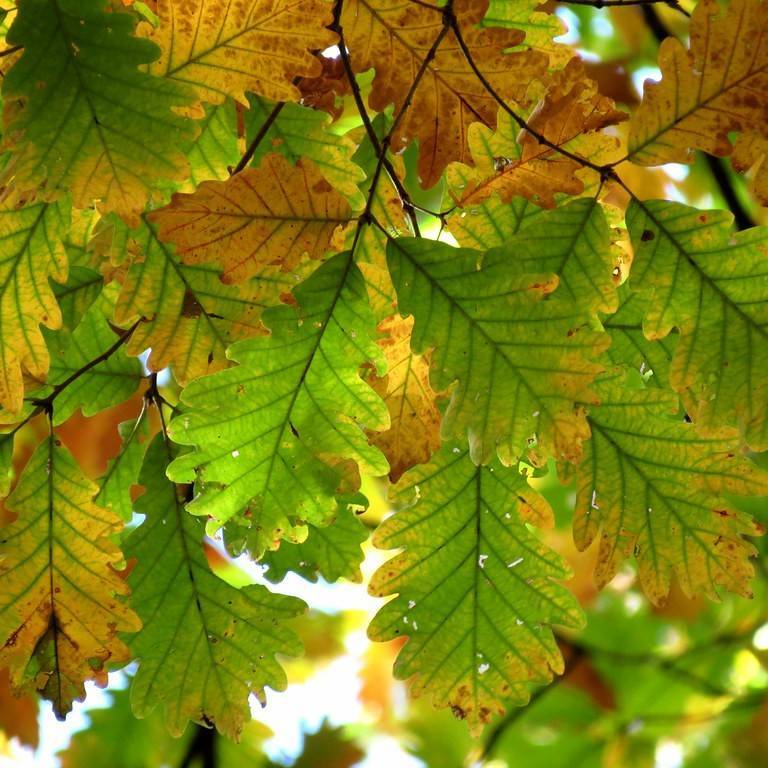
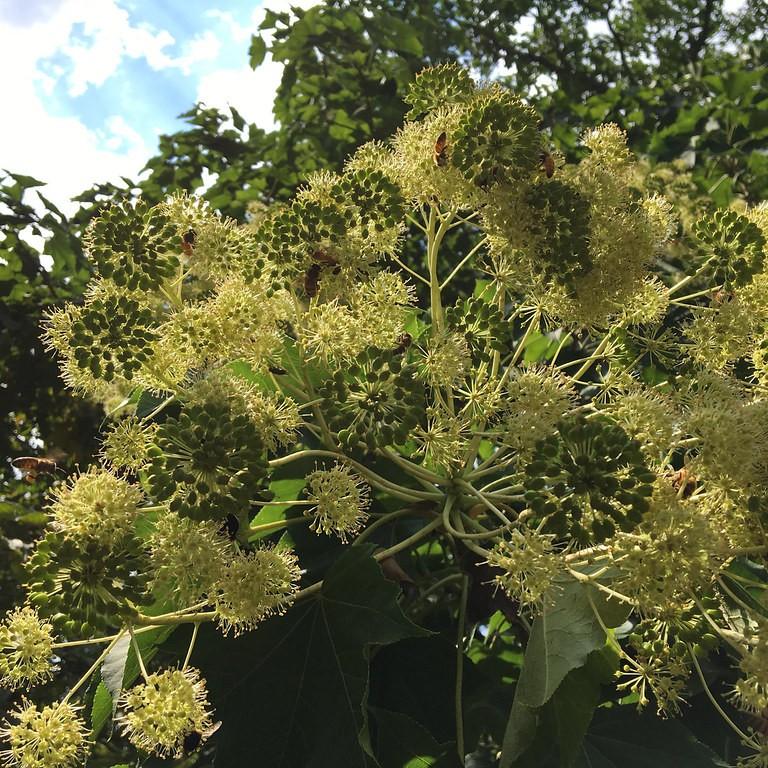
Castor Aralia, the sole species in the Kalopanax genus, is a striking deciduous tree recognized for its large, 5-7 lobed palmate leaves that can span up to 12 inches (30 cm) across, resembling those of the castor bean plant. Young stems and branches are covered in sharp, stout spines that fade as the tree matures, while its mature bark develops a rough, furrowed texture. In late summer, it produces large clusters of small, white flowers that give way to dark blue-black berries in fall, which are attractive to native bird species.
Care Guide
Watering
Water newly planted Castor Aralia regularly for the first 2-3 growing seasons to keep the soil consistently moist but not waterlogged, helping establish a deep, extensive root system. Once established, the tree is moderately drought-tolerant, requiring supplemental watering only during extended periods of hot, dry weather. Avoid overwatering, especially in heavy, poorly draining soils, as this can lead to root rot and fungal stem diseases.
Light
Castor Aralia thrives in full sun, which encourages the most vigorous growth and densest foliage, though it can tolerate partial shade, particularly in regions with intense summer heat. Too much shade will result in sparse, leggy growth and reduced flowering and berry production. When grown as a landscape tree, site it in an open location with unobstructed access to at least 6 hours of direct sunlight daily.
Soil
This adaptable tree grows best in fertile, loamy, well-draining soil with a slightly acidic to neutral pH range of 5.5 to 7.0, though it can tolerate a wide range of soil types including clay, sand, and compacted urban soils. It does not perform well in waterlogged, poorly aerated soils, so amending heavy planting sites with organic matter such as compost or leaf mold prior to planting will improve drainage and root health. Avoid planting in low-lying areas where standing water accumulates after rainfall.
Fertilizer
Apply a balanced, slow-release granular fertilizer with an N-P-K ratio of 10-10-10 in early spring, just before new leaf growth emerges, to support robust foliage and stem development. Avoid fertilizing after mid-summer, as this can stimulate late, tender new growth that is vulnerable to damage from early fall frosts. Mature, well-established trees rarely require regular fertilization if planted in nutrient-rich soil, though a light annual application can benefit trees growing in poor, depleted urban soils.
Temperature
Castor Aralia is cold hardy in USDA zones 5 through 8, tolerating winter temperatures as low as -20°F (-29°C) once fully established. Young saplings may require winter protection such as burlap wrapping or a thick layer of mulch around the root zone for their first 2-3 winters in colder parts of its growing range. It tolerates summer temperatures up to 95°F (35°C) as long as it receives adequate moisture, though extended heatwaves may cause temporary leaf scorch in unshaded sites.
Pruning
Prune Castor Aralia in late winter while the tree is dormant, removing any dead, damaged, or crossing branches to improve air circulation and maintain a strong, balanced structural form. Wear thick protective gloves and clothing when pruning young specimens, as their sharp spines can cause painful puncture wounds. Avoid heavy pruning, as the tree produces vigorous, upright suckers in response to excessive cutting, which can create a messy, unkempt form if left unmanaged.
Propagation
Castor Aralia is most commonly propagated from fresh seed sown in fall immediately after harvesting, as the seeds require a 3-4 month period of cold stratification to germinate successfully. It can also be propagated from root cuttings taken in late winter, or from softwood cuttings taken in early summer and rooted under mist with a rooting hormone. Seed-grown trees typically take 10-15 years to reach flowering maturity, while cutting-grown specimens may flower slightly earlier.
Humidity
This tree adapts well to a wide range of humidity levels, thriving in the moderate humidity of its native East Asian habitats as well as the drier conditions of temperate North American and European landscapes. It tolerates low winter humidity and dry indoor air poorly, so it is rarely grown as a houseplant, even when young. Extended periods of very high humidity combined with poor air circulation can increase the risk of foliar fungal diseases such as leaf spot and powdery mildew.
Repotting
Castor Aralia is rarely grown in containers long-term due to its large mature size, though young saplings can be kept in large, heavy pots for 2-3 years before requiring planting in the landscape. Repot young container-grown specimens in early spring before new growth emerges, using a well-draining potting mix amended with compost to support healthy root development. Once the tree reaches 6-8 feet (1.8-2.4 m) tall, it should be transplanted to a permanent outdoor location to avoid stunting its growth.
Uses & Symbolism
Castor Aralia is widely planted as a specimen shade tree in large landscapes, parks, and public gardens, valued for its unique tropical-looking foliage and relatively low maintenance requirements once established. In its native East Asia, its light, fine-grained wood is used for crafting furniture, musical instruments, and small wooden items, while extracts from its bark and roots have been used in traditional herbal medicine to treat inflammatory conditions and pain. Its fall berries are an important food source for native songbirds and other wildlife, making it a popular addition to native and wildlife-friendly landscape designs.
Diseases & Pests
Castor Aralia is relatively resistant to most pests and diseases, though it can be susceptible to fungal foliar diseases such as anthracnose, leaf spot, and powdery mildew during periods of extended wet, humid weather with poor air circulation. Scale insects and aphids may occasionally infest young, tender new growth, sucking sap from leaves and stems and leaving behind sticky honeydew that can lead to sooty mold growth. Root rot is a common issue in poorly draining, waterlogged soils, which can cause yellowing foliage, wilting, and eventual tree death if not addressed promptly.
Guides that mention Castor Aralia
Related plants
Other plants you might like if you grow Castor Aralia.