Forked Wormwood
Artemisia furcata
Overview
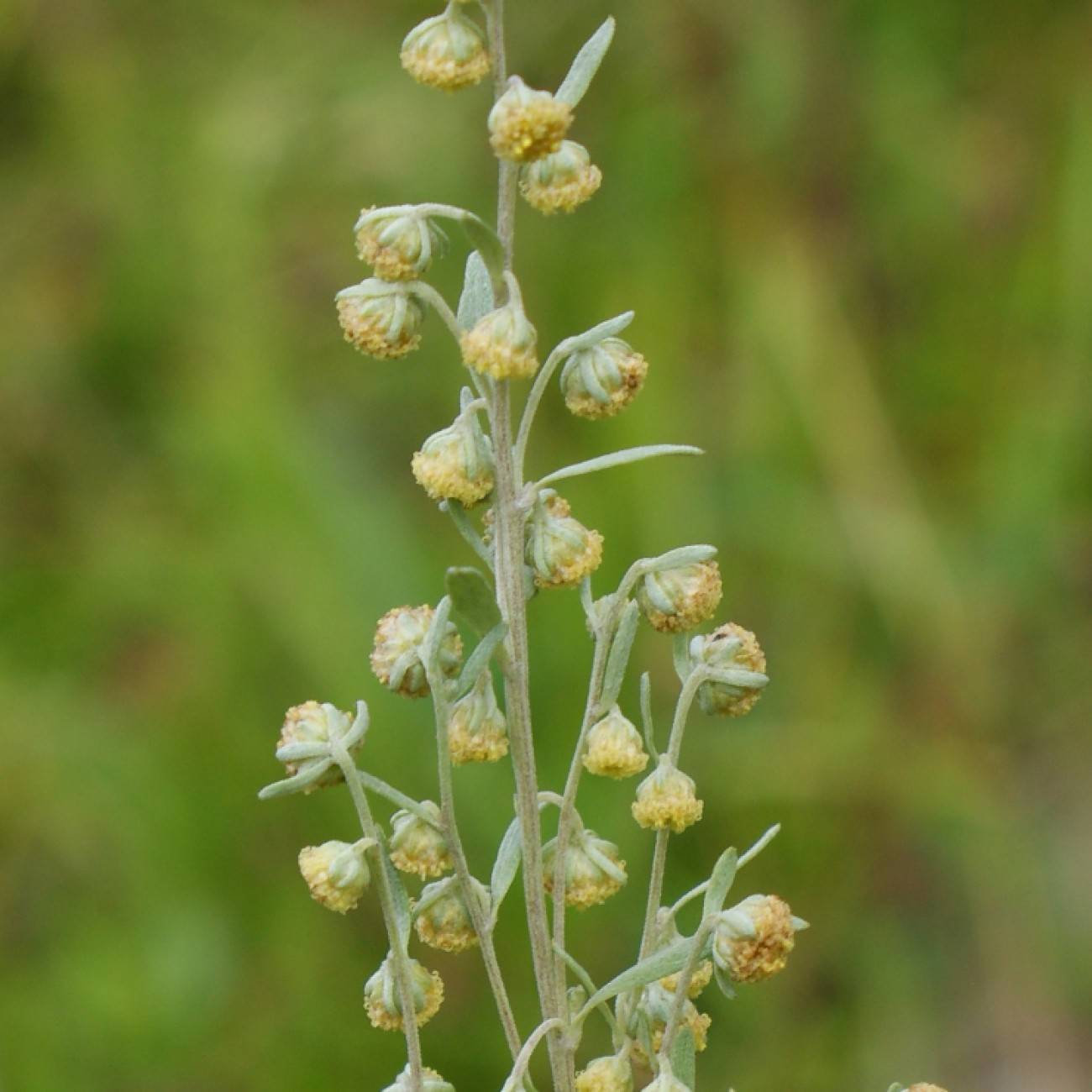
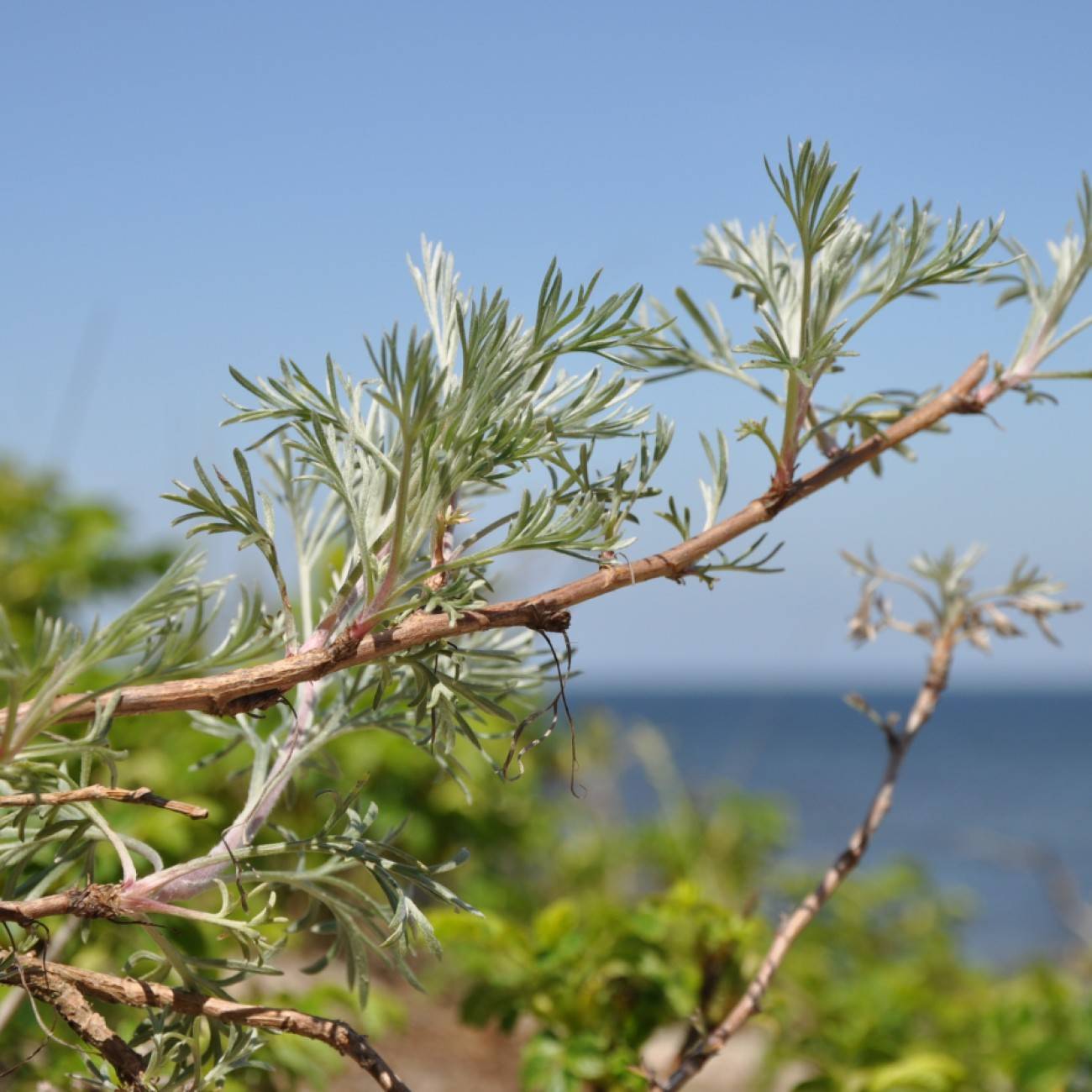
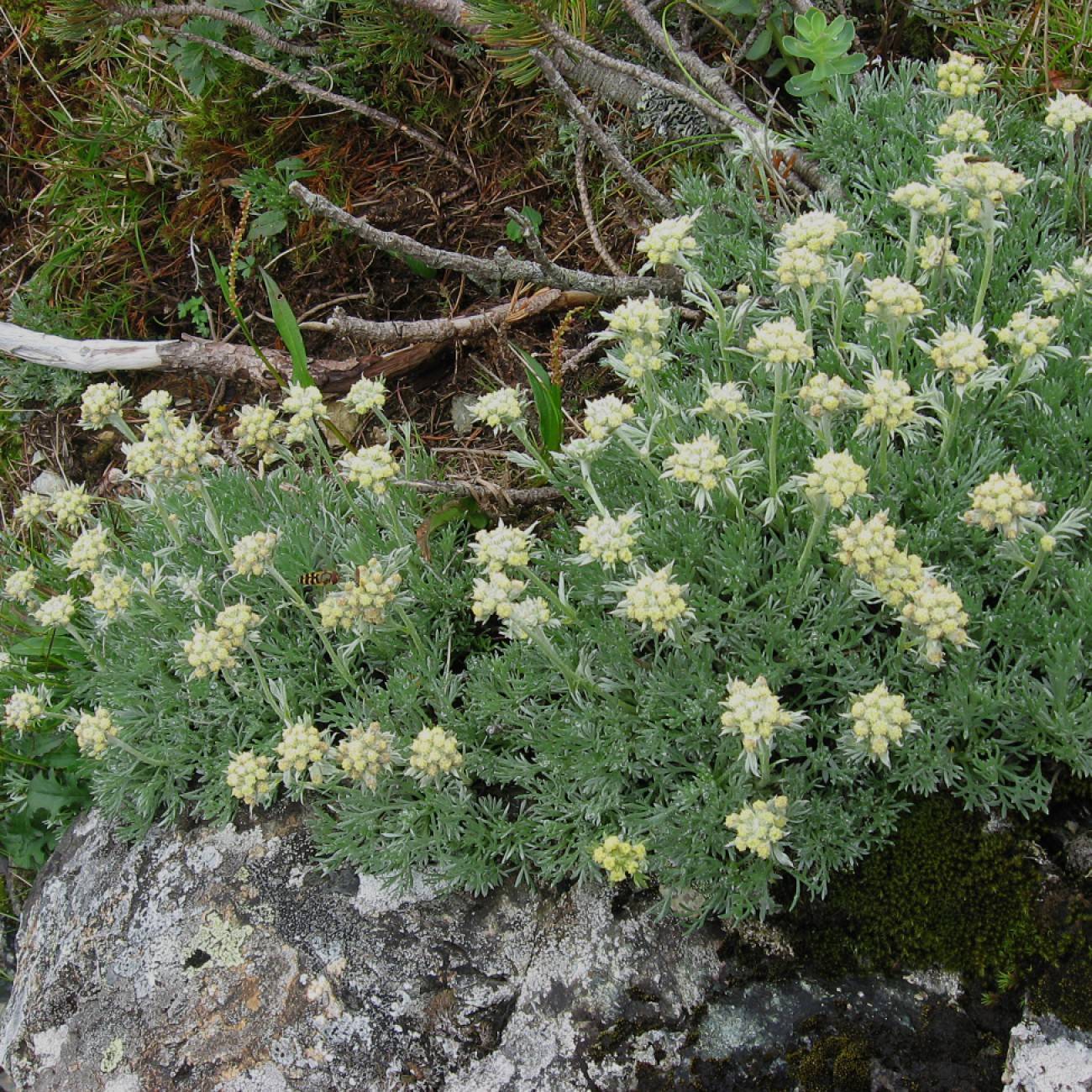
Forked wormwood is a compact, clumping perennial distinguished by its finely divided, silvery-gray foliage covered in soft, fuzzy trichomes, which give it a velvety texture and drought tolerance. It produces small, inconspicuous yellowish flower heads on upright stems in late summer, though it is primarily grown for its attractive, aromatic foliage. Adapted to harsh, high-altitude environments, it thrives in poor, dry soils and is highly resistant to cold and wind stress.
Care Guide
Watering
Water forked wormwood only when the top 2 to 3 inches of soil are completely dry, as overwatering is the most common cause of root rot. Reduce watering frequency significantly in winter, when the plant is semi-dormant, to avoid saturating the root zone. It is exceptionally drought-tolerant once established, and can survive long periods without supplemental irrigation in outdoor settings.
Light
Forked wormwood requires full sun, a minimum of 6 hours of direct sunlight daily, to maintain its compact growth habit and vibrant silvery foliage color. If grown indoors, place it in a south-facing window or under supplemental grow lights to prevent leggy, weak growth. Too much shade will cause the plant to lose its dense form and develop pale, dull leaves.
Soil
Plant in well-draining, sandy or gravelly soil with a neutral to slightly alkaline pH, ideally amended with perlite or coarse sand to improve drainage if using standard potting mix. It tolerates very poor, low-nutrient soils, and will struggle in heavy, clay-rich soils that retain moisture for extended periods. For container growth, use a cactus or succulent potting mix to ensure proper drainage.
Fertilizer
Forked wormwood has very low nutrient requirements, and generally does not need regular fertilization to thrive. If grown in extremely poor soil, apply a diluted, balanced all-purpose fertilizer once at the start of the growing season in early spring. Avoid over-fertilizing, as excess nitrogen will cause rapid, leggy growth and reduce the intensity of the foliage’s silvery color.
Temperature
It is extremely cold-hardy, tolerating winter temperatures as low as -40°F (-40°C) in its native mountain habitats, making it suitable for USDA hardiness zones 3 through 8. It prefers cool to moderate summer temperatures between 60 and 75°F (15 to 24°C), and can tolerate short periods of heat above 90°F (32°C) if provided with adequate drainage and low humidity. High heat combined with high humidity increases the risk of fungal disease.
Pruning
Prune forked wormwood in early spring before new growth emerges, cutting back any dead or damaged stems to maintain its compact, clumping shape. You can trim back up to one-third of the plant’s foliage mid-season if it becomes leggy or untidy, which will encourage bushier new growth. Deadhead spent flower stalks after blooming if you do not want the plant to self-seed in your garden.
Propagation
Forked wormwood is most easily propagated by root division in early spring, when you can separate mature clumps into smaller sections with intact roots and replant them immediately. It can also be grown from stem cuttings taken in late spring or early summer, rooted in well-draining sandy soil with minimal moisture. Seed propagation is possible but less common, as seeds require a 30-day cold stratification period to germinate successfully.
Humidity
It prefers low to moderate humidity levels between 30 and 50%, and is well-adapted to the dry air of high-altitude and semi-arid regions. High humidity above 60% increases the risk of fungal leaf spots and root rot, so ensure good air circulation around the plant if grown in humid climates. Indoor plants do not require misting, and should be kept away from humid locations like bathrooms or kitchen sinks.
Repotting
Container-grown forked wormwood only needs repotting every 2 to 3 years, when it becomes root-bound and roots emerge from the drainage holes of the pot. Repot in early spring, using a slightly larger container with fresh, well-draining cactus or succulent mix, and take care not to damage the delicate root system during the process. Avoid overpotting, as excess soil will retain unnecessary moisture and increase the risk of root rot.
Uses & Symbolism
Forked wormwood is commonly used as an ornamental edging plant in rock gardens, xeriscapes, and dry border plantings, where its silvery foliage provides a striking contrast to green-leaved flowering plants. It has a long history of use in traditional Central Asian and Siberian medicine, where it is prepared as an infusion to treat digestive issues, parasitic infections, and respiratory ailments. Its aromatic foliage is also sometimes dried and used in sachets to repel moths and other household pests.
Diseases & Pests
Forked wormwood is highly resistant to most pests and diseases, though overwatering and high humidity can lead to fungal issues like powdery mildew and root rot. Aphids and spider mites may occasionally infest stressed plants, particularly those grown in too much shade or with insufficient air circulation. It is also deer and rabbit resistant, as the bitter, aromatic foliage deters most herbivores from feeding on it.
Related plants
Other plants you might like if you grow Forked Wormwood.