Beach Wormwood
Artemisia stelleriana
Overview
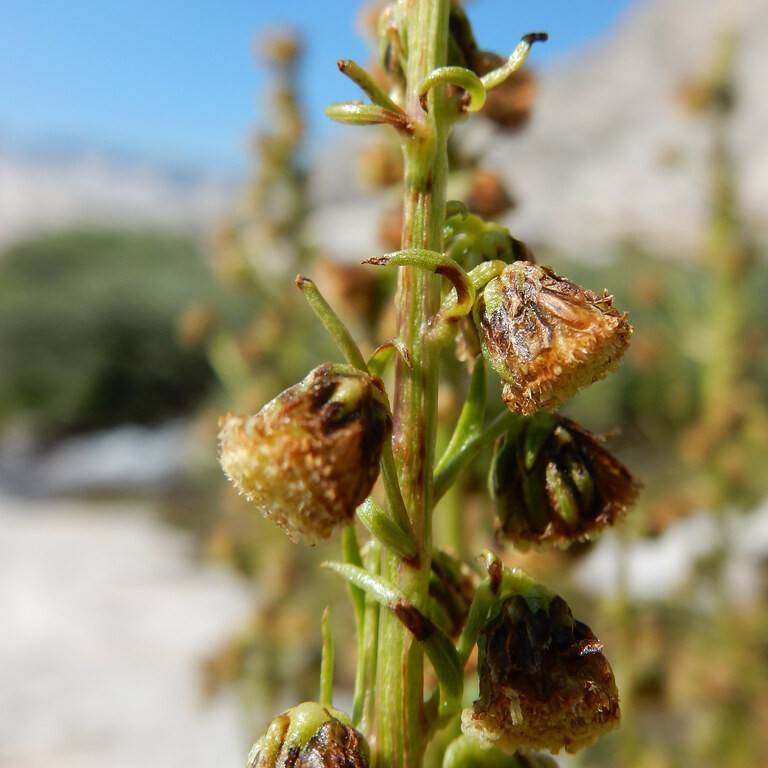
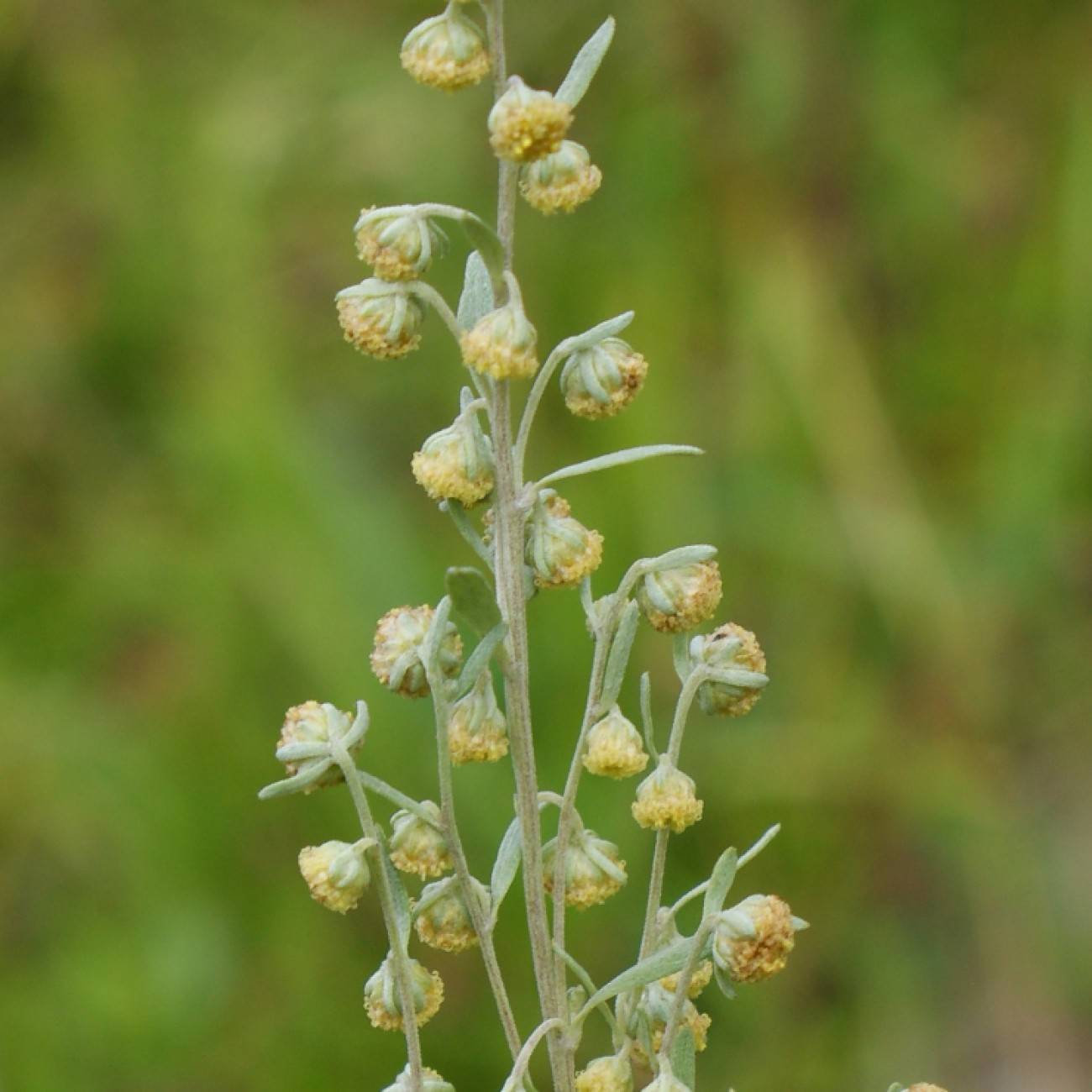
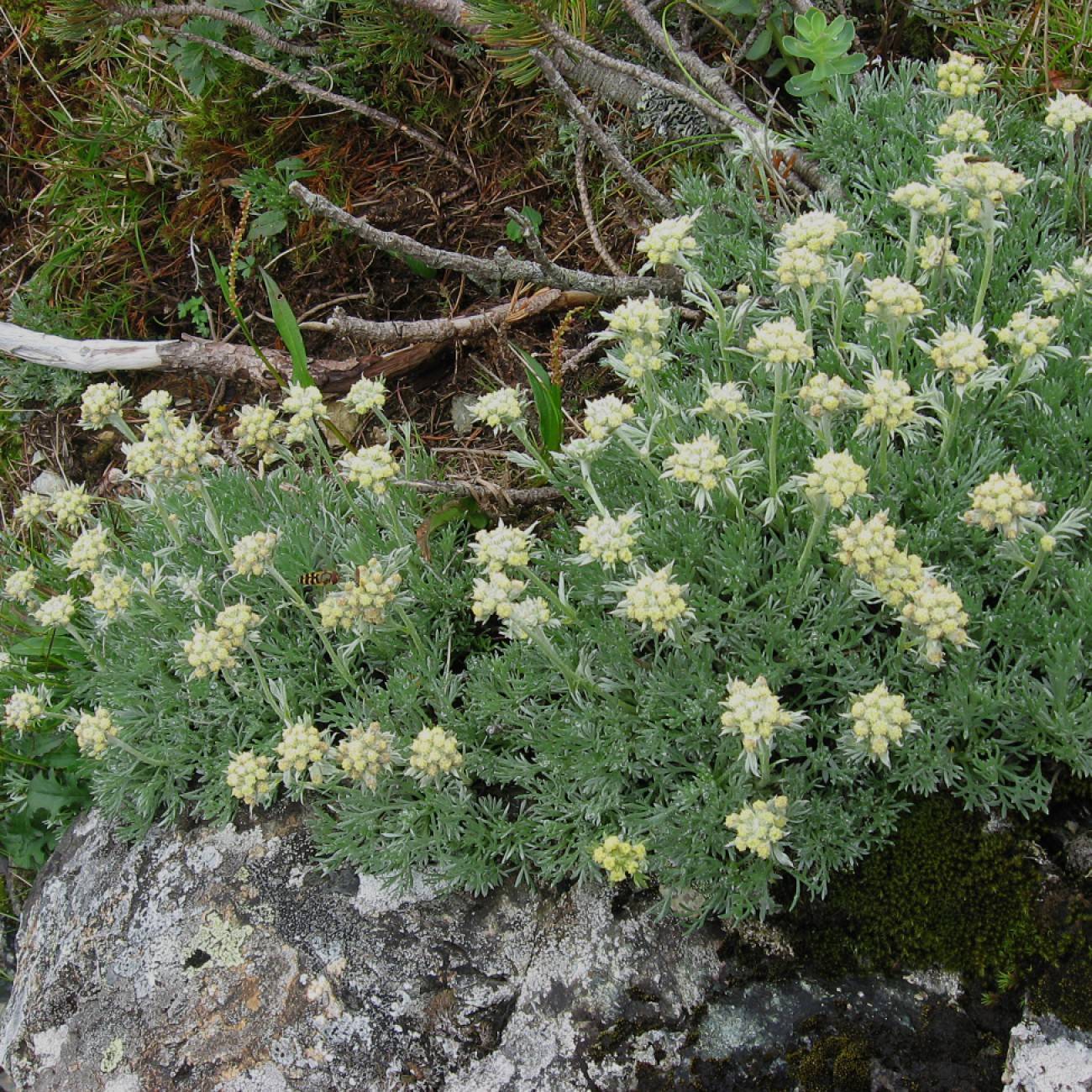
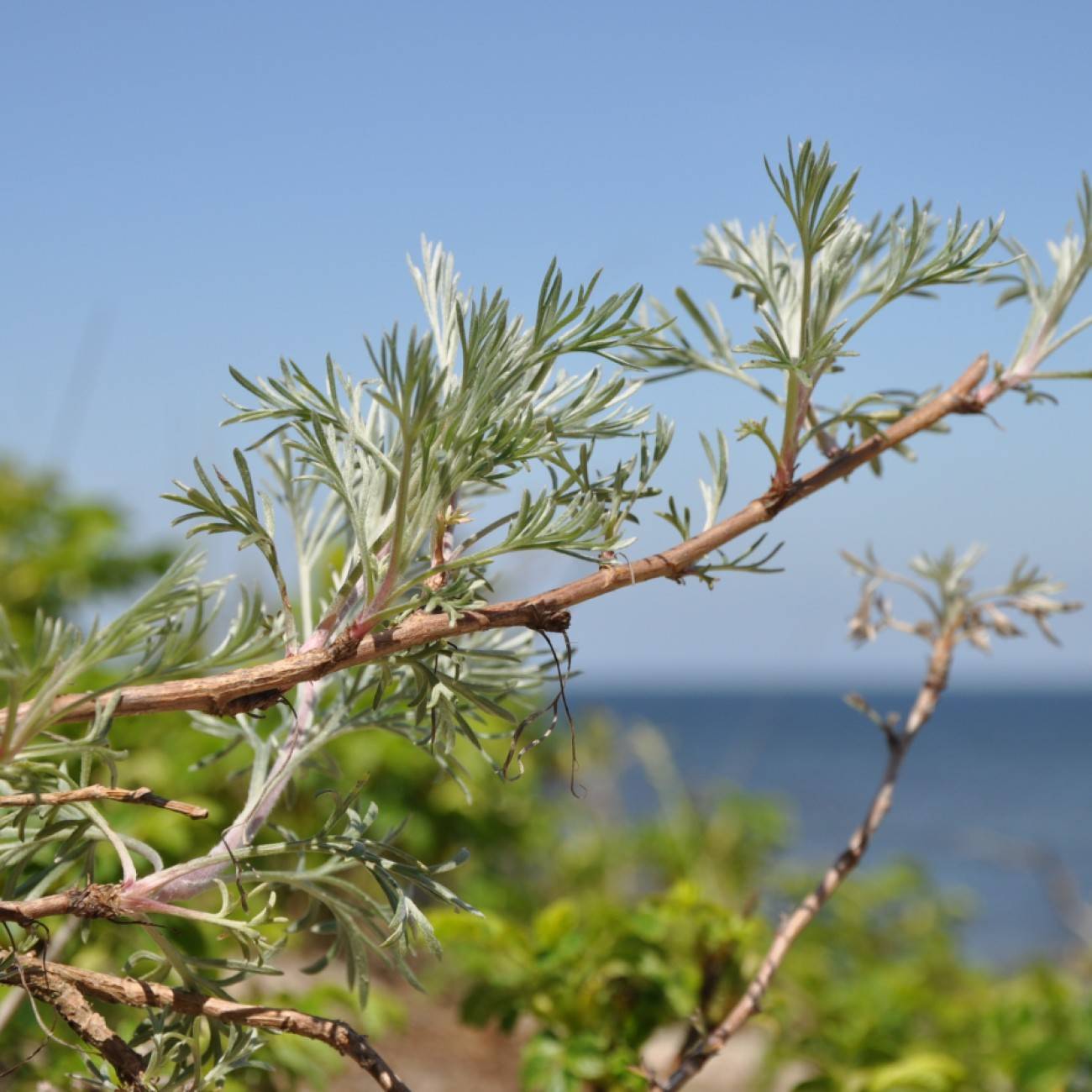
Beach wormwood, also known as dusty miller or old woman, is a hardy herbaceous perennial adapted to harsh coastal dune environments, recognized for its dense, fuzzy, silvery-gray lobed leaves that release a distinct camphor-like aroma when crushed. It produces small, inconspicuous yellowish flower heads in late summer, though it is primarily grown for its striking foliage that provides year-round visual contrast in gardens. This species is highly salt-tolerant and thrives in poor, dry soils, making it a popular choice for xeriscaping, coastal plantings, and rock gardens.
Care Guide
Watering
Beach wormwood is extremely drought-tolerant once established, requiring only occasional watering during extended periods of no rainfall; overwatering is the most common cause of decline, as it leads to root rot. Allow the top several inches of soil to dry out completely between waterings, and reduce irrigation to almost zero during the winter dormant period.
Light
This plant requires full, direct sunlight for at least 6 hours per day to maintain its dense, compact growth habit and vibrant silver foliage color. It will become leggy, lose its silvery hue, and be more prone to disease if grown in partial or full shade.
Soil
Beach wormwood prefers well-drained, sandy, or gravelly soils with a neutral to slightly alkaline pH, and it tolerates very poor, low-nutrient soils that would stress most other plants. It cannot tolerate heavy, clay soils or sites that retain standing water; amend heavy soils with coarse sand or gravel to improve drainage before planting.
Fertilizer
This species rarely requires fertilization, as it is adapted to low-nutrient coastal soils; excessive fertilizer will cause leggy, weak growth and reduce foliage color intensity. If grown in extremely poor soil, a single light application of balanced, slow-release fertilizer in early spring is sufficient to support healthy growth.
Temperature
Beach wormwood is cold-hardy in USDA zones 3 through 9, tolerating winter temperatures as low as -40°F (-40°C) and high summer temperatures up to 100°F (38°C) as long as drainage is adequate. It thrives in coastal conditions where it is exposed to wind, salt spray, and extreme temperature fluctuations that damage less hardy plants.
Pruning
Prune back dead or damaged foliage in early spring before new growth emerges to encourage a dense, bushy habit. You can shear back plants by up to one-third in mid-summer if they become leggy or untidy, which will stimulate fresh, compact silver foliage growth.
Propagation
Beach wormwood is most easily propagated by division in early spring or fall, splitting established clumps into smaller sections with intact roots and replanting immediately in well-drained soil. It can also be grown from stem cuttings taken in late spring or early summer, rooted in sandy, moist potting mix under bright indirect light, or from seed sown directly outdoors in fall or early spring.
Humidity
This plant prefers low to moderate humidity levels, and it is highly tolerant of the dry, salty air common in coastal environments. High humidity combined with poor air circulation can lead to powdery mildew and fungal leaf spot, so space plants adequately to ensure good airflow around foliage.
Repotting
If grown in containers, beach wormwood only needs repotting every 2 to 3 years, when roots begin to emerge from the drainage holes. Use a fast-draining cactus or succulent potting mix, and select a pot with ample drainage holes to prevent waterlogged soil; avoid overpotting, as excess soil will hold unnecessary moisture that can rot roots.
Uses & Symbolism
Beach wormwood is widely used in coastal landscaping for erosion control on dunes and sandy slopes, as its spreading root system stabilizes loose soil while its foliage tolerates salt spray and harsh winds. It is a popular ornamental choice for rock gardens, xeriscapes, border edges, and container plantings, where its silvery foliage provides striking contrast against green-leaved plants and bright flowering specimens. Historically, Indigenous communities used small quantities of the dried foliage for medicinal purposes and as a natural insect repellent, though it is not recommended for internal use due to its toxic compounds.
Diseases & Pests
Beach wormwood is largely pest-resistant, with aphids and spider mites occasionally infesting stressed plants, especially when grown in overly warm, dry indoor conditions or poor air flow. Fungal diseases including powdery mildew, root rot, and leaf spot are the most common issues, almost always caused by overwatering, poor drainage, or excessive humidity around the foliage. Deer and rabbits typically avoid eating this plant due to its strong aromatic foliage and bitter taste, making it a good choice for wildlife-prone areas.
Related plants
Other plants you might like if you grow Beach Wormwood.