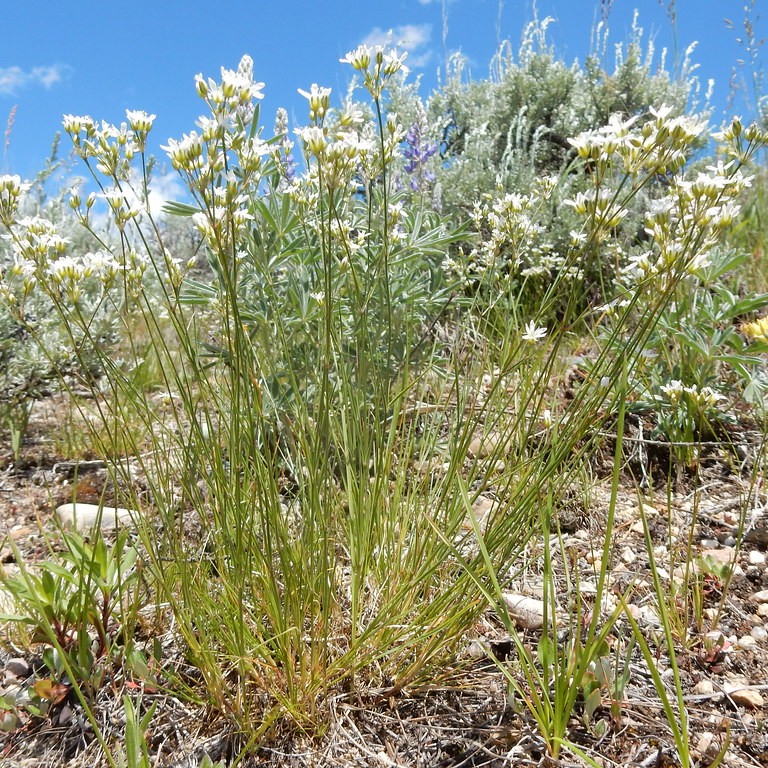
Idaho Fescue
Festuca idahoensis
Overview
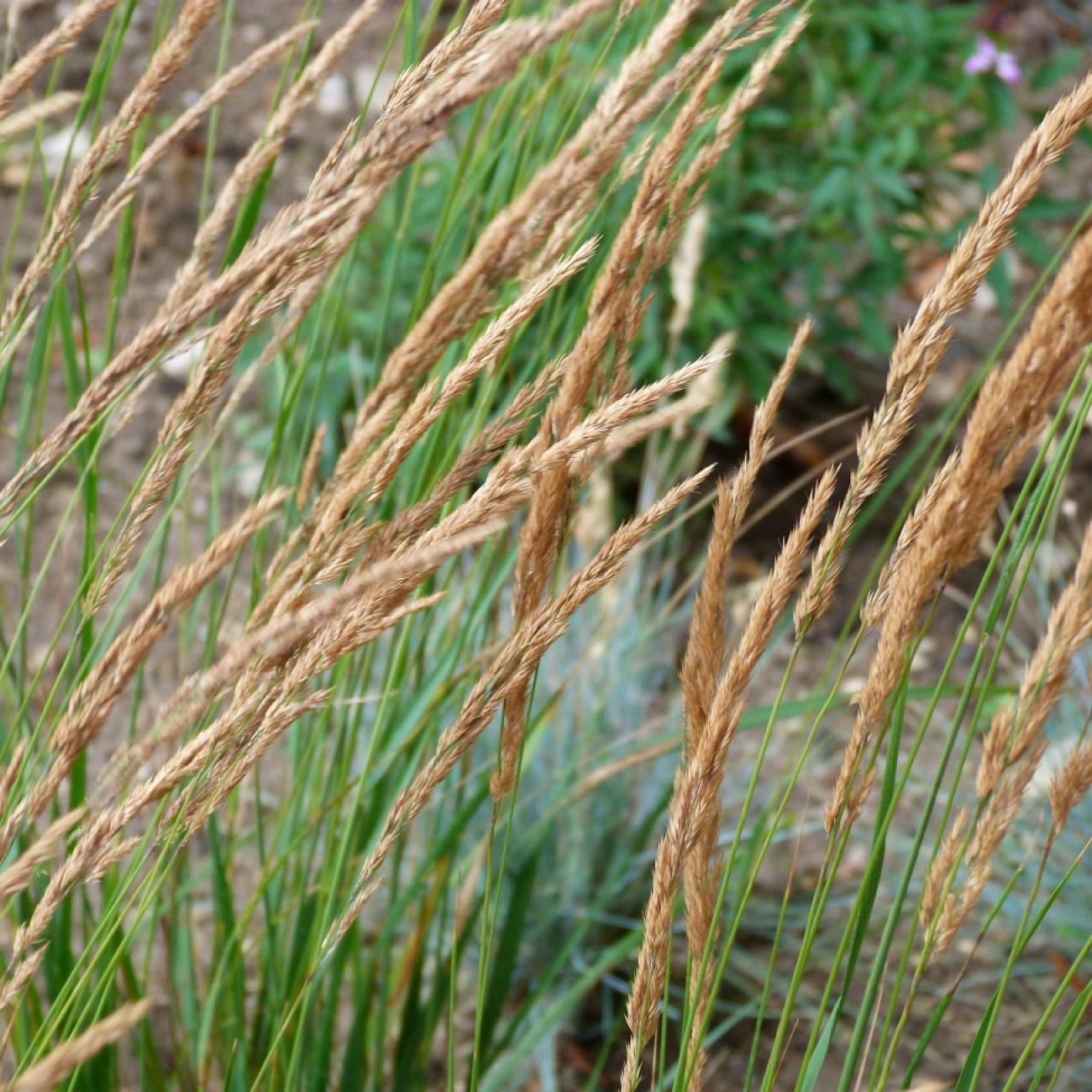
Idaho Fescue is a tufted, cool-season perennial grass that forms dense, fine-textured mounds of blue-green to silvery foliage. It thrives in dry, open habitats including prairies, sagebrush steppes, and rocky slopes, and is well-adapted to the variable climates of its native western North American range. It produces slender, erect flowering stems in late spring to early summer, bearing delicate, airy seed heads that sway attractively in light wind. This hardy grass is known for its deep root system, which makes it highly drought-tolerant once established and effective for erosion control.
Care Guide
Watering
Water newly planted Idaho Fescue regularly for the first 1 to 2 growing seasons to help establish a deep, robust root system. Once established, it is extremely drought-tolerant, requiring only occasional supplemental water during prolonged, severe dry spells; overwatering can lead to root rot and weak growth. Avoid watering in late fall to prevent excess moisture around the crown as the plant enters dormancy.
Light
Idaho Fescue grows best in full sun, receiving a minimum of 6 hours of direct sunlight daily for optimal foliage color and clump density. It can tolerate very light partial shade, but too much shade will cause the clumps to become sparse, floppy, and lose their characteristic compact, upright form. In hotter, southern parts of its range, it can benefit from light afternoon shade to prevent leaf scorch during extreme summer heat.
Soil
This grass prefers well-drained, sandy, loamy, or rocky soils with a neutral to slightly acidic pH, though it is adaptable to a wide range of soil types including poor, low-nutrient soils. It will not tolerate heavy, waterlogged clay soils that hold excess moisture around the root zone, as this can quickly cause fatal root rot. Amending heavy soils with gravel or organic matter prior to planting can improve drainage enough to support healthy growth.
Fertilizer
Idaho Fescue is adapted to low-nutrient soils and rarely requires regular fertilization, as excess nutrients can lead to lush, weak growth that is prone to flopping and pest issues. If planted in extremely poor, infertile soil, a light application of a balanced, slow-release fertilizer in early spring can support healthy growth without overstimulating the plant. Avoid high-nitrogen fertilizers entirely, as they will disrupt the plant's natural compact form and reduce its drought tolerance.
Temperature
It is highly cold-hardy, thriving in USDA zones 4 through 10, and can tolerate winter temperatures as low as -30°F (-34°C) without damage. It is a cool-season grass, so its most active growth occurs during the cooler spring and fall months, and it may go partially dormant during extended periods of extreme summer heat. It can tolerate mild, short-duration heat waves if provided with occasional deep watering, but prolonged high temperatures above 100°F (38°C) may cause temporary browning of leaf tips.
Pruning
Prune Idaho Fescue in late winter or very early spring, before new growth emerges, by cutting back the entire clump to 2 to 3 inches above the soil line to remove dead foliage and make way for fresh, new growth. Avoid cutting back the clump after new growth has started in spring, as this can damage the emerging blades and stunt the plant's growth for the season. Spent flower stalks can be trimmed back in late summer if desired for a neater appearance, but leaving them in place provides food for seed-eating birds and adds winter interest to the landscape.
Propagation
Idaho Fescue is most commonly propagated by seed, which can be sown directly outdoors in fall (for natural stratification over winter) or in early spring after the last frost date. It can also be propagated by division in early spring or late fall, when the plant is not actively growing: dig up mature clumps, separate them into smaller sections with a sharp knife, and replant the sections at the same depth they were originally growing, watering thoroughly to settle the soil around the roots. Seed-grown plants will typically reach mature size in 2 to 3 growing seasons, while divisions will establish and fill out much faster, often reaching full size in a single season.
Humidity
This grass is adapted to the dry to moderate humidity levels common in its native western North American range, and does not require any supplemental humidity to thrive. It can tolerate occasional short periods of high humidity, but prolonged humid conditions combined with poor air circulation and wet soil can increase the risk of fungal leaf spot and root rot. To reduce humidity-related issues, plant Idaho Fescue in areas with good air flow and avoid overcrowding with other dense plants.
Repotting
Idaho Fescue is rarely grown in containers, as it has a deep, extensive root system that performs best when planted directly in the ground. If grown in a pot, repot every 2 to 3 years in early spring before new growth emerges, moving it to a container one size larger with well-drained, sandy potting mix amended with perlite or gravel for extra drainage. When repotting, gently loosen any tangled roots at the base of the clump to encourage healthy outward growth, and water thoroughly after planting to reduce transplant shock.
Uses & Symbolism
Idaho Fescue is widely used in water-wise, native, and xeriscape landscaping as an ornamental grass, where its fine-textured silvery-blue foliage adds softness and year-round interest to rock gardens, borders, and meadow plantings. It is also a key species for ecological restoration projects, used to stabilize eroding slopes, reestablish native prairie habitats, and provide food and cover for a wide range of native wildlife including pollinators, small mammals, and seed-eating birds. It is a valuable forage grass for livestock and wild ungulates such as elk and deer, as it is highly palatable and nutritious during its cool-season active growth periods.
Diseases & Pests
Idaho Fescue is relatively resistant to most pests and diseases, but it can develop fungal issues such as leaf spot, rust, and root rot if grown in poorly drained soil or overwatered for extended periods. Aphids and spider mites may occasionally infest stressed plants, especially those growing in too much shade or receiving excess fertilizer; these can be controlled with a strong spray of water or insecticidal soap if infestations become severe. In areas with high vole populations, the grass's dense clumps can provide cover for the rodents, which may gnaw on the crowns of the plants during winter, causing dieback or death of the clump.
Related plants
Other plants you might like if you grow Idaho Fescue.
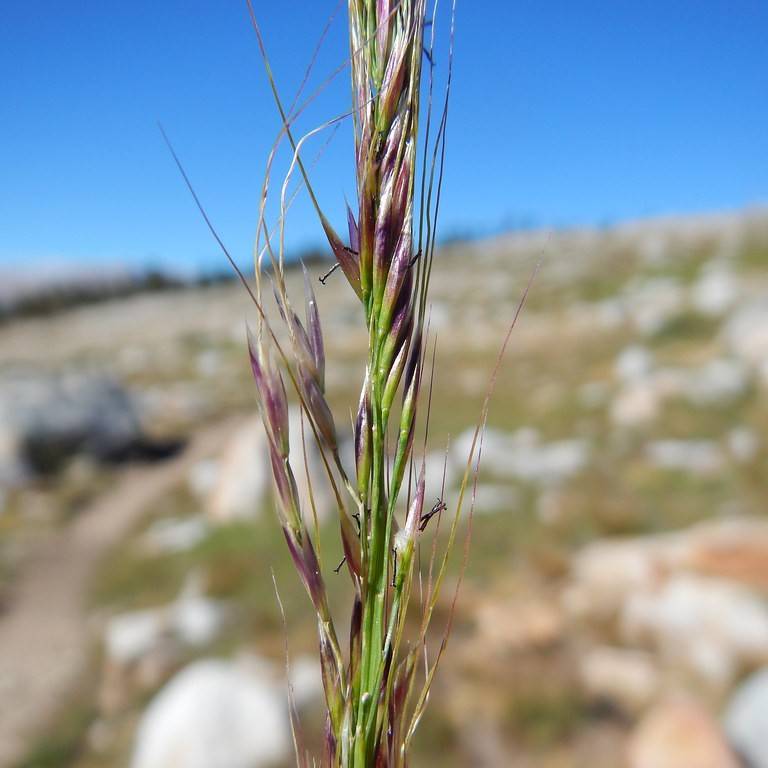
California Needlegrass
Nassella pulchra
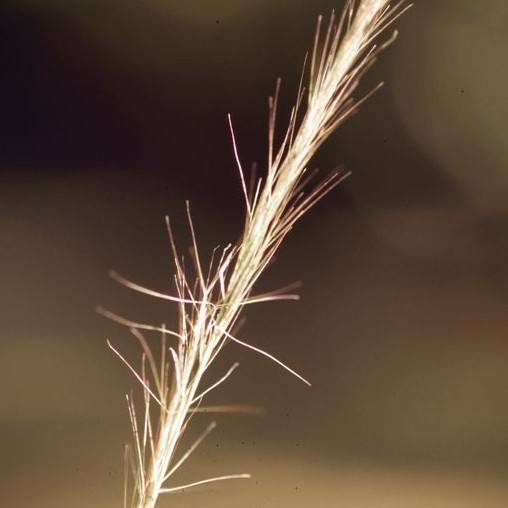
Arrowfeather Three Awn
Aristida purpurascens
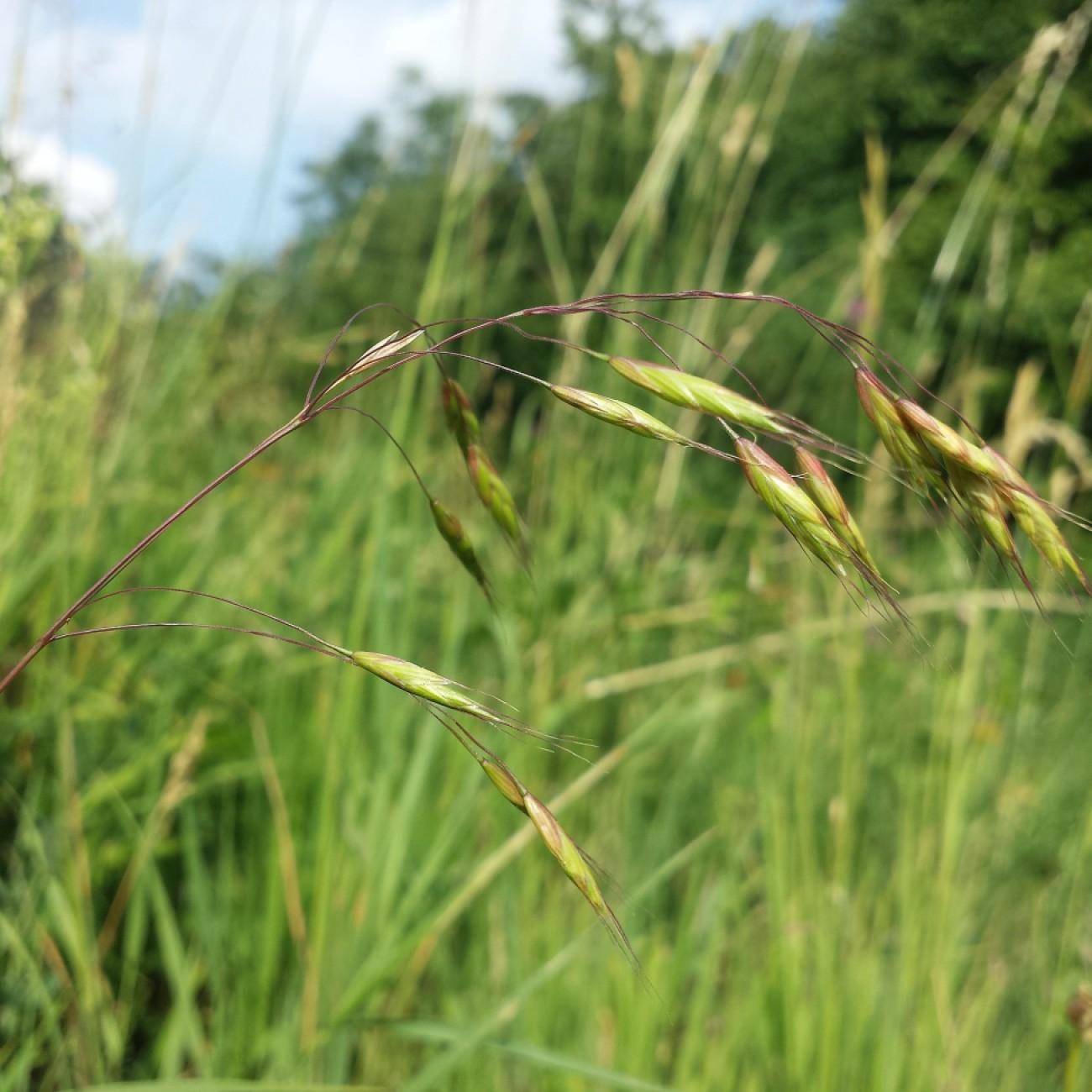
California Brome
Bromus carinatus
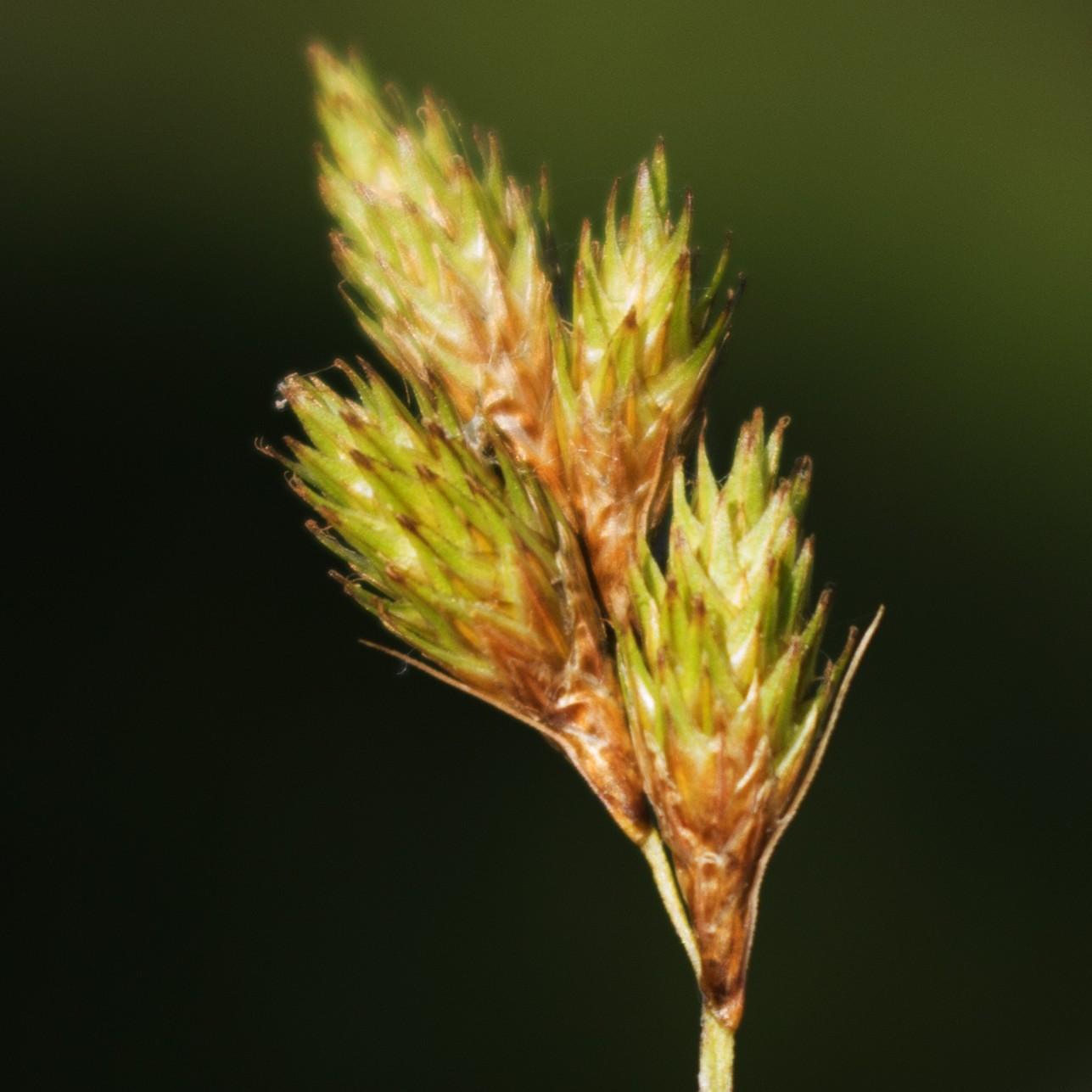
Broom Sedge
Andropogon virginicus
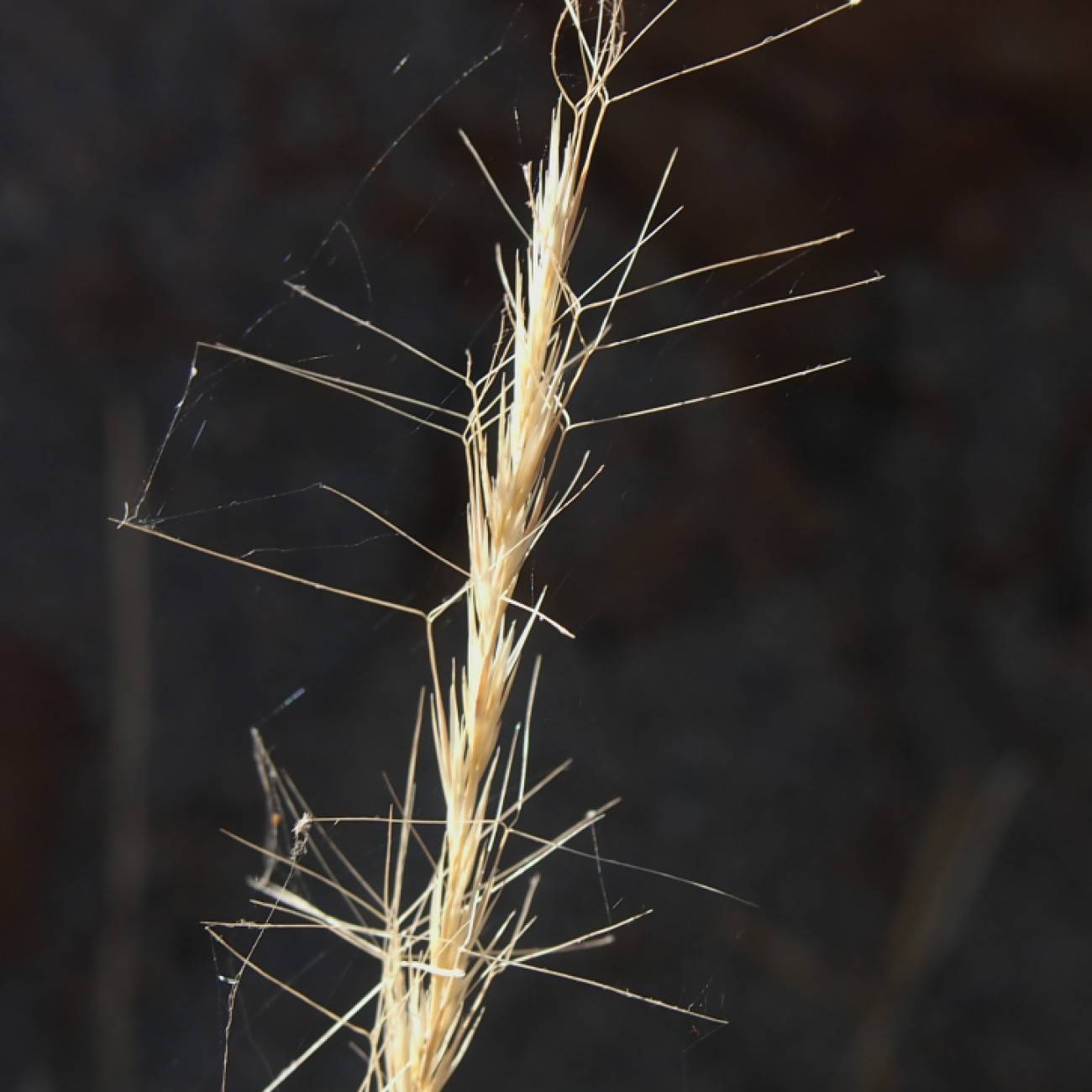
Forked Three Awned Grass
Aristida dichotoma
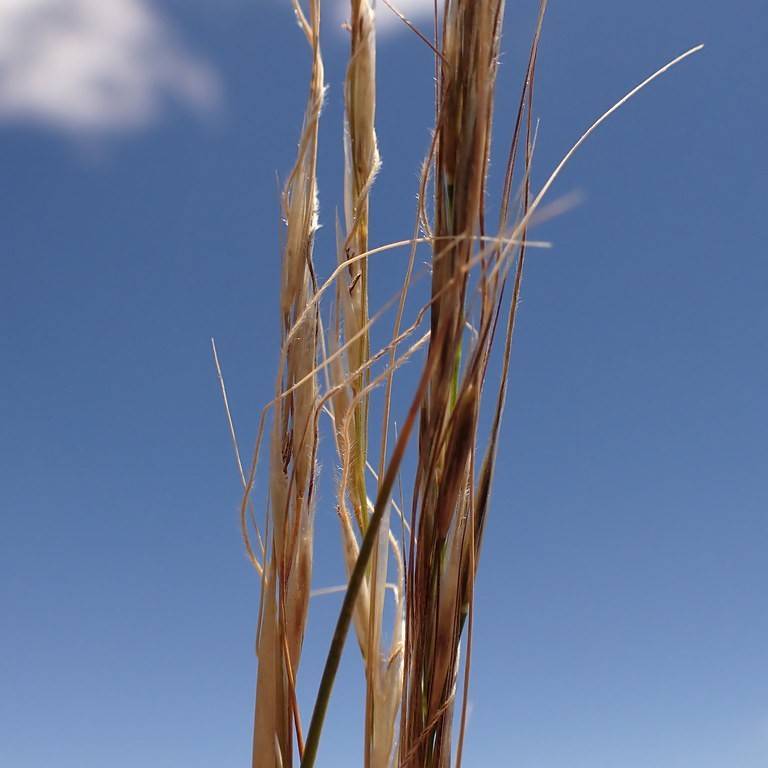
Common Western Needlegrass
Eriocoma occidentalis (formerly Achnatherum occidentale)
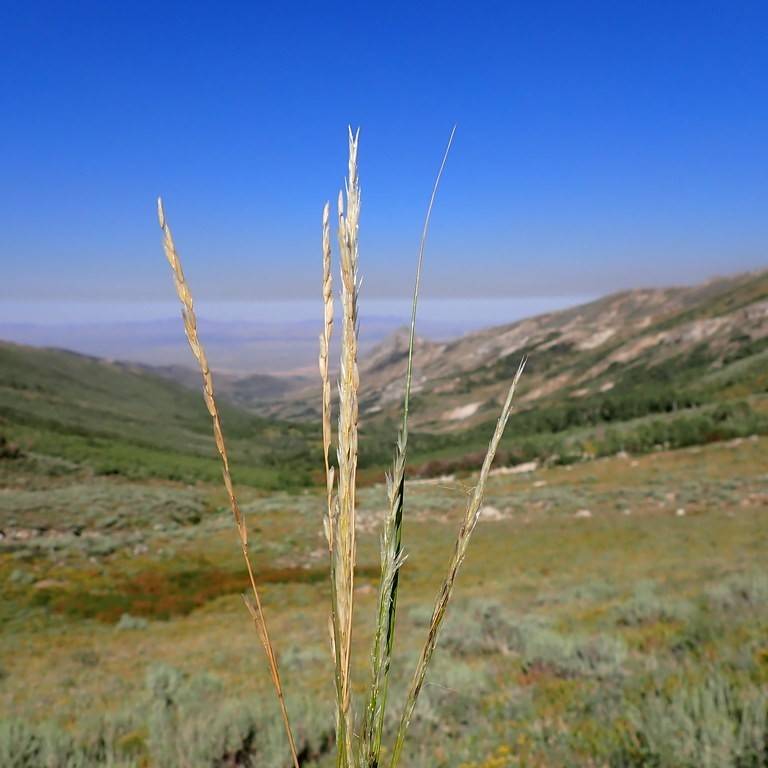
Columbia Needlegrass
Eriocoma nelsonii subsp. dorei (syn. Achnatherum nelsonii subsp. dorei)
Bluejoint Reedgrass
Calamagrostis canadensis