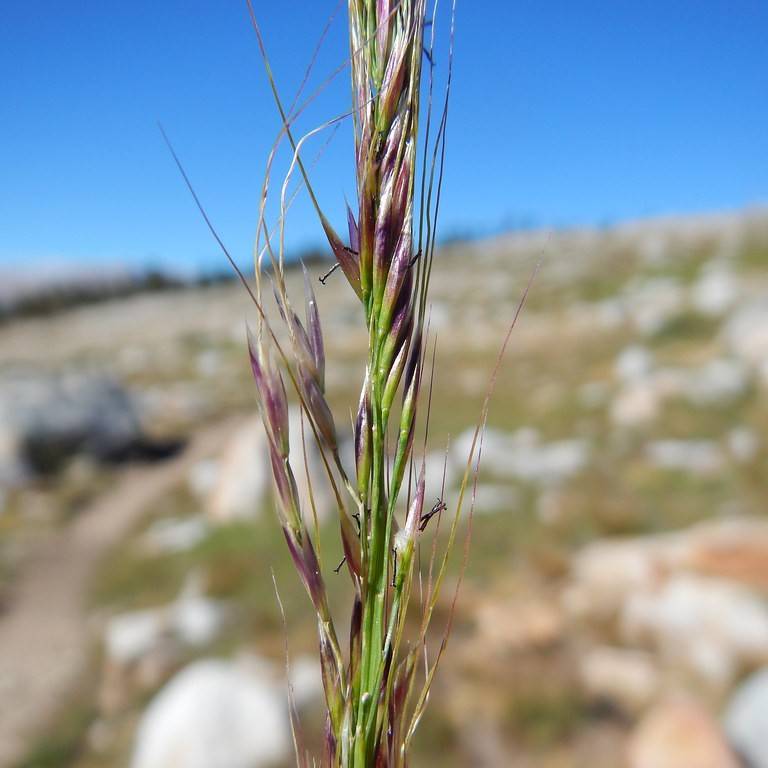
California Needlegrass
Nassella pulchra
Overview
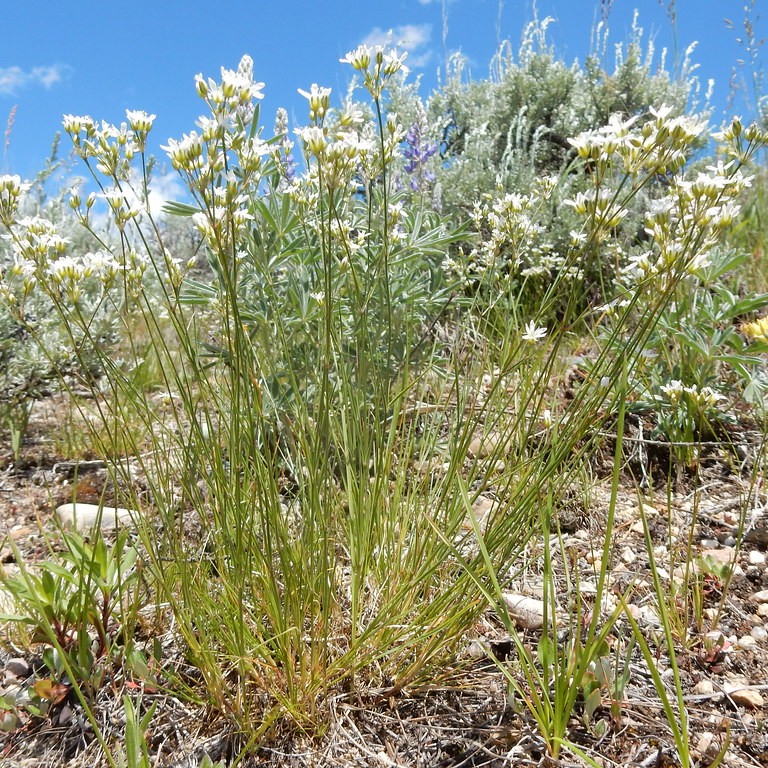
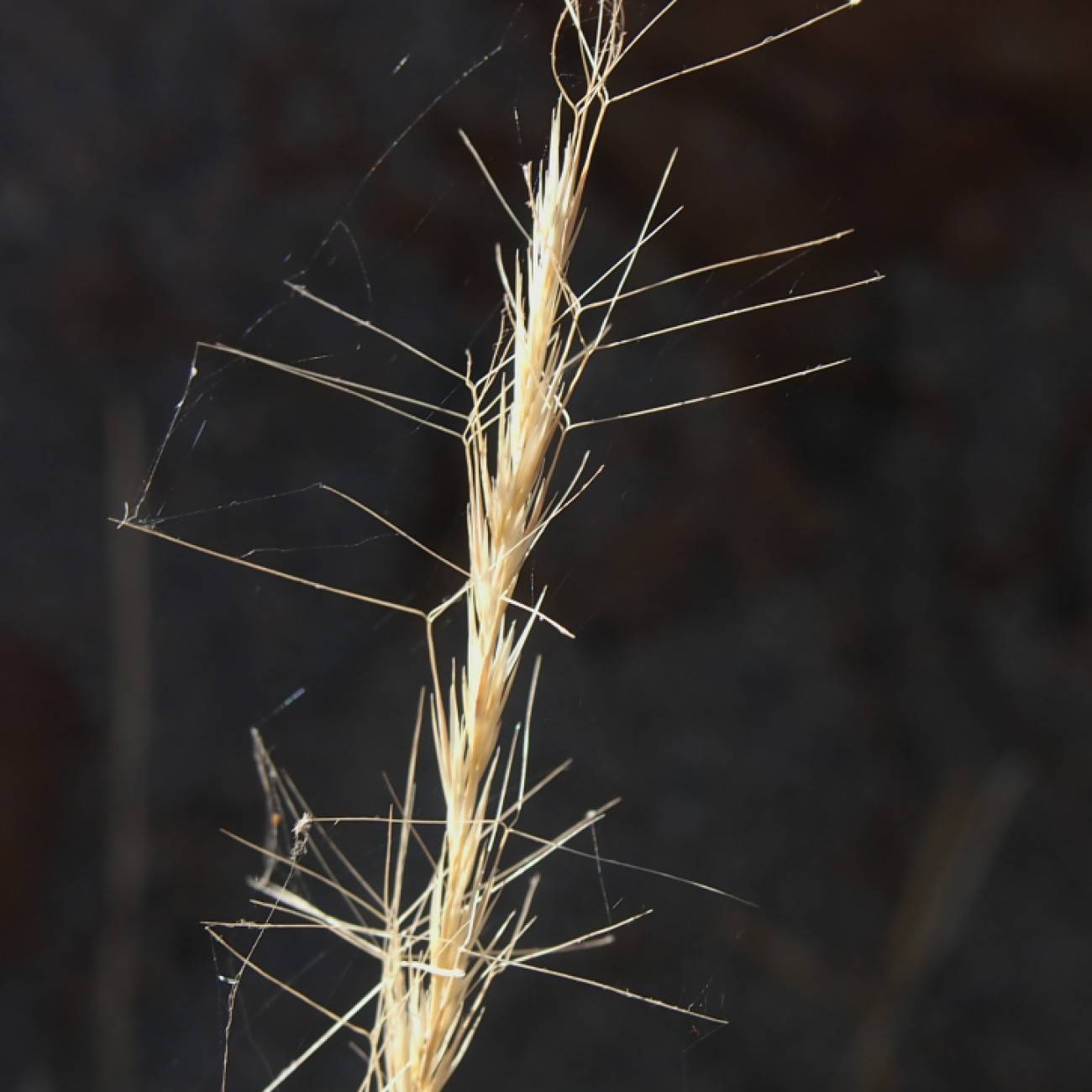
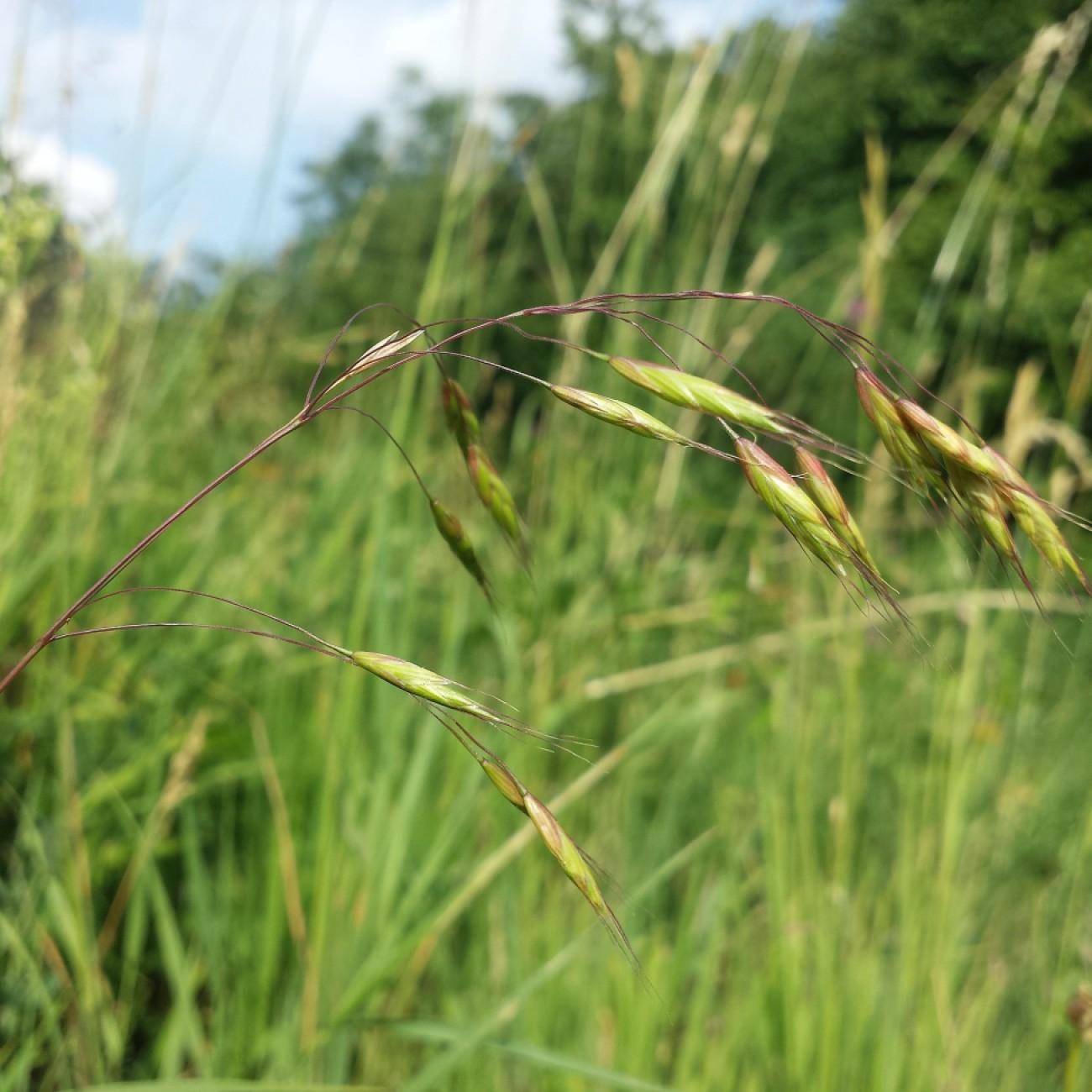
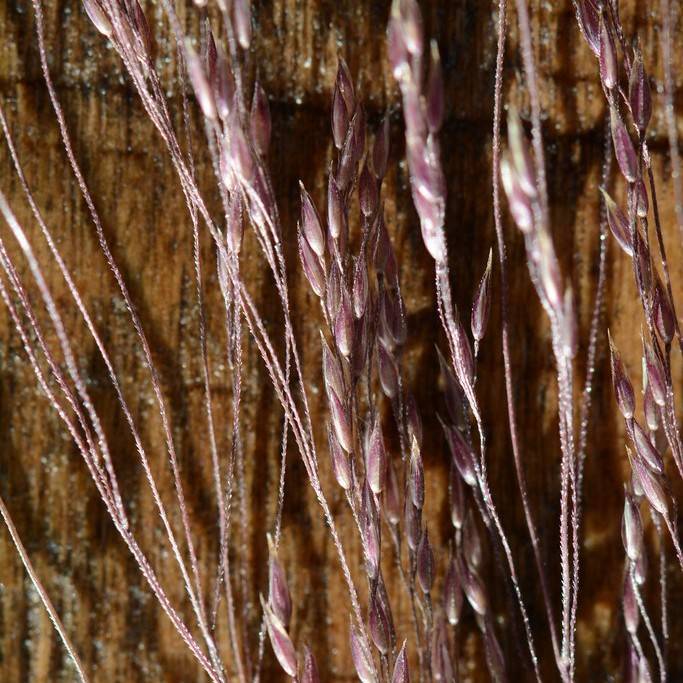
California Needlegrass is a cool-season bunchgrass characterized by fine, arching green foliage and distinctive long-awned seed heads that sway gently in wind. As the official state grass of California, it is a foundational species of native prairie ecosystems, supporting a wide range of pollinators, birds, and small wildlife. It is highly adapted to Mediterranean climates, thriving with minimal moisture once established, making it a staple in water-wise and restoration landscaping.
Care Guide
Watering
Water newly planted specimens deeply once a week for the first growing season to establish a robust root system. Once mature, California Needlegrass is extremely drought-tolerant, requiring only occasional supplemental water during extended hot, dry periods; overwatering can lead to root rot and weak growth. Avoid frequent, shallow watering, as it encourages shallow root development that reduces the plant's drought resilience.
Light
Plant in full sun for optimal growth, flowering, and foliage density, as this species evolved to thrive in open, unshaded prairie and scrub habitats. It can tolerate very light, dappled shade for a few hours daily, but prolonged shade will cause sparse growth, reduced flowering, and increased susceptibility to fungal diseases.
Soil
Adaptable to a wide range of soil types, including sandy, loamy, clay, and serpentine soils, as long as the site has excellent drainage. It tolerates neutral to slightly alkaline pH levels, and even poor, low-nutrient soils that many other ornamental grasses struggle in. Avoid heavy, waterlogged soils, as standing water will quickly rot the plant's root crown.
Fertilizer
California Needlegrass rarely requires fertilizer, as it is adapted to low-nutrient native soils. If grown in extremely poor, sandy soil, a single application of low-nitrogen, slow-release fertilizer in early spring can support mild growth, but high-nitrogen fertilizers will encourage excessive, floppy foliage and reduce drought tolerance. Over-fertilization can also make the plant more attractive to aphids and other sap-sucking pests.
Temperature
Thrives in Mediterranean climate temperature ranges, tolerating summer highs up to 105°F (40°C) and winter lows down to 10°F (-12°C) once established. It is well-adapted to the cool, wet winters and hot, dry summers of its native range, going semi-dormant during the hottest, driest months of summer if moisture is unavailable. Young plants may require light frost protection during their first winter in areas with sustained temperatures below 20°F (-7°C).
Pruning
Cut back old, dead foliage to 3-4 inches (7-10 cm) above the soil line in late winter or early spring, just before new growth emerges, to keep the clump neat and encourage fresh, vibrant foliage. Avoid pruning during the summer dormant period, as leaving the dry foliage in place helps protect the root crown from extreme heat and reduces moisture loss. Remove spent seed heads in late summer if you wish to limit self-seeding, though natural reseeding is usually minimal and easy to manage in garden settings.
Propagation
Most commonly propagated from seed, which can be sown directly outdoors in fall to take advantage of winter moisture for natural stratification, or stratified in the refrigerator for 30 days before sowing in spring. Seeds germinate readily in 2-4 weeks when kept consistently moist and exposed to full sun, with seedlings establishing quickly with minimal care. It can also be propagated by dividing mature clumps in early spring, though division is rarely necessary as the plant grows in neat, non-spreading clumps that do not require frequent splitting.
Humidity
Adaptable to a wide range of humidity levels, thriving in the low to moderate humidity of its native inland and coastal habitats. It tolerates high coastal humidity as long as soil drainage is excellent, though prolonged humid, wet conditions without airflow can increase the risk of foliar fungal diseases. No supplemental humidity is required for garden or container-grown specimens.
Repotting
California Needlegrass is rarely grown in containers, but if potted, repot every 2-3 years in early spring before new growth emerges, using a well-draining, sandy potting mix. Choose a pot with ample drainage holes and at least 2 inches (5 cm) of extra space around the root ball to accommodate growth, as tight pots will restrict root development and reduce drought tolerance. Avoid overpotting, as excess soil can hold unnecessary moisture and lead to root rot.
Uses & Symbolism
Widely planted in native habitat restoration projects to stabilize eroding slopes, support local pollinators, and provide seed forage for birds and small mammals, and forage for grazing livestock. It is a popular ornamental grass in xeriscape and water-wise gardens, adding fine texture and movement to landscape beds, meadow plantings, and rock gardens. It also holds cultural significance for Indigenous peoples of California, who historically used the plant's long, strong stems for basketry.
Diseases & Pests
California Needlegrass is largely pest and disease resistant, though overwatering and poor drainage can lead to root rot and crown rot, which can kill the plant if left unaddressed. In prolonged humid, wet conditions with poor airflow, it may develop minor foliar fungal spots, which can be managed by thinning dense clumps to improve airflow and reducing overhead watering. Rarely, aphids or grasshoppers may feed on young foliage, though infestations are usually mild and do not require chemical control, as natural predators typically keep populations in check.
Related plants
Other plants you might like if you grow California Needlegrass.