Duncecap
Lunaria annua
Overview
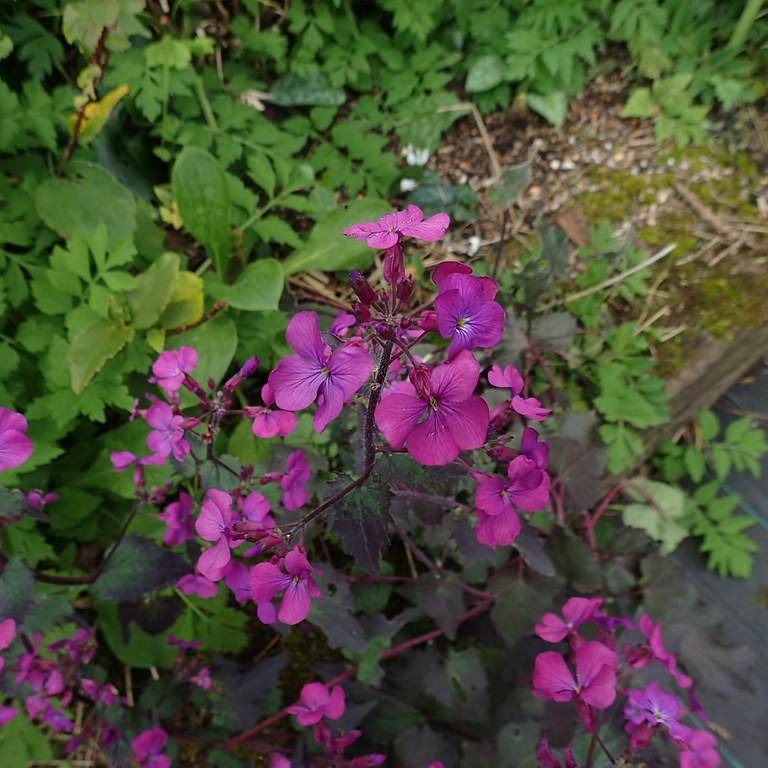
Duncecap, also commonly called honesty or annual honesty, is named for its distinctive triangular seed pods that resemble a pointed dunce cap, as well as the papery, translucent inner pod walls that inspired the 'honesty' common name. It grows as a biennial, producing low rosettes of fuzzy, heart-shaped leaves in its first year, then sending up tall flowering stalks the following spring. It self-seeds readily in ideal conditions, forming gentle, naturalized drifts in garden beds without becoming invasive.
Care Guide
Watering
Water duncecap regularly during its first growing season to keep soil consistently moist but not waterlogged, as overly wet conditions can cause root rot. Once established in its second year, it is moderately drought tolerant, only needing supplemental water during extended periods of hot, dry weather. Reduce watering after seed pods have fully formed to encourage the pods to dry naturally on the stalk.
Light
Duncecap thrives in full sun to partial shade, with at least 4 hours of direct sunlight daily to support robust flowering and stalk development. In regions with intense summer heat, provide light afternoon shade to prevent leaf scorch and extend the bloom period. Too much deep shade will result in leggy growth and reduced flower and pod production.
Soil
This adaptable plant grows best in well-draining, loamy soil with a neutral to slightly alkaline pH between 6.0 and 7.5, though it tolerates poor, rocky, or clay soils as long as drainage is adequate. Avoid heavy, waterlogged soils that can cause root rot during cool, wet seasons. Amending heavy soil with compost or coarse sand before planting will improve drainage and support healthy root growth.
Fertilizer
Duncecap is a light feeder that rarely needs supplemental fertilizer if planted in moderately fertile soil. Over-fertilization will encourage lush leaf growth at the expense of flowers and seed pods. If growing in very poor soil, apply a balanced, slow-release 10-10-10 fertilizer once in early spring of the plant's second year, just before flowering stalks emerge.
Temperature
Duncecap is cold hardy in USDA zones 4 to 8, tolerating winter temperatures as low as -30°F (-34°C) during its first-year rosette stage. It prefers cool spring temperatures between 50–75°F (10–24°C) for optimal flowering, and will die back naturally once summer temperatures rise consistently above 85°F (29°C) after seed pods mature. Winter mulch is not required but can help protect first-year plants in regions with extreme, snow-free cold snaps.
Pruning
Pruning is rarely needed for duncecap, though you can deadhead spent flowers if you do not want the plant to self-seed in your garden. If growing for dried seed pods, leave flower stalks intact until pods have fully dried and turned papery and silver, then cut stalks at the base for arrangement use. Once the plant has completed its biennial lifecycle and dispersed seeds, pull up and discard the dead root system to make space for new seedlings or other plants.
Propagation
Duncecap is most easily propagated from seed, sown directly in the garden in late spring to early summer after the last frost date. Sow seeds 1/4 inch deep in prepared soil, keep moist until germination occurs in 10–14 days, and thin seedlings to 12–18 inches apart to give mature plants room to grow. It self-seeds readily, so you can also transplant volunteer seedlings that emerge the following spring to desired locations in the garden.
Humidity
Duncecap tolerates a wide range of humidity levels, growing well in average outdoor humidity between 30% and 70%. High humidity combined with poor air circulation can increase risk of fungal leaf spots, so space plants adequately to allow airflow around foliage. It does not require any special humidity adjustments, making it suitable for most temperate garden climates.
Repotting
Duncecap is almost exclusively grown directly in garden beds, so repotting is rarely required. If starting seeds in containers to transplant later, use 4-inch pots filled with well-draining potting mix, and transplant seedlings outdoors before they become root bound, ideally 4–6 weeks after germination. Avoid repotting mature second-year plants, as they develop a taproot that is easily damaged, leading to stunted growth or death.
Uses & Symbolism
Duncecap is most valued for its unique silver papery seed pods, which are a staple in dried floral arrangements, wreaths, and craft projects. It is also planted in cottage gardens, wildflower meadows, and pollinator beds to provide early spring nectar for bees and butterflies. Historically, the plant's young leaves and roots were occasionally eaten as a potherb, though they are not commonly consumed today.
Diseases & Pests
Duncecap is relatively pest and disease resistant, though it can be susceptible to fungal issues such as white rust, downy mildew, and leaf spot in overly wet, poorly ventilated conditions. Aphids and flea beetles may occasionally feed on young foliage, but damage is rarely severe enough to require treatment, and can be managed with a strong spray of water or insecticidal soap if populations become large. Root rot can occur in heavy, waterlogged soil, so proper drainage is the best preventive measure.
Related plants
Other plants you might like if you grow Duncecap.