Chinese Indigo
Persicaria tinctoria
Overview
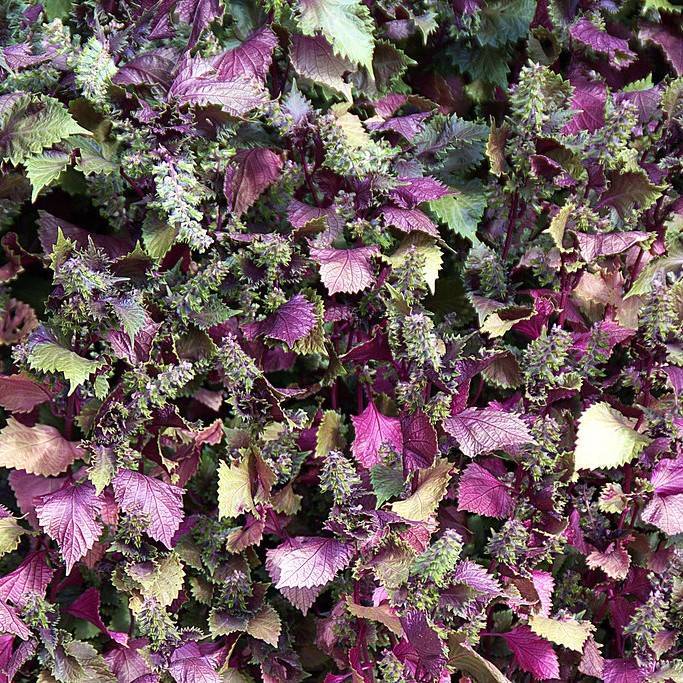
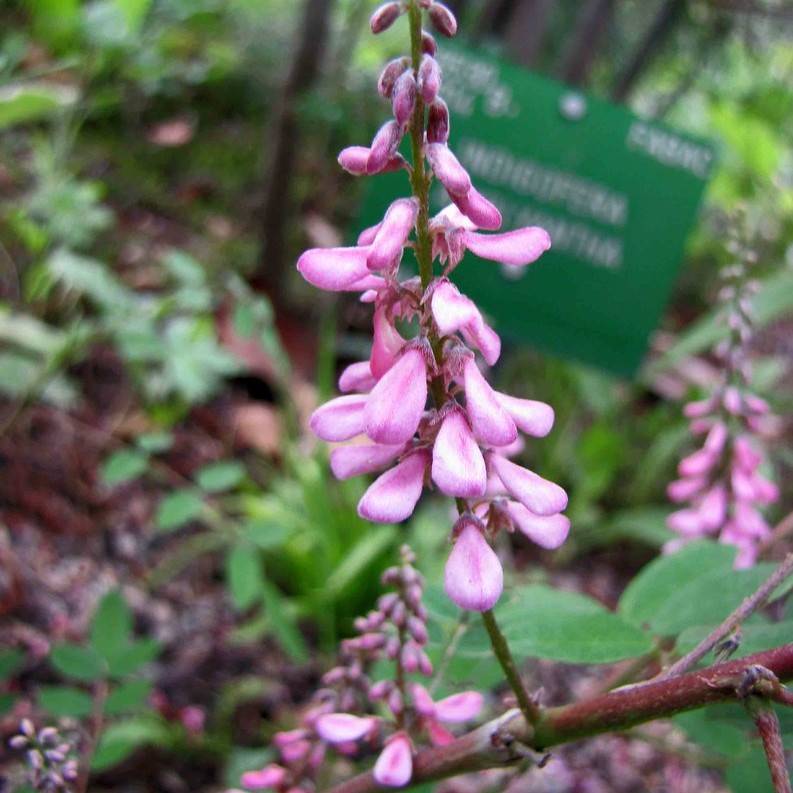
Chinese indigo, also known as Japanese indigo, is a herbaceous annual in the buckwheat family valued for its high indican content, the precursor to vivid blue indigo dye. It has been grown for over 2,000 years in traditional dyeing systems, with cultural significance in Chinese, Japanese, and Korean textile crafts. The plant features lance-shaped green leaves, upright red-tinged stems, and small clusters of pale pink or white flowers in late summer.
Care Guide
Watering
Keep soil consistently moist but not waterlogged, watering deeply when the top 1 inch of soil feels dry to the touch. Reduce watering frequency slightly after flowering begins, but avoid prolonged dry periods that will stunt leaf growth and reduce dye yield. Overwatering can cause root rot, so ensure containers or planting beds have adequate drainage.
Light
Grow in full sun, which supports robust leaf growth and maximum indican production for optimal dye quality. It can tolerate light partial shade, but plants grown in low light will be leggy, produce fewer leaves, and have lower dye content. Position outdoor plants in a south-facing location, or indoor starts under grow lights for 12-14 hours daily before transplanting.
Soil
Thrives in fertile, loamy, well-drained soil with a neutral to slightly acidic pH between 6.0 and 7.0. Amending planting beds with compost or well-rotted manure before sowing will improve nutrient content and moisture retention for vigorous growth. Avoid heavy clay soils that hold standing water, as this increases risk of root rot and weakens plant structure.
Fertilizer
Apply a balanced, all-purpose granular fertilizer at planting time to support initial leaf development. Side-dress plants with a nitrogen-rich fertilizer 4-6 weeks after germination to encourage continued leaf production, as nitrogen boosts vegetative growth critical for dye harvest. Avoid over-fertilizing with high-phosphorus formulas, as this will promote flowering over leaf growth and reduce dye yield.
Temperature
Grows best in warm temperatures between 65-85°F (18-29°C), and is highly frost-sensitive, dying back immediately if exposed to freezing conditions. Sow seeds directly outdoors after all risk of frost has passed, or start indoors 4-6 weeks before the last frost date for an earlier harvest. Plants will stop growing and begin to set seed once temperatures consistently drop below 55°F (13°C) in fall.
Pruning
Pinch back the top 1-2 inches of young plants when they reach 6 inches tall to encourage bushier growth and more leaf production, which increases total dye yield per plant. Harvest mature leaves periodically throughout the growing season by snipping outer stems 2-3 inches above the soil line, allowing inner foliage to continue growing. Remove flower buds as they appear if you are growing exclusively for dye, as flowering diverts energy away from leaf production.
Propagation
Easily propagated from seed, which can be directly sown into prepared garden beds after the last frost, or started indoors in seed trays for earlier growth. Seeds germinate in 7-14 days at temperatures between 65-70°F (18-21°C), and do not require stratification to sprout. While it can technically be propagated from stem cuttings, seed sowing is the far more common and efficient method for large-scale dye production.
Humidity
Tolerates a wide range of humidity levels, growing well in average outdoor humidity between 40-70% across most temperate regions. It does not require extra humidity when grown outdoors, though very dry, arid conditions may cause leaf edges to brown, which can be mitigated with regular watering. Indoor starts benefit from light misting only if the air is extremely dry, as excess moisture on young foliage can promote fungal growth.
Repotting
If growing Chinese indigo in containers, select a pot at least 12 inches deep with drainage holes to accommodate its fibrous root system. Repotting is rarely needed for this annual plant, as it completes its full life cycle in one growing season. If starting plants in small seedling pots, transplant them to their final container or garden bed once they have 2-3 sets of true leaves and all frost risk has passed.
Uses & Symbolism
Its primary historical use is as a natural dye source: leaves are harvested, fermented, and processed to extract rich blue indigo dye for textiles, paper, and traditional art. In traditional East Asian medicine, the plant is used topically to reduce inflammation, soothe skin irritations, and treat minor burns and insect bites. It is also occasionally grown as an ornamental border plant for its lush foliage and delicate late-summer pink flowers.
Diseases & Pests
Chinese indigo is relatively pest-resistant, but may be susceptible to aphids, spider mites, and Japanese beetles that feed on its tender foliage, which can be controlled with insecticidal soap or neem oil. Fungal diseases such as powdery mildew and root rot can occur in overly wet, poorly drained soil or crowded planting conditions with poor air circulation. Slugs and snails may feed on young seedlings, so use copper tape or organic slug bait to protect emerging plants in damp garden areas.
Related plants
Other plants you might like if you grow Chinese Indigo.