Beefsteak Plant
Perilla frutescens var. crispa
Overview
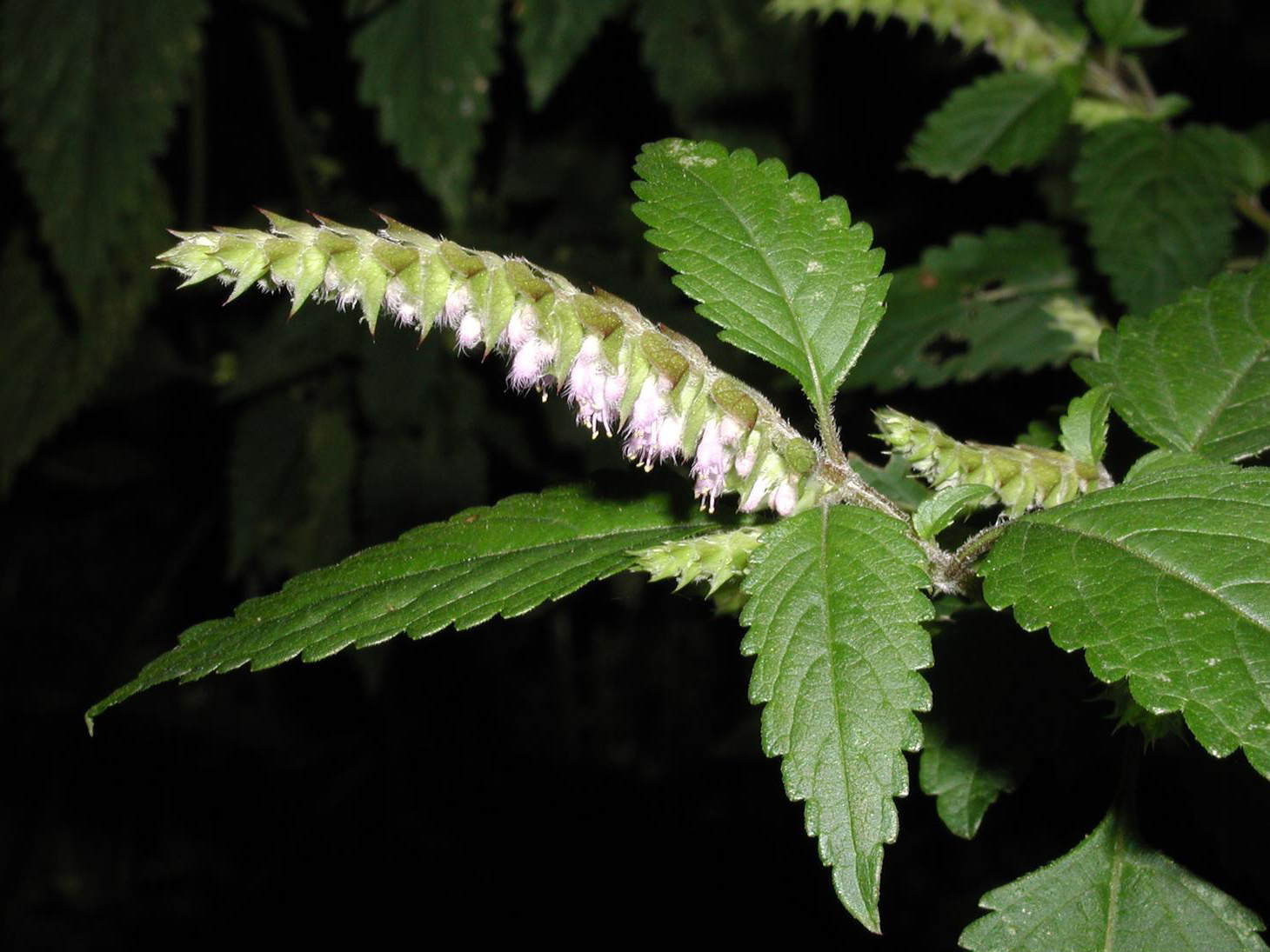
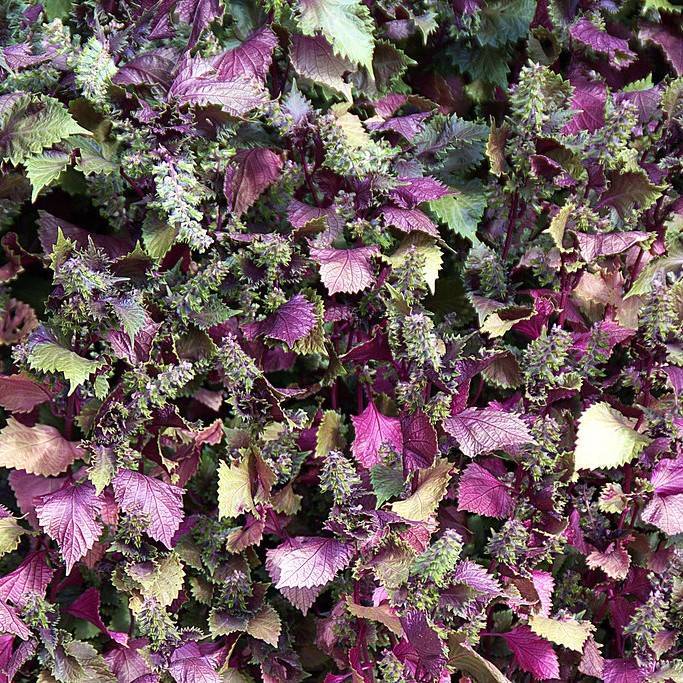
Also called shiso or purple mint, the beefsteak plant gets its common name from the rich, deep red-purple hue of its most popular cultivar, which resembles raw beef in color. It is a fast-growing member of the mint family, producing spikes of small white or pale purple flowers in late summer to early fall. The plant has naturalized in parts of North America and Europe, where it is sometimes considered an invasive weed in disturbed areas.
Care Guide
Watering
Water the beefsteak plant regularly to keep soil consistently moist but not waterlogged, allowing the top 1 inch of soil to dry out slightly between waterings during active growth. Reduce watering frequency in late summer as flowering begins, and avoid overwatering to prevent root rot, especially in poorly draining soil. Potted specimens may require more frequent watering during hot, dry periods to prevent wilting.
Light
Grow beefsteak plant in full sun to partial shade, with full sun encouraging the most vibrant purple foliage color and compact, bushy growth. In extremely hot climates, provide afternoon shade to prevent leaf scorch and reduce water stress, as prolonged intense heat can cause foliage to fade or wilt. Indoor plants require bright, indirect light for at least 6 hours per day to maintain healthy foliage color and growth habit.
Soil
Beefsteak plant thrives in well-draining, fertile loamy soil with a pH range of 6.0 to 7.5, though it is adaptable to most average garden soils as long as they do not stay saturated. Amend heavy clay soils with compost or perlite to improve drainage, and mix in aged organic matter at planting time to boost nutrient content for vigorous early growth. Potted plants grow well in a standard all-purpose potting mix with added perlite to enhance drainage.
Fertilizer
Fertilize beefsteak plant once every 4 to 6 weeks during active spring and summer growth using a balanced, water-soluble 10-10-10 fertilizer diluted to half strength. Avoid overfertilizing, as excessive nitrogen can lead to leggy growth, reduced foliage aroma, and duller leaf color in purple cultivars. Stop fertilizing entirely once flower buds form in late summer to support natural seed development if you wish for the plant to self-sow.
Temperature
Beefsteak plant grows best in temperatures between 60°F and 85°F (15°C to 29°C), and is highly sensitive to frost, with all foliage dying back immediately if exposed to temperatures below 32°F (0°C). It tolerates short periods of heat above 90°F (32°C) if provided with adequate moisture and afternoon shade, though growth may slow during extended heatwaves. Seeds germinate reliably when soil temperatures are consistently above 65°F (18°C), so plant outdoors only after all risk of frost has passed.
Pruning
Pinch back the top 2 to 3 inches of young beefsteak plant stems regularly to encourage bushy, compact growth and prevent the plant from becoming leggy as it matures. Harvest leaves regularly throughout the growing season for culinary use, which also stimulates new foliage production and delays flowering to extend the harvest window. Cut back flower stalks as they appear if you do not want the plant to self-sow aggressively in garden beds, as each plant can produce thousands of viable seeds.
Propagation
Beefsteak plant is most easily propagated from seed, which can be sown directly outdoors after the last frost or started indoors 6 to 8 weeks before the last expected frost date for earlier harvests. Seeds require light to germinate, so press them gently into the soil surface without covering, and keep the growing medium consistently moist until germination occurs in 7 to 14 days. Self-sown seedlings that appear in garden beds can be carefully transplanted to desired locations in early spring when they are 2 to 3 inches tall.
Humidity
Beefsteak plant tolerates a wide range of humidity levels, thriving in average outdoor humidity between 40% and 70% common in its native and naturalized ranges. Indoor plants benefit from occasional misting during winter months when indoor heating reduces ambient humidity, though they are tolerant of drier indoor conditions as long as their watering needs are met. Avoid extremely high, constant humidity above 80% for prolonged periods, as this can increase the risk of foliar fungal diseases.
Repotting
Potted beefsteak plants typically only require repotting once per growing season if they outgrow their container, as they complete their full lifecycle in a single year. Choose a pot that is 1 to 2 inches larger than the current root ball, with drainage holes to prevent waterlogging, and use fresh all-purpose potting mix at repotting time to replenish nutrients. Since the plant is an annual, no repotting is needed in the late fall or winter once the plant has finished flowering and begun to die back.
Uses & Symbolism
The aromatic leaves of the beefsteak plant are a staple in East Asian cuisine, used fresh as a garnish for sushi and salads, pickled, or added to soups, stir-fries, and noodle dishes for a unique minty-anise flavor. Purple-leaved cultivars are popular as ornamental bedding plants or container accents, providing rich, long-lasting color to garden borders and mixed plantings throughout the growing season. In traditional East Asian medicine, extracts of the plant are used to treat coughs, colds, nausea, and allergic reactions, and modern research is investigating its anti-inflammatory and antioxidant properties.
Diseases & Pests
Beefsteak plant is relatively resistant to most pests, though it may occasionally be affected by aphids, spider mites, and whiteflies, which can be controlled with insecticidal soap or neem oil applications. Fungal diseases such as downy mildew and powdery mildew can occur in overly humid, poorly ventilated conditions, especially if foliage stays wet for prolonged periods; avoid overhead watering and space plants adequately to improve air flow. Root rot may develop in poorly draining soil or if plants are overwatered, so ensure soil has good drainage and allow the top inch of soil to dry between waterings to prevent this issue.
Related plants
Other plants you might like if you grow Beefsteak Plant.