Foam Flower
Tiarella cordifolia
Overview
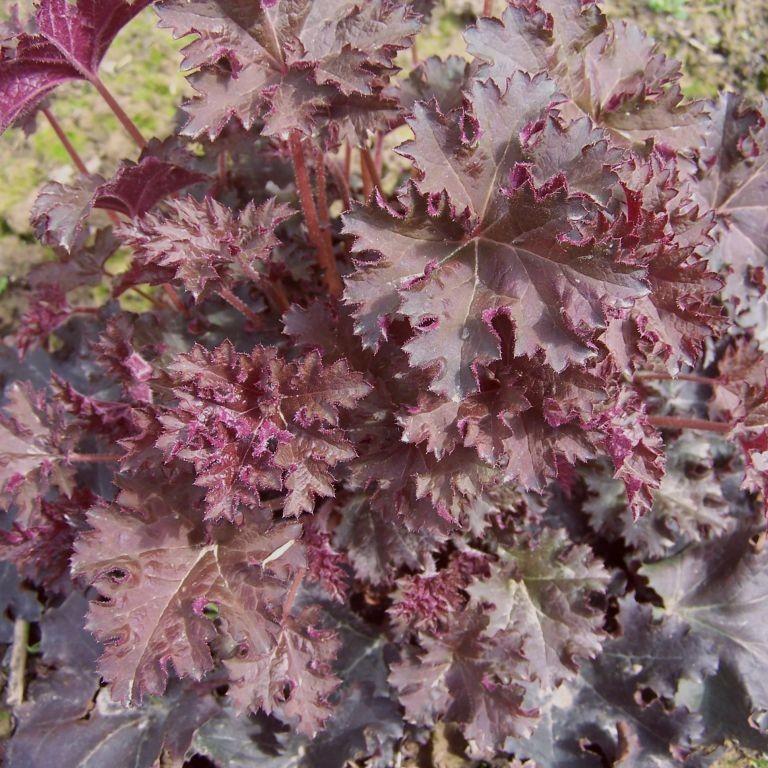
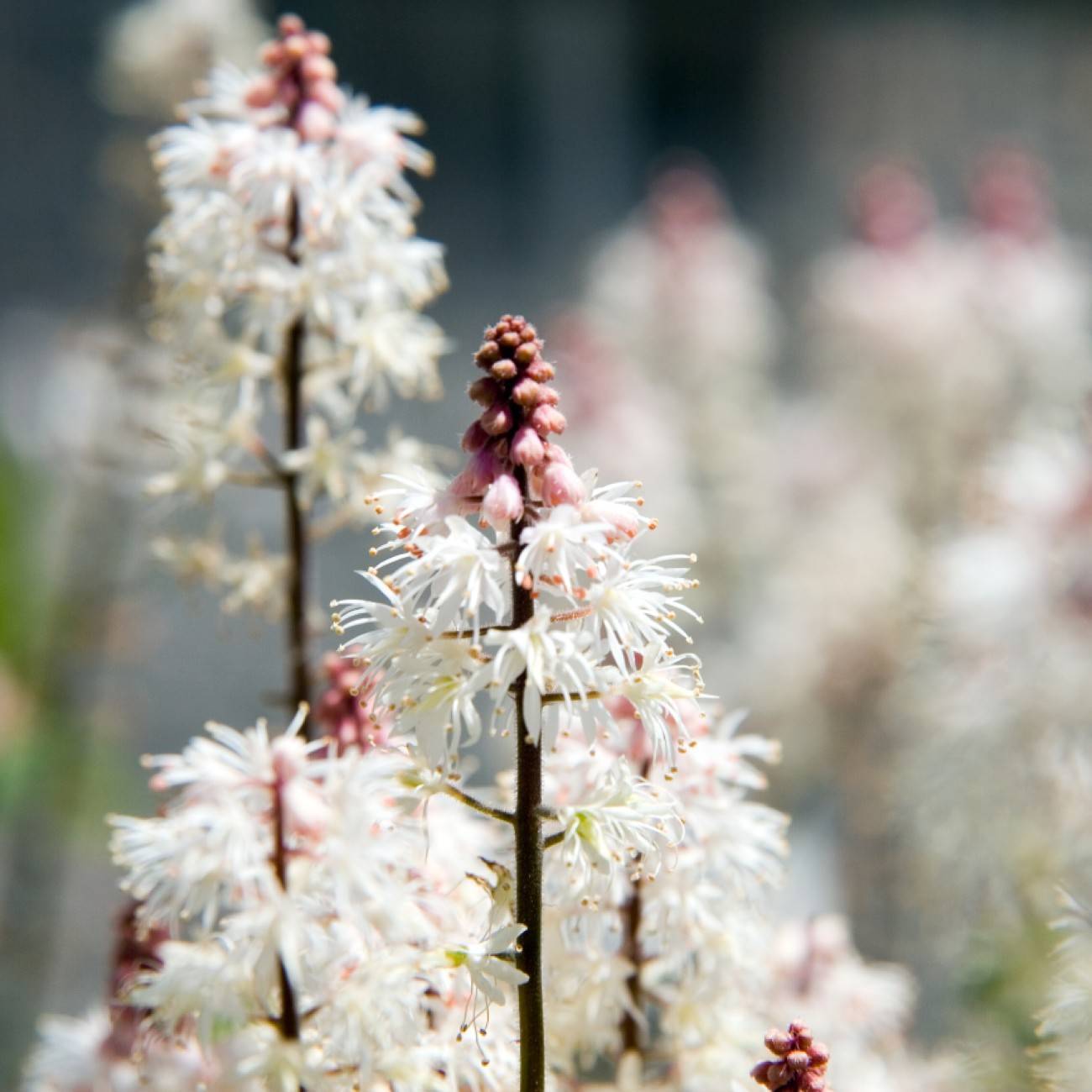
Foam flower is a clumping, slowly spreading groundcover native to moist deciduous woodlands of eastern North America. Its airy, feathery spikes of tiny white or pale pink blooms rise above the foliage in mid-spring, creating a soft, frothy display that gives the plant its common name. Many cultivars feature variegated or deeply lobed leaves with maroon or bronze veining that remains attractive from spring through fall, making it a popular choice for shaded garden beds and container plantings.
Care Guide
Watering
Keep soil consistently moist but not waterlogged; water when the top 1 inch of soil feels dry to the touch, reducing frequency slightly in winter when growth slows. Avoid overhead watering to prevent foliar fungal issues, directing water directly to the root zone instead.
Light
Thrives in partial to full shade, preferring dappled sunlight or morning sun with afternoon shade to prevent leaf scorch. Can tolerate deeper shade, though flowering may be less abundant in very low light conditions.
Soil
Requires rich, well-drained, loamy soil with high organic matter content and a slightly acidic to neutral pH between 5.5 and 7.0. Amend heavy clay or sandy soils with compost or leaf mold before planting to improve moisture retention and structure.
Fertilizer
Feed lightly in early spring with a balanced, slow-release granular fertilizer or a diluted liquid organic fertilizer formulated for shade-loving perennials. Avoid over-fertilizing, as this can lead to leggy growth and reduced flowering.
Temperature
Grows best in cool to moderate temperatures between 60-75°F (15-24°C), and is hardy in USDA zones 3 through 8. Can tolerate brief dips below freezing as low as -40°F (-40°C) when established, though foliage may die back to the ground in cold winter regions.
Pruning
Remove spent flower spikes after blooming to tidy the plant and encourage denser foliage growth. Cut back any tattered or frost-damaged leaves in early spring before new growth emerges to promote a neat appearance.
Propagation
Most easily propagated by division in early spring or late fall, separating clumps into smaller sections with intact roots and replanting immediately. Can also be grown from fresh seed sown in fall, though seed-grown plants may take 2-3 years to reach flowering maturity.
Humidity
Prefers moderate to high humidity levels between 40-60%, typical of its native woodland habitat. In dry indoor environments or arid climates, mist foliage occasionally or place the plant on a pebble tray filled with water to raise surrounding humidity.
Repotting
Container-grown foam flower should be repotted every 2-3 years in early spring, moving to a pot one size larger with fresh, organic-rich potting mix. Divide overcrowded clumps at repotting time to maintain vigorous growth and prevent root binding.
Uses & Symbolism
Foam flower is widely used as a low-growing groundcover in shaded woodland gardens, rock gardens, and border edges, where it pairs well with hostas, ferns, and astilbes. Its compact size and attractive foliage make it suitable for shaded container plantings on patios or porches, and it is sometimes grown as a houseplant in bright, indirect indoor light. Some Indigenous North American communities historically used parts of the plant for medicinal purposes to treat minor ailments like mouth sores and digestive issues.
Diseases & Pests
Foam flower is relatively pest and disease resistant, but can be susceptible to fungal issues like powdery mildew and leaf spot in overly wet, poorly ventilated conditions. Slugs and snails may feed on young foliage, especially in moist, shaded areas, and can be controlled with bait, copper barriers, or hand removal. Root rot can occur if plants are grown in heavy, waterlogged soil, so proper drainage is critical to prevent this issue.
Related plants
Other plants you might like if you grow Foam Flower.