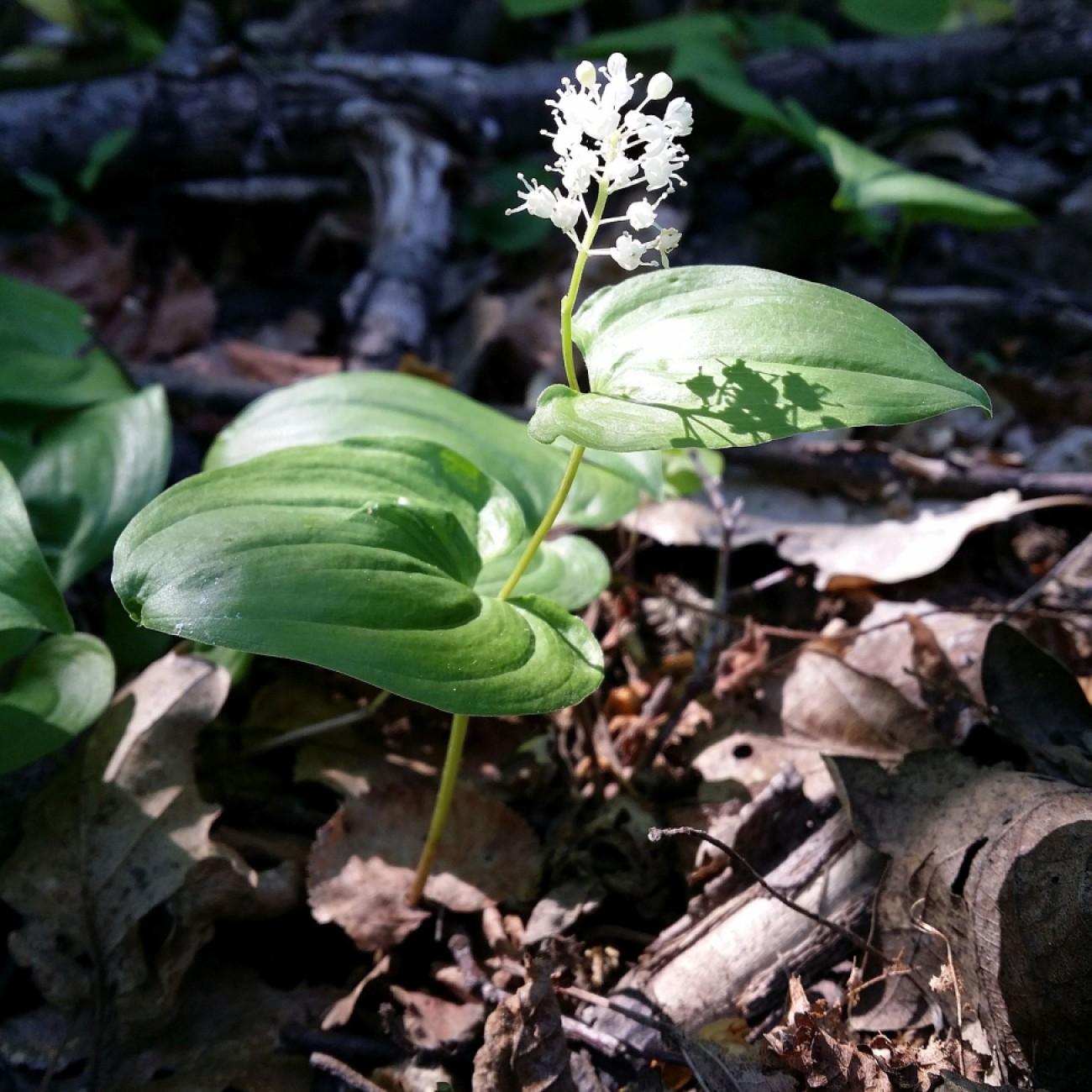
False Lily Of The Valley
Maianthemum dilatatum
Overview
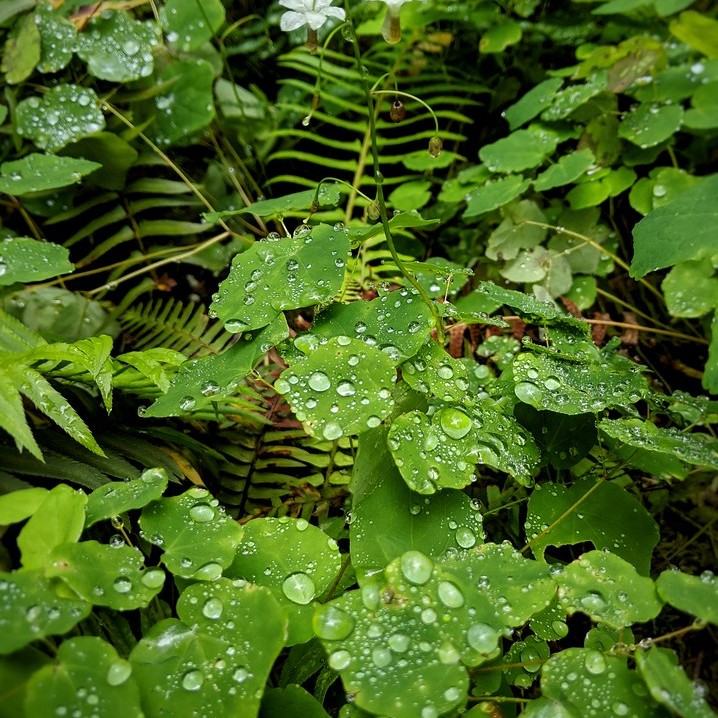
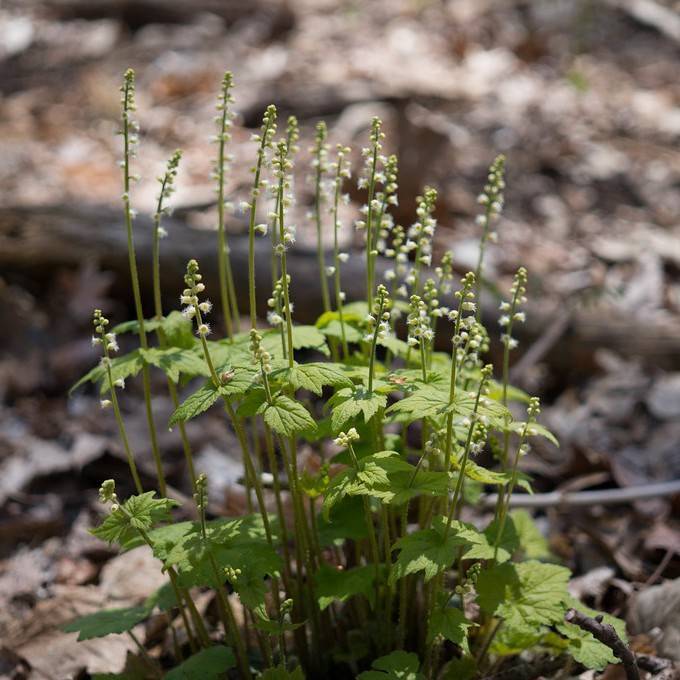
False Lily Of The Valley is a rhizomatous ground cover native to cool, moist forest regions of the Pacific Northwest and East Asia, distinguished from true lily of the valley by its broader, less pointed leaves and non-toxic properties. In spring, it produces clusters of tiny, fragrant white bell-shaped blooms that rise above the foliage, followed by small red berries in late summer that attract birds. It spreads steadily via underground rhizomes to form dense, lush mats, making it a popular choice for filling in shaded, damp areas where other plants struggle to thrive.
Care Guide
Watering
Keep soil consistently moist but not waterlogged, providing 1 to 1.5 inches of water per week during the growing season; reduce watering in winter when the plant goes dormant, allowing the top inch of soil to dry slightly between sessions. Avoid overhead watering to prevent leaf spot, directing water to the base of the plant to keep foliage dry.
Light
Thrives in partial to full shade, preferring dappled sunlight filtered through tree canopy; can tolerate a few hours of early morning direct sun, but intense midday or afternoon sun will scorch leaves and cause wilting. When grown indoors, place in a north or east-facing window with indirect light, avoiding bright southern exposures without a sheer curtain filter.
Soil
Requires rich, loamy, well-draining soil with a slightly acidic to neutral pH between 5.5 and 7.0, amended with organic matter such as compost, leaf mold, or peat moss to improve moisture retention and nutrient content. Heavy clay soils should be mixed with perlite or coarse sand to prevent waterlogging, which can cause rhizome rot.
Fertilizer
Feed once in early spring before new growth emerges with a balanced, slow-release 10-10-10 fertilizer, or top-dress with a 1-inch layer of well-rotted compost to provide sufficient nutrients for the growing season. Avoid over-fertilizing, which can lead to excessive foliage growth at the expense of flowers and weakens the plant’s cold hardiness.
Temperature
Prefers cool temperatures between 50 and 75°F (10 to 24°C) during the growing season, and can tolerate winter temperatures as low as -30°F (-34°C) in USDA hardiness zones 3 through 8. Indoor plants should be kept away from direct heat sources such as radiators or heating vents, which can dry out foliage and raise temperatures beyond the plant’s preferred range.
Pruning
Remove yellowed, damaged, or diseased leaves as they appear throughout the growing season to improve air circulation and maintain a neat appearance. After flowering, you can trim back spent flower stalks if desired, though leaving them in place to develop berries will provide food for local bird populations. In late fall after foliage dies back, cut all above-ground growth to ground level to prepare the plant for winter dormancy.
Propagation
Most easily propagated by division in early spring or late fall, when the plant is dormant; dig up clumps of rhizomes, separate them into sections with at least one healthy bud and a portion of root system, and replant 6 to 12 inches apart at the same depth they were originally growing. Can also be grown from seed, though seeds require a 3-month cold stratification period to germinate, and plants grown from seed will take 2 to 3 years to reach flowering maturity.
Humidity
Prefers moderate to high humidity levels between 50 and 70%, matching its native forest understory habitat; in dry indoor environments, increase humidity by placing the plant on a pebble tray filled with water, or grouping it with other moisture-loving plants. Avoid placing indoor specimens near air conditioning units or drafty windows, which can lower humidity levels and cause leaf browning at the edges.
Repotting
Container-grown plants should be repotted every 2 to 3 years in early spring, when rhizomes begin to outgrow their current container and emerge from the drainage holes or soil surface. Choose a pot that is 2 to 3 inches wider than the previous one with adequate drainage holes, and use a fresh, organic-rich potting mix to provide new nutrients for the growing season.
Uses & Symbolism
Widely used as a low-maintenance ground cover for shaded gardens, woodland landscapes, and rain gardens, where its dense matting growth suppresses weeds and prevents soil erosion on sloped sites. Its attractive foliage and delicate blooms make it a popular choice for shaded container gardens and indoor houseplant collections, and its non-toxic nature makes it safe for planting in yards with children and pets. Native American tribes historically used parts of the plant for medicinal purposes to treat colds, sore throats, and eye irritations.
Diseases & Pests
Generally pest and disease resistant, but can be susceptible to fungal leaf spot and powdery mildew in overly humid conditions with poor air circulation, which can be treated by removing affected foliage and applying a copper-based fungicide if necessary. Overly wet, waterlogged soil can lead to rhizome rot, a fatal condition that can be prevented by ensuring proper soil drainage and avoiding overwatering. Slugs and snails may occasionally feed on young, tender foliage, and can be controlled with hand-picking, beer traps, or organic slug bait.
Related plants
Other plants you might like if you grow False Lily Of The Valley.