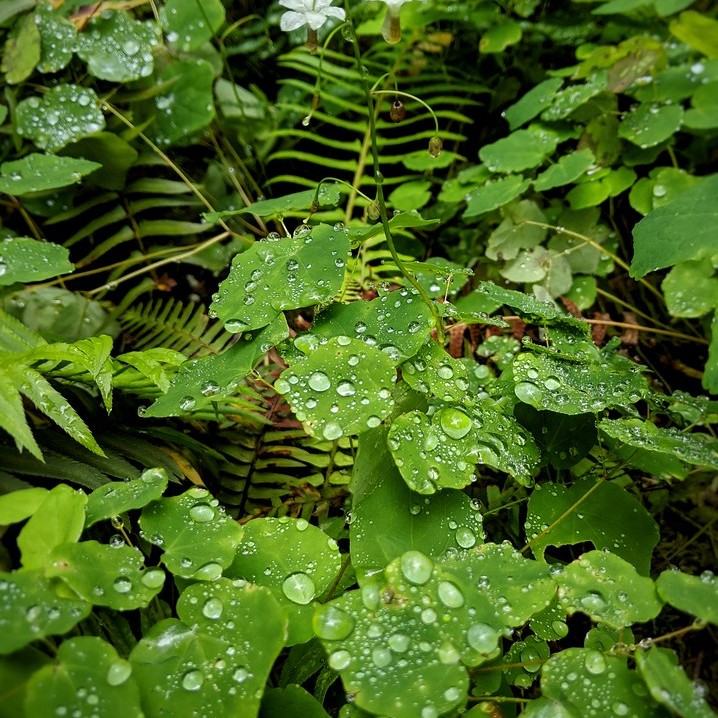
American Barrenwort
Epimedium americanum
Overview
American barrenwort is a deciduous herbaceous perennial native to rich, moist woodlands of eastern North America. It produces small, pale yellow, spurred flowers in early spring, followed by heart-shaped, semi-leathery foliage that develops subtle bronze tints in fall. This clumping, slowly spreading plant forms dense mats, making it an ideal low-growing ground cover for shaded garden areas that receive minimal foot traffic.
Care Guide
Watering
Water regularly during the first growing season to establish a deep, extensive root system, keeping soil consistently moist but not waterlogged. Once established, American barrenwort is moderately drought tolerant, requiring supplemental water only during extended dry spells. Avoid overwatering, as saturated soil can cause root rot in this woodland species.
Light
Thrives in partial to full shade, preferring dappled sunlight filtered through tree canopy or consistent indirect light. It can tolerate a few hours of gentle morning sun, but harsh midday or afternoon direct sunlight will scorch its foliage and slow growth. When grown indoors, place it near a north or east-facing window to provide sufficient low to moderate light.
Soil
Requires well-draining, humus-rich soil with a slightly acidic to neutral pH between 5.5 and 7.0 for optimal growth. Amending planting sites with compost, leaf mold, or well-rotted manure will mimic its native woodland habitat and improve soil structure and nutrient content. Heavy clay soils should be amended with coarse sand or perlite to enhance drainage and prevent root rot.
Fertilizer
Feed lightly in early spring before new growth emerges with a balanced, slow-release organic fertilizer or a layer of compost spread around the base of the plant. Additional fertilization is rarely needed, as this species is adapted to low-nutrient woodland soils. Overfertilization can lead to excessive, leggy growth and reduced flowering.
Temperature
Performs best in temperate climates within USDA hardiness zones 4 to 8, tolerating winter temperatures as low as -30°F (-34°C) when dormant. It prefers cool summer temperatures between 60–75°F (15–24°C), and may wilt temporarily during unseasonably hot summer weather. Mulching around the root zone in both summer and winter helps regulate soil temperature and protect shallow roots.
Pruning
Prune back old, tattered foliage in late winter or early spring before new growth emerges to encourage fresh, vibrant leaves and better visibility of spring blooms. No regular pruning is required throughout the growing season, though you may trim away damaged or yellowed leaves as needed to maintain a neat appearance. Avoid heavy pruning during active growth, as this can stress the plant and reduce flowering for the current season.
Propagation
The most reliable propagation method is division of established clumps in early fall or late winter while the plant is dormant. Dig up the entire clump, carefully separate the rhizomes into sections with at least 2–3 growth buds each, and replant immediately at the same depth as the original plant. Propagation from seed is possible but very slow, as seeds require a period of cold stratification and can take 2–3 years to produce flowering plants.
Humidity
Prefers moderate humidity levels between 40–60%, similar to its native woodland understory habitat. It tolerates average household humidity when grown indoors, but may benefit from occasional misting during extremely dry winter heating periods. Avoid placing it near drafty vents or heaters, which can lower humidity excessively and cause leaf browning at the edges.
Repotting
When grown in containers, repot every 2–3 years in early spring before new growth begins, moving up to a pot only 1–2 inches larger than the current container to avoid excess soil moisture around the roots. Use a well-draining, peat-free potting mix amended with leaf mold or compost to replicate its preferred soil conditions. After repotting, water thoroughly and place in a shaded location for a week to reduce transplant shock.
Uses & Symbolism
American barrenwort is widely used as a low-maintenance ground cover for shaded garden borders, woodland gardens, rock gardens, and underplanting around trees and large shrubs. Its delicate spring blooms and attractive foliage make it a popular choice for naturalized areas, and it is also grown in container gardens for shaded patios or indoor display. Historically, some Indigenous North American groups used small quantities of the plant in traditional herbal remedies, though it is not commonly used in modern herbalism.
Diseases & Pests
American barrenwort is largely pest and disease resistant, with few common issues when grown in suitable conditions. Overly wet or poorly draining soil can lead to root rot, while prolonged exposure to direct sun may cause leaf scorch. Occasional infestations of aphids or vine weevils may occur, which can be treated with insecticidal soap or neem oil for mild cases.
Related plants
Other plants you might like if you grow American Barrenwort.