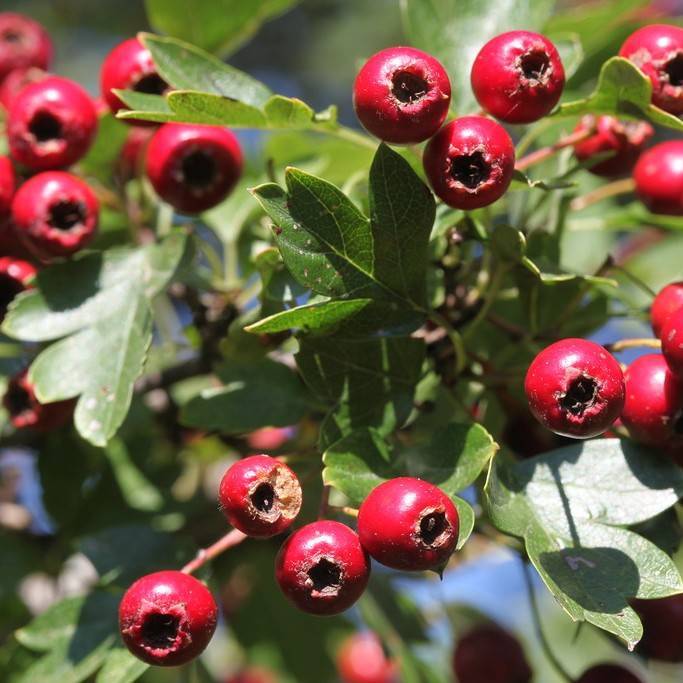
Common Hawthorn
Crataegus monogyna
Overview
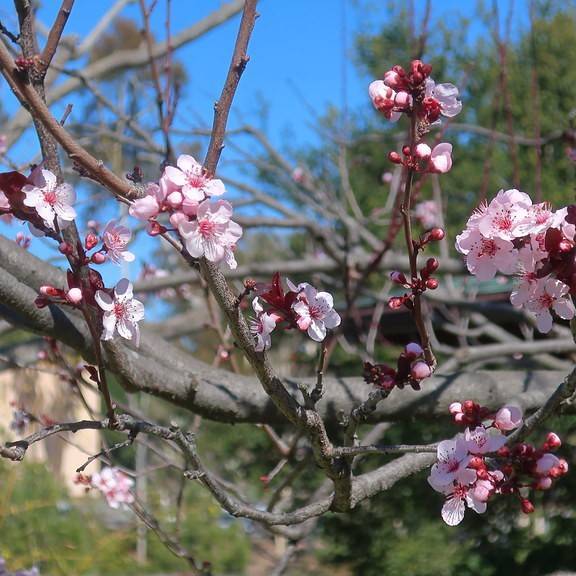
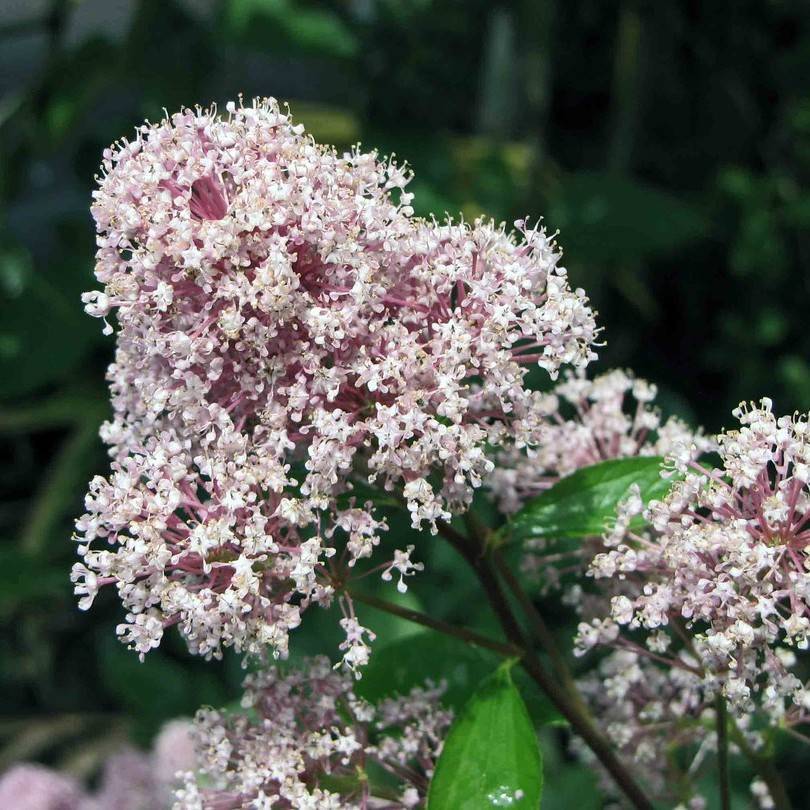
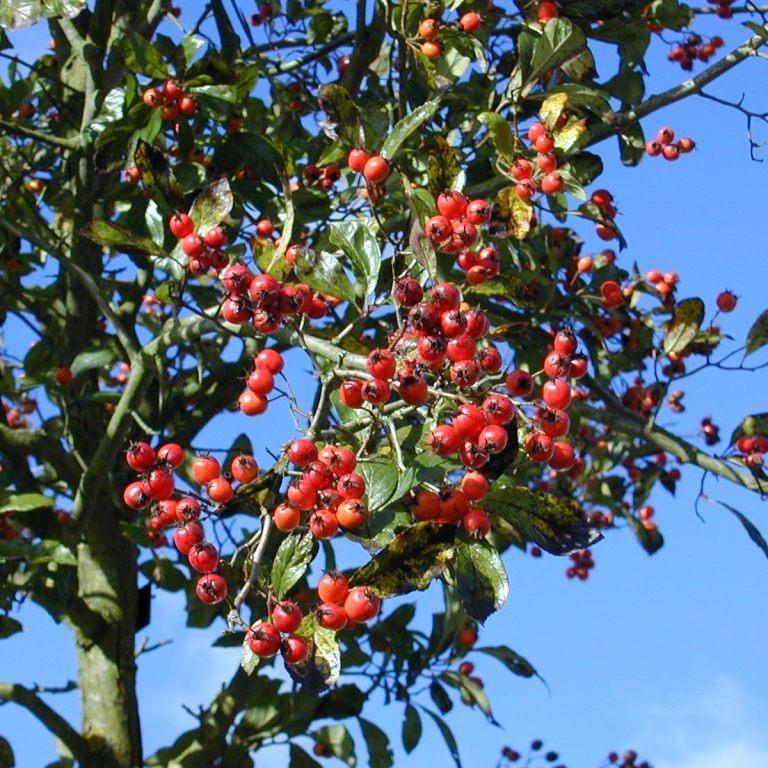
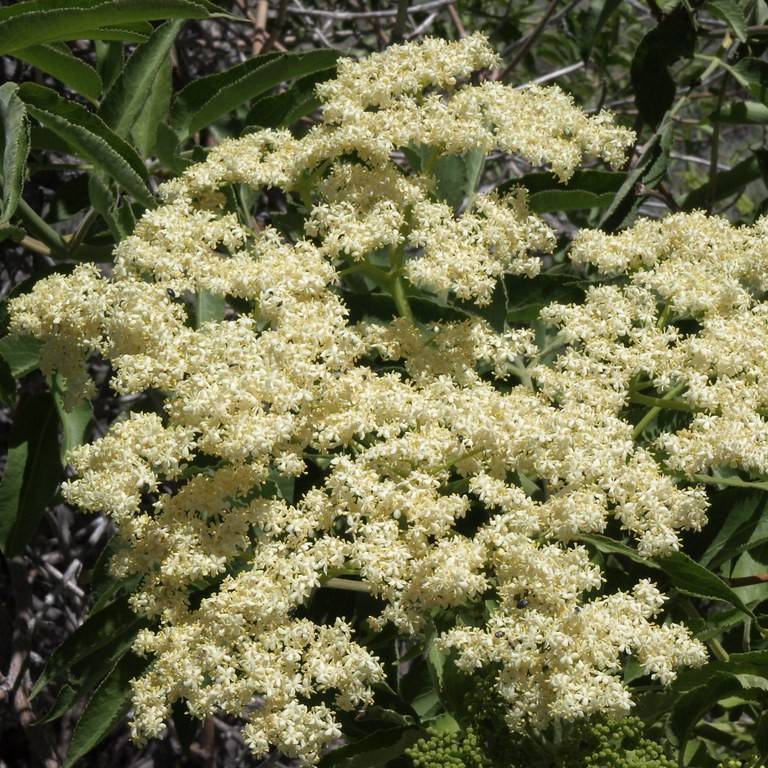
Crataegus monogyna, commonly called common hawthorn or maythorn, is a hardy, spiny deciduous woody plant widely naturalized across temperate regions. It produces dense clusters of fragrant white five-petaled flowers in late spring, followed by small, deep red pome fruits called haws that ripen in autumn. Its dense, thorny growth habit has made it a traditional hedging plant for centuries, while its ecological value supports a wide range of pollinators and bird species.
Care Guide
Watering
Established common hawthorn is highly drought-tolerant, requiring supplemental watering only during prolonged, extreme dry spells. Newly planted specimens should be watered deeply once or twice weekly for the first growing season to encourage deep root development, avoiding overwatering that can lead to root rot in poorly drained sites.
Light
Common hawthorn thrives in full sun, which promotes the most abundant flowering and fruit production, though it can tolerate partial shade. In deep shade, growth becomes sparse, flowering is reduced, and the plant is more susceptible to fungal disease, so site it in a location that receives at least 6 hours of direct sunlight daily.
Soil
This adaptable plant grows in nearly all soil types, including sandy, loamy, clay, and even nutrient-poor chalky soils, as long as the site is well-drained. It tolerates a wide pH range from acidic to moderately alkaline, but will not survive in consistently waterlogged, boggy conditions.
Fertilizer
Common hawthorn requires minimal fertilization, thriving even in low-nutrient soils without regular feeding. For young or poorly performing plants, apply a balanced, slow-release general fertilizer in early spring before new growth emerges, avoiding over-fertilization that can stimulate excessive, weak growth prone to pest damage.
Temperature
It is extremely cold-hardy, tolerating winter temperatures as low as -40°F (-40°C) and thriving in USDA hardiness zones 4 through 8. It adapts well to a range of temperate climates, including areas with regular frost, but may suffer foliage scorch in regions with extended periods of extreme, unseasonal heat above 100°F (38°C) without adequate moisture.
Pruning
Prune common hawthorn during the dormant winter season to maintain desired shape, remove dead, damaged, or crossing branches, and improve air circulation within the canopy. If grown as a hedge, trim in late summer after flowering is complete; take care to avoid the sharp thorns, and wear protective gloves and clothing during pruning sessions.
Propagation
Common hawthorn is most easily propagated from seed, though seeds require 12 to 18 months of cold stratification to break dormancy before germination occurs. It can also be propagated from semi-hardwood cuttings taken in late summer, though cuttings have a lower success rate and may take several years to reach flowering maturity.
Humidity
This plant is highly adaptable to a wide range of humidity levels, tolerating both dry continental air and moist maritime conditions without issue. High humidity combined with poor air circulation can increase the risk of foliar fungal diseases, so ensure adequate space between plants if grown in groups or as a hedge.
Repotting
Common hawthorn is rarely grown in containers long-term, as its deep root system requires ample space to develop. If grown as a bonsai or temporary container specimen, repot every 2 to 3 years during dormancy, trimming back up to one-third of the root ball and using a well-drained, loamy potting mix to support healthy growth.
Uses & Symbolism
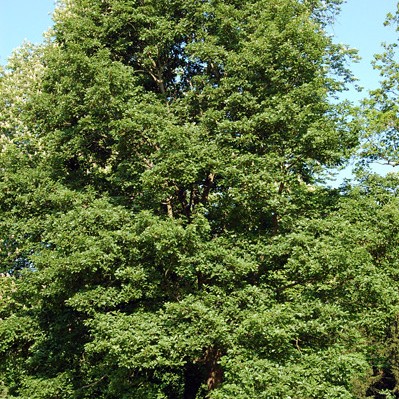
Common hawthorn is widely planted as a thorny security hedge, a wildlife-friendly garden plant, and a street tree in urban areas due to its tolerance of pollution and compact size. Its haws are used to make jellies, jams, wines, and traditional herbal remedies for cardiovascular health, while its dense foliage provides shelter and food for bees, birds, and beneficial insects. It is also a popular species for bonsai cultivation, valued for its small leaves, attractive bark, and abundant spring blooms.
Diseases & Pests
Common hawthorn is susceptible to a range of fungal diseases, including hawthorn rust, leaf spot, fire blight, and powdery mildew, particularly in damp, poorly ventilated growing conditions. Common pests include aphids, scale insects, hawthorn sawfly larvae, and borers, which can cause foliage damage or weaken stressed plants. Proper site selection with full sun and good air circulation, plus removal of infected foliage, reduces the risk of most pest and disease issues.
Related plants
Other plants you might like if you grow Common Hawthorn.