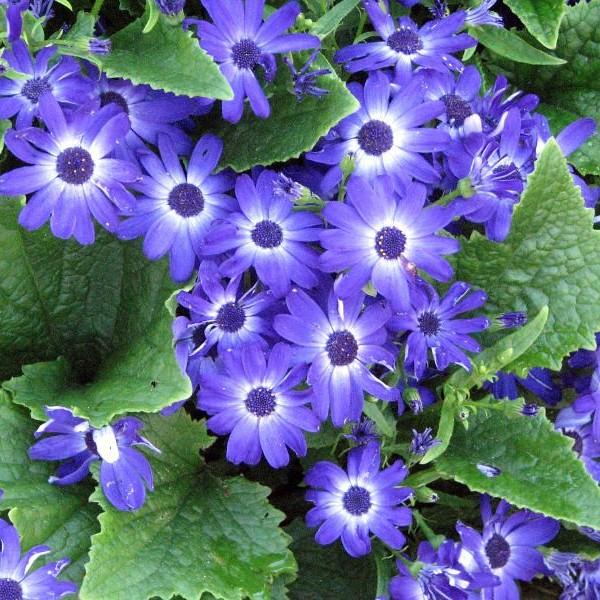
Florist's Cineraria
Pericallis × hybrida
Overview
Florist's cineraria is a hybrid ornamental developed by crossing wild Pericallis species native to Macaronesian islands, bred specifically for large, clustered, vividly colored flowers that blanket the plant during peak bloom. It is most commonly grown as a temporary potted houseplant or outdoor cool-season bedding plant, as it cannot tolerate prolonged heat or frost. Most plants are discarded after flowering, as they do not reliably rebloom in home growing conditions.
Care Guide
Watering
Keep soil consistently moist but not waterlogged, as soggy roots quickly lead to root rot; allow the top ½ inch of soil to dry slightly between waterings, and avoid pouring water directly onto the foliage to reduce fungal disease risk. Reduce watering gradually once flowering finishes, as the plant will begin to die back.
Light
Florist's cineraria thrives in bright, indirect light, such as that from a north or east-facing window, as direct midday sun will scorch its soft leaves and cause blooms to fade prematurely. Outdoors, it grows best in partial shade with protection from intense afternoon sunlight.
Soil
Use a well-draining, peat-based potting mix with a slightly acidic pH between 5.5 and 6.5, amended with perlite or vermiculite to improve aeration and prevent compaction. Heavy garden soils are unsuitable, as they retain too much moisture and can cause rapid root death.
Fertilizer
Feed every 10 to 14 days during active growth and budding with a diluted, balanced liquid fertilizer formulated for flowering houseplants, mixed to half the recommended strength to avoid burning sensitive roots. Stop fertilizing once blooms fully open, as additional nutrients will shorten the flowering period.
Temperature
Florist's cineraria prefers cool temperatures between 50–65°F (10–18°C) to extend its flowering period, as temperatures above 70°F (21°C) will cause blooms to wilt and drop within days. It cannot tolerate frost, so outdoor plants must be brought inside or discarded before freezing temperatures arrive.
Pruning
Pinch off spent flower heads regularly to encourage additional bud formation and extend the overall bloom period, cutting the stem back to the nearest set of healthy leaves. Remove any yellowed or damaged foliage at the base to improve air circulation and reduce fungal growth risks.
Propagation
Commercial growers propagate florist's cineraria from seed sown 16–20 weeks before the desired bloom time, as home propagation from seed is rarely successful due to the hybrid nature of most cultivars. Stem cuttings are not commonly used, as they root poorly and produce plants with inferior bloom quality.
Humidity
Maintain moderate humidity levels between 40–60% to keep foliage turgid and prevent leaf tip browning; place the pot on a tray filled with pebbles and water, or use a small room humidifier if indoor air is dry, especially during winter heating months. Avoid misting the foliage directly, as trapped moisture can lead to powdery mildew.
Repotting
Florist's cineraria is almost always sold in full bloom and discarded after flowering, so repotting is rarely necessary for home growers. If you do need to repot a young, pre-bloom plant, do so only before buds form, using a pot only 1 inch larger than the current container to avoid excess soil moisture retention.
Uses & Symbolism
Primarily grown as a decorative potted gift plant for indoor display, valued for its bright, long-lasting blooms that add cheerful color to cool, bright indoor spaces during late winter and early spring. It is also used as a short-lived seasonal bedding plant in temperate regions for cool-season garden beds, borders, and container displays, planted after the last frost and removed once summer heat arrives.
Diseases & Pests
Florist's cineraria is highly susceptible to powdery mildew and botrytis blight, which thrive in humid, poorly ventilated conditions and cause white or gray fuzzy growth on leaves and blooms. Common pests include aphids, whiteflies, and spider mites, which feed on soft leaf and stem tissue, leading to yellowing, stunted growth, and premature leaf drop. Root rot is a frequent issue caused by overwatering or poorly draining soil, leading to rapid wilting and plant death.
Related plants
Other plants you might like if you grow Florist's Cineraria.
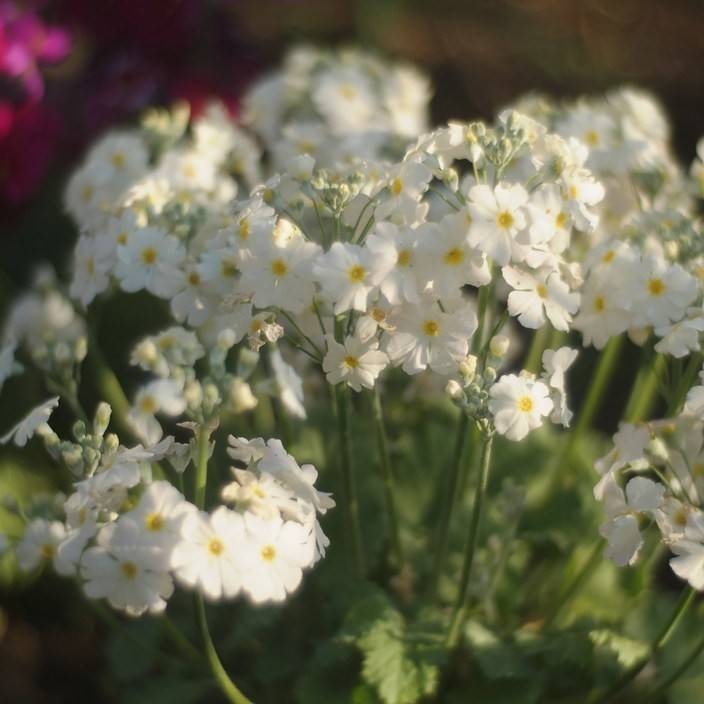
Fairy Primrose
Primula malacoides
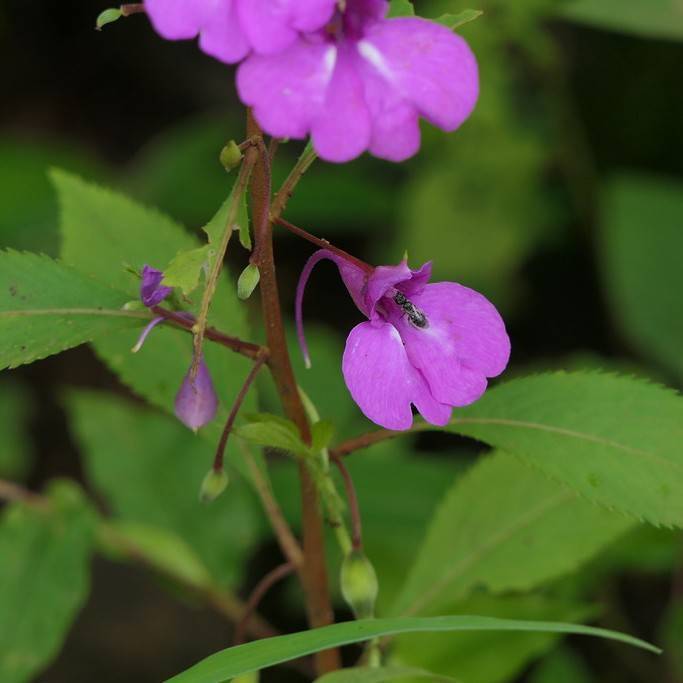
Garden Balsam
Impatiens balsamina
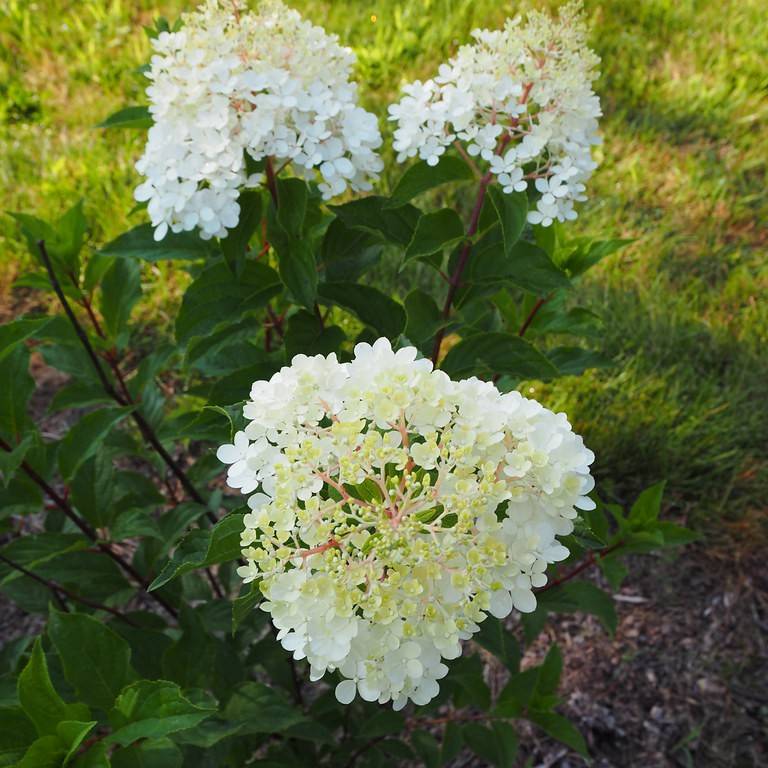
Cascade Hydrangea
Hydrangea seemannii
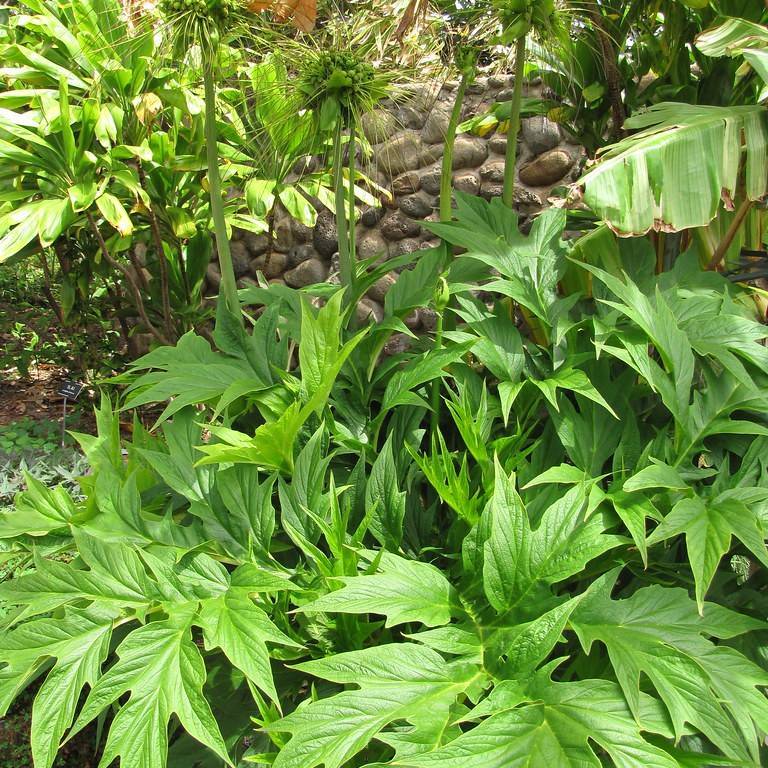
Batflower
Tacca chantrieri
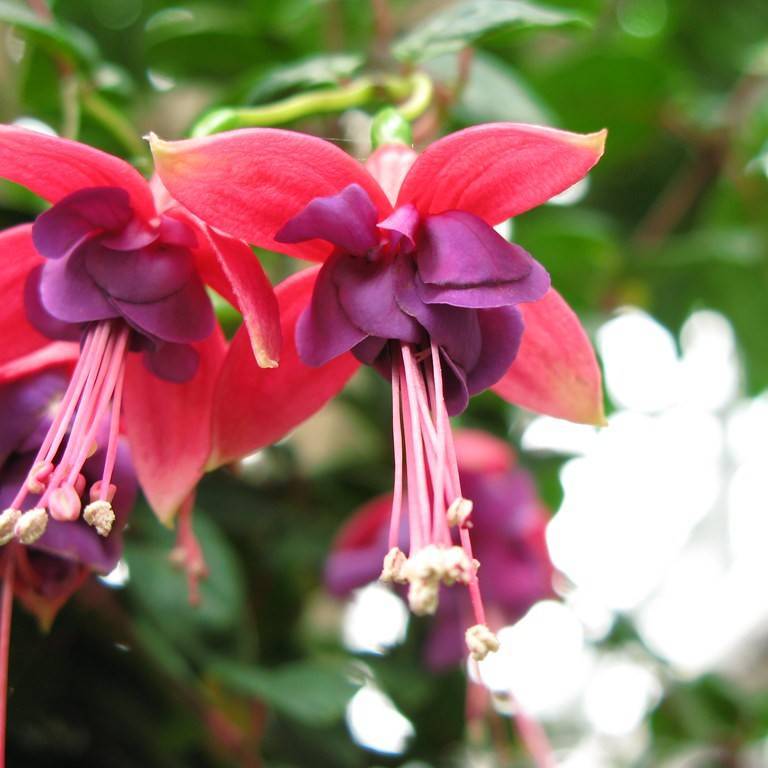
Lady's Eardrops
Fuchsia triphylla 'Gartenmeister Bonstedt'
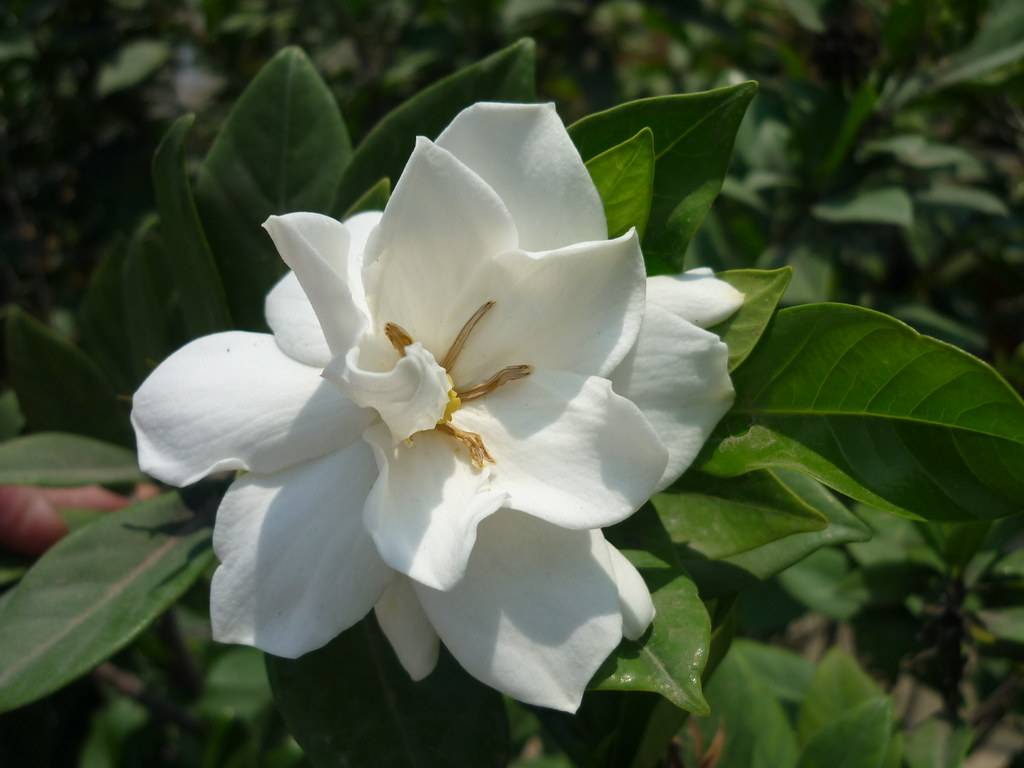
Gardenia
Gardenia jasminoides
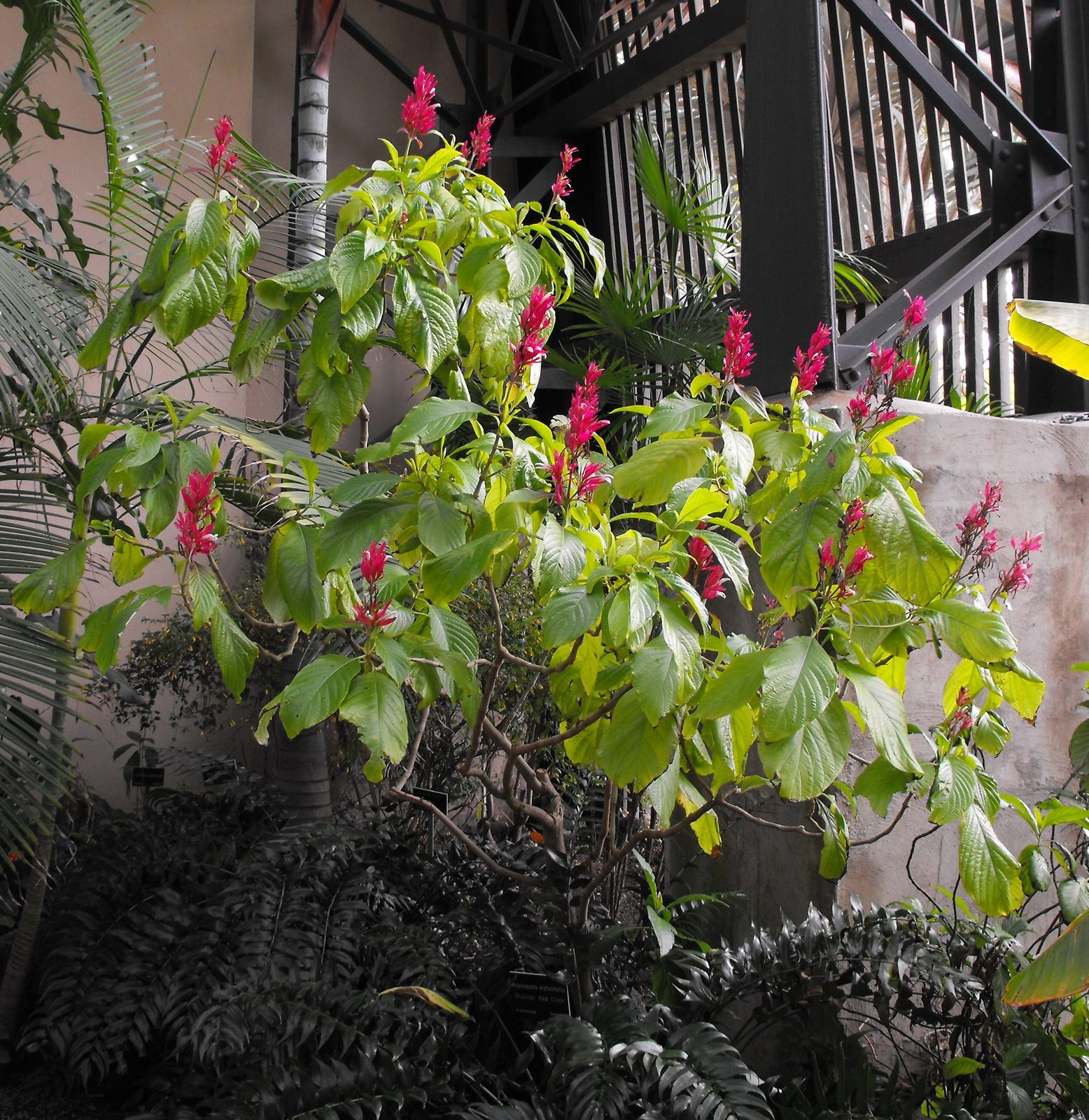
Brazilian Red Cloak
Megaskepasma erythrochlamys
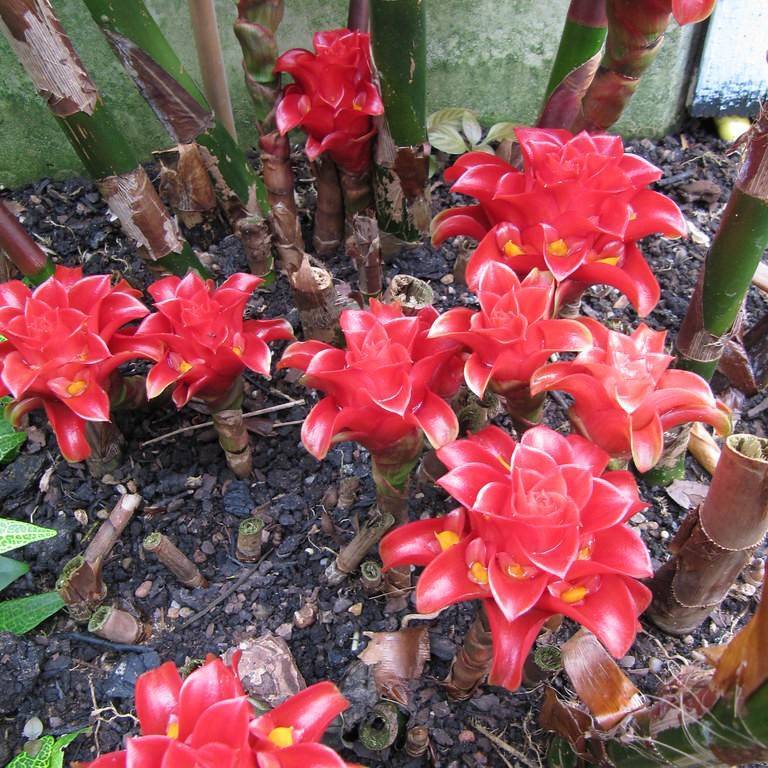
Indonesian Wax Ginger
Tapeinochilos ananassae