Florida Anise Tree
Illicium floridanum
Overview
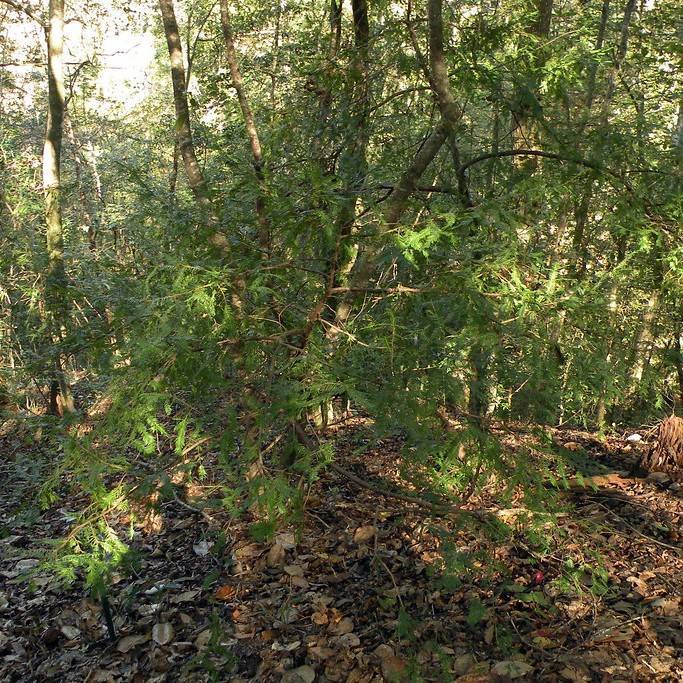
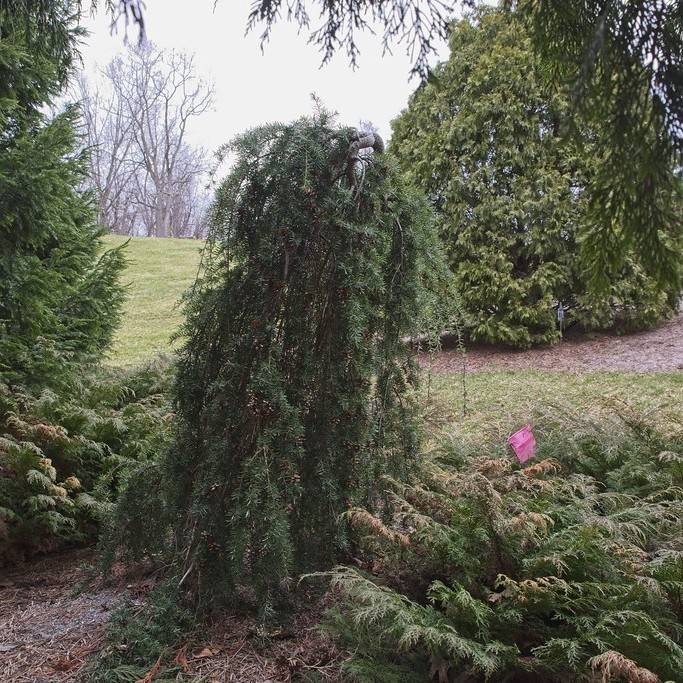
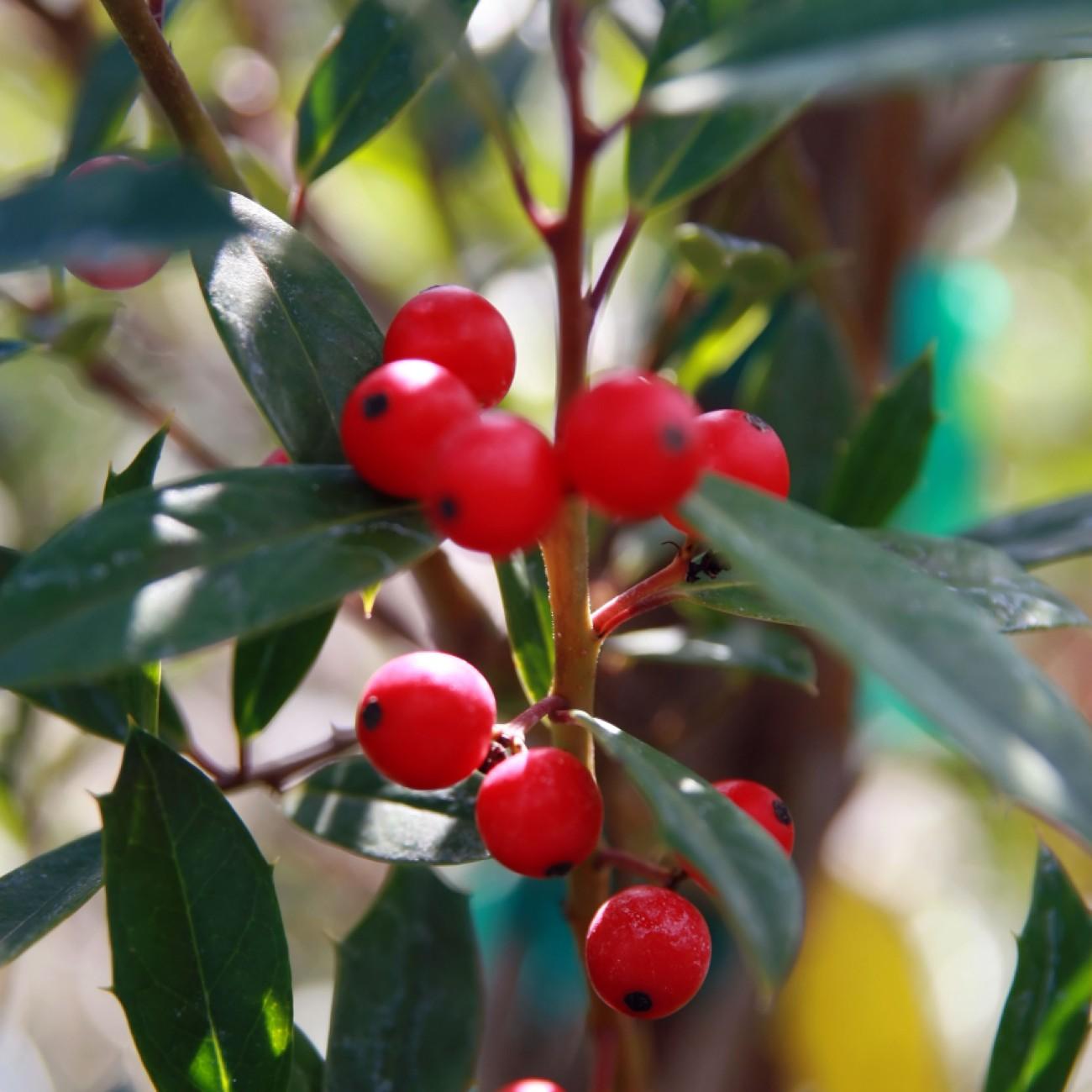
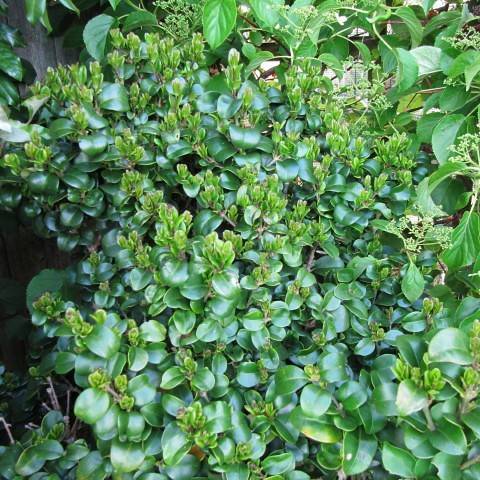
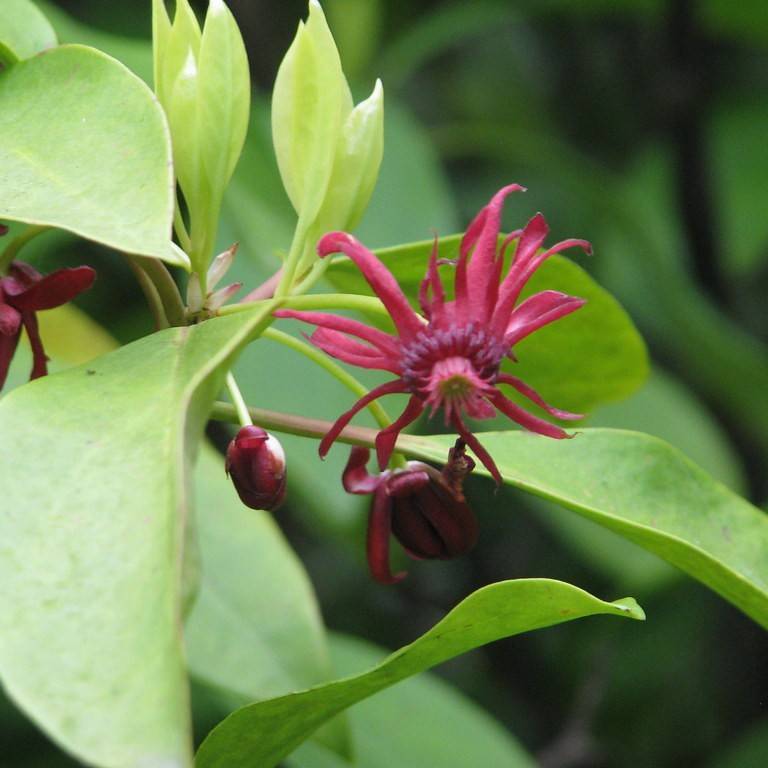
The Florida Anise Tree is a dense, rounded evergreen shrub that thrives in the moist, shaded understories of southeastern hardwood forests and wetland edges. It produces unusual, 2-inch wide maroon flowers with numerous slender petals in spring, followed by star-shaped seed pods that emit a strong licorice scent when crushed. Unlike its close relative Chinese star anise (Illicium verum), this species is highly toxic and not intended for culinary use, making it primarily grown for ornamental and landscape purposes.
Care Guide
Watering
Florida Anise Trees prefer consistently moist, well-drained soil and should be watered regularly to prevent the root zone from drying out, especially during hot, dry periods. Established plants have moderate drought tolerance, but prolonged dryness can cause leaf browning and premature drop; avoid overwatering in poorly drained soils to prevent root rot.
Light
This shrub grows best in partial to full shade, making it ideal for shaded landscape spots where many other flowering plants struggle. It can tolerate limited morning sun, but intense afternoon sunlight will scorch its glossy leaves, causing yellowing and foliar damage.
Soil
Florida Anise Trees thrive in rich, acidic, loamy soils with high organic matter content, matching the forest understory conditions of their native range. They can tolerate occasional seasonal flooding and wet soils, making them suitable for rain gardens or low-lying damp areas, but they will not perform well in alkaline or heavy compacted soils.
Fertilizer
Feed established plants in early spring with a slow-release, acid-forming fertilizer designed for evergreen shrubs to support new growth and flowering. Avoid over-fertilizing, as excess nitrogen can reduce flowering and lead to weak, leggy growth; young plants can benefit from a light application of compost or organic mulch around the root zone each year to boost soil nutrients.
Temperature
This species is hardy in USDA zones 7 through 10, tolerating minimum temperatures as low as 0°F (-18°C) once established. It prefers warm, humid climates typical of the Southeast, and prolonged exposure to temperatures below 10°F (-12°C) may cause dieback of tender new growth, which can be pruned away in spring.
Pruning
Prune Florida Anise Trees in late winter or early spring before new growth emerges to shape the shrub, remove dead or damaged branches, and control its size. It tolerates heavy pruning well and can be sheared into a formal hedge, but avoid cutting back into old, bare wood, as it may not resprout reliably from these areas.
Propagation
The most reliable propagation method is from semi-hardwood cuttings taken in late summer, rooted in a moist, well-drained medium under high humidity. It can also be grown from fresh seeds harvested from mature seed pods in fall, though seeds require 3-4 months of cold stratification to germinate, and seedlings may take 3-4 years to reach flowering size.
Humidity
Florida Anise Trees prefer high humidity levels of 60% or higher, consistent with their native wetland and forest understory habitats. In drier climates, regular misting or placing a layer of organic mulch around the base of the plant can help retain moisture and raise ambient humidity around the foliage.
Repotting
When grown in containers, repot young Florida Anise Trees every 2-3 years in early spring, using a slightly larger pot with acidic, well-drained potting mix formulated for acid-loving shrubs. Mature container-grown plants can be repotted every 4-5 years, with annual top-dressing of fresh compost to replenish nutrients between repotting sessions.
Uses & Symbolism
Florida Anise Tree is widely used as an ornamental shrub in shaded landscapes, rain gardens, and native plant gardens, valued for its evergreen foliage, unusual spring flowers, and deer-resistant properties. Its dense growth habit makes it an effective privacy screen or informal hedge in low-light areas, and its aromatic leaves are sometimes used in potpourri (though not for consumption).
Diseases & Pests
This species is relatively pest and disease resistant, though it can be susceptible to fungal leaf spot and root rot in poorly drained, overly saturated soils. Scale insects and spider mites may occasionally infest stressed plants, particularly those grown in too much sun or very dry conditions, and can be controlled with horticultural oil or insecticidal soap.
Related plants
Other plants you might like if you grow Florida Anise Tree.