Florida Yew
Taxus floridana
Overview
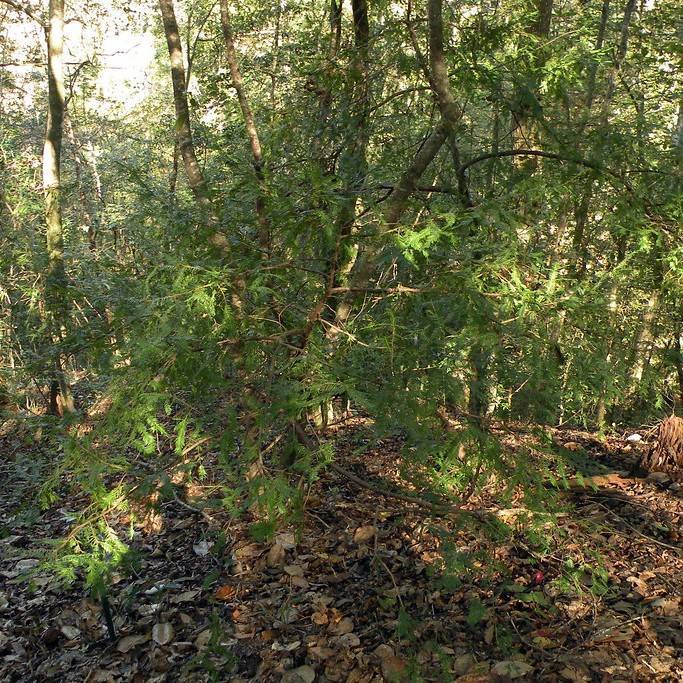
Florida Yew is a critically endangered evergreen conifer native exclusively to a small 90-square-mile range in Gadsden and Liberty counties, Florida, where it grows in cool, shaded ravine slopes. It features dark green, flat needle-like leaves and inconspicuous flowers, with female plants producing small, fleshy red arils that hold toxic seeds. This species is closely related to other yews, and like its relatives, it produces the anti-cancer compound taxol, making it of significant pharmaceutical interest.
Care Guide
Watering
Florida Yew requires consistently moist, well-drained soil and is intolerant of prolonged drought. Water deeply whenever the top 1 to 2 inches of soil feels dry, avoiding waterlogged conditions that can trigger root rot. In its native habitat, it receives regular rainfall, so replicate this moisture level in cultivation, particularly during hot, dry summer months.
Light
This understory species thrives in partial to full shade, mimicking the dappled sunlight it receives under the canopy of mature hardwoods in its native range. It can tolerate brief periods of morning sun, but intense midday or afternoon direct sun will scorch its delicate needles and stunt growth. Avoid full sun locations entirely for best health and foliage appearance.
Soil
Florida Yew prefers acidic, loamy, sandy, or clay soils rich in organic matter, with a pH range of 5.0 to 6.5. The soil must drain well to prevent root rot, as the plant is highly sensitive to standing water around its root zone. Amend heavy clay or sandy soils with compost or leaf mold to improve structure, nutrient content, and moisture retention before planting.
Fertilizer
Feed Florida Yew sparingly in early spring with a slow-release, balanced evergreen fertilizer formulated for acid-loving plants. Avoid over-fertilization, which can cause root burn and damage the plant’s sensitive root system, especially in young or newly transplanted specimens. Skip fertilization in late summer and fall, as new growth produced during these periods may be damaged by winter cold.
Temperature
This species is adapted to the mild, humid climate of the Florida panhandle, thriving in USDA hardiness zones 8a to 9b. It can tolerate occasional winter lows down to 10°F (-12°C) for short periods, but prolonged freezing temperatures may damage foliage. It prefers average summer temperatures between 70°F and 90°F (21°C to 32°C) and benefits from protection against harsh, drying winter winds.
Pruning
Prune Florida Yew in late winter or early spring before new growth emerges to shape the plant or remove dead, damaged, or diseased branches. It tolerates light pruning well and can be sheared into formal hedges if desired, though avoid cutting back into old, bare wood, as the plant will not resprout from these areas. Always wear gloves when pruning to avoid contact with toxic plant sap.
Propagation
Florida Yew is most commonly propagated from semi-hardwood cuttings taken in late summer or early fall, as seed propagation is slow and unreliable, requiring 1 to 2 years of cold stratification to germinate. Dip cuttings in rooting hormone before planting in a moist, well-drained rooting medium, and keep them under high humidity until roots develop, which typically takes 3 to 6 months. Note that all propagation materials are toxic, so handle with care and keep away from children and pets.
Humidity
This species prefers moderate to high humidity levels between 50% and 70%, consistent with its native humid ravine habitat. In dry indoor or arid outdoor environments, increase humidity by misting the foliage regularly, placing a tray of water and pebbles near the plant, or using a humidifier to prevent needle browning and drop. Avoid placing it near heating or cooling vents that produce dry, moving air.
Repotting
If grown in containers, repot Florida Yew every 2 to 3 years in early spring, before new growth begins, using a slightly larger container with ample drainage holes. Use an acidic, well-drained potting mix formulated for evergreens or acid-loving plants, and be gentle when handling the root ball to avoid damaging the plant’s sensitive root system. After repotting, water thoroughly and keep the plant in shaded location for a week to reduce transplant shock.
Uses & Symbolism
Florida Yew is cultivated as an ornamental evergreen for shaded landscapes, valued for its dense, dark green foliage and tolerance of pruning into formal hedges or screens. It is also a source of the anti-cancer drug taxol, with its bark and needles containing the compound, though sustainable harvesting practices are required to protect its remaining wild populations. Due to its rarity, it is also used in conservation and native plant restoration projects within its native Florida panhandle range.
Diseases & Pests
Florida Yew is susceptible to root rot caused by overwatering or poorly drained soil, which presents as yellowing needles, wilting, and eventual plant death if left unaddressed. Common pests include scale insects, yew mealybugs, and spider mites, which feed on sap and cause needle discoloration, stunted growth, and foliage drop. It may also develop needle blight fungal infections in excessively humid, poorly ventilated conditions, leading to brown, dying foliage that should be pruned and destroyed to prevent spread.
Related plants
Other plants you might like if you grow Florida Yew.