%22%2F%3E%0A%20%20%20%20%20%20%3Ccircle%20cx%3D%22920%22%20cy%3D%22180%22%20r%3D%2290%22%20fill%3D%22%23cfe8d5%22%2F%3E%0A%20%20%20%20%20%20%3Cpath%20d%3D%22M600%20590c-90-180-215-255-310-280%200%20165%20118%20296%20270%20296h40z%22%20fill%3D%22%2379b88e%22%2F%3E%0A%20%20%20%20%20%20%3Cpath%20d%3D%22M600%20590c80-150%20198-212%20302-228-8%20142-123%20255-270%20255h-32z%22%20fill%3D%22%235c9f73%22%2F%3E%0A%20%20%20%20%20%20%3Cpath%20d%3D%22M600%20610V360%22%20stroke%3D%22%234f8c64%22%20stroke-width%3D%2218%22%20stroke-linecap%3D%22round%22%2F%3E%0A%20%20%20%20%20%20%3Ctext%20x%3D%22600%22%20y%3D%22700%22%20text-anchor%3D%22middle%22%20font-family%3D%22Arial%2C%20sans-serif%22%20font-size%3D%2244%22%20fill%3D%22%23365c45%22%3E%0A%20%20%20%20%20%20%20%20Plant%20image%20coming%20soon%0A%20%20%20%20%20%20%3C%2Ftext%3E%0A%20%20%20%20%3C%2Fsvg%3E%0A%20%20)
Flexile Milkvetch
Astragalus flexuosus
Overview
Flexile milkvetch is a hardy herbaceous perennial named for its slender, often bending or wavy stems that emerge from a deep taproot. It blooms from late spring to mid-summer, producing clusters of small, delicate pea-shaped flowers that range from pale lavender to creamy white, followed by narrow, hairy seed pods. As a member of the legume family, it forms symbiotic relationships with soil bacteria to fix atmospheric nitrogen, improving soil fertility in its native dry prairie, badland, and open woodland habitats.
Care Guide
Watering
Flexile milkvetch is highly drought-tolerant once established, requiring only occasional supplemental watering during extended dry periods, as excessive moisture can lead to root rot. Young plants need consistent, light moisture to help their deep taproots establish, but should never be left in saturated soil.
Light
This species thrives in full, direct sunlight, requiring a minimum of 6 hours of unobstructed sun per day to produce abundant blooms and maintain sturdy growth. It can tolerate very light partial shade, but shaded conditions will lead to leggy stems and reduced flowering.
Soil
Flexile milkvetch prefers well-drained, sandy, loamy, or gravelly soils with a neutral to slightly alkaline pH, and is well-adapted to poor, low-nutrient soils. It will not survive in heavy clay or poorly drained soils that hold standing water for extended periods, as this will quickly rot its deep taproot.
Fertilizer
As a nitrogen-fixing legume, flexile milkvetch does not require regular fertilization, and excess nitrogen fertilizer will actually reduce its ability to form beneficial root nodules with rhizobium bacteria. A very light application of phosphorus-rich fertilizer in early spring can support root development for young plants, but mature plants need no supplemental feeding.
Temperature
This species is adapted to a wide range of temperate climates, thriving in USDA hardiness zones 3 through 8, and tolerating extreme winter temperatures as low as -40°F (-40°C). It can withstand high summer temperatures and dry heat very well, but struggles in hot, humid climates with consistent summer rainfall.
Pruning
Flexile milkvetch requires very little pruning; spent flower stalks can be clipped back after blooming if you wish to prevent self-seeding, or left in place to provide food for seed-eating birds. In late winter or early spring, dead or damaged stems can be cut back to the base to encourage fresh, healthy new growth.
Propagation
Flexile milkvetch is most easily propagated from seed, which requires scarification (scratching or nicking the hard seed coat) and a 30-day cold stratification period to break dormancy and achieve reliable germination. It can also be propagated from root cuttings taken from mature dormant plants in late winter, but its deep taproot makes division of established plants difficult and often unsuccessful.
Humidity
This species prefers low to moderate humidity levels, and is highly adapted to the dry air of prairie and semi-arid habitats. High humidity combined with warm temperatures increases the risk of fungal foliar diseases, so plants should be spaced adequately to allow for good air circulation.
Repotting
Flexile milkvetch is rarely grown in containers due to its long, deep taproot, which can grow several feet deep and requires ample room to develop. If grown in a pot, use a very deep container at least 2 feet deep, and repot only when roots begin to emerge from the drainage holes, taking extreme care not to damage the taproot during the process.
Uses & Symbolism
Flexile milkvetch is a valuable native plant for prairie restoration and pollinator gardens, providing nectar and pollen for native bees, butterflies, and specialist pollinators that feed exclusively on Astragalus species. Its deep taproot helps stabilize soil in erodible areas such as badlands and roadside slopes, and its nitrogen-fixing ability improves soil health for surrounding plants. Historically, some Indigenous groups used small quantities of the plant for medicinal purposes, though its toxicity makes internal consumption unsafe without expert preparation.
Diseases & Pests
Flexile milkvetch is relatively resistant to most pests and diseases, but can be affected by fungal root rot in poorly drained, overly moist soils. Aphids and spider mites may occasionally feed on young, tender foliage, but infestations are rarely severe and can be controlled with a strong spray of water or insecticidal soap if needed. In areas with high selenium levels in the soil, the plant can bioaccumulate the element, increasing its toxicity to grazing animals.
Related plants
Other plants you might like if you grow Flexile Milkvetch.
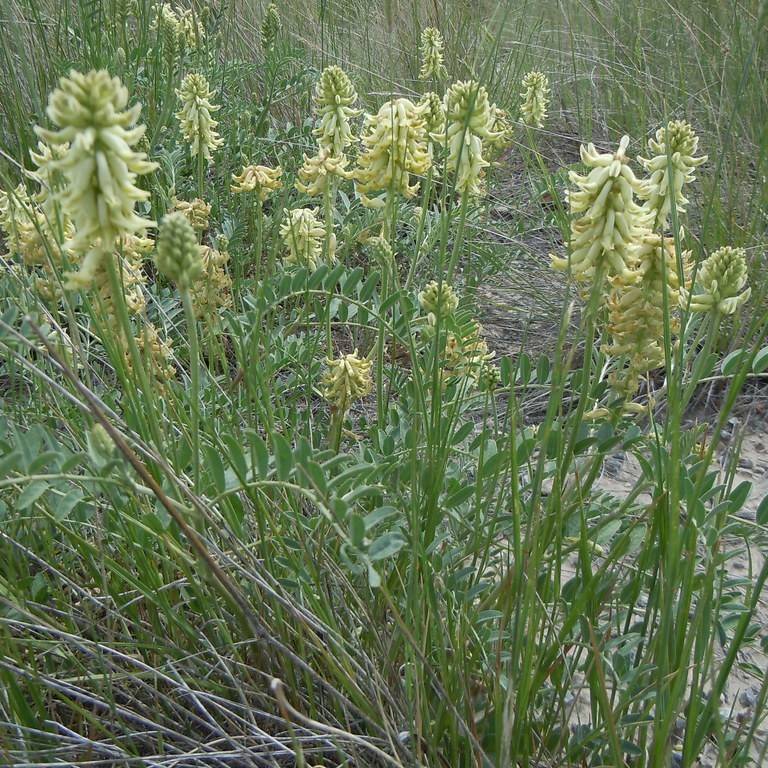
Cooper's Milkvetch
Astragalus neglectus
Bent Flowered Milk Vetch
Astragalus flexuosus
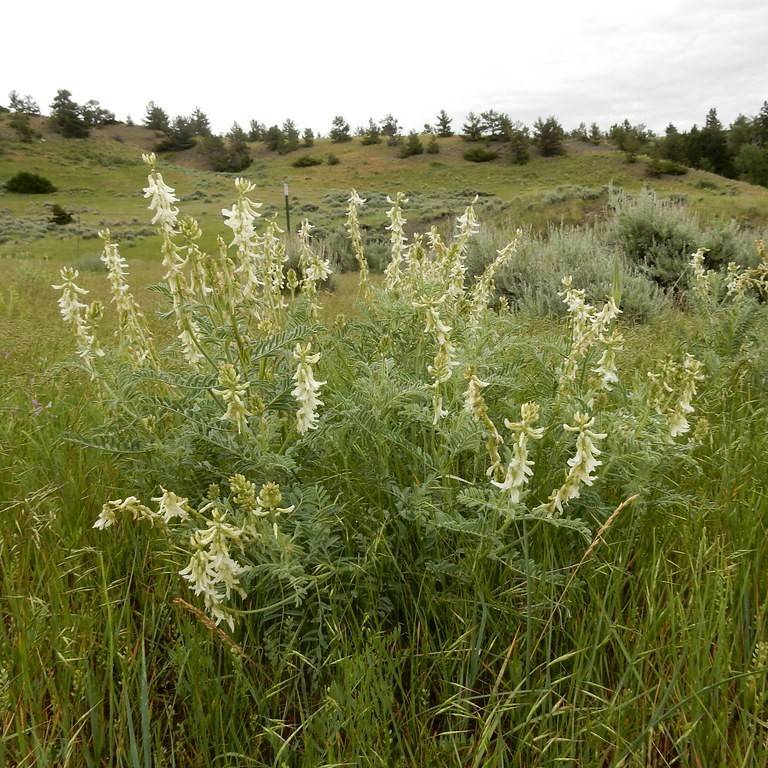
Drummond's Milk Vetch
Astragalus drummondii
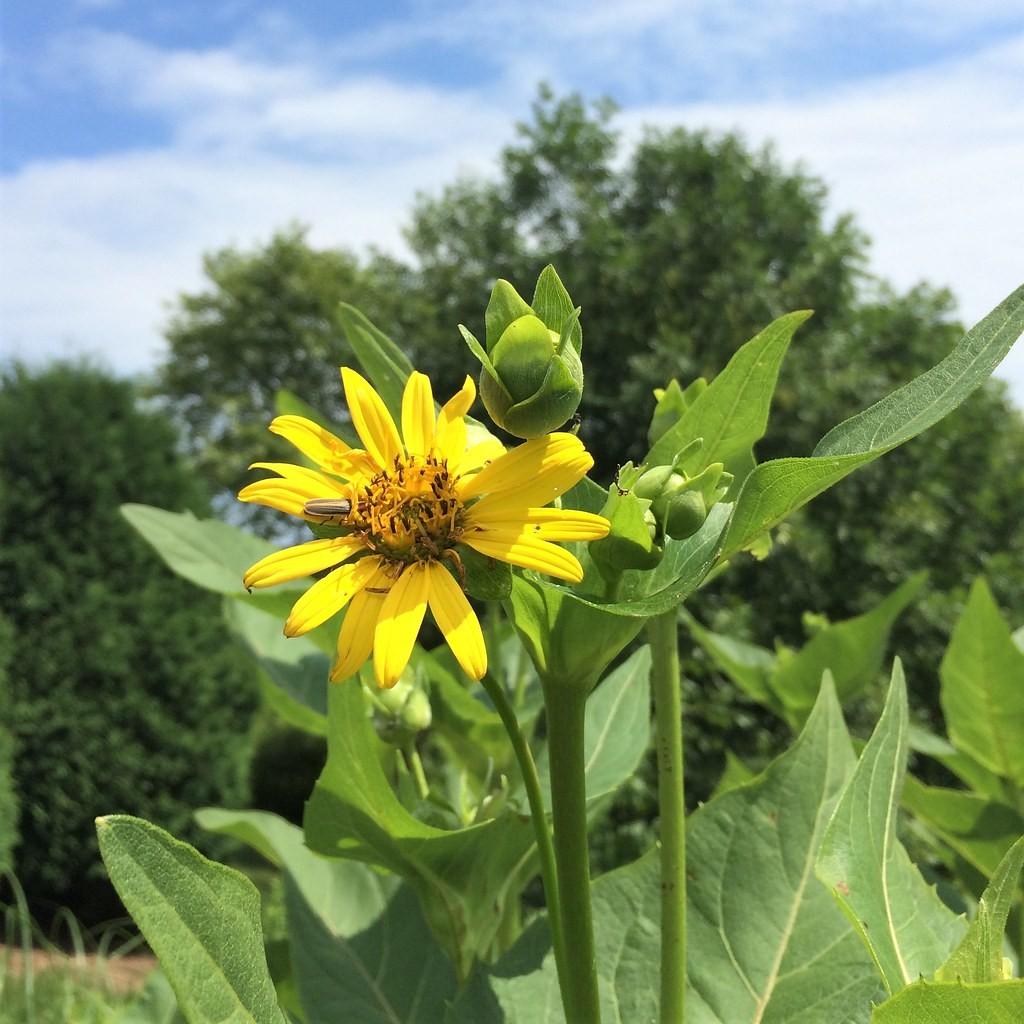
Compass Plant
Silphium laciniatum
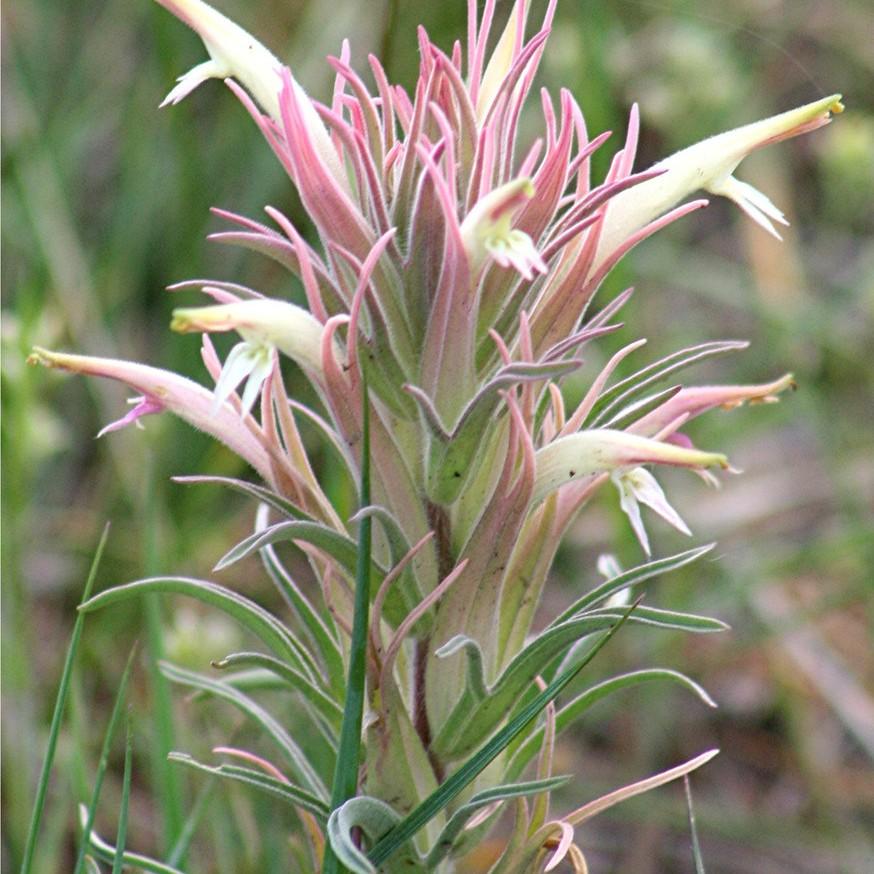
Downy Paintbrush
Castilleja sessiliflora
Curved Pod Astragalus
Astragalus curvicarpus
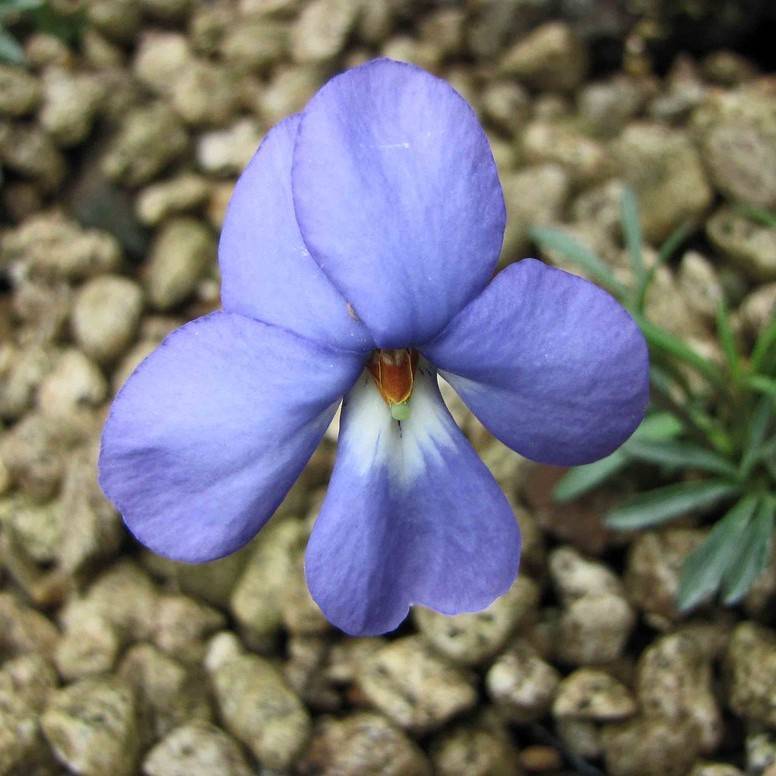
Bird's Foot Violet
Viola pedata
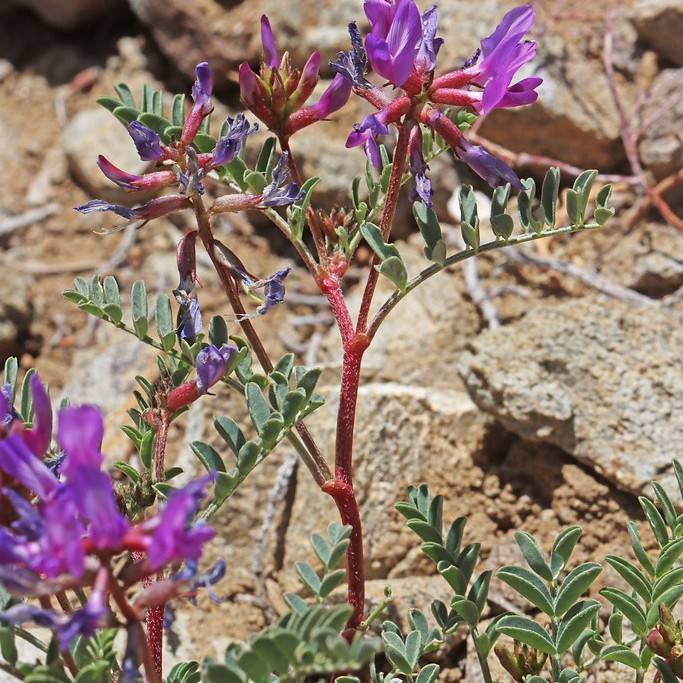
Freckled Milk Vetch
Astragalus lentiginosus