%22%2F%3E%0A%20%20%20%20%20%20%3Ccircle%20cx%3D%22920%22%20cy%3D%22180%22%20r%3D%2290%22%20fill%3D%22%23cfe8d5%22%2F%3E%0A%20%20%20%20%20%20%3Cpath%20d%3D%22M600%20590c-90-180-215-255-310-280%200%20165%20118%20296%20270%20296h40z%22%20fill%3D%22%2379b88e%22%2F%3E%0A%20%20%20%20%20%20%3Cpath%20d%3D%22M600%20590c80-150%20198-212%20302-228-8%20142-123%20255-270%20255h-32z%22%20fill%3D%22%235c9f73%22%2F%3E%0A%20%20%20%20%20%20%3Cpath%20d%3D%22M600%20610V360%22%20stroke%3D%22%234f8c64%22%20stroke-width%3D%2218%22%20stroke-linecap%3D%22round%22%2F%3E%0A%20%20%20%20%20%20%3Ctext%20x%3D%22600%22%20y%3D%22700%22%20text-anchor%3D%22middle%22%20font-family%3D%22Arial%2C%20sans-serif%22%20font-size%3D%2244%22%20fill%3D%22%23365c45%22%3E%0A%20%20%20%20%20%20%20%20Plant%20image%20coming%20soon%0A%20%20%20%20%20%20%3C%2Ftext%3E%0A%20%20%20%20%3C%2Fsvg%3E%0A%20%20)
Curved Pod Astragalus
Astragalus curvicarpus
Overview
Curved Pod Astragalus is a hardy herbaceous perennial adapted to arid and semi-arid western North American ecosystems, thriving in rocky, well-drained soils at mid to high elevations. It produces dense clusters of pea-like pale lavender, purple, or white blooms in late spring, followed by its signature curved, inflated seed pods that give the plant its common name. As a legume, it forms symbiotic relationships with soil bacteria to fix atmospheric nitrogen, improving soil fertility for neighboring plants in its native habitat.
Care Guide
Watering
This drought-tolerant species requires very little supplemental water once established, only needing irrigation during extended periods of extreme drought to prevent excessive wilting. Overwatering is the most common cause of stress in cultivation, as it leads to root rot; allow the entire soil profile to dry out completely between waterings. Seedlings require slightly more frequent, light watering to support root establishment, but reduce frequency as the plant matures.
Light
Curved Pod Astragalus requires full, direct sunlight for at least 6 to 8 hours per day to produce robust growth and abundant flowering. It will not thrive in partial or full shade, where it becomes leggy, produces few blooms, and is more susceptible to fungal pathogens. In cultivation, position it in an unobstructed south or west-facing location to meet its high light requirements.
Soil
It prefers well-drained, rocky or sandy, low-fertility soils with a neutral to slightly alkaline pH, matching the conditions of its native dry grassland and sagebrush steppe habitats. Heavy, clay-heavy soils that retain moisture are unsuitable, as they cause rapid root rot and plant death. Amend heavy garden soils with coarse sand, perlite, or gravel to improve drainage before planting, and avoid adding nutrient-rich compost that can disrupt its adaptation to low-nutrient conditions.
Fertilizer
This species is adapted to low-nutrient soils and rarely requires supplemental fertilization, as excessive nutrients will promote weak, leggy growth and reduce flowering. Its nitrogen-fixing root nodules allow it to source its own nitrogen from the atmosphere, eliminating the need for nitrogen-containing fertilizers. If grown in extremely poor, nutrient-depleted soil, apply a small amount of low-nitrogen, slow-release fertilizer once per year in early spring at half the recommended dosage.
Temperature
Curved Pod Astragalus is cold-hardy, tolerating winter temperatures as low as -30°F (-34°C) in USDA hardiness zones 4 through 8, and is well-adapted to the wide diurnal temperature fluctuations common in its native high-elevation habitats. It thrives in warm summer temperatures between 60°F and 90°F (15°C to 32°C), but will go dormant early if exposed to extended periods of temperatures above 95°F (35°C). It does not tolerate high humidity combined with warm temperatures, which increases the risk of fungal disease.
Pruning
Pruning is minimal for this low-growing species; remove spent flower stalks after blooming if you wish to prevent self-seeding and encourage a tidier growth habit. Cut back any dead or damaged foliage in early spring before new growth emerges to improve air circulation around the base of the plant. Avoid heavy pruning, as this can damage the plant’s woody root crown and reduce its ability to regrow.
Propagation
Curved Pod Astragalus is most commonly propagated from seed, which requires scarification (nicking the hard seed coat with a file or soaking in hot water for 12 to 24 hours) to break dormancy and improve germination rates. Sow seeds directly outdoors in late fall, allowing natural cold stratification over winter, or start them indoors 8 to 10 weeks before the last expected frost, transplanting seedlings outside once all risk of frost has passed. Vegetative propagation is rarely successful, as the plant’s deep taproot does not tolerate division or stem cuttings well.
Humidity
This species prefers low to moderate humidity levels between 20% and 50%, matching the dry conditions of its native western North American habitats. High humidity levels above 60%, especially when combined with warm temperatures and poor air circulation, increase the risk of fungal leaf spots and root rot. In areas with high summer humidity, ensure plants are spaced far apart and positioned in a location with constant airflow to reduce moisture buildup on foliage.
Repotting
Curved Pod Astragalus develops a deep, fragile taproot and is rarely grown in containers, as it quickly outgrows pots and suffers from root disturbance. If grown in a container, repot only when absolutely necessary, such as when roots are visibly growing through the drainage holes, and use a deep pot to accommodate the taproot. Handle the root ball extremely carefully during repotting to avoid damaging the taproot, as even minor injury can cause the plant to die back.
Uses & Symbolism
In its native range, Curved Pod Astragalus is used in ecological restoration projects to stabilize eroding rocky soils, improve soil fertility via nitrogen fixation, and provide forage for native pollinators including bumblebees and solitary bees. It is occasionally grown in xeriscape and native plant gardens for its drought tolerance, delicate spring blooms, and unique curved seed pods that add textural interest to low-water landscapes. While some Astragalus species are used in traditional medicine, this species is not consumed due to its high toxic alkaloid content.
Diseases & Pests
Curved Pod Astragalus is relatively pest and disease resistant when grown in its preferred dry, well-drained conditions, but overwatering and high humidity can lead to fungal root rot, powdery mildew, and leaf spot diseases. Aphids and spider mites may occasionally infest stressed plants, especially those grown in partial shade or with insufficient air circulation, and can be controlled with insecticidal soap or neem oil. Livestock grazing is a common threat in wild habitats, as consumption of the plant over time causes fatal locoism in cattle, sheep, and horses.
Related plants
Other plants you might like if you grow Curved Pod Astragalus.
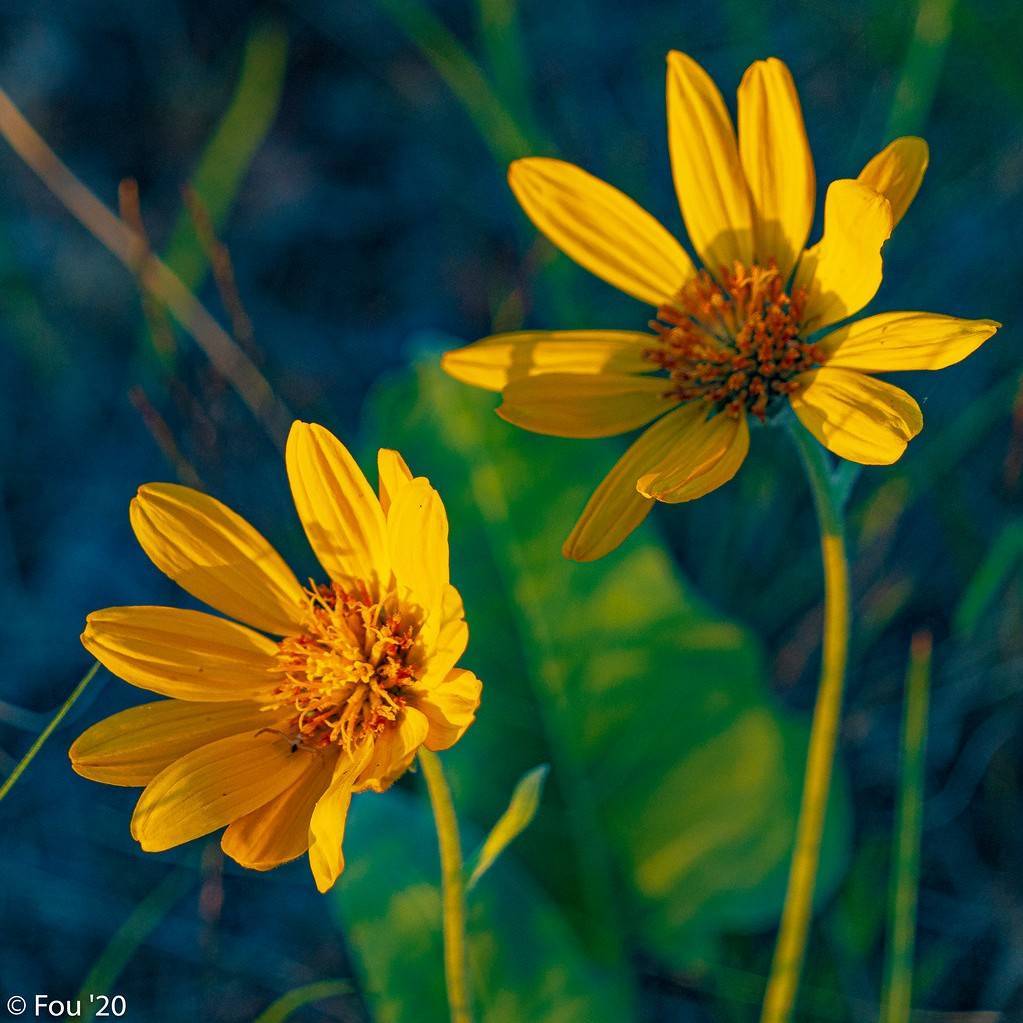
Hooker's Balsamroot
Balsamorhiza hookeri
Fernald's Milk Vetch
Astragalus fernaldii
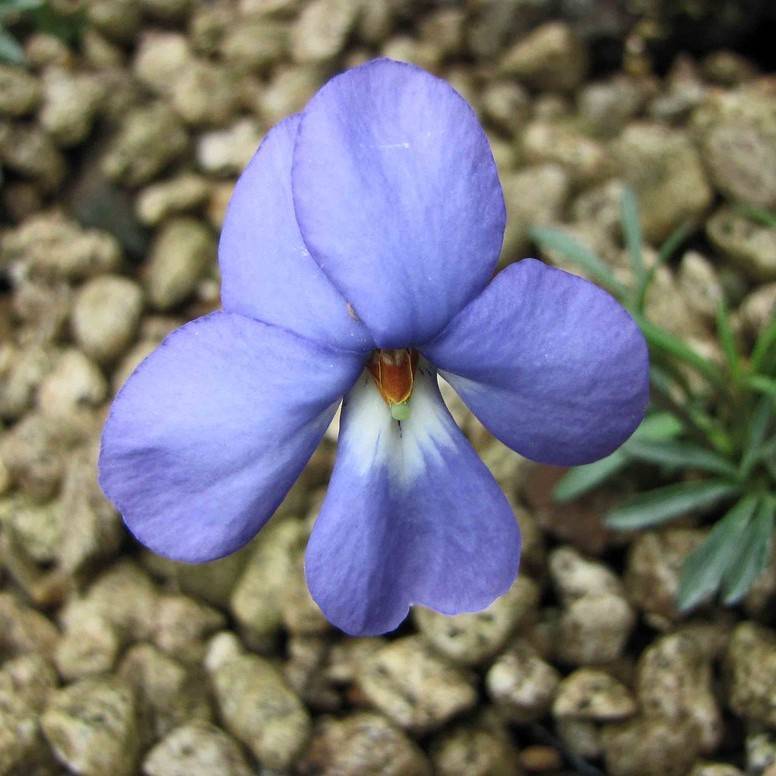
Bird's Foot Violet
Viola pedata
Flexile Milkvetch
Astragalus flexuosus
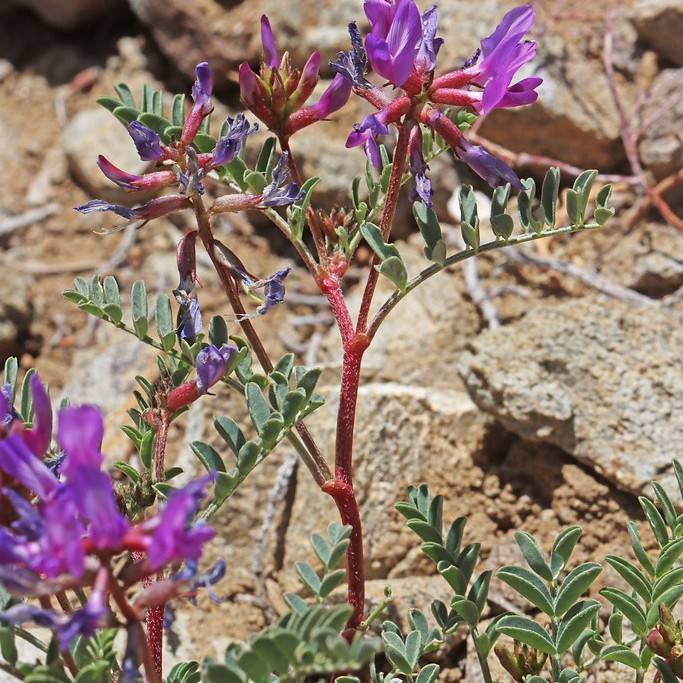
Freckled Milk Vetch
Astragalus lentiginosus
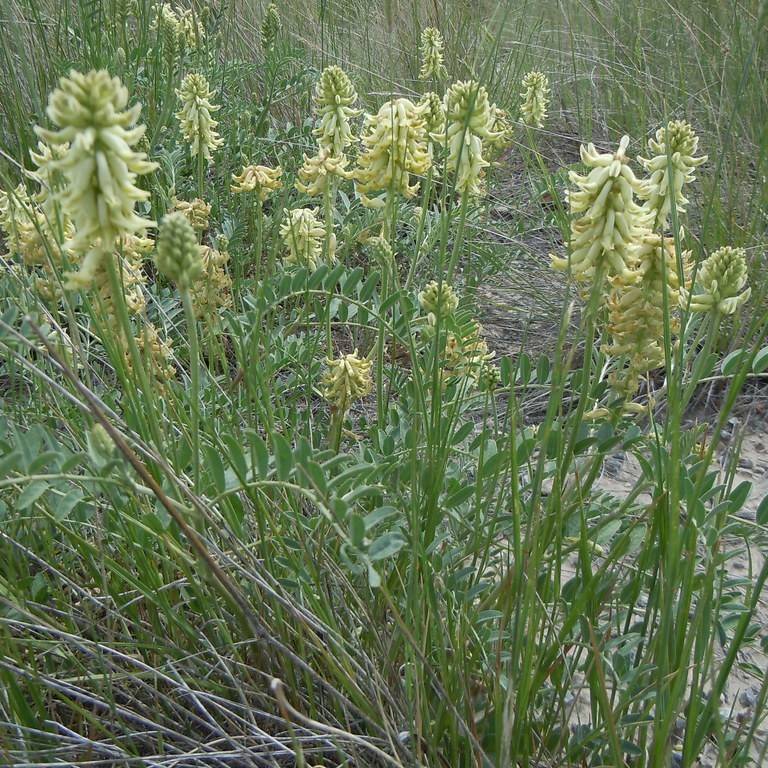
Cooper's Milkvetch
Astragalus neglectus
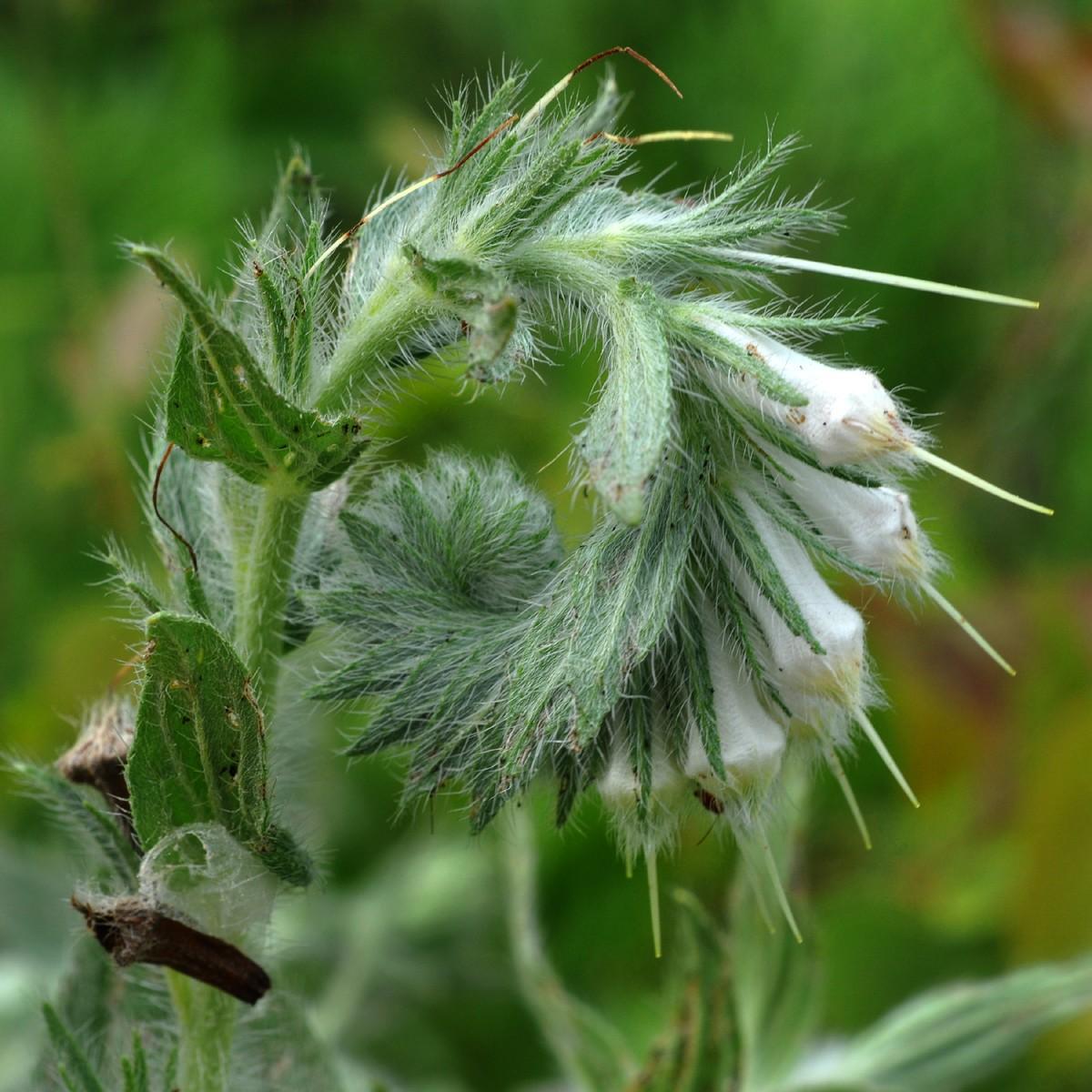
False Gromwell
Lithospermum officinale
Bent Flowered Milk Vetch
Astragalus flexuosus