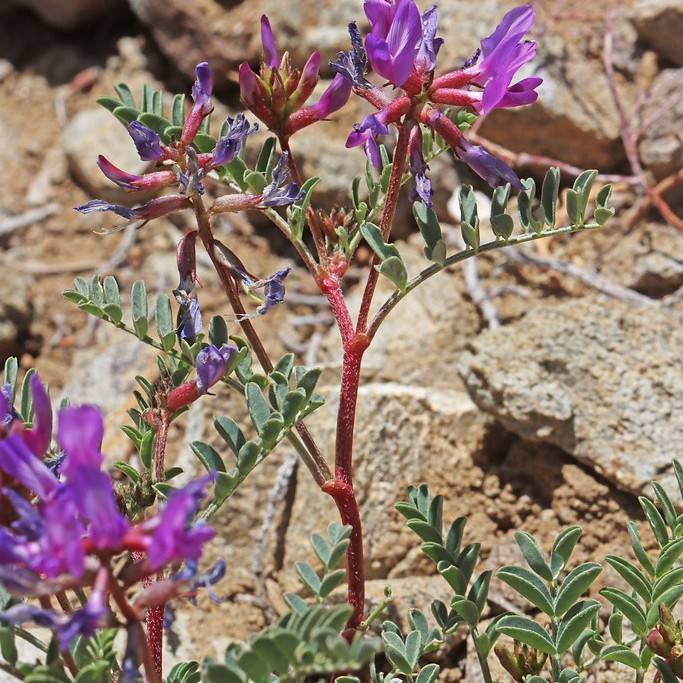
Freckled Milk Vetch
Astragalus lentiginosus
Overview
Freckled Milk Vetch is a sprawling or upright herbaceous perennial recognized for its inflated, mottled seed pods that give it its common name. It is a highly variable species with over 40 recognized varieties, each adapted to specific local habitats from desert valleys to mountain slopes. As a nitrogen-fixing legume, it improves soil fertility and supports a range of native pollinators, including bees and butterflies.
Care Guide
Watering
Freckled Milk Vetch is extremely drought-tolerant, requiring only occasional watering during extended dry periods once established. Overwatering, especially in poorly drained soil, will quickly cause root rot, so allow the soil to dry out completely between waterings. Young plants may need light, infrequent watering to establish root systems, but mature specimens thrive on natural precipitation in their native range.
Light
This species requires full, direct sunlight for at least 6 hours per day to grow vigorously and produce abundant flowers and seed pods. It cannot tolerate shaded conditions, which lead to leggy growth and reduced flowering. Plant it in open, unobstructed locations to maximize sun exposure.
Soil
Freckled Milk Vetch prefers well-drained, sandy or gravelly loam soils with a neutral to slightly alkaline pH, mimicking its native dry, rocky habitats. It can tolerate poor, low-nutrient soils, as it fixes its own nitrogen via symbiotic root bacteria. Heavy clay soils that retain moisture are unsuitable, as they promote fatal root rot.
Fertilizer
Fertilizer is generally unnecessary for Freckled Milk Vetch, as its nitrogen-fixing root nodules allow it to thrive in low-nutrient soils. Applying nitrogen-rich fertilizer will disrupt its natural symbiosis and lead to excessive, weak foliage growth at the expense of flowers and pods. If grown in extremely depleted soil, a light application of low-nitrogen, phosphorus-rich fertilizer once per year in early spring may support root development.
Temperature
This species is adapted to a wide range of temperatures, thriving in USDA hardiness zones 4 through 9. It can tolerate winter temperatures as low as -30°F (-34°C) and extreme summer heat above 100°F (38°C) in its native arid habitats. Frost will kill back above-ground foliage, but the root crown will resprout in spring when temperatures rise.
Pruning
Pruning is minimal for Freckled Milk Vetch; remove dead or damaged foliage in early spring before new growth emerges to improve air circulation. If self-seeding is undesirable, cut back spent flower stalks before seed pods mature and split open to release seeds. Avoid heavy pruning, as this can damage the root crown and reduce the plant’s lifespan.
Propagation
Freckled Milk Vetch is most commonly propagated from seed, which requires scarification (mechanical scratching of the seed coat) or cold stratification for 2-4 weeks to break dormancy and improve germination rates. Sow seeds directly outdoors in late fall or early spring, pressing them lightly into the soil surface and keeping them slightly moist until seedlings emerge. Vegetative propagation from root cuttings is possible but less reliable, as the plant has a deep taproot that does not tolerate disturbance well.
Humidity
This species prefers low to moderate humidity levels between 20% and 50%, consistent with its native arid and semi-arid western North American habitats. It does not tolerate high humidity, which can promote fungal leaf spots and root rot. Ensure good air circulation around plants if grown in areas with higher humidity to reduce disease risk.
Repotting
Freckled Milk Vetch is rarely grown in containers, as its long, deep taproot requires ample space to develop and does not tolerate disturbance well. If grown in a pot, use a deep, wide container at least 12 inches deep to accommodate the taproot, and repot only when roots are visibly emerging from drainage holes, taking extreme care not to damage the taproot during the process. Use a well-drained, sandy potting mix when repotting, and avoid watering for 3-5 days after transplanting to allow root damage to heal.
Uses & Symbolism
Freckled Milk Vetch is widely used in native habitat restoration projects to stabilize eroding soil, improve soil fertility via nitrogen fixation, and provide food for native pollinators and wildlife. Some Indigenous communities have used it in small quantities for traditional medicinal purposes, though its toxic selenium content limits safe consumption. It is also planted in xeriscape and drought-tolerant native gardens for its unique mottled seed pods and delicate spring flowers.
Diseases & Pests
Freckled Milk Vetch is relatively disease-resistant in its native habitat, but overwatering or high humidity can cause fungal root rot and leaf spot diseases. Common pests include aphids, which feed on new foliage, and weevils that lay eggs in its seed pods, reducing seed viability. It is also a host for the larval stage of several native butterfly species, which cause minor foliage damage that is rarely harmful to established plants.
Related plants
Other plants you might like if you grow Freckled Milk Vetch.
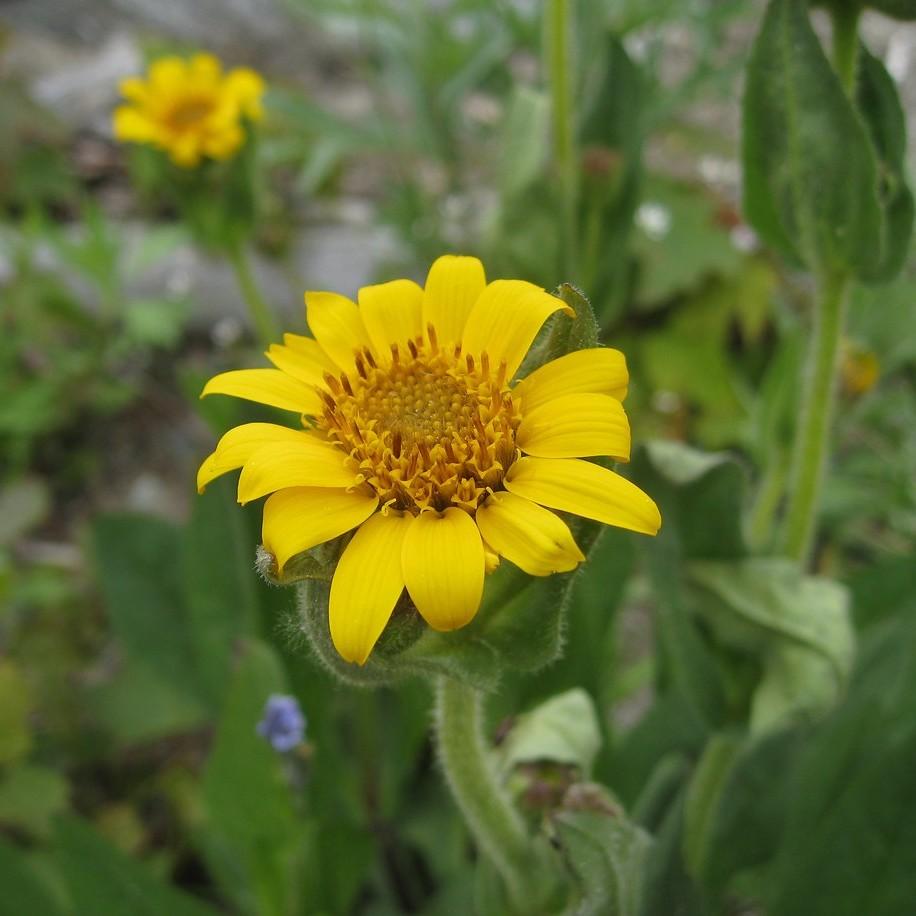
Carey's Balsamroot
Balsamorhiza careyana
%22%2F%3E%0A%20%20%20%20%20%20%3Ccircle%20cx%3D%22920%22%20cy%3D%22180%22%20r%3D%2290%22%20fill%3D%22%23cfe8d5%22%2F%3E%0A%20%20%20%20%20%20%3Cpath%20d%3D%22M600%20590c-90-180-215-255-310-280%200%20165%20118%20296%20270%20296h40z%22%20fill%3D%22%2379b88e%22%2F%3E%0A%20%20%20%20%20%20%3Cpath%20d%3D%22M600%20590c80-150%20198-212%20302-228-8%20142-123%20255-270%20255h-32z%22%20fill%3D%22%235c9f73%22%2F%3E%0A%20%20%20%20%20%20%3Cpath%20d%3D%22M600%20610V360%22%20stroke%3D%22%234f8c64%22%20stroke-width%3D%2218%22%20stroke-linecap%3D%22round%22%2F%3E%0A%20%20%20%20%20%20%3Ctext%20x%3D%22600%22%20y%3D%22700%22%20text-anchor%3D%22middle%22%20font-family%3D%22Arial%2C%20sans-serif%22%20font-size%3D%2244%22%20fill%3D%22%23365c45%22%3E%0A%20%20%20%20%20%20%20%20Plant%20image%20coming%20soon%0A%20%20%20%20%20%20%3C%2Ftext%3E%0A%20%20%20%20%3C%2Fsvg%3E%0A%20%20)
Curved Pod Astragalus
Astragalus curvicarpus
Flexile Milkvetch
Astragalus flexuosus
Hillside Milkvetch
Astragalus collinus
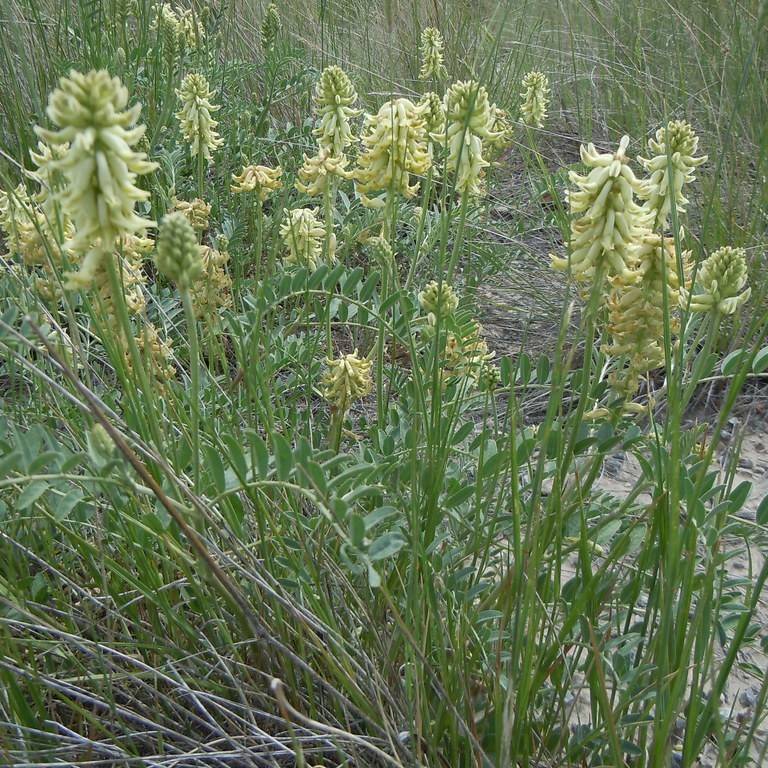
Cooper's Milkvetch
Astragalus neglectus
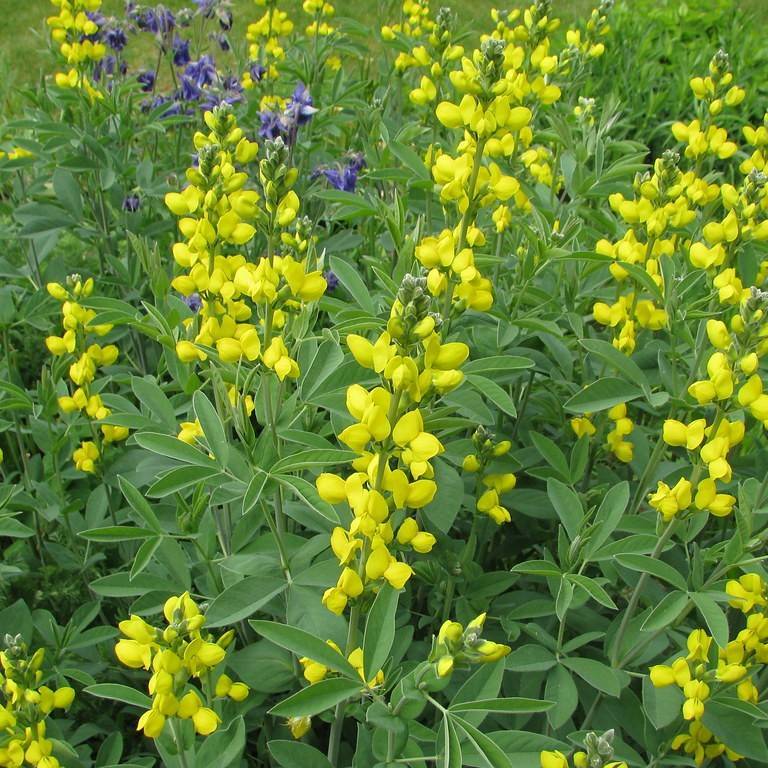
Carolina Lupine
Thermopsis villosa
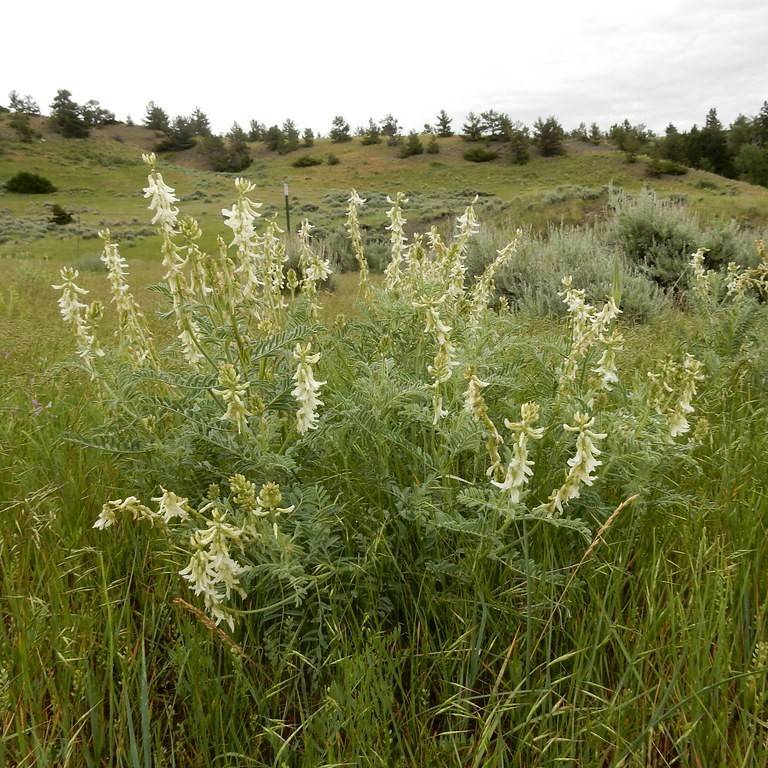
Drummond's Milk Vetch
Astragalus drummondii
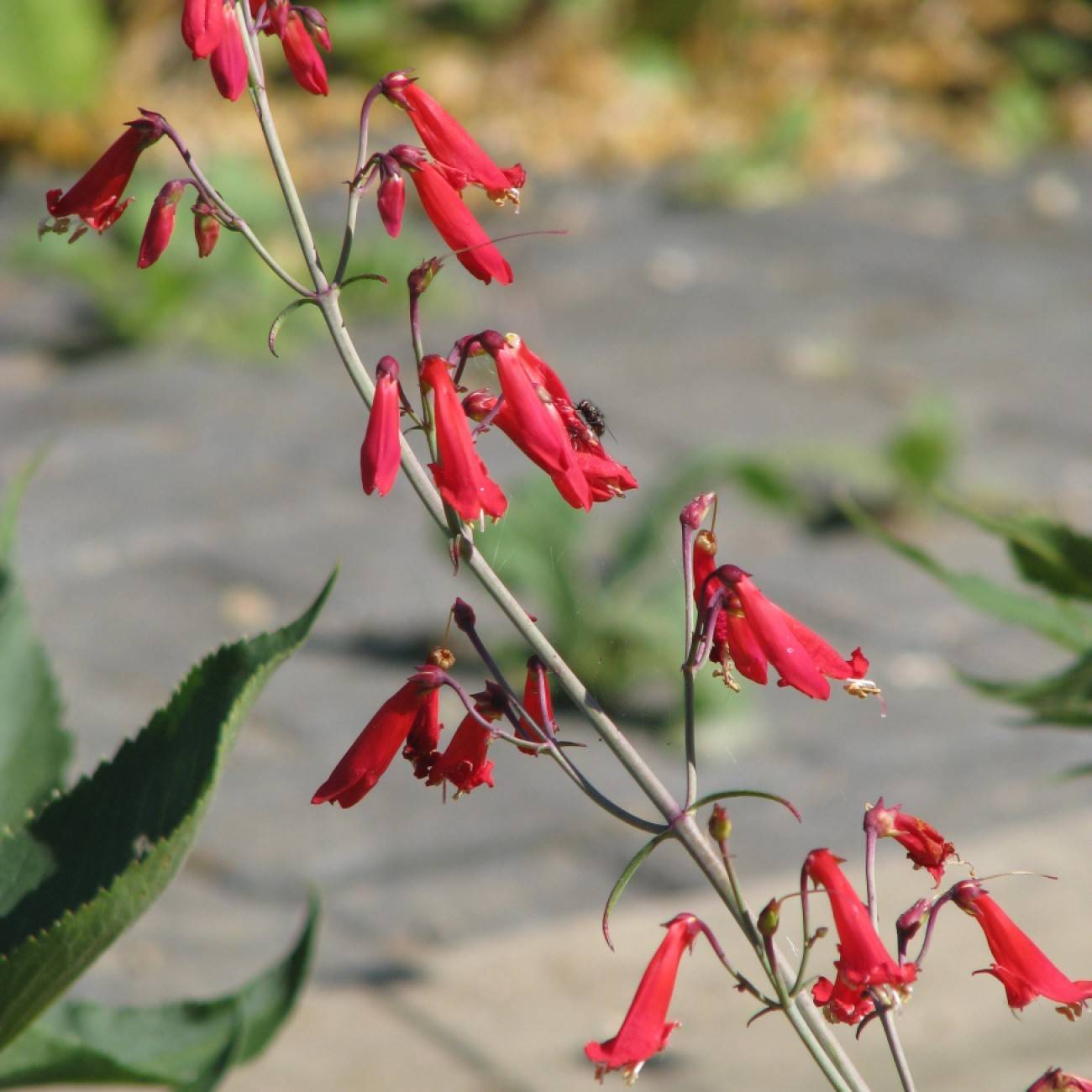
Bearded Penstemon
Penstemon barbatus