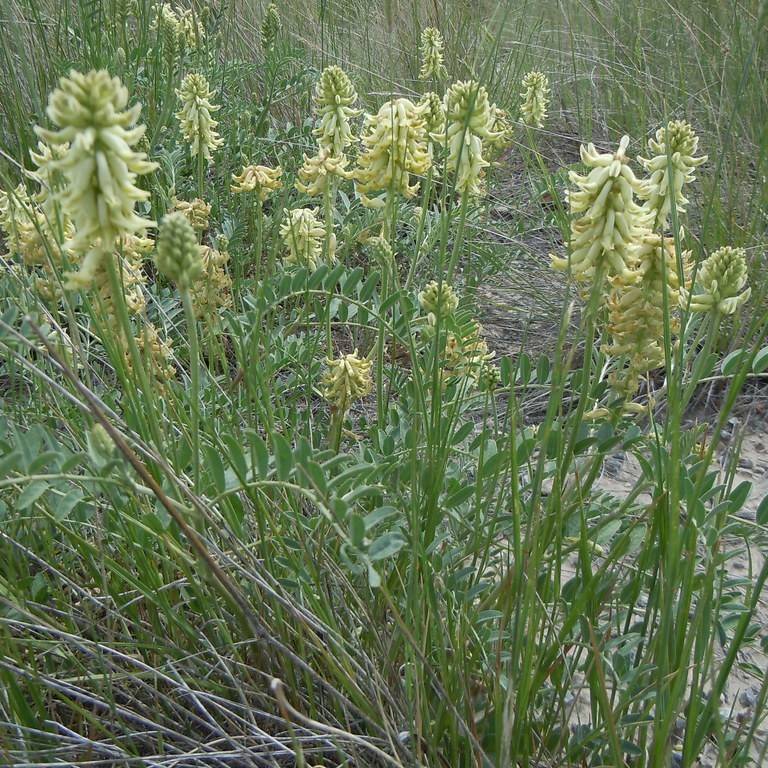
Cooper's Milkvetch
Astragalus neglectus
Overview
Cooper's Milkvetch, also called Cooper's Milk-vetch or Cooper's Locoweed, is a herbaceous perennial in the pea family native to moist prairies, meadows, and open woodlands across central and eastern North America. It produces dense spikes of small, pale lavender to white pea-like flowers from late spring to mid-summer, followed by curved, hairy seed pods that mature to a light brown in late summer. The plant has a deep, fibrous root system that helps stabilize soil and fix atmospheric nitrogen, making it a valuable component of native plant and prairie restoration projects.
Care Guide
Watering
Cooper's Milkvetch is adapted to moderately moist, well-drained sites and tolerates periodic drought once established, though it thrives with consistent, even moisture during its active growing season. Avoid overwatering or planting in waterlogged soils, as this can cause root rot and reduce plant vigor. During periods of extended drought, supplemental watering once every 7 to 10 days will support healthy growth and flowering.
Light
This species performs best in full sun, receiving at least 6 hours of direct, unfiltered sunlight per day to support robust growth and abundant flowering. It can tolerate partial shade, though plants grown in shadier conditions will produce fewer flowers, have a looser, more sprawling growth habit, and be more prone to pest issues. Avoid planting in full shade, as this will severely stunt growth and may eventually kill the plant.
Soil
Cooper's Milkvetch prefers well-drained, loamy or sandy loam soils with a neutral to slightly alkaline pH, though it adapts to a wide range of soil types including clay soils as long as drainage is adequate. As a legume, it forms a symbiotic relationship with nitrogen-fixing bacteria in the soil, allowing it to thrive in low-nutrient soils that would be unsuitable for many other flowering perennials. Avoid heavily compacted or permanently waterlogged soils, as these will damage the plant's deep root system.
Fertilizer
This plant rarely requires supplemental fertilizer, as its nitrogen-fixing root nodules allow it to source its own nitrogen from the atmosphere even in poor, low-nutrient soils. If planted in extremely nutrient-poor sandy soils, a light application of a balanced, slow-release 10-10-10 fertilizer in early spring can support initial growth, but over-fertilization will encourage excessive leaf growth at the expense of flowers. Avoid high-nitrogen fertilizers entirely, as these will disrupt the plant's natural nitrogen-fixing ability and reduce overall health.
Temperature
Cooper's Milkvetch is adapted to temperate North American climates, thriving in USDA hardiness zones 3 through 8, and tolerates winter temperatures as low as -40°F (-40°C) once established. It prefers warm summer temperatures between 65°F and 85°F (18°C and 29°C) for active growth and flowering, and can tolerate short periods of high heat above 90°F (32°C) if adequate soil moisture is available. Extreme, prolonged heat without supplemental water may cause the plant to go dormant early in late summer.
Pruning
Minimal pruning is required for Cooper's Milkvetch; spent flower spikes can be deadheaded after flowering if you wish to prevent self-seeding, though leaving the seed pods intact provides food for native seed-eating birds and supports natural reseeding in prairie or wildflower gardens. In late fall or early spring, cut back any dead, brown foliage to the ground to make room for new growth and reduce the risk of fungal disease overwintering on plant debris. Avoid heavy pruning during the active growing season, as this can stress the plant and reduce flowering in the following year.
Propagation
Cooper's Milkvetch is most easily propagated from seed, which requires a cold stratification period of 30 to 60 days at 33°F to 40°F (1°C to 4°C) to break dormancy, or mechanical scarification to nick the hard seed coat before sowing. Seeds can be sown directly outdoors in late fall, allowing natural winter cold to fulfill stratification requirements, or started indoors 8 to 10 weeks before the last expected frost date for transplanting in spring. Vegetative propagation from root cuttings is possible but less common, as the plant's deep taproot makes digging cuttings without damaging the parent plant difficult.
Humidity
This species tolerates a wide range of humidity levels, thriving in the moderate humidity typical of its native North American prairie and meadow habitats, with average relative humidity between 40% and 60%. It adapts well to both drier, semi-arid conditions and higher humidity, as long as soil drainage is adequate to prevent fungal growth on foliage and roots. Prolonged periods of very high humidity above 80% without good air circulation may increase the risk of powdery mildew and other foliar fungal diseases.
Repotting
Cooper's Milkvetch is rarely grown in containers, as its deep, extensive taproot requires ample room to grow and will quickly become restricted in pots, leading to stunted growth and poor health. If grown in a container for a short period, use a deep, wide pot at least 12 inches in diameter and depth, filled with a well-drained loamy potting mix, and repot only when roots begin to emerge from the drainage holes, typically every 2 to 3 years at most. When repotting, take great care not to damage the taproot, as injury to this structure can cause significant stress or death to the plant.
Uses & Symbolism
Cooper's Milkvetch is a popular addition to native wildflower gardens, prairie restoration projects, and pollinator habitats, as its nectar-rich flowers support a wide range of native bees, butterflies, and other beneficial insect species. Its deep, fibrous root system helps reduce soil erosion, fix atmospheric nitrogen to improve soil fertility, and support the health of surrounding plant communities in mixed native plantings. Though toxic to livestock, it is occasionally used in controlled native plant landscaping for its drought tolerance, low maintenance requirements, and attractive pale purple flower spikes.
Diseases & Pests
Cooper's Milkvetch is relatively resistant to most pests and diseases, though it can be susceptible to root rot if planted in poorly drained, waterlogged soils, which causes yellowing foliage, wilting, and eventual plant death if not corrected. Fungal foliar diseases including powdery mildew and rust may occur in conditions of high humidity and poor air circulation, which can be prevented by spacing plants adequately to allow air flow and avoiding overhead watering. Aphids and spider mites may occasionally infest new growth, which can be controlled with insecticidal soap or by introducing natural predators such as ladybugs to the planting area.
Related plants
Other plants you might like if you grow Cooper's Milkvetch.
%22%2F%3E%0A%20%20%20%20%20%20%3Ccircle%20cx%3D%22920%22%20cy%3D%22180%22%20r%3D%2290%22%20fill%3D%22%23cfe8d5%22%2F%3E%0A%20%20%20%20%20%20%3Cpath%20d%3D%22M600%20590c-90-180-215-255-310-280%200%20165%20118%20296%20270%20296h40z%22%20fill%3D%22%2379b88e%22%2F%3E%0A%20%20%20%20%20%20%3Cpath%20d%3D%22M600%20590c80-150%20198-212%20302-228-8%20142-123%20255-270%20255h-32z%22%20fill%3D%22%235c9f73%22%2F%3E%0A%20%20%20%20%20%20%3Cpath%20d%3D%22M600%20610V360%22%20stroke%3D%22%234f8c64%22%20stroke-width%3D%2218%22%20stroke-linecap%3D%22round%22%2F%3E%0A%20%20%20%20%20%20%3Ctext%20x%3D%22600%22%20y%3D%22700%22%20text-anchor%3D%22middle%22%20font-family%3D%22Arial%2C%20sans-serif%22%20font-size%3D%2244%22%20fill%3D%22%23365c45%22%3E%0A%20%20%20%20%20%20%20%20Plant%20image%20coming%20soon%0A%20%20%20%20%20%20%3C%2Ftext%3E%0A%20%20%20%20%3C%2Fsvg%3E%0A%20%20)
Flexile Milkvetch
Astragalus flexuosus
Bent Flowered Milk Vetch
Astragalus flexuosus
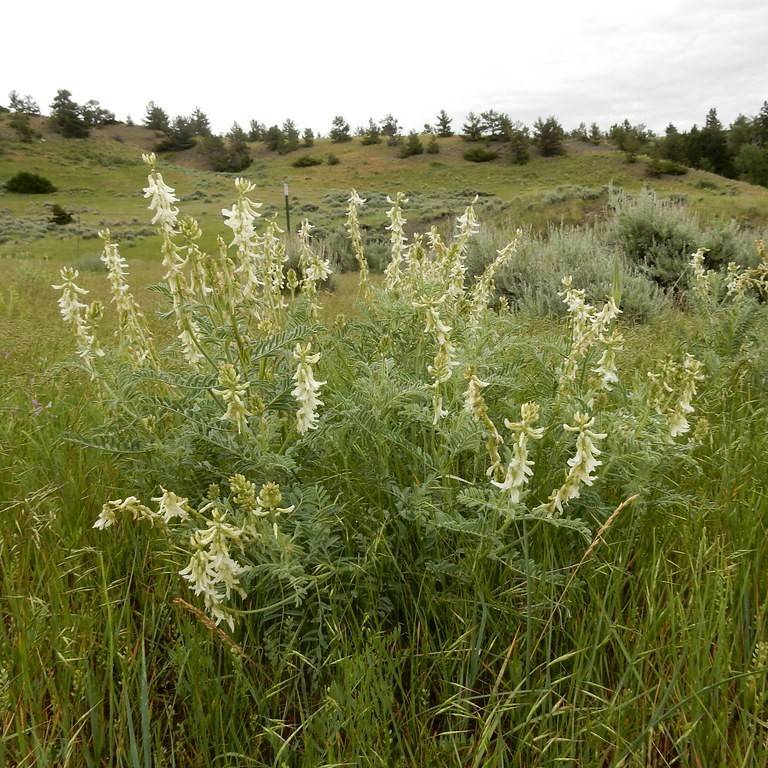
Drummond's Milk Vetch
Astragalus drummondii
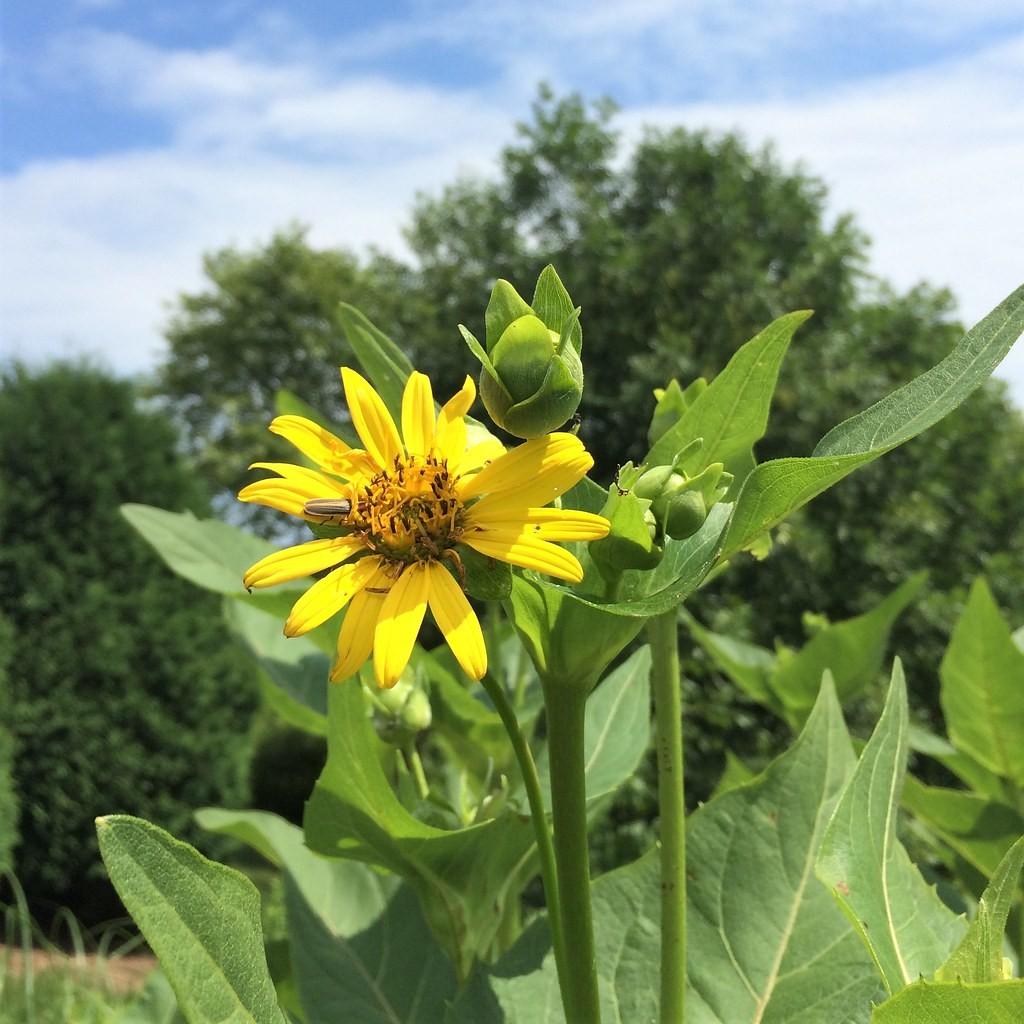
Compass Plant
Silphium laciniatum
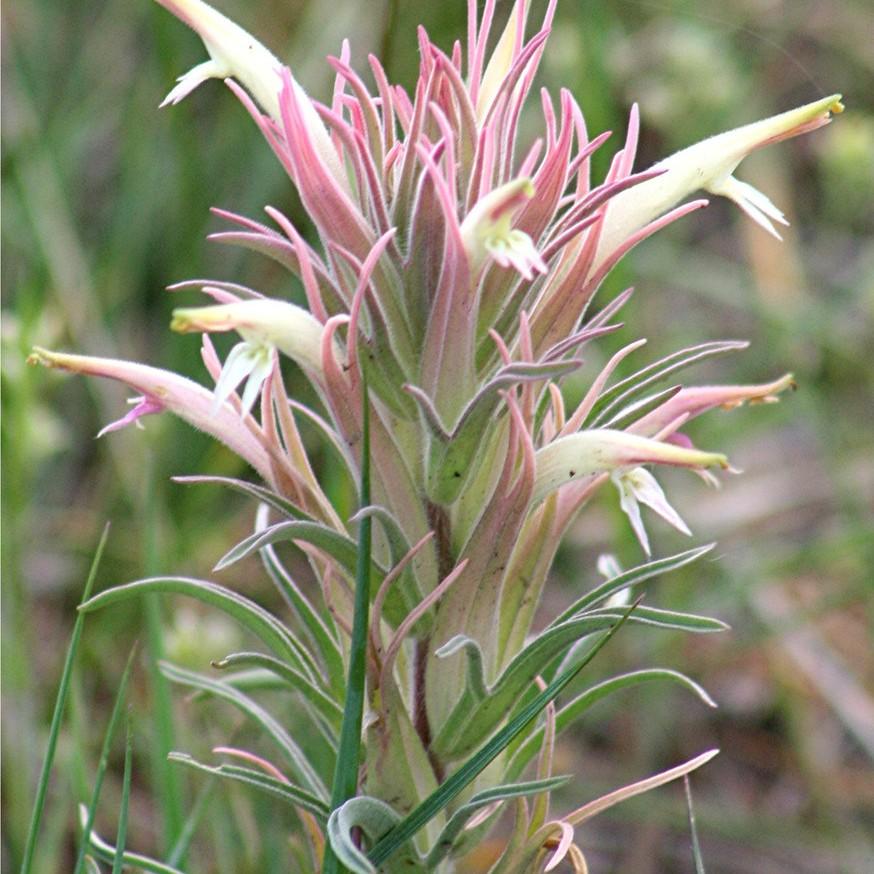
Downy Paintbrush
Castilleja sessiliflora
Curved Pod Astragalus
Astragalus curvicarpus
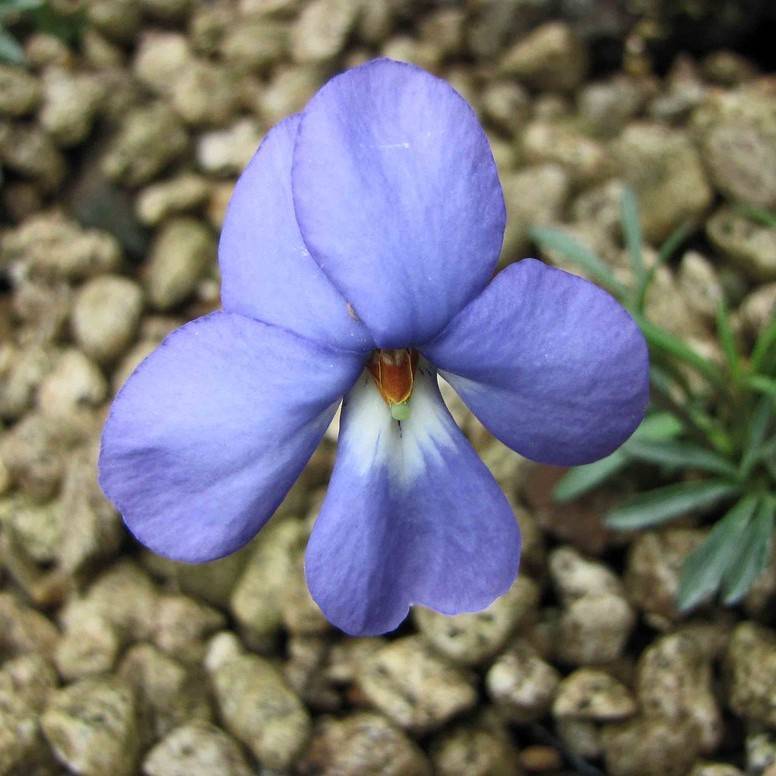
Bird's Foot Violet
Viola pedata
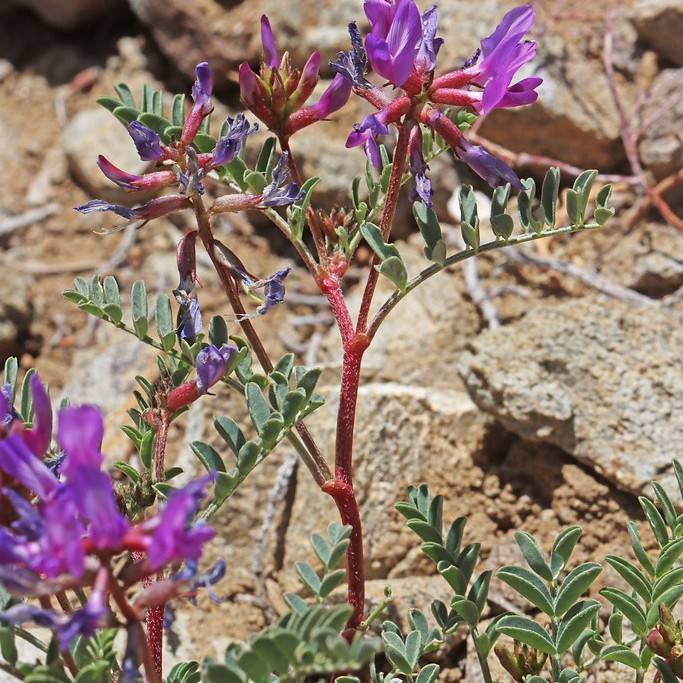
Freckled Milk Vetch
Astragalus lentiginosus