Flat Seed False Flax
Camelina sativa subsp. alyssum
Overview
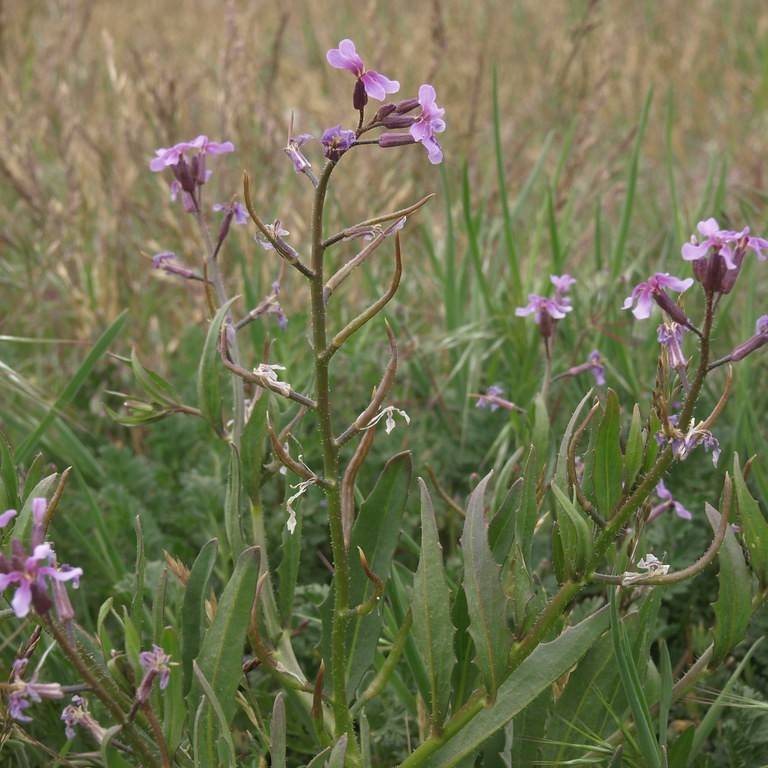
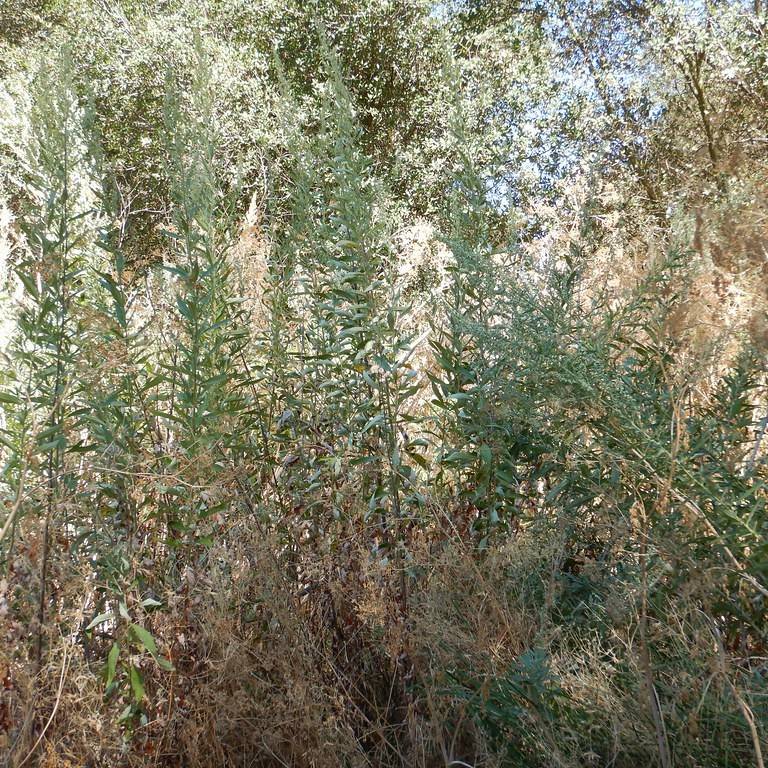
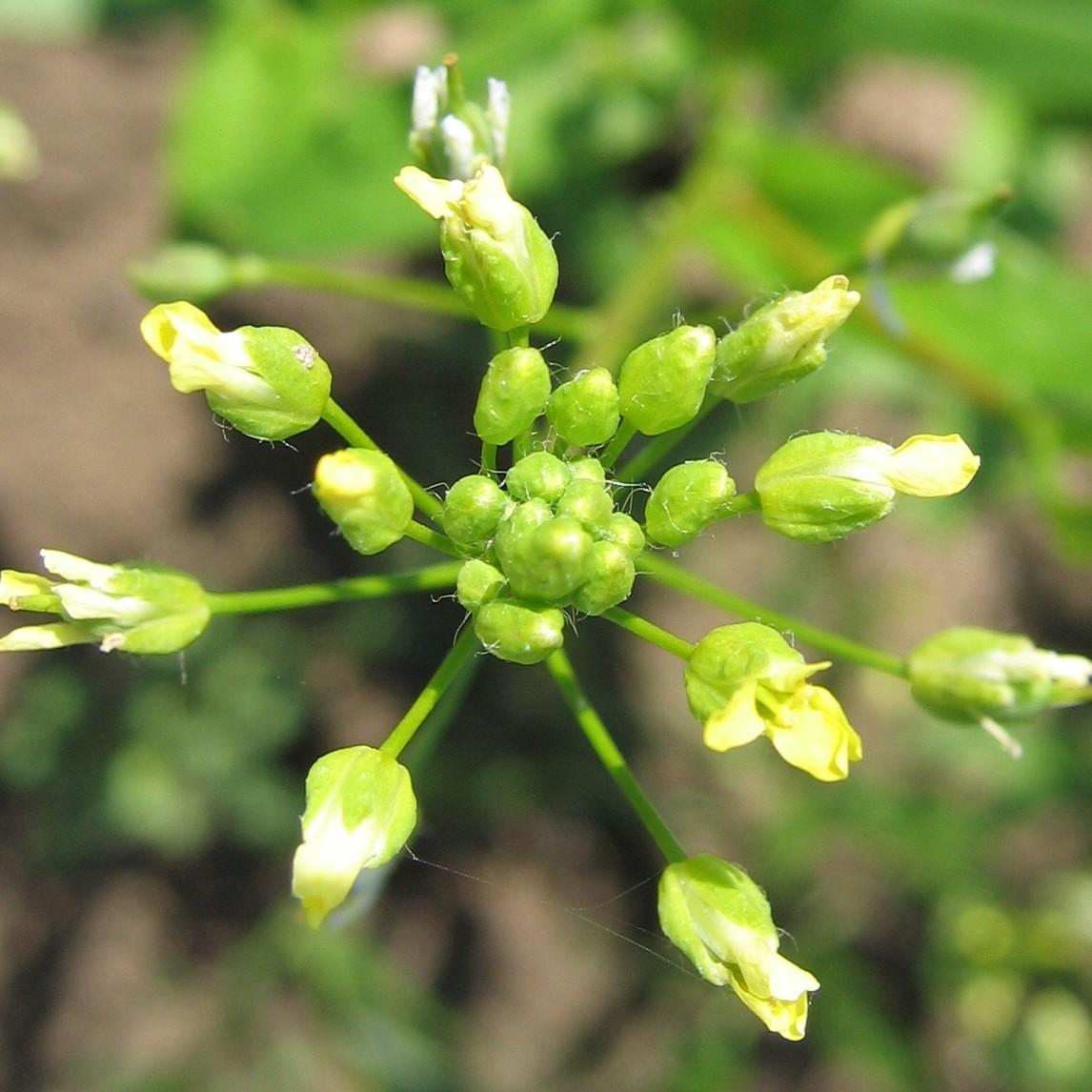
Flat seed false flax, a subspecies of gold-of-pleasure, is an undemanding annual crop that thrives in marginal soils where many other plants struggle. It produces upright, branching stems lined with narrow, lance-shaped gray-green leaves, topped with clusters of tiny four-petaled pale yellow flowers in spring. After flowering, it develops flat, oblong seed pods filled with small, oil-dense seeds that have been cultivated for food and industrial uses for thousands of years.
Care Guide
Watering
Flat seed false flax is highly drought-tolerant once established, requiring only occasional supplemental watering during extended dry periods; overwatering increases risk of root rot. Water deeply but infrequently, allowing the top 2 to 3 inches of soil to dry out completely between watering sessions. Avoid overhead watering to reduce foliar disease risk, directing water at the base of plants instead.
Light
This species requires full sun exposure, meaning a minimum of 6 to 8 hours of direct, unfiltered sunlight daily to support robust growth and optimal seed production. It can tolerate very light partial shade, but shaded plants will become leggy, produce fewer flowers, and yield significantly smaller seed harvests. Plant in open, unshaded locations for best performance.
Soil
Flat seed false flax adapts to a wide range of soil types, including poor, sandy, or low-fertility soils where most other crops fail to thrive. It prefers well-drained, loamy to sandy loam soil with a neutral to slightly alkaline pH between 6.0 and 7.5, but will tolerate mildly acidic conditions. Heavy, waterlogged clay soils are unsuitable, as they cause root rot and stunted growth.
Fertilizer
This plant has very low nutrient requirements, so no supplemental fertilizer is needed when grown in average garden soil. If planted in extremely poor, nutrient-depleted soil, a light application of balanced all-purpose fertilizer at planting time can support early growth, but over-fertilization will encourage excessive leaf growth at the expense of seed production. Avoid nitrogen-heavy fertilizers entirely, as they reduce seed yields.
Temperature
Flat seed false flax is a cool-season annual, germinating best in soil temperatures between 40°F and 50°F (4°C to 10°C) and tolerating light spring frosts without damage. It grows optimally in air temperatures between 50°F and 75°F (10°C to 24°C), and will bolt and go to seed quickly once temperatures consistently exceed 80°F (27°C). It is not tolerant of hard freezes, completing its full life cycle in a single cool growing season.
Pruning
Pruning is generally unnecessary for flat seed false flax, though you can snip off spent flower heads if you wish to prevent self-seeding in garden beds. If grown as a cover crop, cut down entire plants at the soil line 2 to 3 weeks before planting your next crop, allowing plant material to decompose and add organic matter to the soil. No regular trimming is required to maintain plant shape or health.
Propagation
Flat seed false flax is exclusively propagated from seed, sown directly outdoors in early spring as soon as the soil can be worked, or in late fall for overwintering in mild climates. Sow seeds ¼ to ½ inch deep, spaced 1 inch apart in rows 6 to 12 inches apart, and keep soil lightly moist until germination occurs in 7 to 14 days. Thin seedlings to 4 to 6 inches apart once they develop their first set of true leaves to reduce competition for nutrients and light.
Humidity
This species tolerates a wide range of humidity levels, thriving in both dry, arid conditions and moderate humidity common in temperate regions. High humidity combined with poor air circulation can increase the risk of fungal foliar diseases, so space plants appropriately to allow airflow around stems and leaves. No extra humidity measures are required for this hardy plant.
Repotting
Flat seed false flax is almost always grown directly in outdoor garden soil or field plots, so repotting is not a standard part of its care. If started in seed trays for transplanting, move seedlings to their final outdoor location when they have 2 to 3 true leaves, taking care not to disturb their delicate taproots during the process. It does not perform well in long-term container growth due to its deep root system and annual life cycle.
Uses & Symbolism
Flat seed false flax is primarily grown as an oilseed crop, with its seeds producing a stable, omega-3 rich oil used for cooking, biodiesel production, and cosmetic formulations. It is also widely planted as a cover crop to suppress weeds, reduce soil erosion, and add organic matter to degraded agricultural soils, and its nectar-rich flowers support pollinators including bees and butterflies. Historically, its seeds have been used for food in Eastern European and Central Asian cuisines, and its stems yield a strong fiber suitable for textile production.
Diseases & Pests
Flat seed false flax has very few serious pest or disease issues, though it can occasionally be affected by fungal diseases including downy mildew, powdery mildew, and white rust in wet, humid conditions with poor air circulation. Aphids and flea beetles may feed on young foliage, but infestations are rarely severe enough to require treatment, as the plant recovers quickly from minor damage. It is resistant to most common brassica pests and diseases, making it a low-fuss crop for home and commercial growers.
Related plants
Other plants you might like if you grow Flat Seed False Flax.