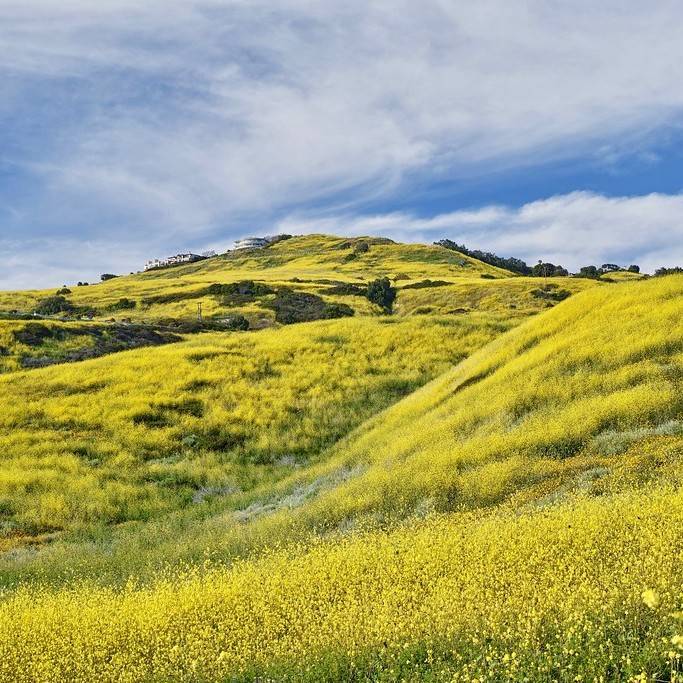
Black Mustard
Brassica nigra
Overview
Black mustard is a hardy, upright annual belonging to the mustard family, recognizable by its lobed, fuzzy lower leaves, spiky upper stems, and clusters of small, bright yellow four-petaled flowers. It has naturalized across temperate regions worldwide, often growing in disturbed soils, roadsides, and agricultural fields. Its small, dark brown to black seeds are one of the primary sources of commercial mustard spice, valued for their sharp, sinus-clearing pungency when crushed.
Care Guide
Watering
Black mustard prefers consistent, moderate moisture, with 1 to 1.5 inches of water per week during active growth to support lush foliage and seed development; avoid overwatering to prevent root rot, especially in heavy, poorly draining soils. Allow the top 1 inch of soil to dry out between waterings once plants are established, and reduce watering gradually as seed pods begin to mature in late summer.
Light
Black mustard thrives in full sun, requiring at least 6 to 8 hours of direct unfiltered sunlight daily to produce robust foliage, abundant flowers, and high seed yields. It can tolerate partial shade, but growth will be leggy, seed production will be reduced, and plants will be more prone to fungal diseases in low-light, high-humidity conditions.
Soil
Black mustard is adaptable to a wide range of soil types but grows best in well-draining, loamy or sandy-loam soil with a neutral to slightly alkaline pH between 6.0 and 7.5. It tolerates poor, low-nutrient soils better than many other brassicas, but will produce higher yields if the soil is amended with compost or well-rotted manure before planting. Avoid waterlogged, heavy clay soils, as these can cause rapid root rot and stunted growth.
Fertilizer
Black mustard is a light feeder that rarely requires supplemental fertilization if planted in moderately fertile soil; excess nitrogen will promote lush leaf growth at the expense of seed production, so use balanced fertilizers sparingly if desired. If growing mustard for edible greens, a light application of nitrogen-rich organic fertilizer such as fish emulsion or compost tea every 3 to 4 weeks will encourage tender, fast-growing foliage. No fertilizer is needed during the seed maturation stage, as this can delay pod ripening and increase disease risk.
Temperature
Black mustard is a cool-season annual that germinates best in soil temperatures between 45°F and 85°F (7°C and 29°C), and can tolerate light spring frosts as a young seedling. It grows optimally in air temperatures between 60°F and 75°F (15°C and 24°C), and will bolt (produce flower stalks) rapidly once temperatures consistently exceed 80°F (27°C) in late spring or early summer. Mature plants are killed by hard frosts below 28°F (-2°C) in fall.
Pruning
Pruning is rarely required for black mustard, but you can pinch back the top 1 to 2 inches of young plants to encourage bushier, more compact growth if desired, especially if growing for leaf harvest. Remove any yellowed, diseased lower foliage throughout the growing season to improve air circulation and reduce the risk of fungal infections. Once seed pods have fully dried and turned brown on the stalk, cut the entire plant at the base to harvest seeds before pods split open and disperse their contents.
Propagation
Black mustard is almost exclusively propagated from seed, which can be direct-sown outdoors in early spring as soon as the soil can be worked, or sown in late summer for a fall harvest in mild climates. Sow seeds ¼ to ½ inch deep, spaced 1 inch apart in rows 12 to 18 inches apart, and thin seedlings to 6 to 12 inches apart once they develop their first set of true leaves to reduce overcrowding. Seeds germinate in 5 to 10 days under optimal conditions, and plants will reach maturity for seed harvest 80 to 95 days after sowing.
Humidity
Black mustard tolerates a wide range of humidity levels, but prefers moderate relative humidity between 40% and 60% for healthy growth and minimal disease risk. High humidity above 70%, especially combined with poor air circulation and cool temperatures, increases the likelihood of downy mildew, powdery mildew, and other fungal leaf diseases. In very dry, arid conditions, increase watering frequency slightly to prevent leaf wilting and premature bolting.
Repotting
Black mustard is almost always grown directly in garden beds or large outdoor containers, and rarely requires repotting, as it completes its full life cycle in a single growing season. If started in seed trays for transplant, move seedlings to their final growing location when they have 2 to 3 true leaves, taking care not to disturb the taproot, which can cause transplant shock and stunted growth. Choose containers at least 12 inches deep and 10 inches wide for individual plants to accommodate the plant’s extensive root system and upright growth habit.
Uses & Symbolism
Black mustard seeds are the primary ingredient in many prepared mustard condiments, are used as a spice in curries, pickling blends, and spice rubs, and are pressed to produce mustard oil for cooking in South Asian cuisines. Its young, tender leaves are edible raw in salads or cooked as a pungent leafy green similar to kale or collards, with a sharp, peppery flavor. It is also grown as a cover crop to suppress weeds, improve soil structure, and add organic matter when tilled under, and is used in traditional medicine for its anti-inflammatory and digestive properties.
Diseases & Pests
Black mustard is susceptible to common brassica fungal diseases including downy mildew, powdery mildew, white rust, and clubroot, which are most prevalent in cool, wet, high-humidity conditions with poor air circulation. Common pests include aphids, flea beetles, cabbage loopers, and cabbage worms, which feed on foliage and can cause significant damage to young plants if left untreated. Rotating planting locations with non-brassica crops, spacing plants properly for air flow, and avoiding overhead watering can reduce the risk of most disease and pest issues.
Related plants
Other plants you might like if you grow Black Mustard.
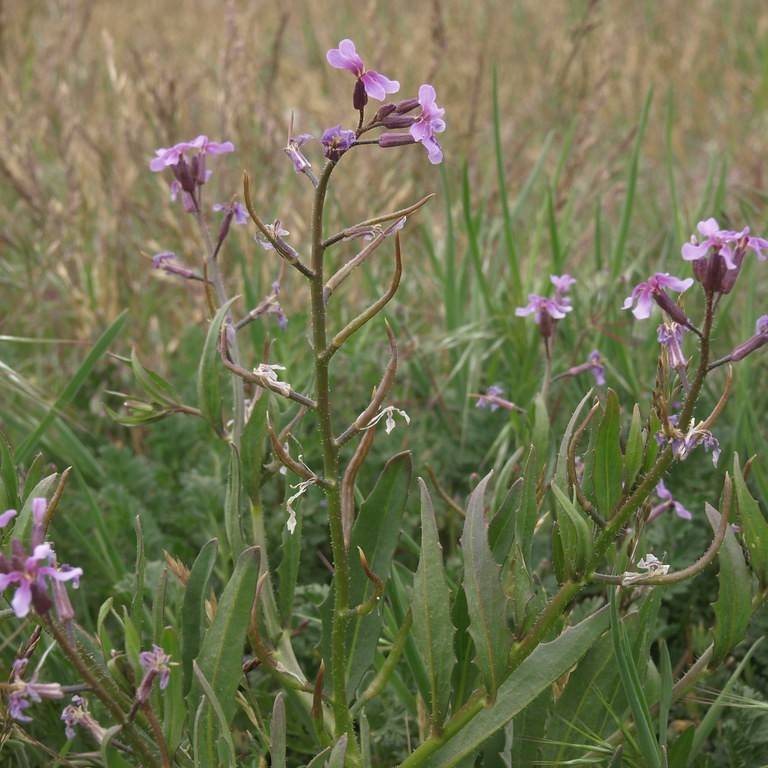
Blue Mustard
Chorispora tenella
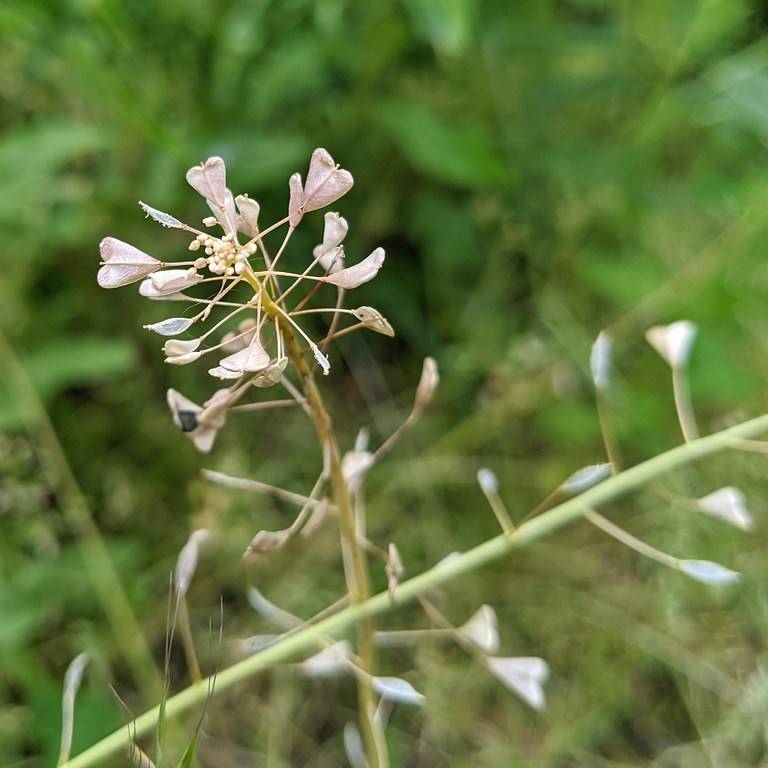
Common Shepherd's Purse
Capsella bursa-pastoris
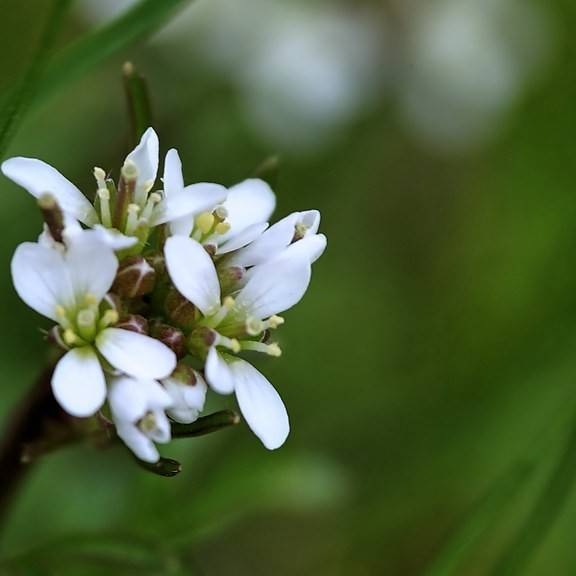
Hairy Bitter Cress
Cardamine hirsuta
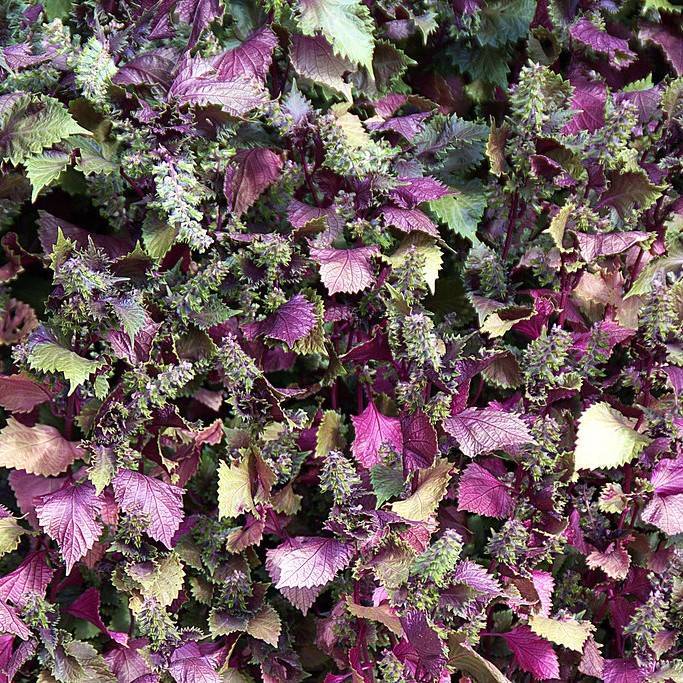
Beefsteak Plant
Perilla frutescens var. crispa
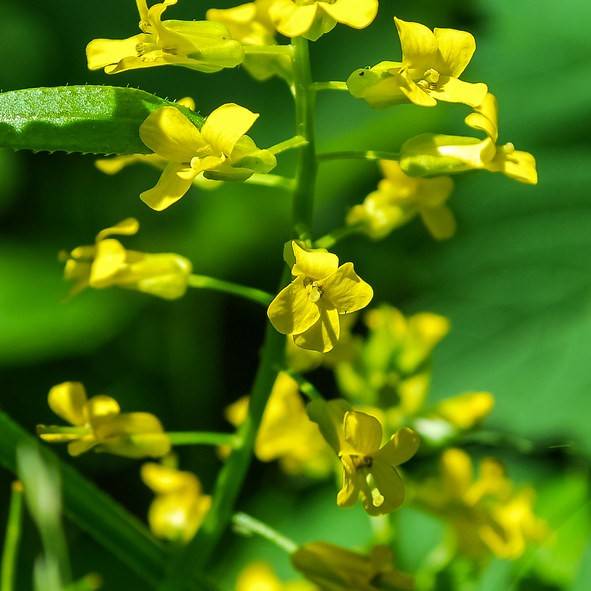
Garden Yellowrocket
Barbarea vulgaris
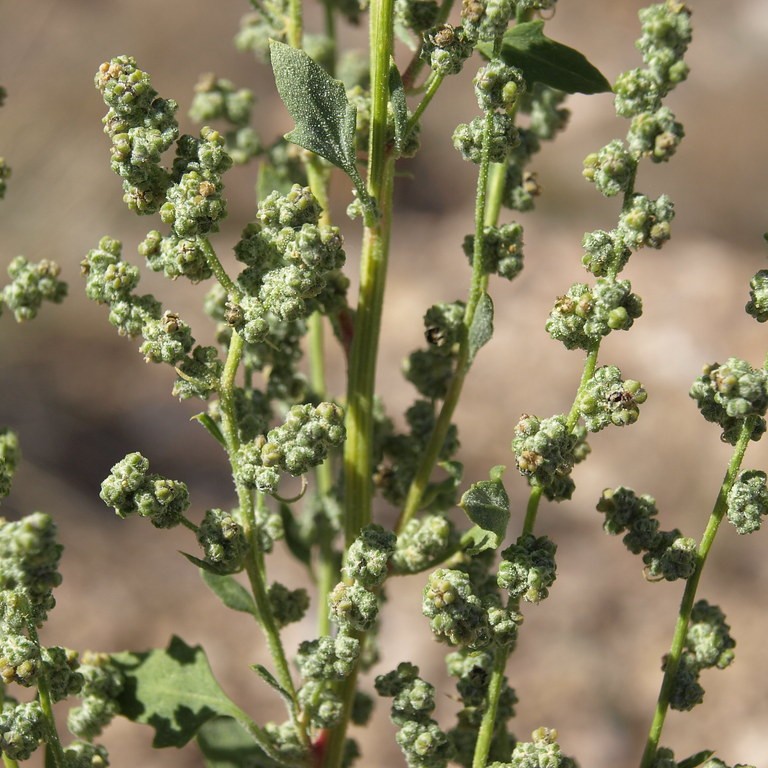
Bush S Goosefoot
Chenopodium bushianum
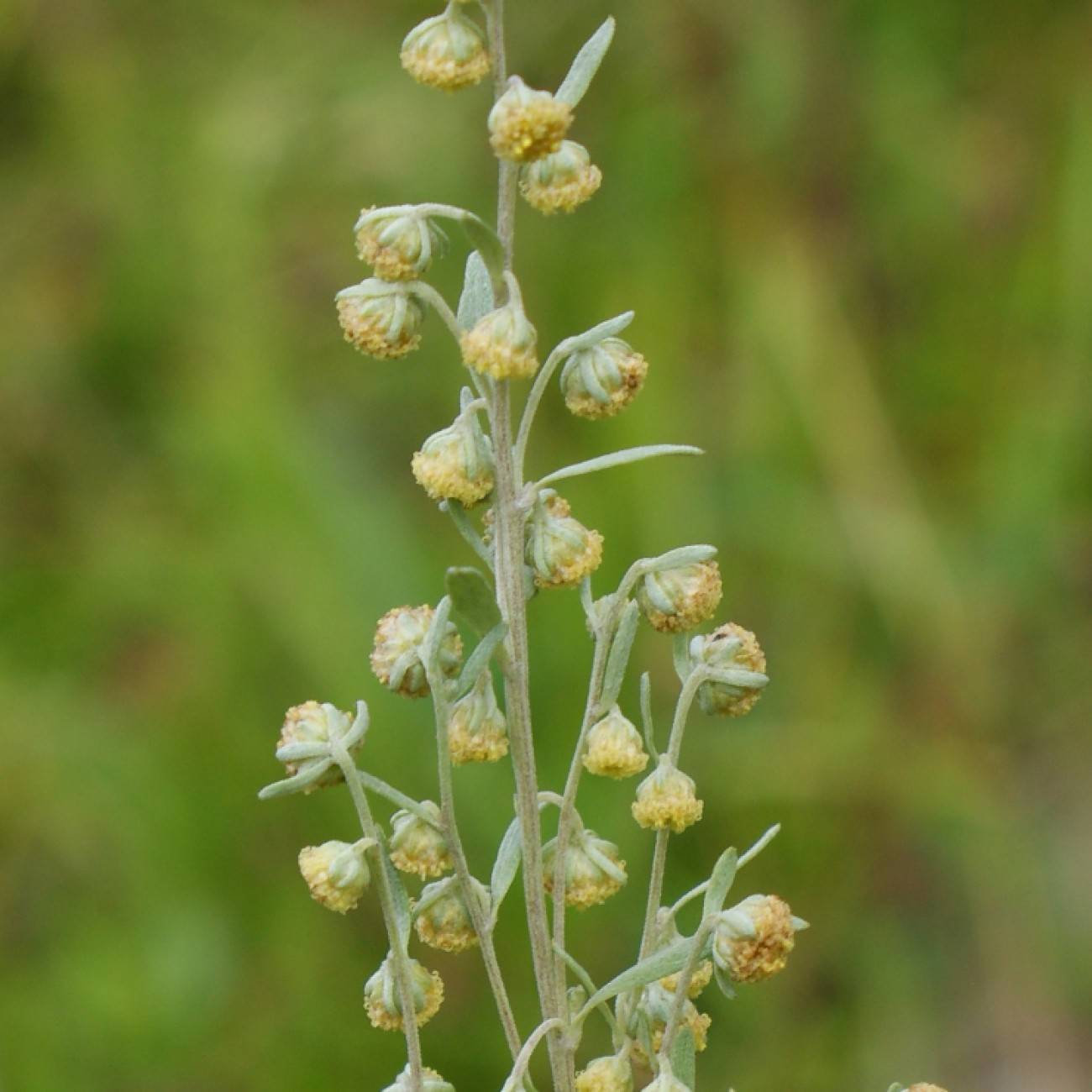
Desert Goosefoot
Chenopodium pratericola
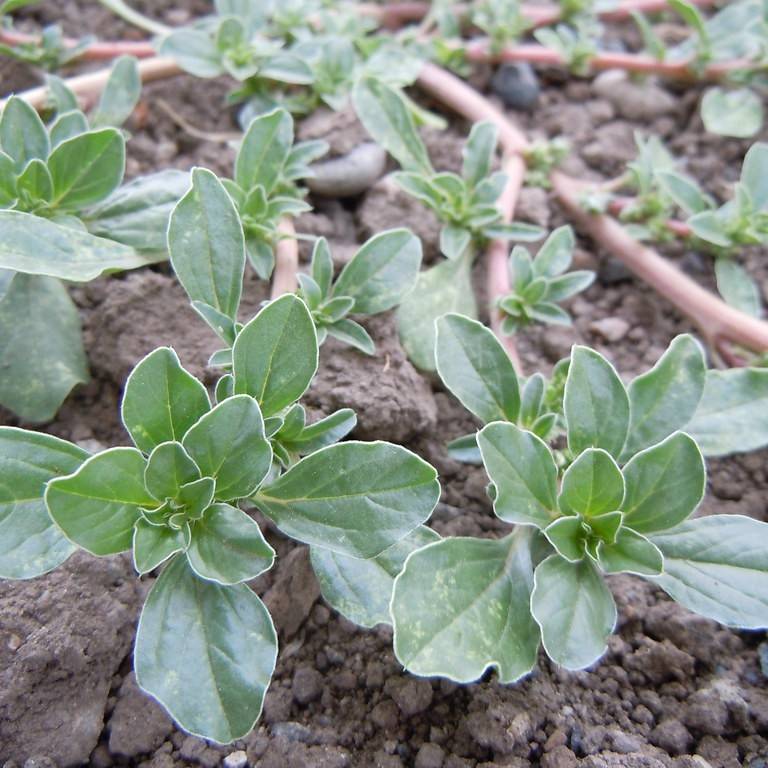
California Amaranth
Amaranthus californicus