Five Spot
Nemophila maculata
Overview
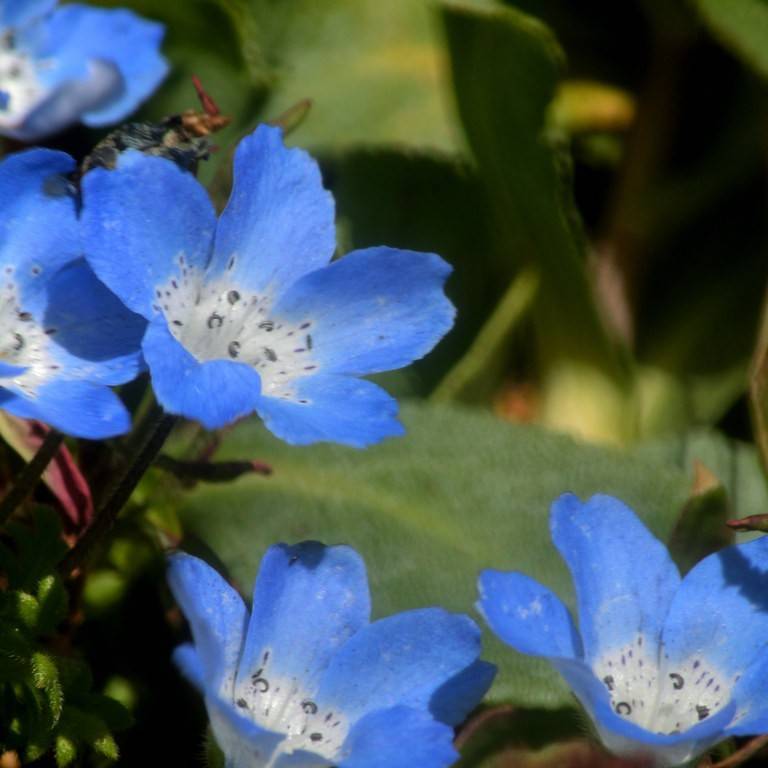
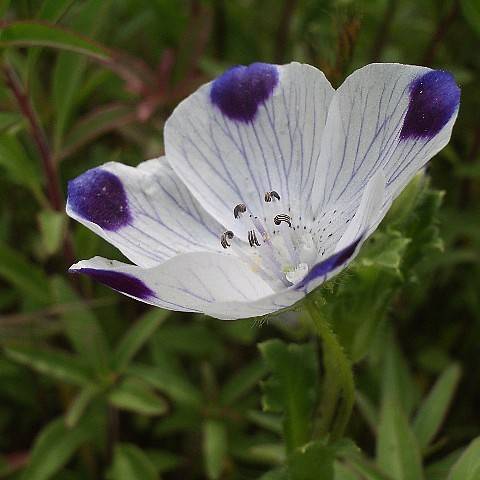
Five spot is a cheerful, mat-forming wildflower native to the western United States, prized for its uniquely patterned spring and summer blooms. Its delicate, fern-like light green foliage creates a soft, trailing base for the abundant white flowers, each marked with a vivid deep purple spot at the tip of every petal, giving the plant its common name. It is a popular choice for cool-season gardens, rock gardens, and container plantings, as it thrives in mild temperatures and attracts a range of beneficial pollinators.
Care Guide
Watering
Water five spot regularly to keep soil consistently moist but not waterlogged, especially during active growth and flowering periods; reduce watering once blooms fade and the plant begins to die back. Avoid overhead watering to prevent fungal issues on the delicate foliage, directing water at the base of the plant instead. In regions with regular spring rainfall, supplemental watering may only be needed during extended dry spells.
Light
Grow five spot in full sun to partial shade, with partial shade preferred in areas with hot, intense afternoon sun to prevent leaf scorch and extend the flowering period. In cooler coastal regions, full sun exposure will encourage the most abundant bloom production without stressing the plant. Too much deep shade will result in leggy growth and fewer flowers.
Soil
Five spot adapts to a wide range of well-draining soil types, including sandy, loamy, and even poor rocky soils, as long as they do not hold standing water. It prefers a neutral to slightly acidic soil pH between 6.0 and 7.0, but will tolerate slightly alkaline conditions as well. Amending heavy clay soils with compost or coarse sand will improve drainage to prevent root rot.
Fertilizer
Five spot generally requires very little fertilizer, as excessive nutrients will encourage lush foliage growth at the expense of blooms. If planted in very poor, nutrient-depleted soil, apply a balanced, slow-release all-purpose fertilizer at half the recommended rate once at the time of planting. No additional feeding is needed for the remainder of its growing season.
Temperature
Five spot thrives in cool, mild temperatures between 50-75°F (10-24°C), and will tolerate light frosts down to 25°F (-4°C) without damage. It does not tolerate high heat and humidity well, and will typically die back once summer temperatures consistently rise above 85°F (29°C). It is often planted in early spring or fall in regions with hot summers to extend its bloom period.
Pruning
Pruning is generally unnecessary for five spot, though deadheading spent blooms can encourage additional flowering and extend the bloom season slightly. If plants become leggy or untidy mid-season, you can trim back up to one-third of the foliage to encourage bushier new growth. Once the plant has finished flowering and begins to yellow and die back, you can pull it entirely from the garden to make space for warm-season plantings.
Propagation
Five spot is most easily propagated from seed, which can be directly sown outdoors in the garden 1-2 weeks before the last expected frost date in spring, or in fall in mild winter regions. Seeds require light to germinate, so sow them on the surface of the soil and press lightly to contact, do not cover with additional soil. Keep the soil consistently moist until germination, which typically occurs within 7-14 days when temperatures are between 55-65°F (13-18°C).
Humidity
Five spot prefers moderate humidity levels between 40-60%, and will struggle in excessively high humidity conditions where fungal diseases are more likely to develop. It tolerates dry air well, making it suitable for arid and semi-arid regions as long as consistent soil moisture is maintained. Good air circulation around the plants will help prevent issues in more humid climates.
Repotting
As a fast-growing annual, five spot is rarely repotted during its short lifespan; it is typically sown directly in its final growing location, whether in a garden bed or container. If started indoors in seed trays, transplant seedlings to their final pot or garden spot once they have developed 2-3 sets of true leaves, taking care not to disturb the delicate root system. Choose a container with drainage holes if planting in a pot to prevent waterlogged soil.
Uses & Symbolism
Five spot is widely used as an ornamental ground cover in wildflower gardens, rock gardens, border edges, and hanging baskets, where its trailing habit and distinctive blooms add cheerful, low-growing color. It is an excellent pollinator plant, attracting native bees, butterflies, and other beneficial insects to the garden throughout its bloom period. It also works well as a cut flower for small, informal floral arrangements, as its delicate blooms hold up well in small vases.
Diseases & Pests
Five spot is relatively pest and disease resistant, but can be susceptible to aphids and spider mites during dry, warm periods, which can be controlled with insecticidal soap or a strong spray of water. Overly wet, poorly draining soil can lead to root rot and fungal leaf spots, which can be avoided by ensuring proper soil drainage and avoiding overhead watering. In high humidity conditions, powdery mildew may develop on foliage, which can be mitigated by providing adequate air circulation between plants.
Related plants
Other plants you might like if you grow Five Spot.