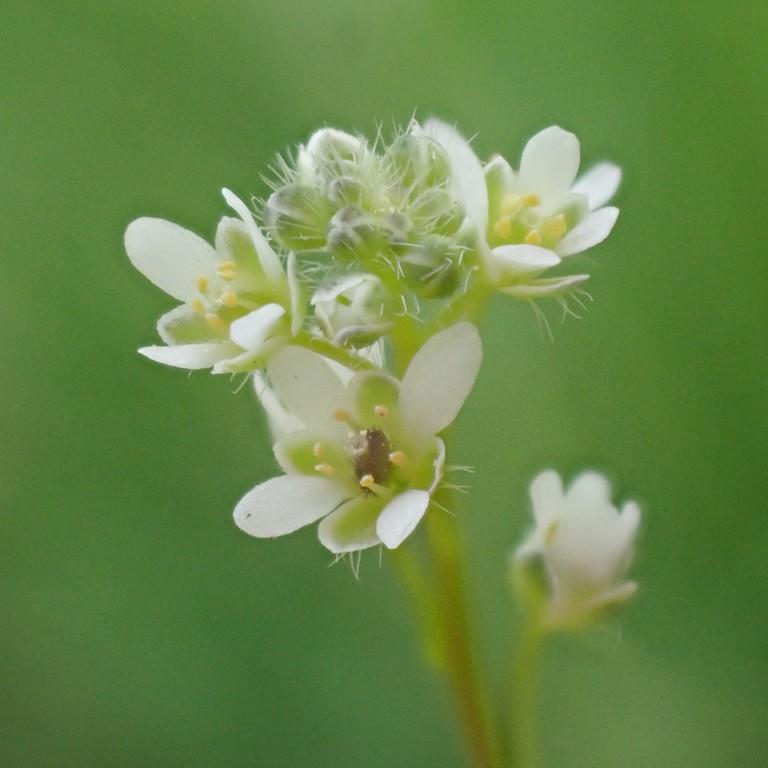
Common Sandweed
Spergularia rubra
Overview
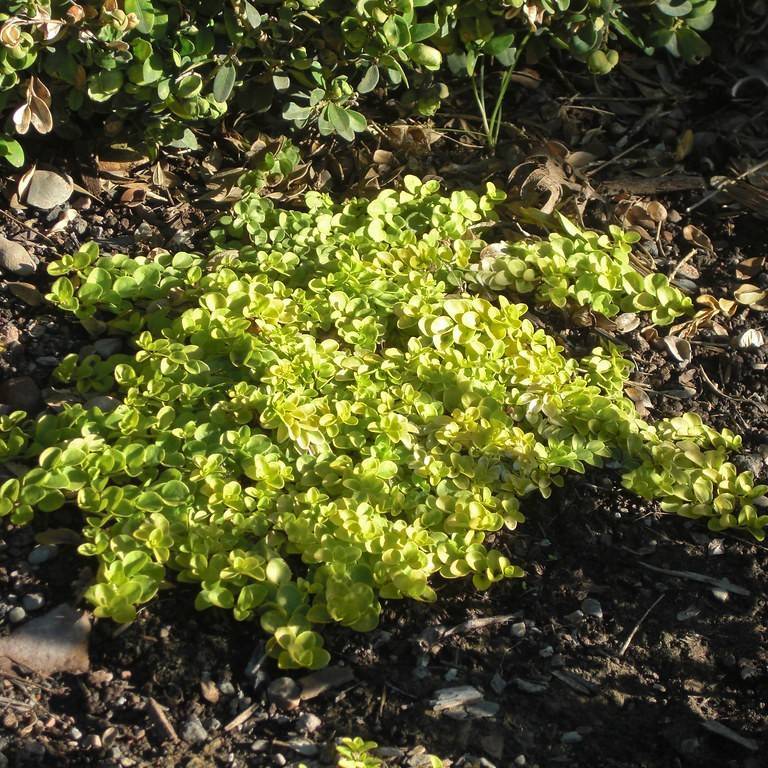
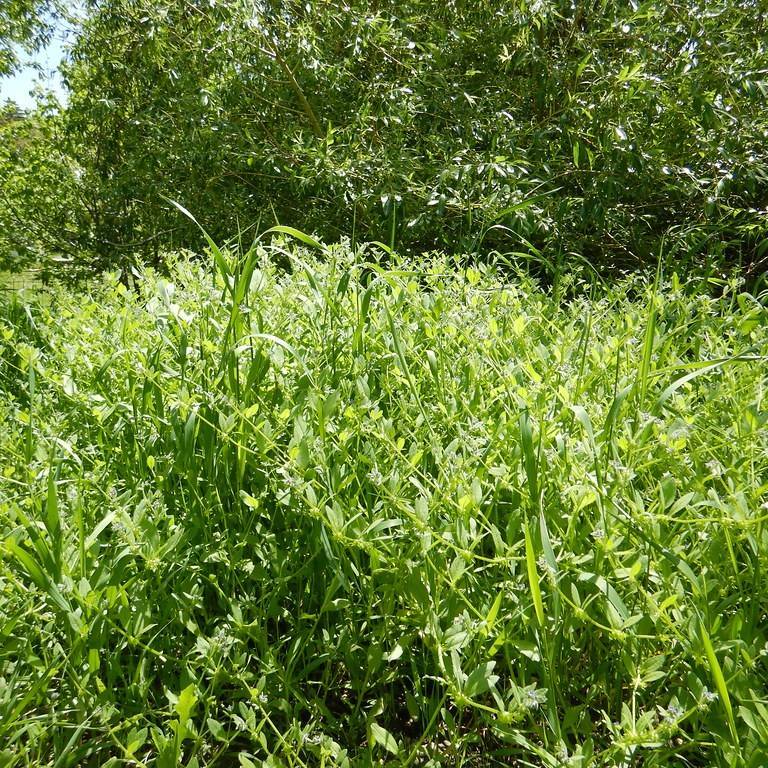
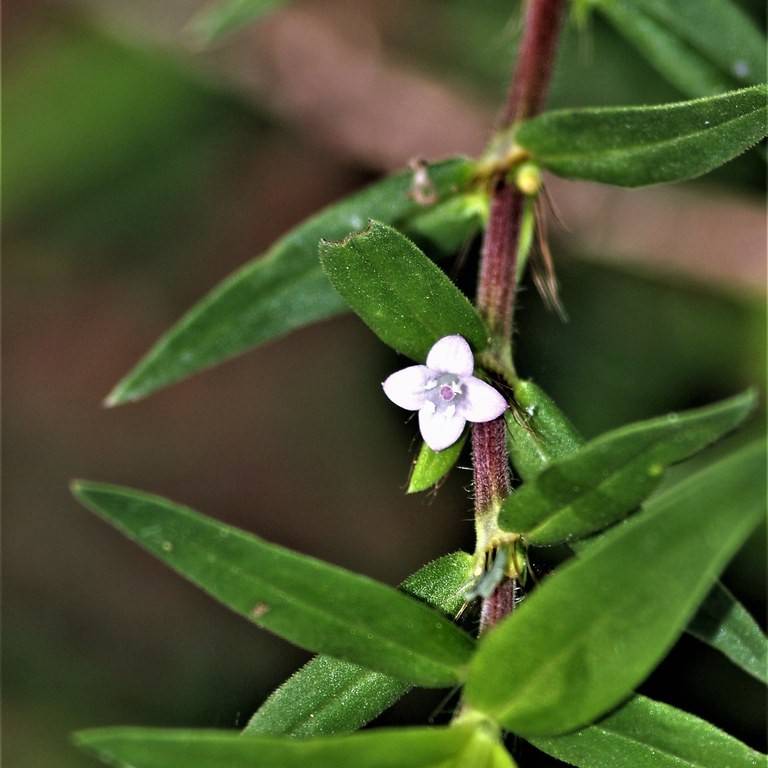
Common sandweed, also called red sandspurry, is a mat-forming herb adapted to dry, nutrient-poor sandy habitats including coastal dunes, roadsides, fields, and gravel paths. It produces small, narrow, fleshy leaves and delicate five-petaled flowers that are typically pale pink, occasionally white, with darker purple stamens at the center. This hardy plant is often considered a weed in cultivated areas, but it plays a valuable ecological role as a soil stabilizer in bare, sandy sites and a minor nectar source for small pollinators.
Care Guide
Watering
Common sandweed is highly drought-tolerant, requiring only occasional watering during extended dry periods; overwatering quickly leads to root rot, especially in poorly draining soils. It thrives in dry conditions and can survive with natural rainfall alone in most temperate climates, needing supplemental water only if planted in extremely arid regions.
Light
This species requires full, direct sunlight for at least 6 hours per day to grow and flower properly. It will not thrive in shaded conditions, developing weak, leggy growth and producing very few flowers if light levels are insufficient.
Soil
Common sandweed prefers well-draining, sandy, gravelly, or loamy soils with low nutrient content; it can even grow in compacted, disturbed soils where most other plants struggle. It tolerates a wide pH range from slightly acidic to slightly alkaline, and it will die off quickly if planted in heavy, clay soils that retain moisture.
Fertilizer
Fertilizer is not required for common sandweed, as it is adapted to low-nutrient soils; excess nutrients will cause lush, weak growth that is more prone to disease. If grown in a container, a very dilute, balanced all-purpose fertilizer can be applied once per growing season at most, though this is rarely necessary.
Temperature
Common sandweed grows best in temperate temperatures between 50-85°F (10-29°C), and it can tolerate light frost down to 25°F (-4°C) before dying back. As an annual, it completes its full life cycle in one growing season, dying off entirely once cold winter temperatures arrive.
Pruning
Pruning is not required for common sandweed, though unwanted plants can be pulled by hand easily to prevent them from self-seeding and spreading in garden beds. If grown as a ground cover, trimming back overgrown patches after flowering can help keep the growth neat, but this is optional.
Propagation
Common sandweed propagates readily by seed, which it produces in abundance after flowering, self-sowing freely in suitable growing conditions to form large colonies over time. Seeds can be collected from mature seed pods in late summer and sown directly on the surface of sandy soil in early spring, with no stratification required for germination.
Humidity
This species tolerates a wide range of humidity levels, from dry inland conditions to high coastal humidity, as long as its soil remains well-draining. Excessively high humidity combined with wet soil increases the risk of fungal rot, so good air circulation is beneficial in humid climates.
Repotting
Repotting is rarely needed for common sandweed, as it is a small, short-lived annual that rarely outgrows its container within a single growing season. If planted in a container, use a sandy, well-draining potting mix, and avoid repotting once the plant is established to prevent root disturbance.
Uses & Symbolism
Common sandweed is sometimes used for erosion control on bare sandy sites, such as newly restored coastal dunes or construction areas, as its shallow, spreading root system holds loose soil in place effectively. It is occasionally planted in rock gardens or xeriscape beds as a low-growing, low-maintenance ground cover that requires very little care. Historically, some indigenous communities used small amounts of the plant as a cooked green, though it is not widely consumed today.
Diseases & Pests
Common sandweed is largely pest and disease resistant, though it can develop root rot if grown in overly wet, poorly draining soils. Aphids may occasionally feed on young, tender growth, though infestations are rarely severe and can be controlled with a strong spray of water if necessary. In very humid, crowded conditions, it may develop minor powdery mildew on leaf surfaces, which can be prevented by ensuring good air circulation between plants.
Related plants
Other plants you might like if you grow Common Sandweed.