Firethorn
Pyracantha coccinea
Overview
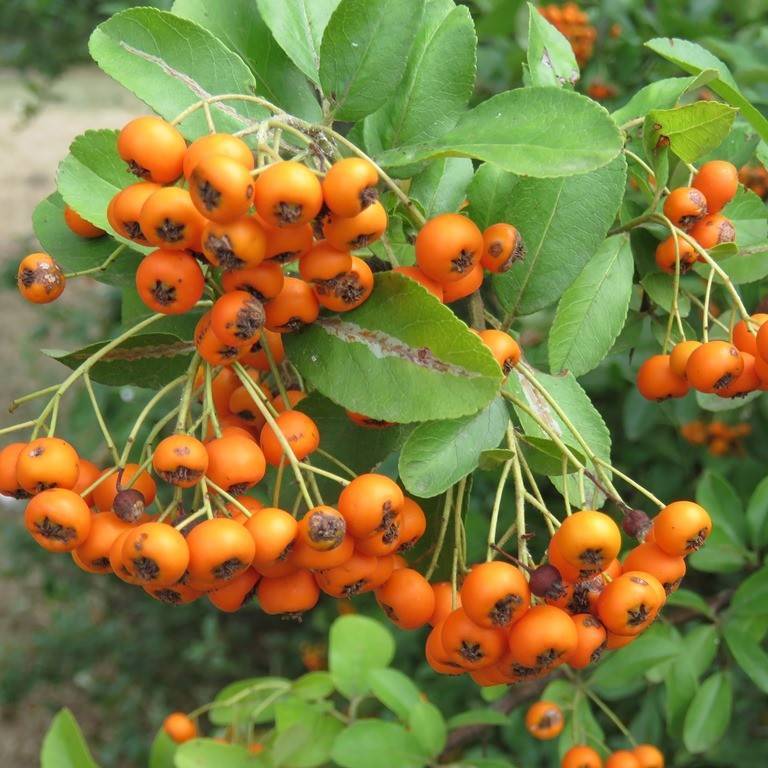
Firethorn is a vigorous, evergreen to semi-evergreen shrub named for its sharp, woody thorns and abundant fiery red, orange, or yellow berries that cling to branches through winter. It is widely cultivated as an ornamental landscape plant, valued for its year-round visual interest and natural security barrier properties. The small, glossy dark green leaves create a dense canopy, while the spring bloom period produces fragrant white flower clusters that support native pollinators.
Care Guide
Watering
Water newly planted firethorn regularly for the first growing season to establish a deep, extensive root system, keeping soil consistently moist but not waterlogged. Mature plants are highly drought-tolerant, requiring supplemental watering only during extended periods of extreme heat or dryness. Avoid overhead watering to reduce the risk of foliar fungal diseases.
Light
Firethorn thrives in full sun, which promotes the heaviest bloom and fruit production, as well as denser foliage growth. It can tolerate partial shade, though plants grown in shadier conditions will produce fewer flowers and berries, and may develop a sparser, more open growth habit. Provide at least 6 hours of direct sunlight per day for optimal performance.
Soil
This adaptable shrub grows well in most well-drained soil types, including loam, sand, and clay, and tolerates a pH range from acidic to slightly alkaline. It cannot survive in waterlogged, poorly drained soils, which will quickly cause root rot and plant death. Amending heavy clay soils with compost or organic matter prior to planting will improve drainage and support healthier growth.
Fertilizer
Fertilize firethorn once per year in early spring before new growth emerges, using a balanced, slow-release granular fertilizer formulated for woody landscape plants. Avoid over-fertilizing, particularly with high-nitrogen products, as this can promote excessive leaf growth at the expense of flower and fruit production, and may reduce the plant's cold hardiness. No additional fertilization is needed during the growing season for established plants.
Temperature
Firethorn is cold hardy in USDA zones 6 through 9, tolerating winter temperatures as low as -10°F (-23°C) once established. It can withstand high summer temperatures up to 100°F (38°C) with adequate moisture, though prolonged extreme heat may cause temporary leaf scorch. In regions with harsh winter winds, plant in a sheltered location to prevent winter foliage burn.
Pruning
Prune firethorn in late winter or early spring before new growth appears, wearing thick protective gloves to avoid injury from sharp thorns. Remove dead, damaged, or diseased branches first, then thin out overcrowded growth to improve air circulation and reduce disease risk. You can also shape the plant to fit its space, though avoid heavy pruning that removes too much of the previous year's growth, as this will reduce berry production.
Propagation
Firethorn is most commonly propagated from semi-hardwood cuttings taken in mid to late summer, using a rooting hormone and well-drained propagation medium to encourage root development. It can also be grown from seed, though seeds require a 3-month cold stratification period to germinate, and seed-grown plants may not retain the exact fruit color or growth habit of the parent plant. Suckers that grow from the base of established plants can be dug up and transplanted in early spring for easy propagation.
Humidity
Firethorn adapts well to a wide range of humidity levels, thriving in both the moderate humidity of its native range and drier inland climates. It tolerates high humidity, though good air circulation is essential in humid regions to prevent the development of fungal diseases like fire blight and scab. No extra humidity is required for plants grown in standard landscape conditions.
Repotting
Firethorn is most often grown directly in the landscape, but can be cultivated in large containers for patio or balcony use. Repot container-grown firethorn every 2 to 3 years in early spring, moving to a pot one size larger with fresh, well-drained potting mix. Trim back any circling or overgrown roots during repotting to encourage healthy new root growth, and ensure the pot has adequate drainage holes to prevent waterlogging.
Uses & Symbolism
Firethorn is widely planted as a decorative landscape shrub, used for hedges, privacy screens, erosion control on slopes, and as a barrier plant due to its sharp, impenetrable thorns. Its persistent winter berries are an important food source for birds and other wildlife, and cut branches with berries are popular for use in holiday floral arrangements. It is also a suitable plant for bonsai cultivation, thanks to its small leaves, gnarled growth habit, and attractive fruiting display.
Diseases & Pests
Firethorn is highly susceptible to fire blight, a bacterial disease that causes blackened, wilted shoots and branch dieback, particularly in warm, wet spring conditions. It is also prone to scab, a fungal disease that causes dark spots on leaves and fruit, and powdery mildew, which forms a white coating on foliage in humid, low-air-flow environments. Common pests include aphids, scale insects, and spider mites, which feed on sap and can cause leaf yellowing and stunted growth if left untreated.
Related plants
Other plants you might like if you grow Firethorn.
%22%2F%3E%0A%20%20%20%20%20%20%3Ccircle%20cx%3D%22920%22%20cy%3D%22180%22%20r%3D%2290%22%20fill%3D%22%23cfe8d5%22%2F%3E%0A%20%20%20%20%20%20%3Cpath%20d%3D%22M600%20590c-90-180-215-255-310-280%200%20165%20118%20296%20270%20296h40z%22%20fill%3D%22%2379b88e%22%2F%3E%0A%20%20%20%20%20%20%3Cpath%20d%3D%22M600%20590c80-150%20198-212%20302-228-8%20142-123%20255-270%20255h-32z%22%20fill%3D%22%235c9f73%22%2F%3E%0A%20%20%20%20%20%20%3Cpath%20d%3D%22M600%20610V360%22%20stroke%3D%22%234f8c64%22%20stroke-width%3D%2218%22%20stroke-linecap%3D%22round%22%2F%3E%0A%20%20%20%20%20%20%3Ctext%20x%3D%22600%22%20y%3D%22700%22%20text-anchor%3D%22middle%22%20font-family%3D%22Arial%2C%20sans-serif%22%20font-size%3D%2244%22%20fill%3D%22%23365c45%22%3E%0A%20%20%20%20%20%20%20%20Plant%20image%20coming%20soon%0A%20%20%20%20%20%20%3C%2Ftext%3E%0A%20%20%20%20%3C%2Fsvg%3E%0A%20%20)