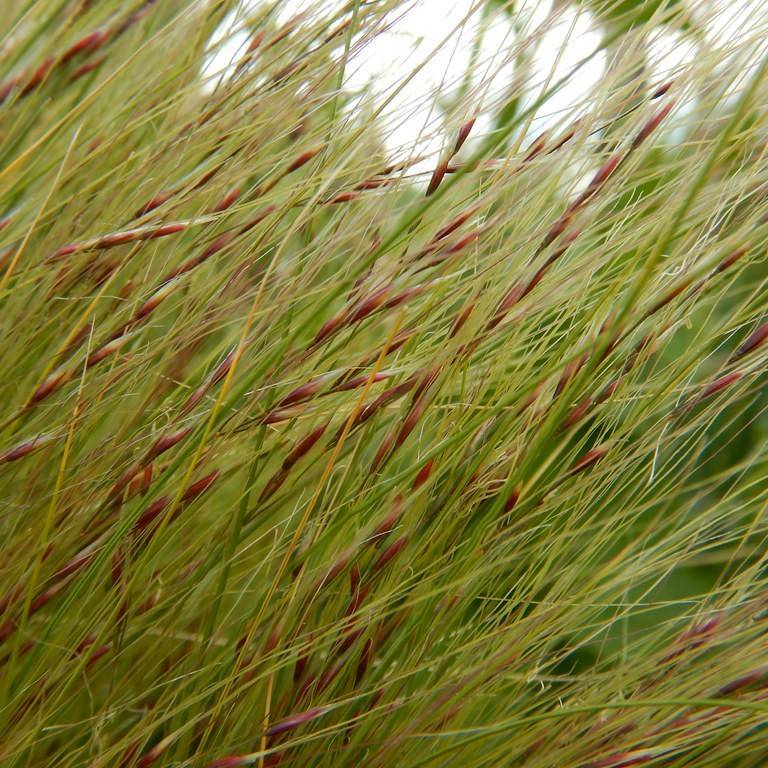
Finestem Needlegrass
Achnatherum lesteri
Overview
Finestem needlegrass is a cool-season bunchgrass valued for its delicate, wispy texture and exceptional drought tolerance, making it a staple in xeriscaping and native habitat restoration projects. It produces slender, arching green leaves that turn golden tan in the dry season, topped with airy, upright seed heads from late spring to early summer that sway gently in the wind. This species is well-adapted to poor, rocky soils and low rainfall, supporting local pollinators and providing cover for small wildlife in its native range.
Care Guide
Watering
Water newly planted finestem needlegrass once weekly for the first 2–3 months to establish deep roots, then reduce to only occasional supplemental water during extended periods of extreme drought. Mature plants are extremely drought-tolerant, thriving on natural rainfall in regions with 10–20 inches (25–50 cm) of annual precipitation, and overwatering will quickly cause root rot. Avoid watering during the summer dormant period unless foliage shows severe wilting.
Light
Finestem needlegrass requires full, direct sunlight for at least 6 hours per day to grow vigorously and maintain its compact, upright form. It can tolerate very light, dappled shade for a small portion of the day, but prolonged shade will lead to leggy growth, reduced seed head production, and increased susceptibility to fungal diseases. Plant in an open, unobstructed location for best performance.
Soil
This grass thrives in well-drained, sandy, loamy, or rocky soils with a neutral to slightly alkaline pH, and it tolerates poor, low-nutrient soils that support few other ornamental plants. It cannot survive in heavy clay soils or locations with poor drainage, as standing water will cause rapid root rot and plant death. No soil amendments are required at planting time unless drainage is severely limited, in which case coarse sand or gravel can be mixed into the planting hole to improve permeability.
Fertilizer
Finestem needlegrass is adapted to low-nutrient soils and rarely requires fertilization, as excess nitrogen will promote weak, leggy growth and reduce its drought tolerance. If grown in extremely poor, nutrient-depleted soil, a single light application of a low-nitrogen, slow-release granular fertilizer in early spring is sufficient to support healthy growth. Avoid liquid fertilizers and high-nitrogen formulations entirely, as these can damage the plant’s fine root system.
Temperature
This species is highly tolerant of extreme temperature ranges, thriving in hot, dry summer conditions up to 110°F (43°C) and surviving winter lows down to 0°F (-18°C) when planted in its hardiness zones 5–9. It goes dormant during periods of extended high heat in mid-summer, turning golden tan until cooler temperatures and rainfall return in the fall. Young plants may benefit from a light layer of mulch around the base in their first winter to protect shallow roots from extreme frost.
Pruning
Prune finestem needlegrass once annually in late winter or early spring, before new growth emerges, cutting back the entire clump to 2–3 inches (5–7.5 cm) above the soil line to remove dead foliage and make way for fresh spring growth. Avoid pruning during the summer dormant period, as this can damage the plant’s growing crown and reduce its ability to regrow in the fall. Remove any stray, damaged leaves or spent seed heads throughout the growing season only if desired for aesthetic purposes, as leaving seed heads intact provides food for local birds.
Propagation
Finestem needlegrass is most easily propagated by seed, sown directly outdoors in late fall or early spring on the soil surface, as light is required for germination, which occurs within 2–4 weeks under consistent moisture. It can also be propagated by division in early spring, when new growth first appears, by digging up mature clumps, separating them into smaller sections with intact roots and crowns, and replanting immediately at the same depth they were growing. Division is only necessary every 5–7 years, as this bunchgrass grows slowly and does not spread aggressively via rhizomes.
Humidity
This grass prefers low to moderate humidity levels between 20% and 50%, typical of its native arid and semi-arid Southwest habitats. It cannot tolerate high, prolonged humidity above 60% for extended periods, as this increases the risk of foliar fungal diseases such as rust and leaf spot. Ensure good air circulation around plants to reduce humidity buildup on foliage, especially in regions with humid summer weather.
Repotting
Finestem needlegrass is rarely grown in containers, but if potted, it only requires repotting every 3–4 years in early spring, when roots begin to grow out of the drainage holes or the soil becomes compacted. Use a fast-draining cactus or succulent potting mix, and select a pot with ample drainage holes to prevent waterlogging, as container-grown plants are more susceptible to root rot than those grown in the ground. Avoid overpotting, as excess soil will hold unnecessary moisture and damage the plant’s fine root system.
Uses & Symbolism
Finestem needlegrass is a popular choice for xeriscaping, native plant gardens, and erosion control projects on sloped, rocky sites where few other plants will grow, providing year-round textural interest and low-maintenance ground cover. Its airy seed heads and delicate foliage make it an attractive addition to wildflower meadows and naturalistic landscape designs, and it supports local ecosystems by providing food for seed-eating birds and cover for small native wildlife. It is also occasionally used in dried floral arrangements for its lightweight, feathery seed heads that retain their shape well when cut and dried.
Diseases & Pests
Finestem needlegrass has very few pest or disease issues when grown in appropriate conditions, with root rot being the most common problem caused by overwatering or poorly drained soil. Fungal foliar diseases such as rust and leaf spot may occur in areas with high humidity or poor air circulation, but these can be prevented by spacing plants properly to allow airflow and avoiding overhead watering that wets the foliage. Aphids and grasshoppers may occasionally feed on young foliage, but infestations are rarely severe and can be controlled with a strong spray of water or natural insecticidal soap if necessary.
Related plants
Other plants you might like if you grow Finestem Needlegrass.
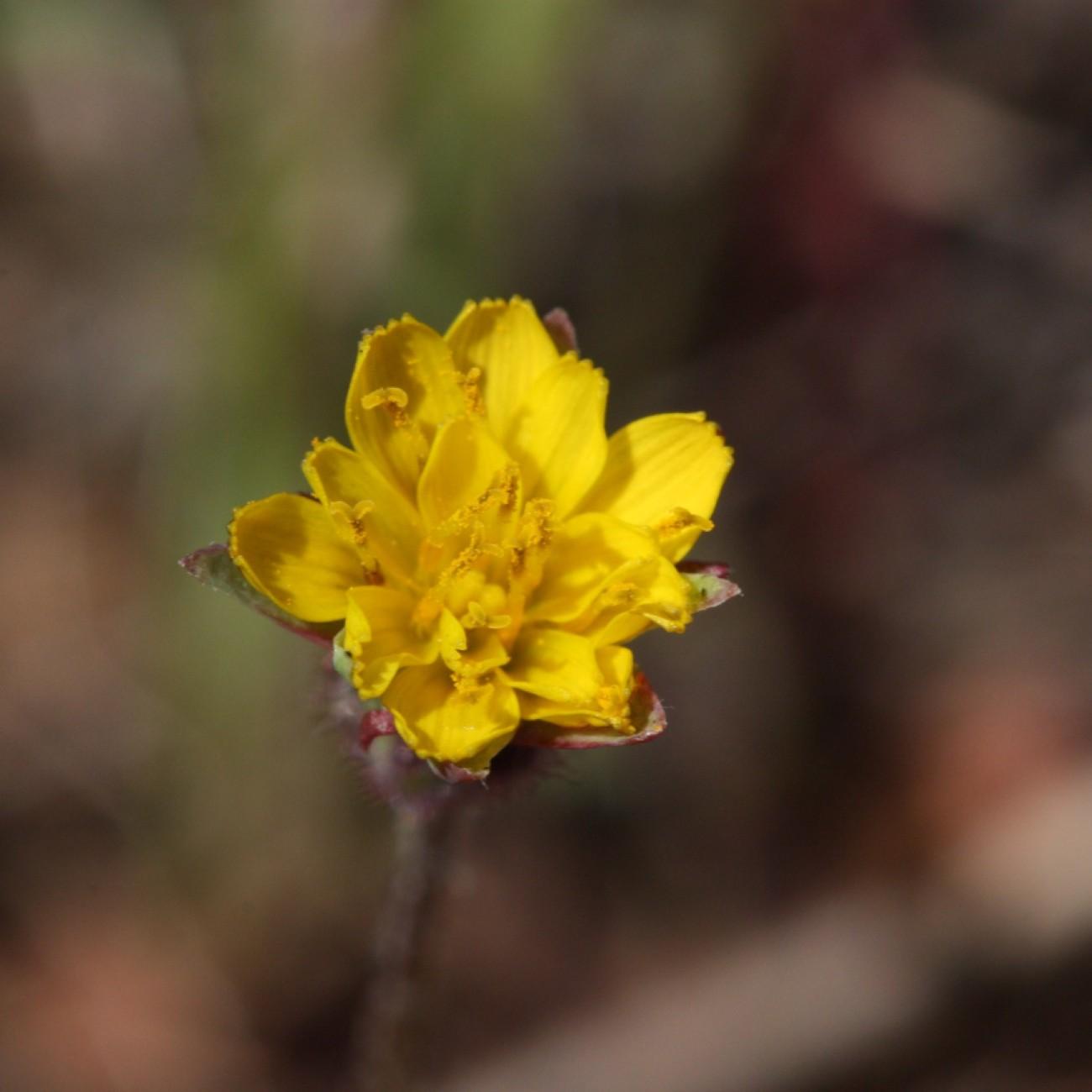
Annual Agoseris
Agoseris heterophylla
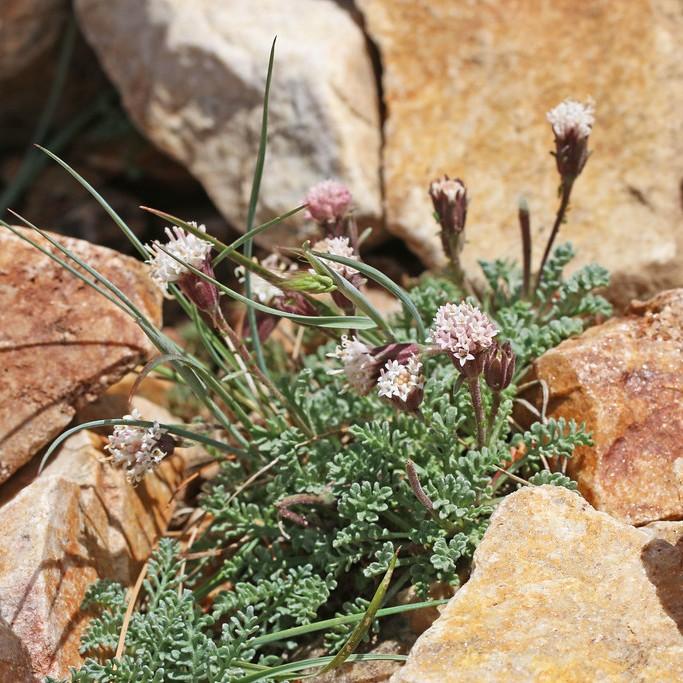
Hoary Pincushion
Chaenactis douglasii
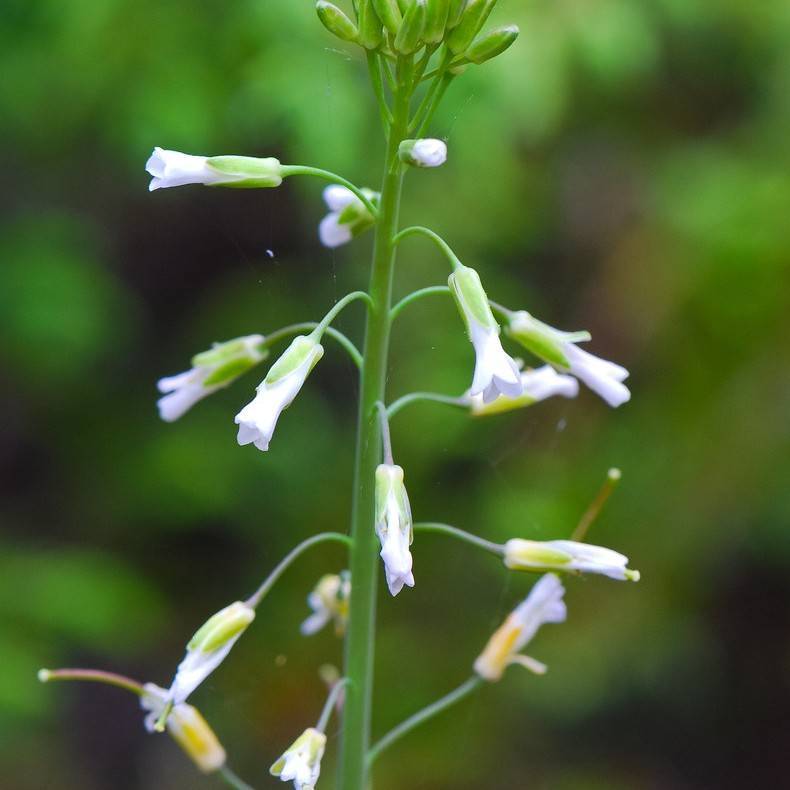
Graham's Rockcress
Boechera grahamii
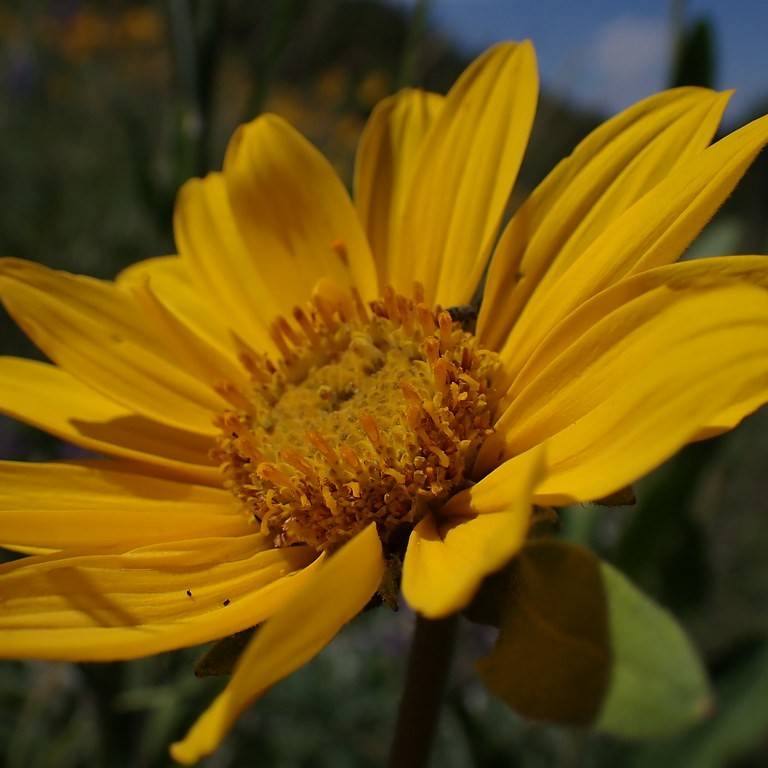
Arrowleaf Balsamroot
Balsamorhiza sagittata
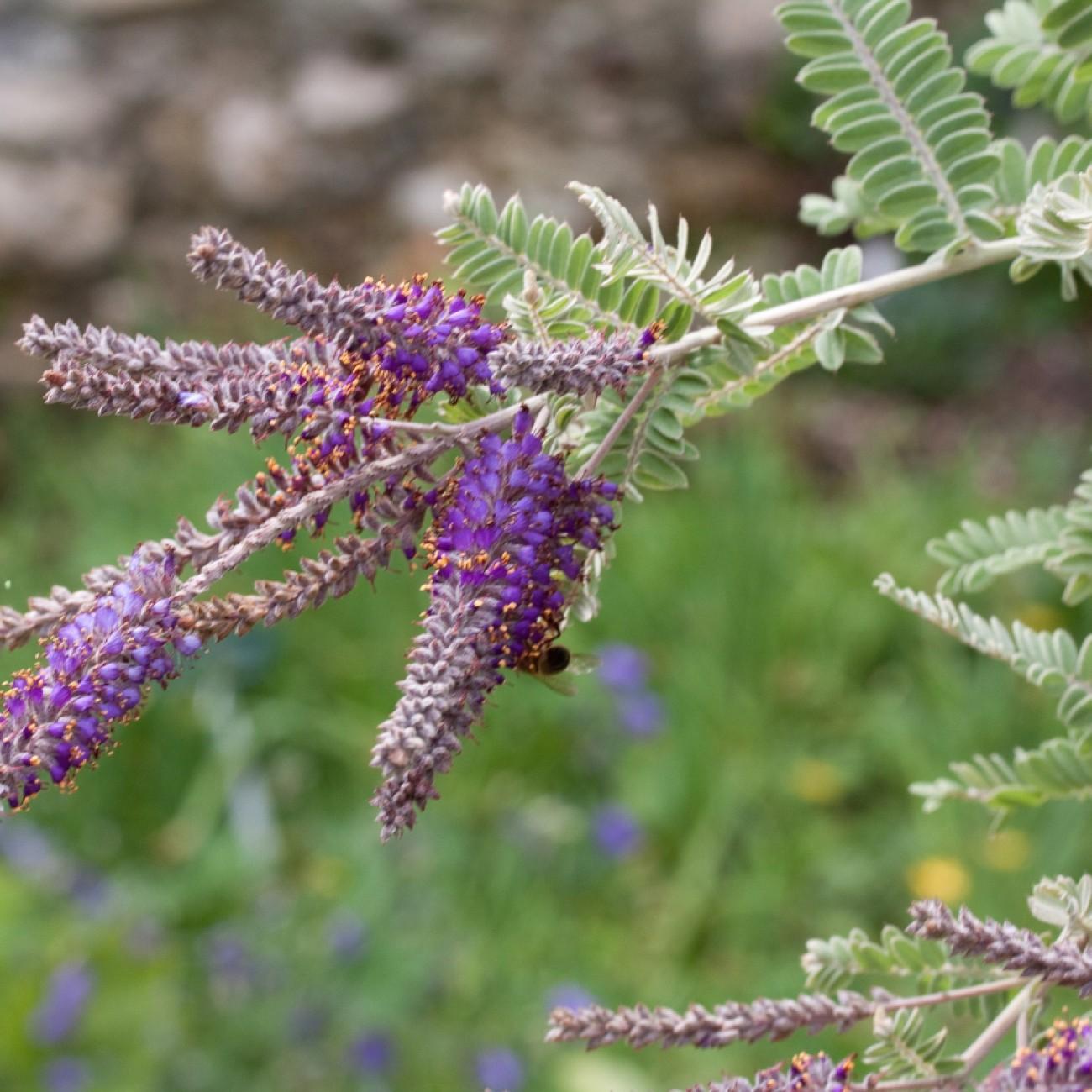
Dwarf False Indigo
Baptisia australis var. minor
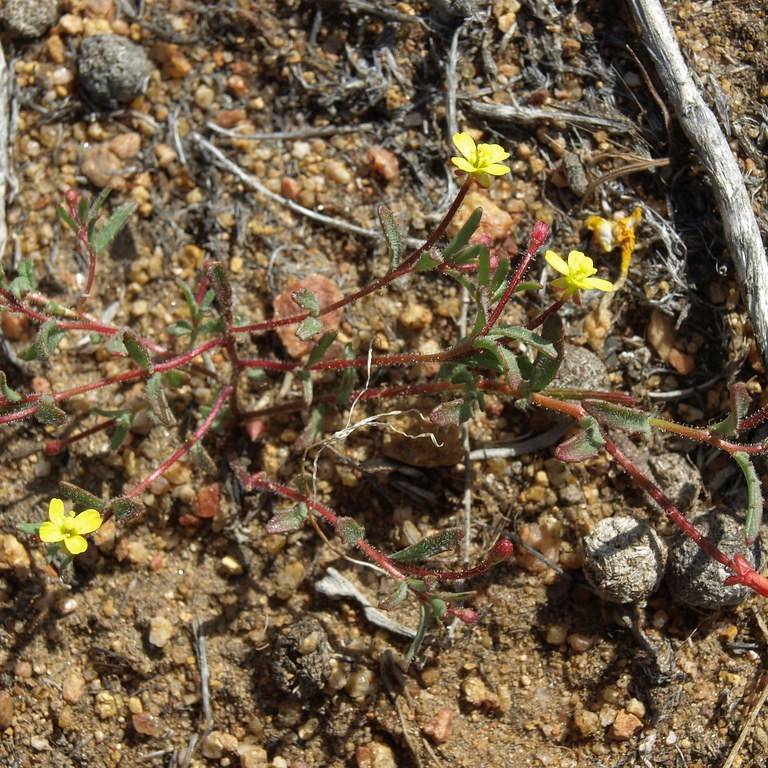
Dwarf Contorted Suncup
Camissonia contorta
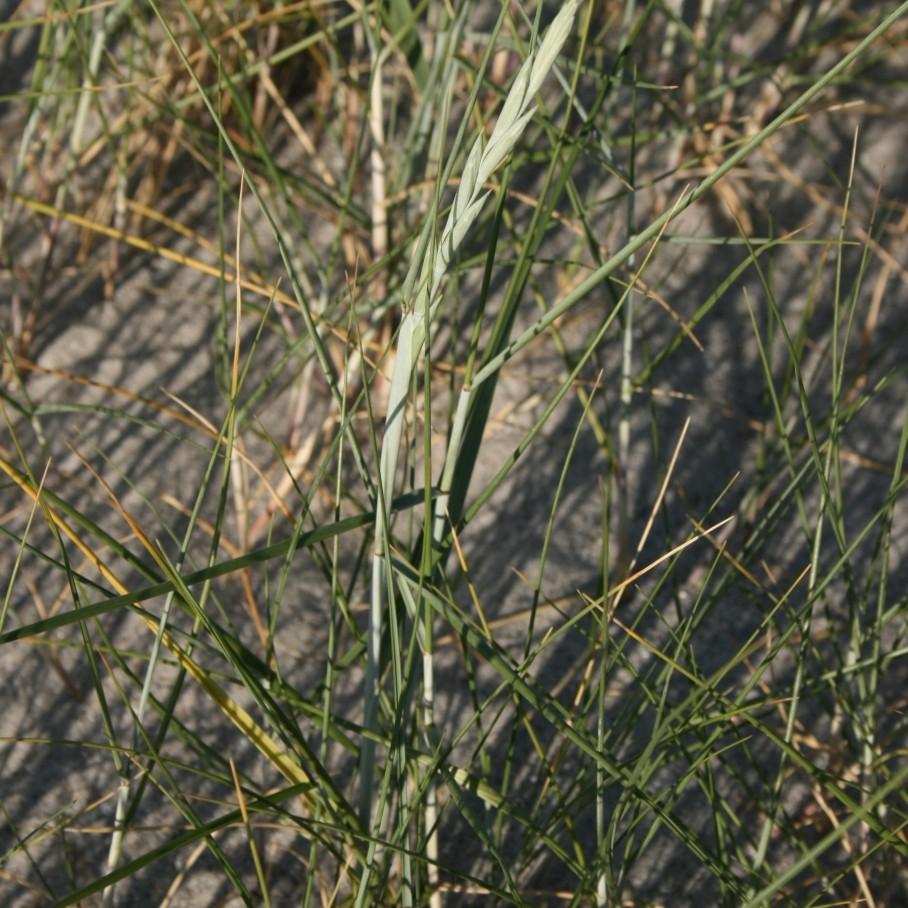
Lemmon's Needlegrass
Eriocoma lemmonii
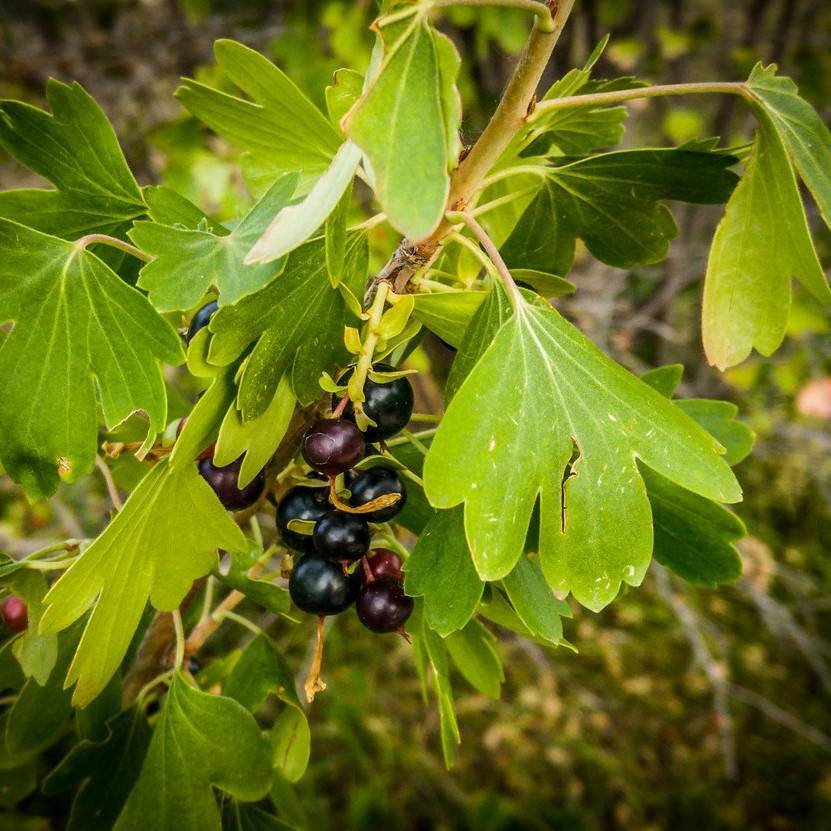
Clove Currant
Ribes odoratum