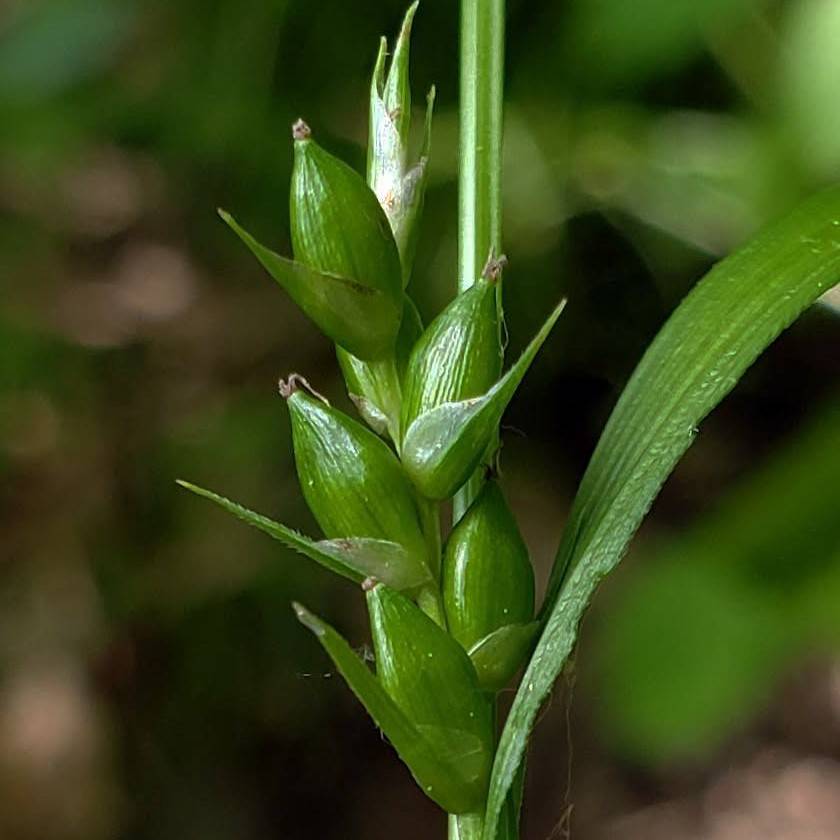
Field Sedge
Carex praegracilis
Overview
Field sedge, a cool-season perennial in the sedge family, is a popular grass alternative for low-water landscapes, thriving in both full sun and partial shade. Its fine, soft, deep green foliage stays evergreen in mild climates, turning light brown in cold winters before regrowing in early spring. It spreads slowly via shallow rhizomes to form dense, weed-suppressing mats that do not require frequent mowing.
Care Guide
Watering
Water newly planted field sedge 1-2 times per week for the first 3 months to establish deep roots, then reduce to supplemental watering only during extended dry spells, as it is highly drought-tolerant once established. Avoid overwatering or waterlogged soil, which can cause root rot, though it can tolerate occasional seasonal flooding.
Light
Grows best in full sun (6+ hours of direct sunlight daily) in cooler regions, but benefits from partial afternoon shade in areas with hot, intense summer sun to prevent foliage scorch. It can survive in full shade, though growth will be sparser and mats may be less dense.
Soil
Adaptable to a wide range of soil types, including clay, loam, sandy, and even moderately saline soils, with a preferred pH range of 5.0 to 7.5. It tolerates both dry and moderately wet soil conditions but performs best in well-drained, moderately fertile soil.
Fertilizer
Field sedge has low nutrient needs, so fertilizer is rarely required; a light application of balanced, slow-release 10-10-10 fertilizer in early spring can boost growth in poor, nutrient-depleted soils. Avoid over-fertilizing, which can lead to excessive leggy growth and reduce the plant's drought tolerance.
Temperature
Thrives in USDA hardiness zones 4 to 9, tolerating winter temperatures as low as -30°F (-34°C) and summer highs up to 100°F (38°C) with adequate moisture. In regions with extreme winter cold, foliage will die back to the ground and regrow from rhizomes once soil temperatures warm in spring.
Pruning
Mow field sedge once per year in late winter or early spring to a height of 3-4 inches to remove dead, brown foliage and encourage fresh new growth. No regular trimming is needed during the growing season, though you can trim back stray or overgrown stems as desired to maintain a neat appearance.
Propagation
Easiest to propagate via division in early spring or fall: dig up established clumps, split them into smaller sections with intact rhizomes and foliage, and replant 6-12 inches apart in prepared soil. It can also be grown from seed, though seed germination is slow and inconsistent, so division is preferred for landscape plantings.
Humidity
Tolerates a wide range of humidity levels, from dry continental climates to humid coastal regions, with no specific humidity requirements. High humidity rarely causes issues as long as the soil is well-drained and foliage has good air circulation.
Repotting
Field sedge is rarely grown in containers, but if potted, repot every 2-3 years in early spring before new growth emerges, using a general-purpose potting mix with added perlite for drainage. Trim back overgrown rhizomes and roots during repotting to prevent the plant from becoming root-bound.
Uses & Symbolism
Widely used as a low-maintenance, drought-tolerant lawn substitute for residential yards, parks, and roadside plantings, requiring far less water and mowing than traditional turf grasses. It is also planted for erosion control on slopes, riparian buffer zones, and rain gardens, as its dense root system holds soil in place and filters stormwater runoff. It provides habitat and food for native pollinators, small birds, and beneficial insects, making it a common choice for native wildlife gardens.
Diseases & Pests
Field sedge is largely pest and disease resistant, with few common issues; overwatered plants may develop root rot caused by fungal pathogens like Pythium or Phytophthora. Occasional aphid or spider mite infestations may occur, especially in dry, stressed plants, but these can be controlled with a strong spray of water or insecticidal soap. It is rarely affected by deer or rabbit browsing, making it a good choice for areas with high wildlife pressure.
Related plants
Other plants you might like if you grow Field Sedge.
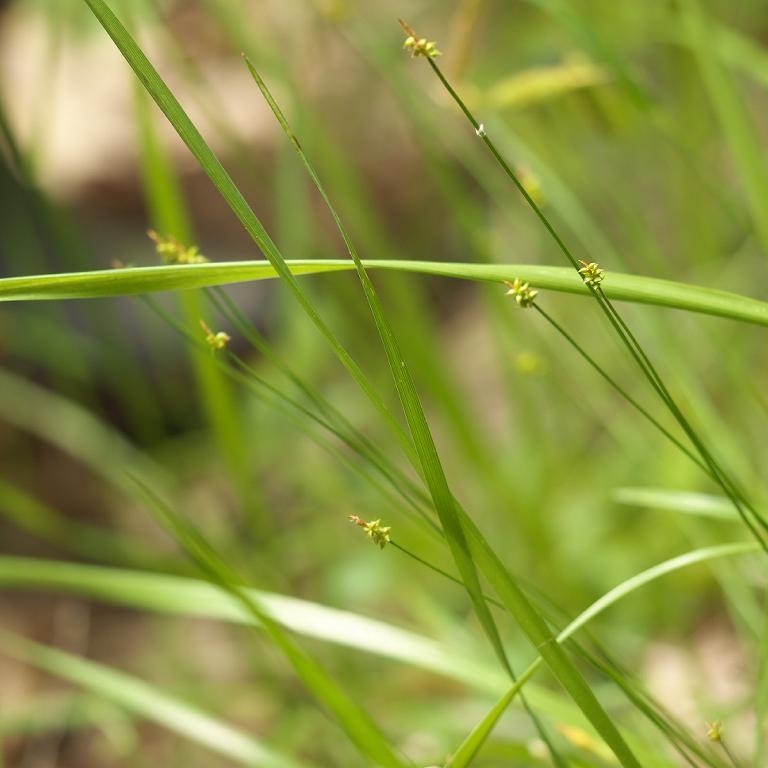
Appalachian Sedge
Carex appalachica
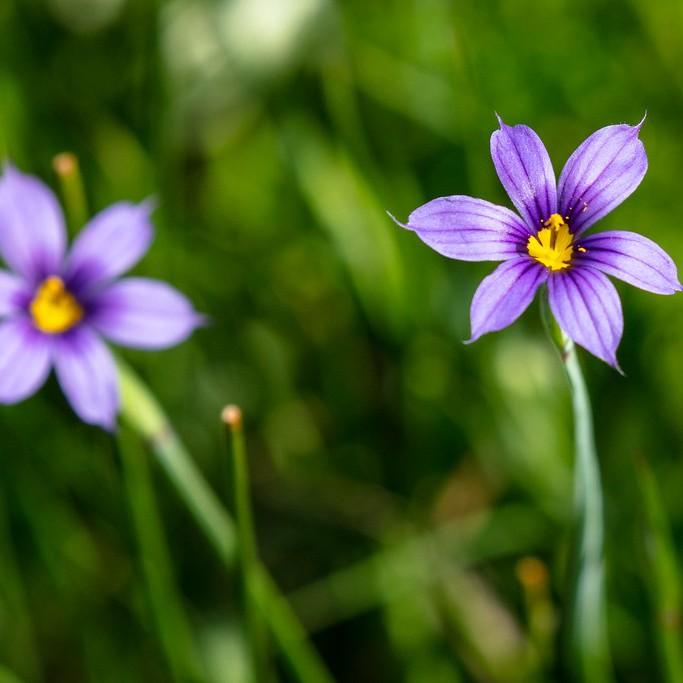
Blue Eyed Grass
Sisyrinchium campestre
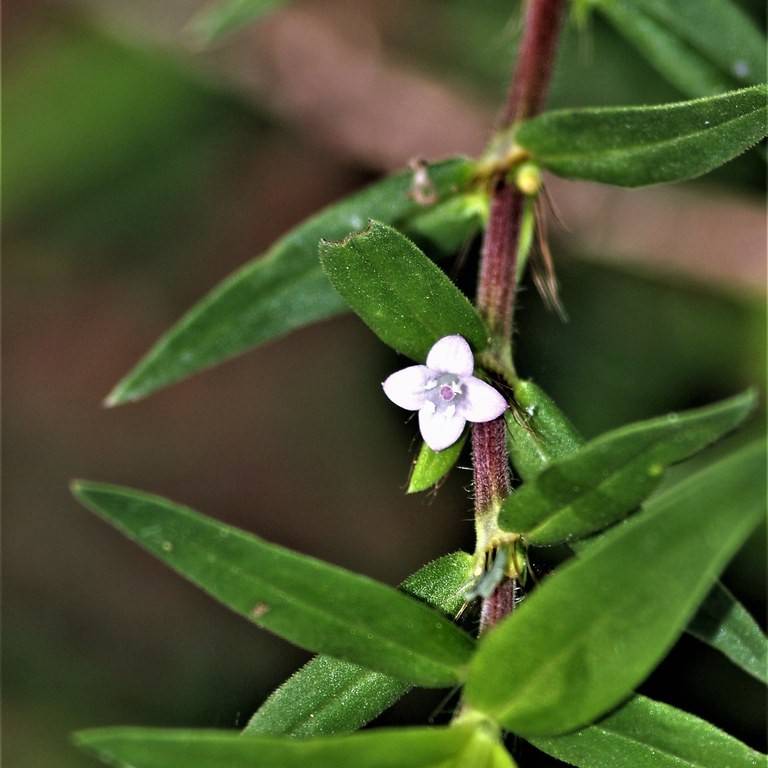
Diamondflowers
Stenaria nigricans
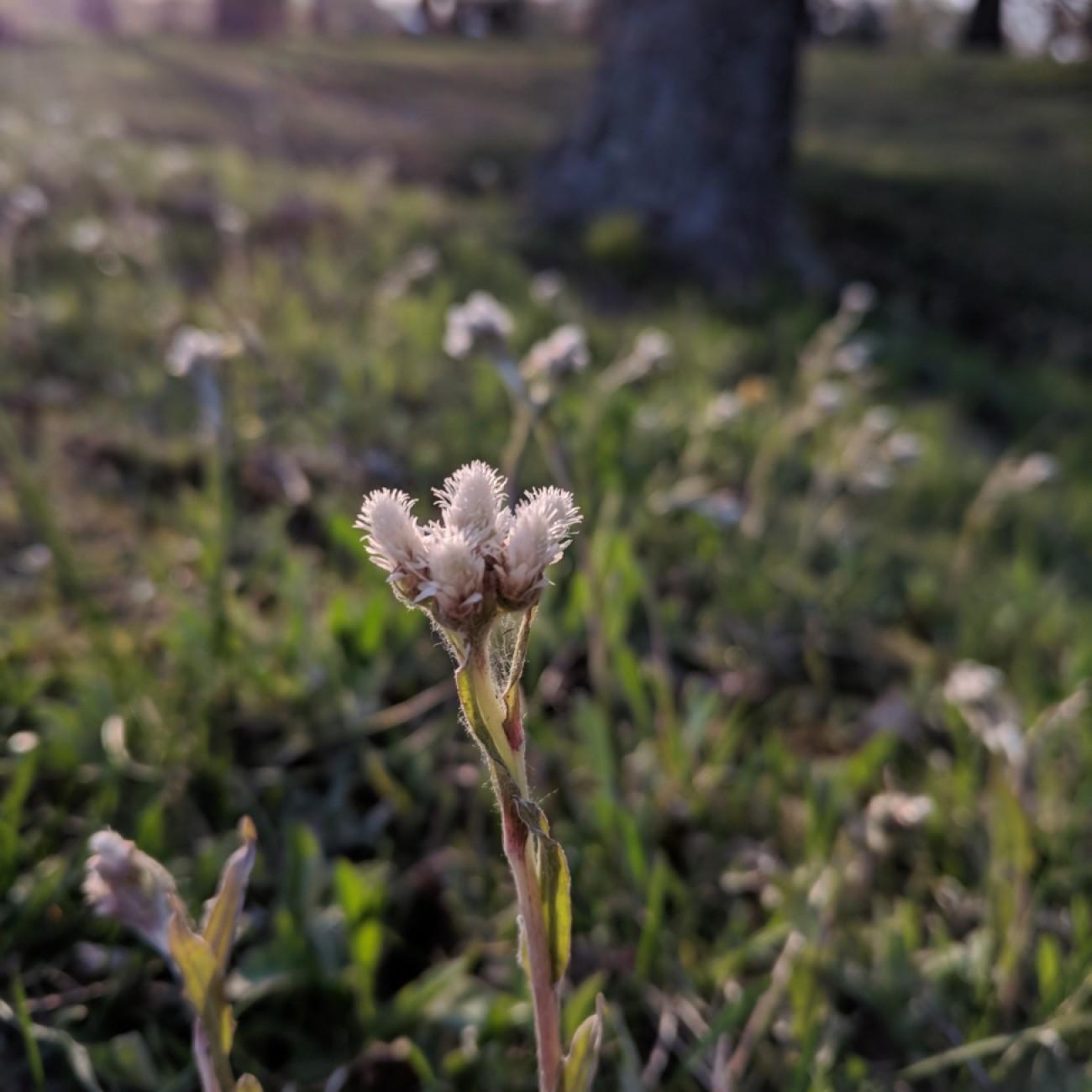
Howell's Pussytoes
Antennaria howellii
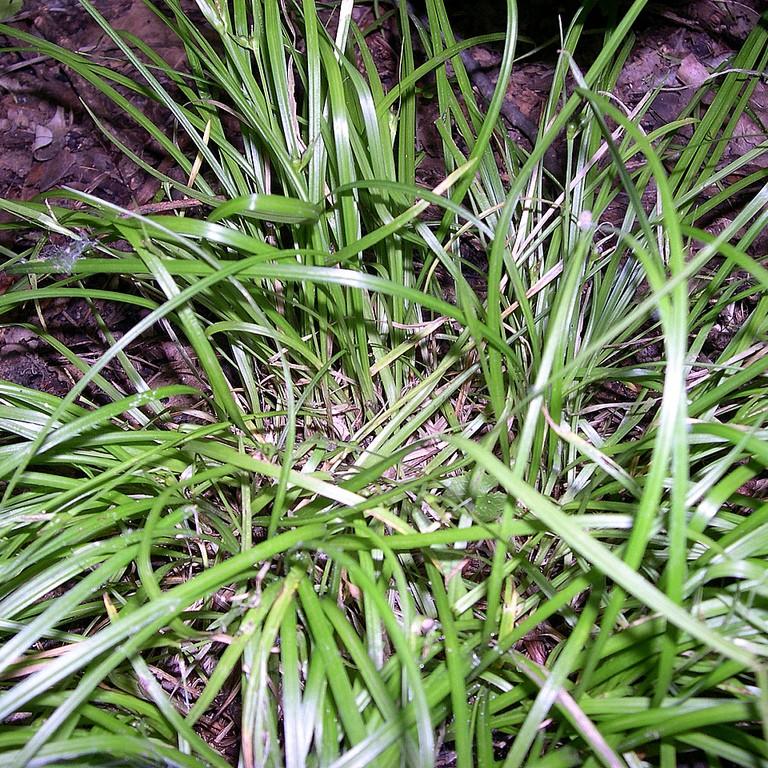
James Sedge
Carex jamesii
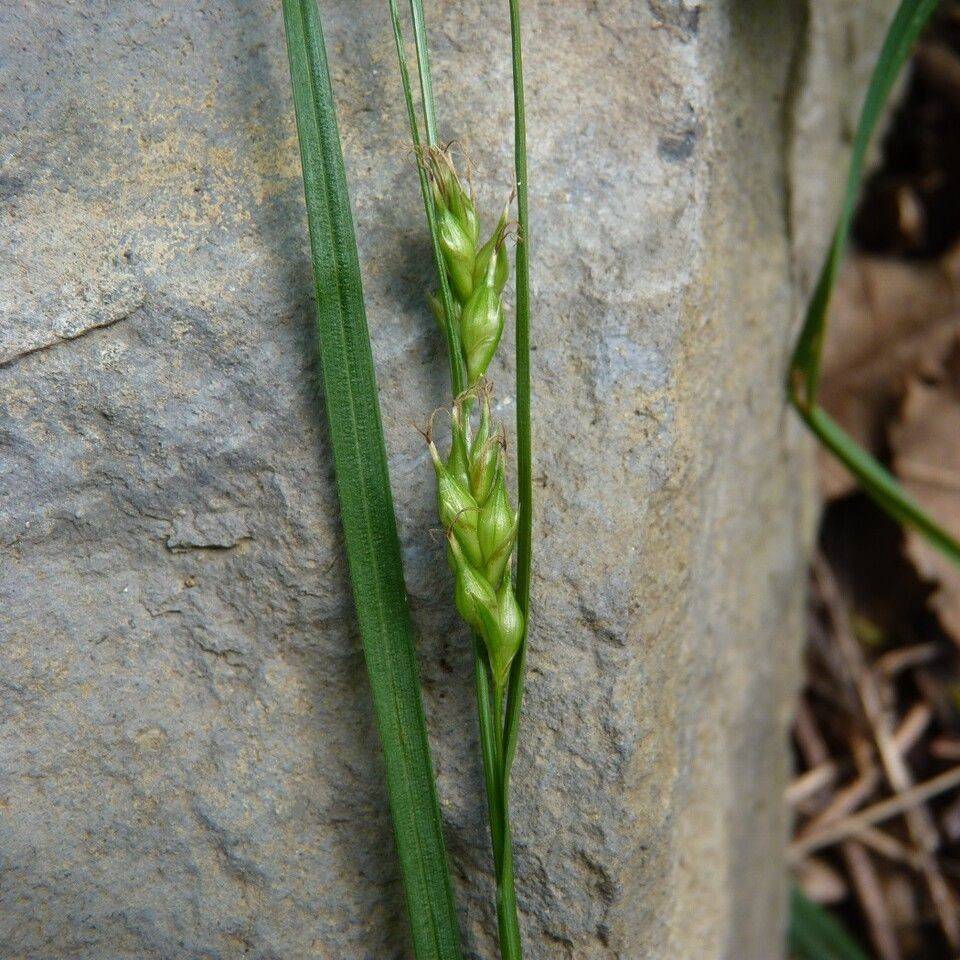
Finely Nerved Sedge
Carex leptonervia
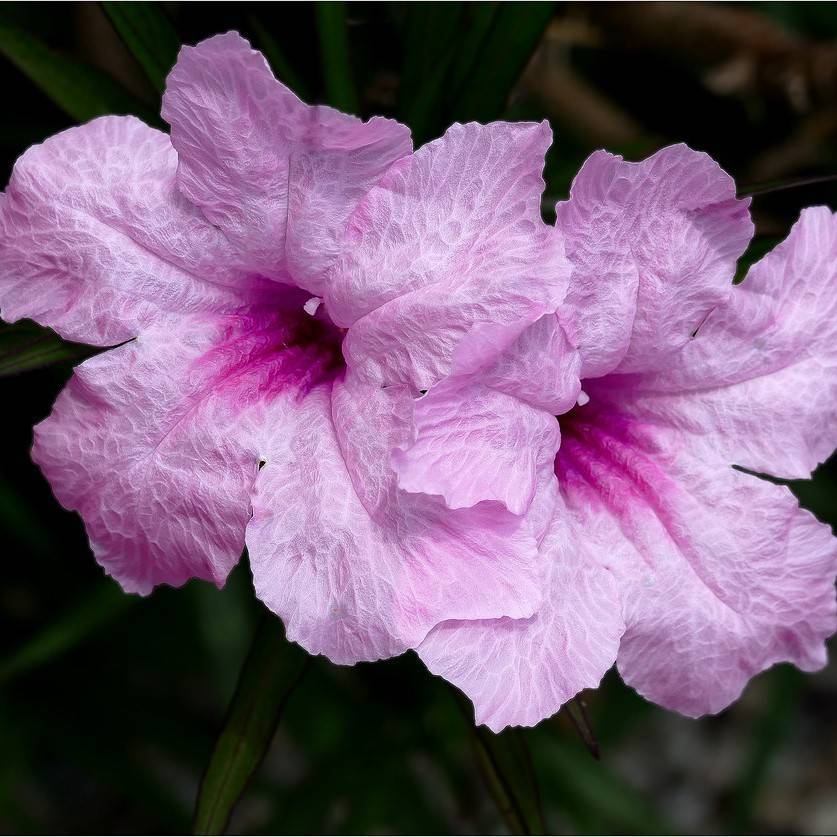
Dwarf Ruellia
Ruellia simplex 'Katie'
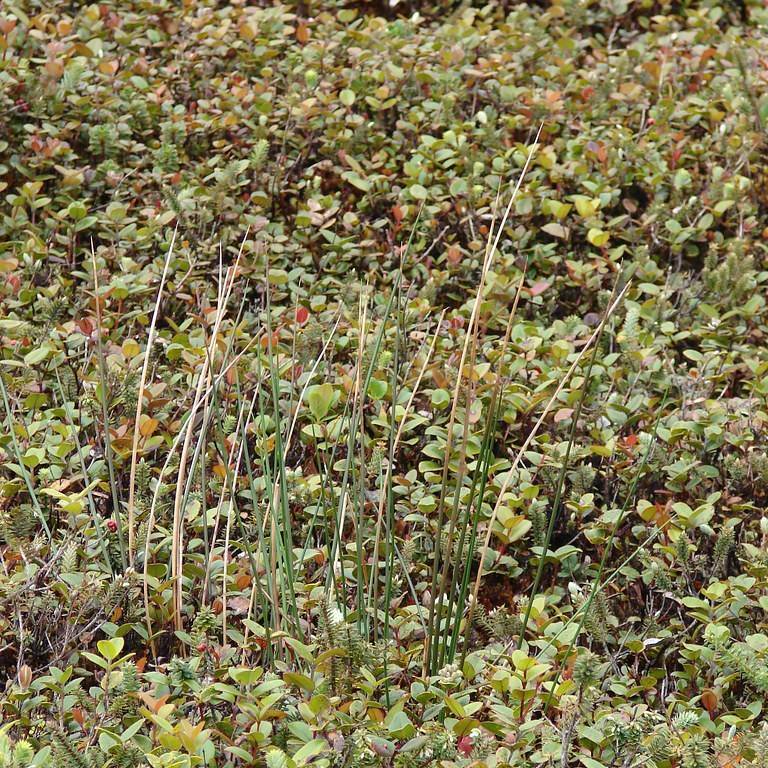
Dwarf Mat Rush
Lomandra confertifolia subsp. pallida 'Little Con'