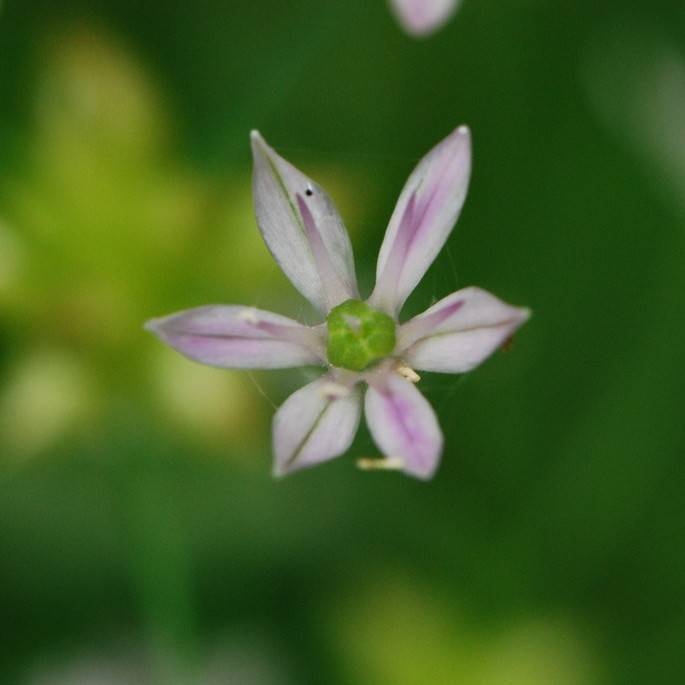
Canada Garlic
Allium canadense
Overview
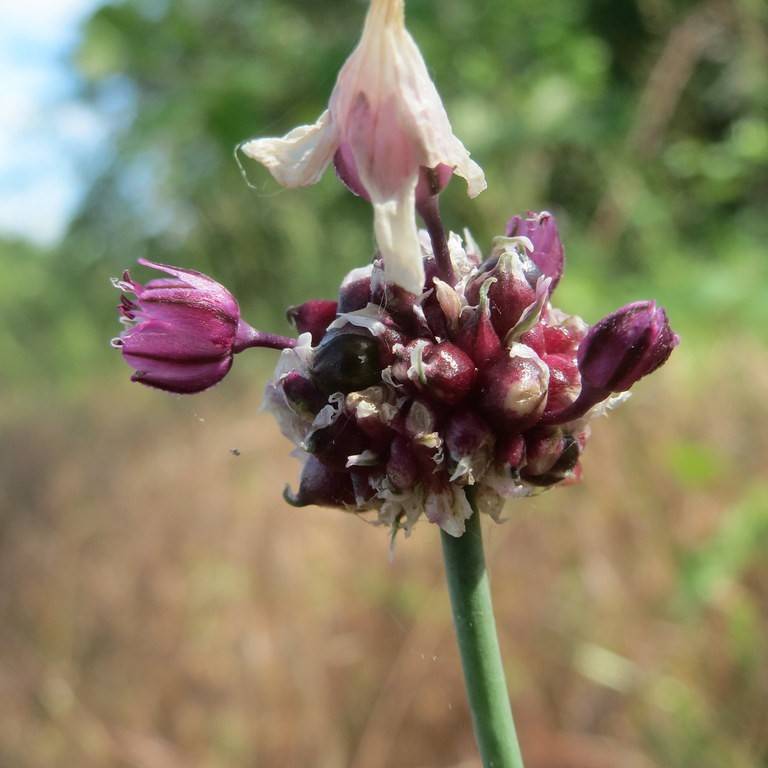
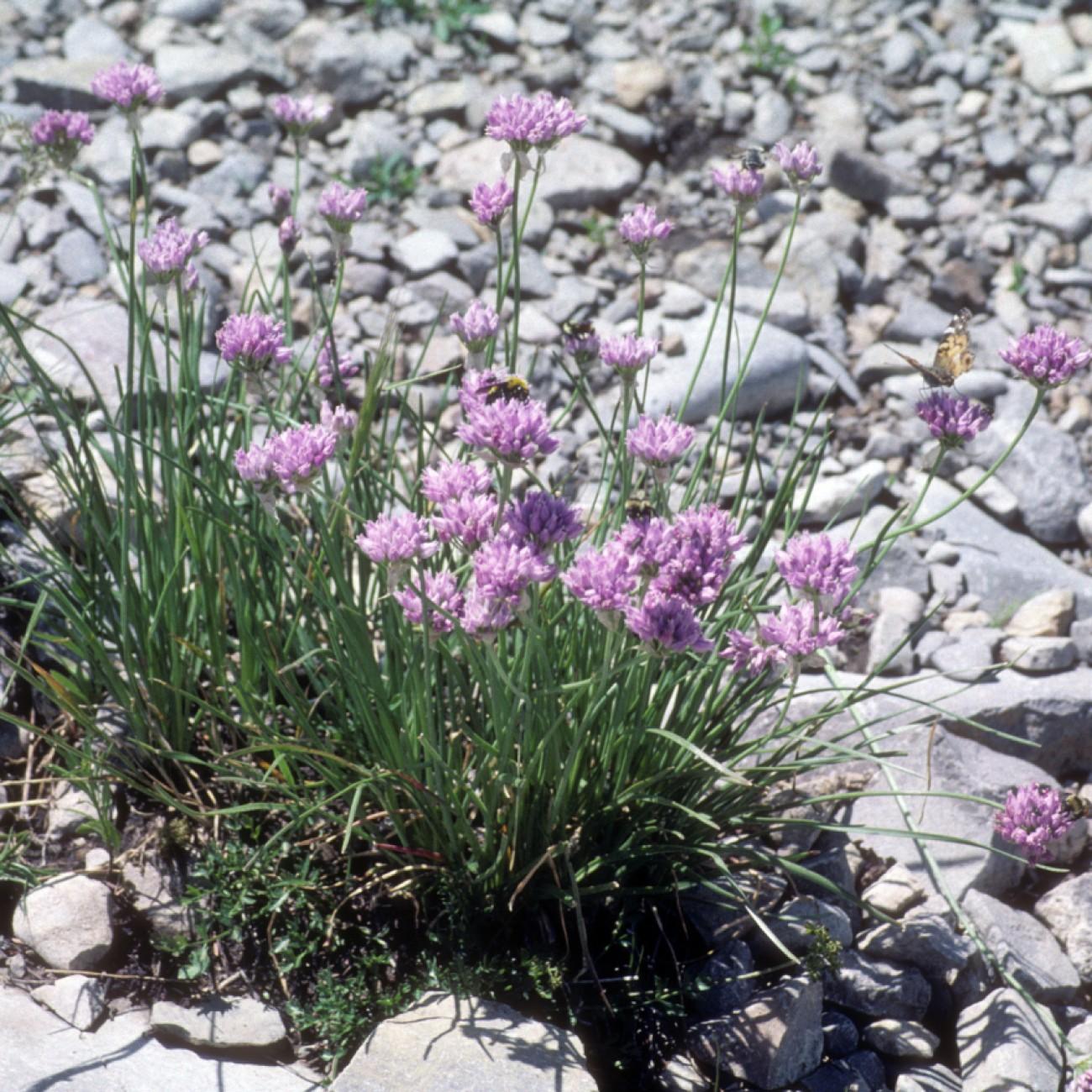
Canada garlic, also called meadow garlic or wild garlic, is a clumping perennial allium that thrives in prairies, open woodlands, and disturbed sites across its native range. Unlike cultivated garlic, it produces small, above-ground bulbils in its flower heads, which are often more numerous than viable seeds and allow for easy natural spread. Both its leaves, bulbs, and bulbils have a mild garlic-onion flavor, making it a popular foraged and cultivated edible for home gardens.
Care Guide
Watering
Water Canada garlic regularly during its active spring and early summer growth period, keeping the soil consistently moist but not waterlogged to prevent bulb rot. Reduce watering once foliage begins to yellow and die back in late summer, as the plant enters dormancy and requires drier conditions until new growth emerges the following spring.
Light
Grow Canada garlic in full sun, which supports the most robust foliage, flower, and bulbil production, though it will tolerate partial shade, especially in warmer southern portions of its range. Too much deep shade will result in sparse, leggy growth and reduced yields of edible plant parts.
Soil
Canada garlic adapts well to a wide range of soil types, including sandy loam, clay, and rocky soils, as long as the site has good drainage. It prefers a slightly acidic to neutral pH between 6.0 and 7.0, and will benefit from a 1-inch layer of organic compost mixed into the top 6 inches of soil at planting time to boost nutrient content.
Fertilizer
Fertilize lightly in early spring just as new growth emerges, using a balanced 10-10-10 granular fertilizer or diluted liquid all-purpose fertilizer to support foliage development. Avoid fertilizing after flower buds form, as excess nitrogen at this stage can reduce bulbil and bulb quality, and no additional feeding is needed during dormancy.
Temperature
This hardy allium is adapted to USDA hardiness zones 4 through 9, tolerating winter temperatures as low as -30°F (-34°C) with minimal protection. It prefers cool spring temperatures between 50°F and 75°F (10°C to 24°C) for active growth, and will go dormant once consistent summer temperatures rise above 85°F (29°C).
Pruning
Pruning is generally unnecessary for Canada garlic, though you can snip off spent flower heads after bulbils form if you wish to prevent unwanted self-seeding and spread in the garden. Remove yellowed, dead foliage at the end of the growing season to keep the planting area tidy and reduce the risk of fungal disease overwintering.
Propagation
Canada garlic is most easily propagated by planting the small bulbils harvested from the flower heads in late summer or early fall, sown 1 inch deep and 4 inches apart in prepared soil. It can also be propagated by dividing mature bulb clumps every 3 to 4 years in fall, separating individual offset bulbs and replanting them at the same depth they were growing previously.
Humidity
Canada garlic thrives in average ambient humidity levels between 40% and 60%, which are typical across its native North American range. It does not require extra humidity, and excess high humidity combined with poor air circulation can increase the risk of fungal leaf spot or bulb rot.
Repotting
If grown in containers, repot Canada garlic every 2 to 3 years in fall during dormancy, moving to a pot 2 inches larger than the current one to accommodate expanding bulb clumps. Use a well-draining potting mix amended with compost, and ensure the pot has multiple drainage holes to prevent waterlogged soil that can damage bulbs.
Uses & Symbolism
All parts of Canada garlic are edible: the young leaves can be used as a substitute for chives or green onions, the small underground bulbs can be cooked like cultivated garlic, and the crisp bulbils add a mild garlicky flavor to salads, stir-fries, and pickles. It is also planted as a low-maintenance ornamental in native wildflower gardens, where its nectar-rich flowers attract pollinators like bees and butterflies, and its strong scent repels common garden pests like aphids and Japanese beetles.
Diseases & Pests
Canada garlic is relatively pest and disease resistant, but it can be susceptible to fungal issues like rust, leaf spot, and bulb rot in overly wet, poorly drained soil or high-humidity conditions with poor air circulation. Common pests include onion thrips and allium leaf miners, which can be managed with regular insecticidal soap sprays and by removing and destroying infested plant material at the end of the growing season.
Related plants
Other plants you might like if you grow Canada Garlic.