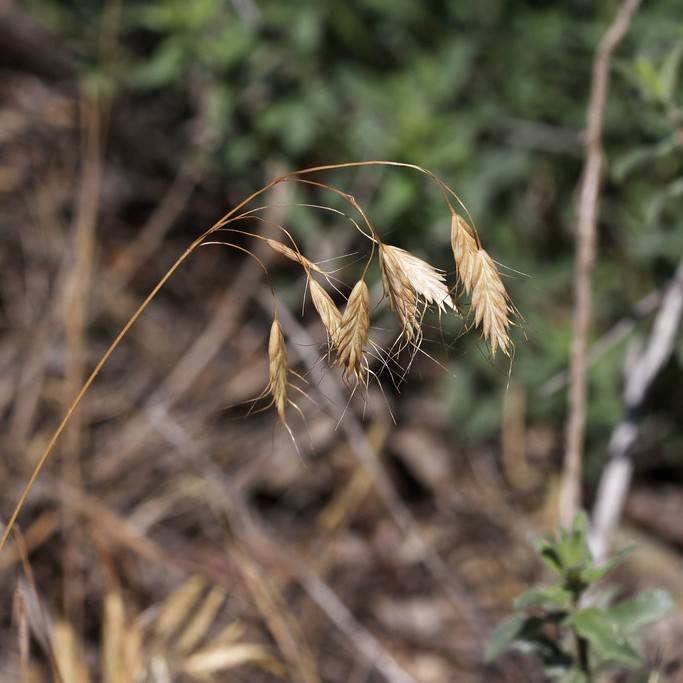
Field Brome
Bromus arvensis
Overview
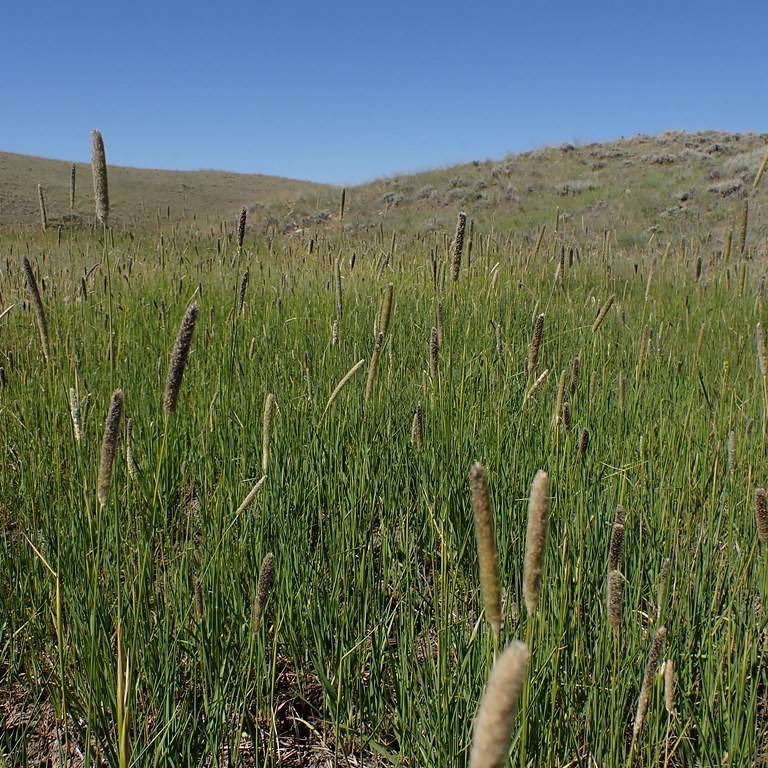
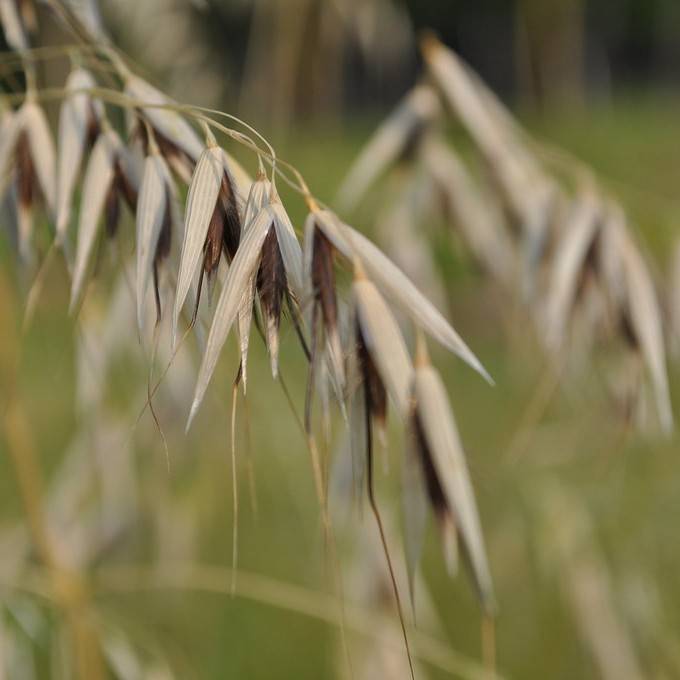
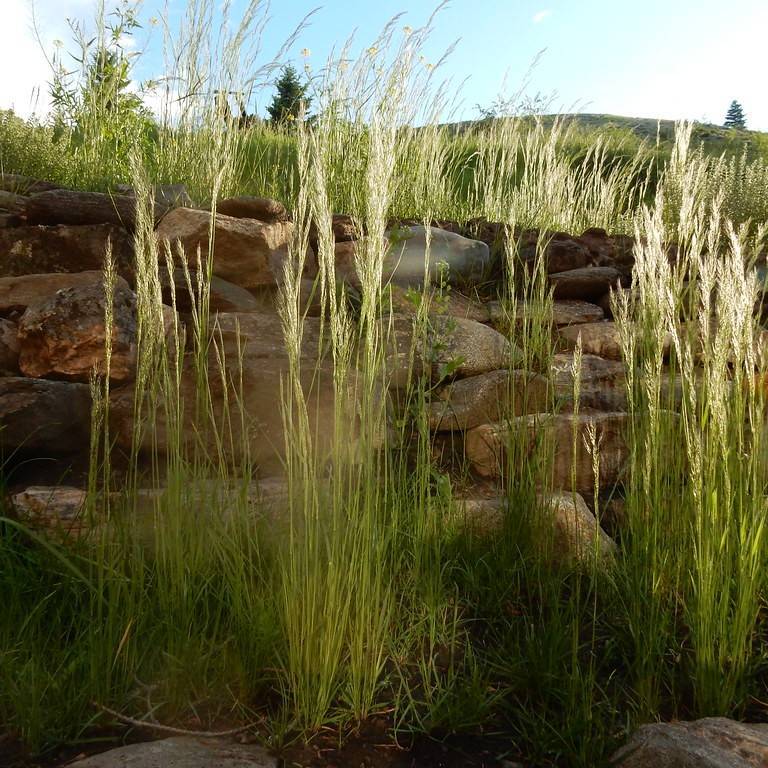
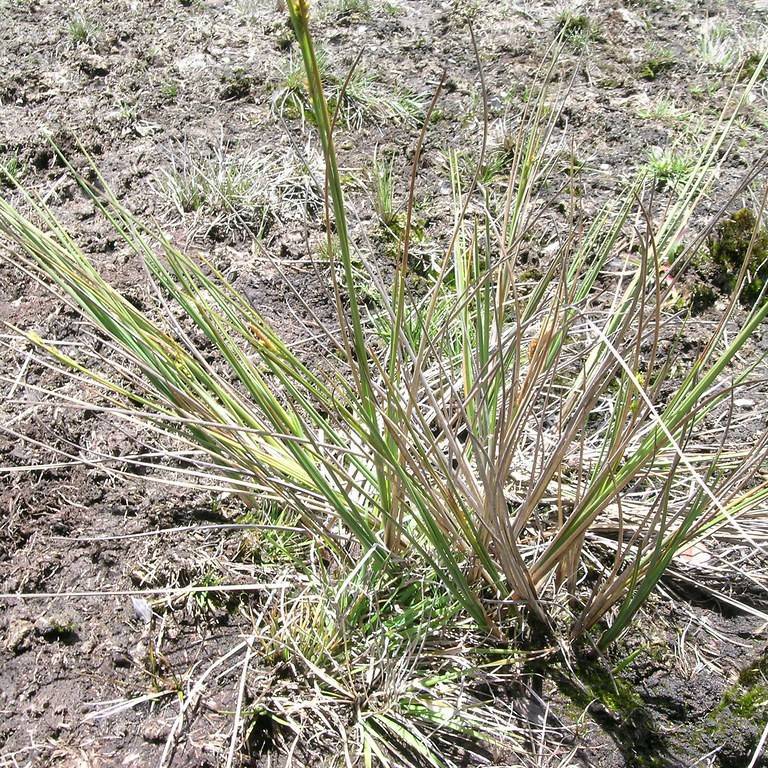
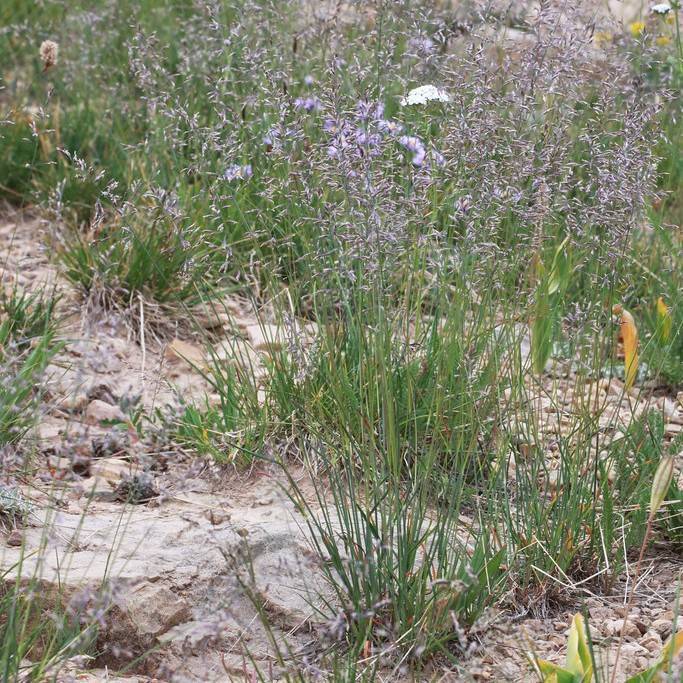
Field brome is a tufted cool-season annual grass that germinates in fall or early spring, producing upright, slender stems with flat, soft green leaf blades. It produces open, drooping panicles of spikelets from late spring to mid-summer, shedding seed by early fall. Adaptable to a wide range of disturbed habitats, it is frequently encountered in croplands, pastures, roadsides, and abandoned fields across temperate regions worldwide.
Care Guide
Watering
Field brome has moderate water needs, thriving in evenly moist soil during its germination and early growth stages, and tolerating short periods of drought once established. It does not tolerate waterlogged conditions, which can cause root rot and stunted growth. In naturalized settings, it typically relies on rainfall, requiring no supplemental irrigation in most temperate climates.
Light
This grass grows best in full sun, requiring a minimum of 6 hours of direct sunlight daily to produce robust foliage and abundant seed heads. It can tolerate very light shade, but growth will be sparse and flowering will be reduced under low-light conditions. It is not suited for deeply shaded areas such as under dense tree canopies.
Soil
Field brome adapts to a wide range of soil types, including loam, sandy soil, clay, and even moderately alkaline or acidic substrates, as long as drainage is adequate. It prefers moderately fertile, well-drained loam with a pH between 6.0 and 7.5 for optimal growth. It can survive in low-fertility, disturbed soils where many other grass species struggle to establish.
Fertilizer
As a hardy grass adapted to low-fertility sites, field brome typically requires no supplemental fertilizer when grown in naturalized or pasture settings. If grown for forage production, a light application of nitrogen-rich fertilizer in early spring can boost foliage yield without encouraging excessive weed growth. Over-fertilization will lead to lush, weak growth that is prone to lodging.
Temperature
Field brome thrives in cool temperate climates, with optimal growth occurring at temperatures between 50°F and 75°F (10°C to 24°C). It tolerates light frost well, and fall-germinated seedlings can overwinter in regions with mild to moderate winter temperatures. It dies back completely once summer temperatures rise consistently above 85°F (29°C) after setting seed.
Pruning
Pruning is generally unnecessary for field brome, though mowing in late summer after seed set can prevent unwanted self-seeding in areas where it is considered a nuisance. If grown as a forage crop, it can be grazed or cut for hay once it reaches 12 to 18 inches tall, before seed heads fully mature for the best nutritional value. Dead foliage can be removed in late fall to clean up growing areas.
Propagation
Field brome propagates exclusively from seed, which is readily shed from mature spikelets in late summer and germinates in fall or early spring when soil moisture and temperature conditions are favorable. For intentional planting, seeds can be broadcast onto prepared soil in late fall or early spring, pressed lightly into the surface, and kept evenly moist until germination, which typically occurs within 7 to 14 days. It self-seeds readily in suitable habitats, forming large colonies over time without human intervention.
Humidity
Field brome adapts well to a wide range of humidity levels, thriving in the moderate humidity common to temperate grassland and agricultural regions. It tolerates both dry, arid conditions and higher humidity, as long as foliage is allowed to dry out between rain events to prevent fungal disease. Excessively high, prolonged humidity coupled with poor air circulation can increase the risk of foliar fungal infections.
Repotting
Repotting is not applicable for field brome, as it is a wild, naturalized grass almost exclusively grown outdoors in open landscapes, pastures, or restoration sites. If grown in a container for research or ornamental purposes, it can be sown directly in its final container, as its shallow annual root system will not outgrow a standard 1-gallon pot in a single growing season. Plants are discarded after they complete their annual life cycle.
Uses & Symbolism
Field brome is widely used as a temporary forage crop for livestock, providing palatable, nutrient-dense grazing or hay when harvested before seed heads mature. It is also planted for erosion control on disturbed sites such as road cuts, construction zones, and post-wildfire areas, as its quick germination and fibrous root system hold soil in place effectively. It is sometimes included in seed mixes for pollinator habitat restoration, as its seed heads provide food for small birds and ground-foraging wildlife.
Diseases & Pests
Field brome is relatively resistant to most common grass diseases, though it can be affected by foliar rusts, powdery mildew, and leaf spot in prolonged wet, humid conditions with poor air circulation. Common pests include aphids, grasshoppers, and cereal leaf beetles, which feed on foliage and can reduce yield if populations are high. It is also susceptible to root rot in poorly drained, waterlogged soils, which can kill seedlings rapidly.
Related plants
Other plants you might like if you grow Field Brome.