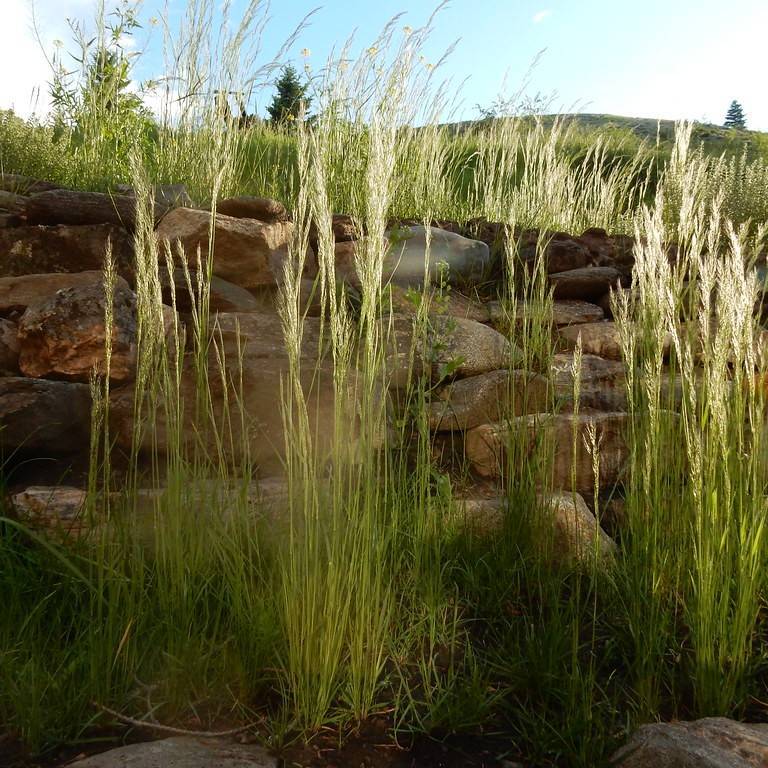
Dense Silky Bentgrass
Agrostis capillaris
Overview
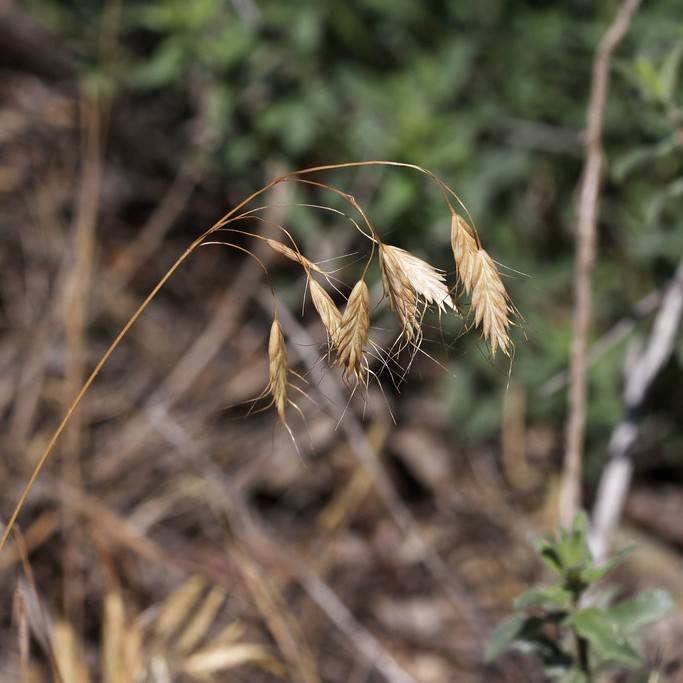
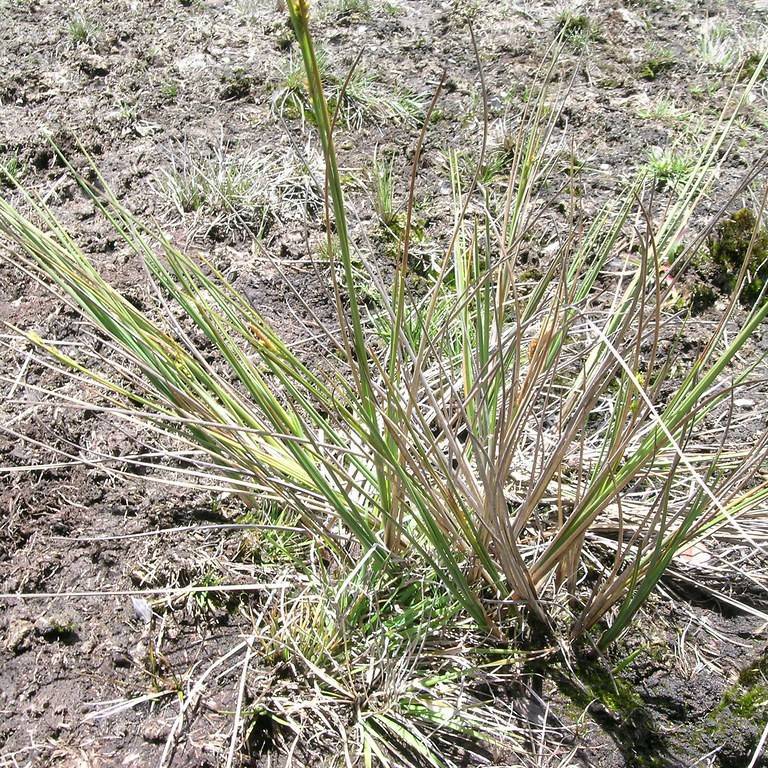
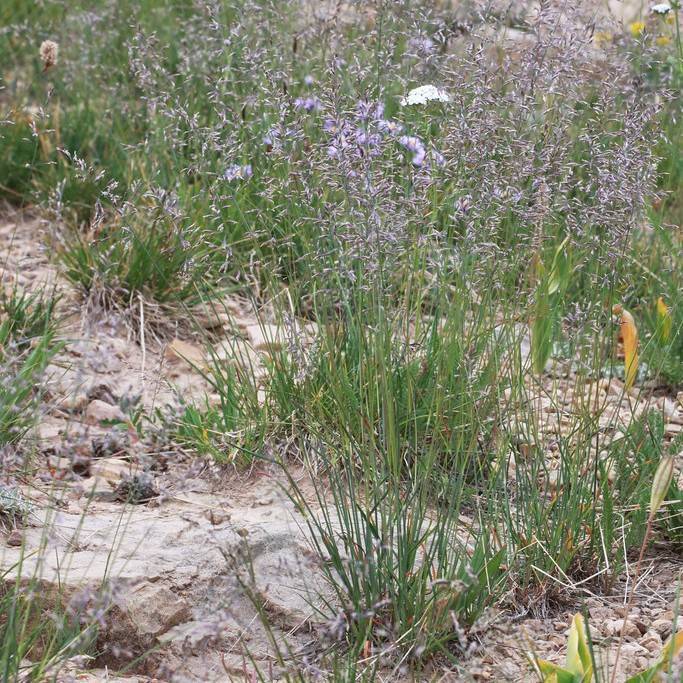
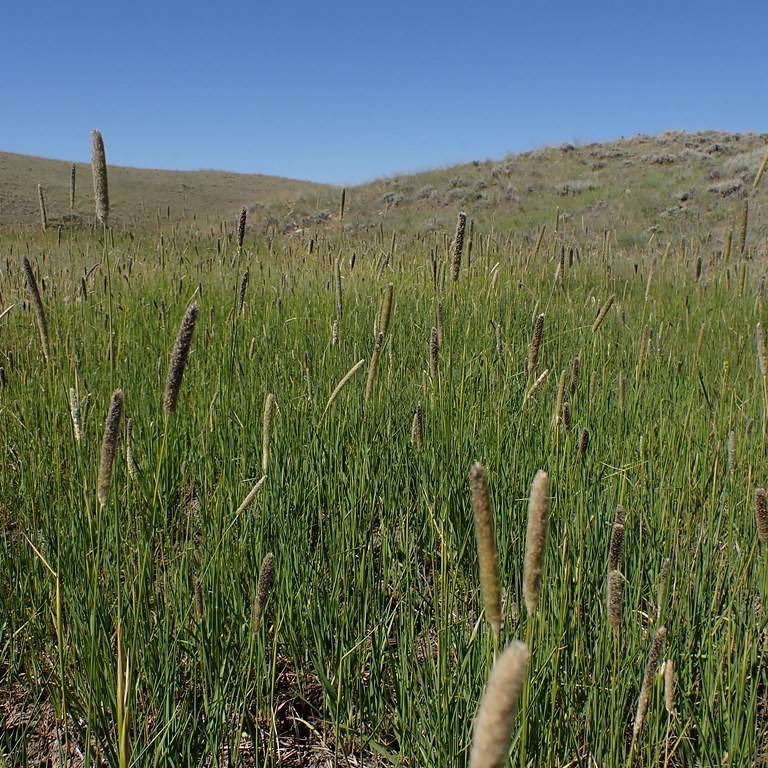
Dense Silky Bentgrass, also called common bent or browntop, forms dense, soft mats of fine, narrow green foliage that stays low-growing under regular mowing. It is widely naturalized in North America and other temperate regions outside its native range, often thriving in meadows, pastures, and disturbed sites. Its fine texture and tolerance for close cutting make it a popular component of high-quality cool-season turf mixes.
Care Guide
Watering
Dense Silky Bentgrass prefers consistent moisture, requiring 1 to 1.5 inches of water weekly during active growth to maintain vibrant foliage, though it can tolerate short periods of drought once established. Avoid overwatering in poorly drained sites, as this can lead to root rot and fungal issues.
Light
This grass thrives in full sun, requiring a minimum of 6 hours of direct sunlight daily for the densest, healthiest growth. It can tolerate partial shade, but growth will be sparser and less vigorous in low-light conditions.
Soil
It adapts to a wide range of soil types, from sandy loam to clay, but performs best in well-drained, slightly acidic soil with a pH between 5.5 and 6.5. It can tolerate poorer, lower-nutrient soils better than many other cool-season turf grasses.
Fertilizer
Apply a balanced, slow-release nitrogen fertilizer at a rate of 1 to 2 pounds of nitrogen per 1,000 square feet annually, split into applications in early spring and late fall when the grass is actively growing. Avoid over-fertilizing in the heat of summer, as this can stress the plant and increase disease risk.
Temperature
Dense Silky Bentgrass is a cool-season grass, growing most actively when temperatures are between 60 and 75°F (15 to 24°C). It can tolerate light frosts and cold winters down to USDA hardiness zone 3, but may go dormant or turn brown during extended periods of heat above 85°F (29°C).
Pruning
Mow regularly to a height of 0.5 to 2 inches depending on use; golf course fairways are often cut as low as 0.25 inches, while lawns perform well at 1 to 2 inches. Remove any dead or brown patches in early spring to encourage new, healthy growth and improve air circulation.
Propagation
It is most commonly propagated from seed, sown in early spring or late fall when soil temperatures are cool and consistent moisture is available. It can also be propagated vegetatively via sod plugs or sprigs, as its creeping stolons root readily in contact with moist soil.
Humidity
This grass tolerates a wide range of humidity levels, from dry temperate regions to more humid coastal areas. High humidity combined with warm temperatures and poor air circulation can increase the risk of fungal leaf diseases, so avoid overwatering in humid conditions.
Repotting
For container-grown specimens, repot every 2 to 3 years in early spring, using a well-drained potting mix formulated for grasses. Trim back any overgrown roots and divide dense clumps if desired to maintain healthy growth and prevent the plant from becoming root-bound.
Uses & Symbolism
Dense Silky Bentgrass is a primary component of high-quality cool-season lawns, golf course fairways, and putting greens due to its fine texture and tolerance for very close mowing. It is also used for erosion control on slopes and disturbed sites, as its dense mat of roots and stolons holds soil effectively. Wild populations provide forage for grazing livestock and habitat for small native insects and ground-dwelling wildlife.
Diseases & Pests
Common fungal diseases affecting Dense Silky Bentgrass include dollar spot, brown patch, and snow mold, which are most prevalent in warm, humid conditions with poor air circulation or excess moisture. Pests such as billbugs, sod webworms, and white grubs may feed on the roots and foliage, causing brown patches and thinning turf if populations are left unmanaged.
Related plants
Other plants you might like if you grow Dense Silky Bentgrass.