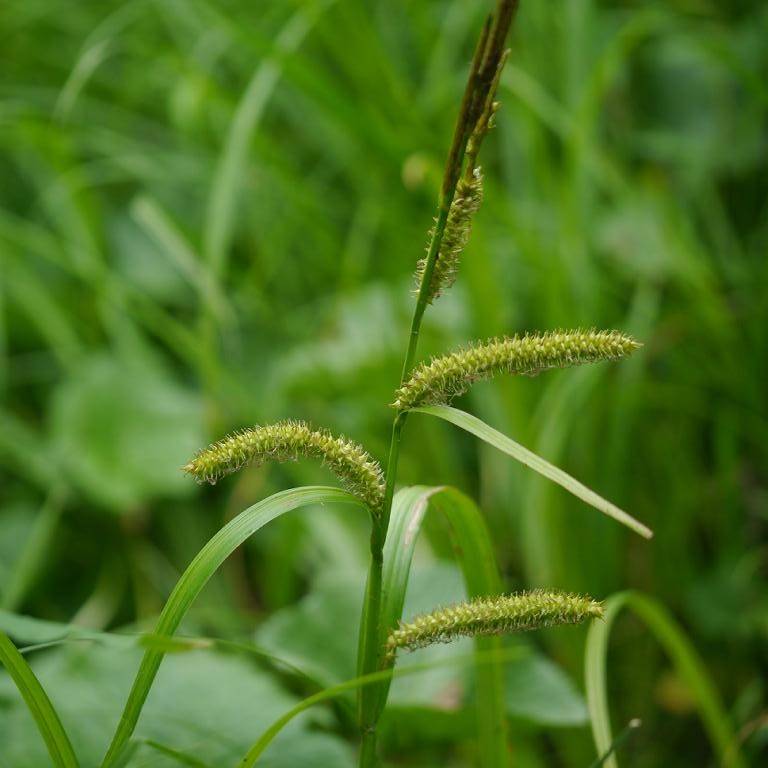
Bigleaf Sedge
Carex platyphylla
Overview
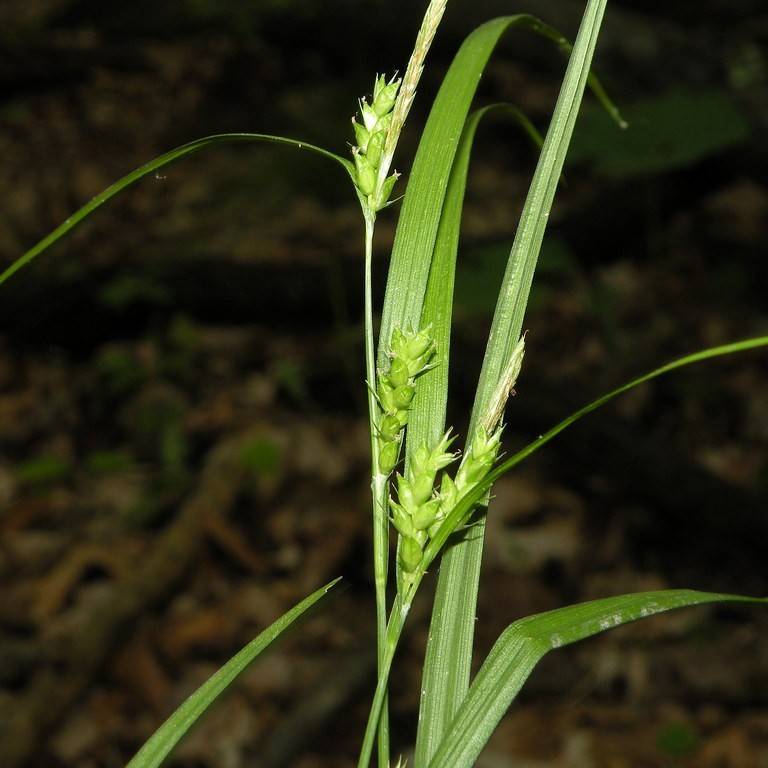
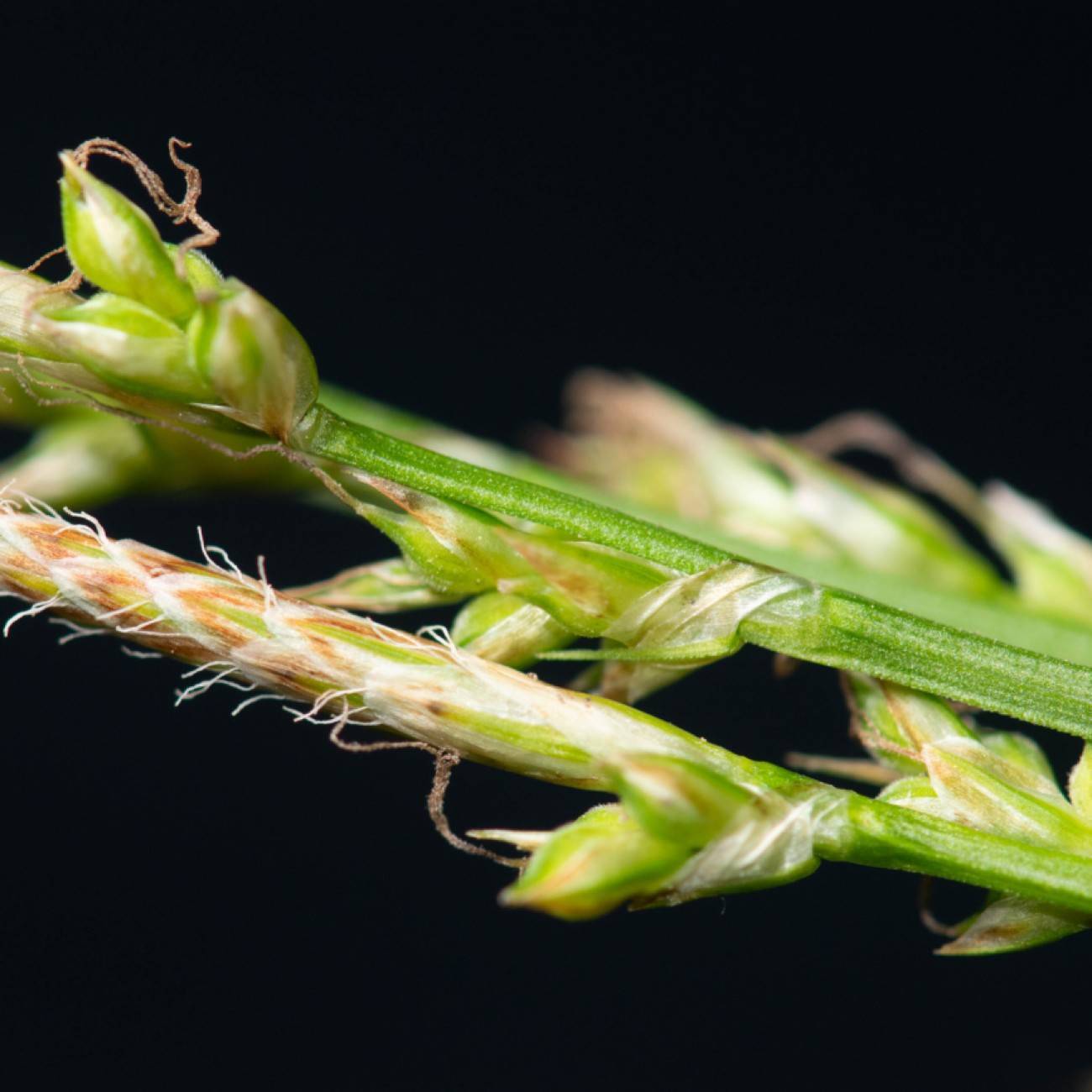
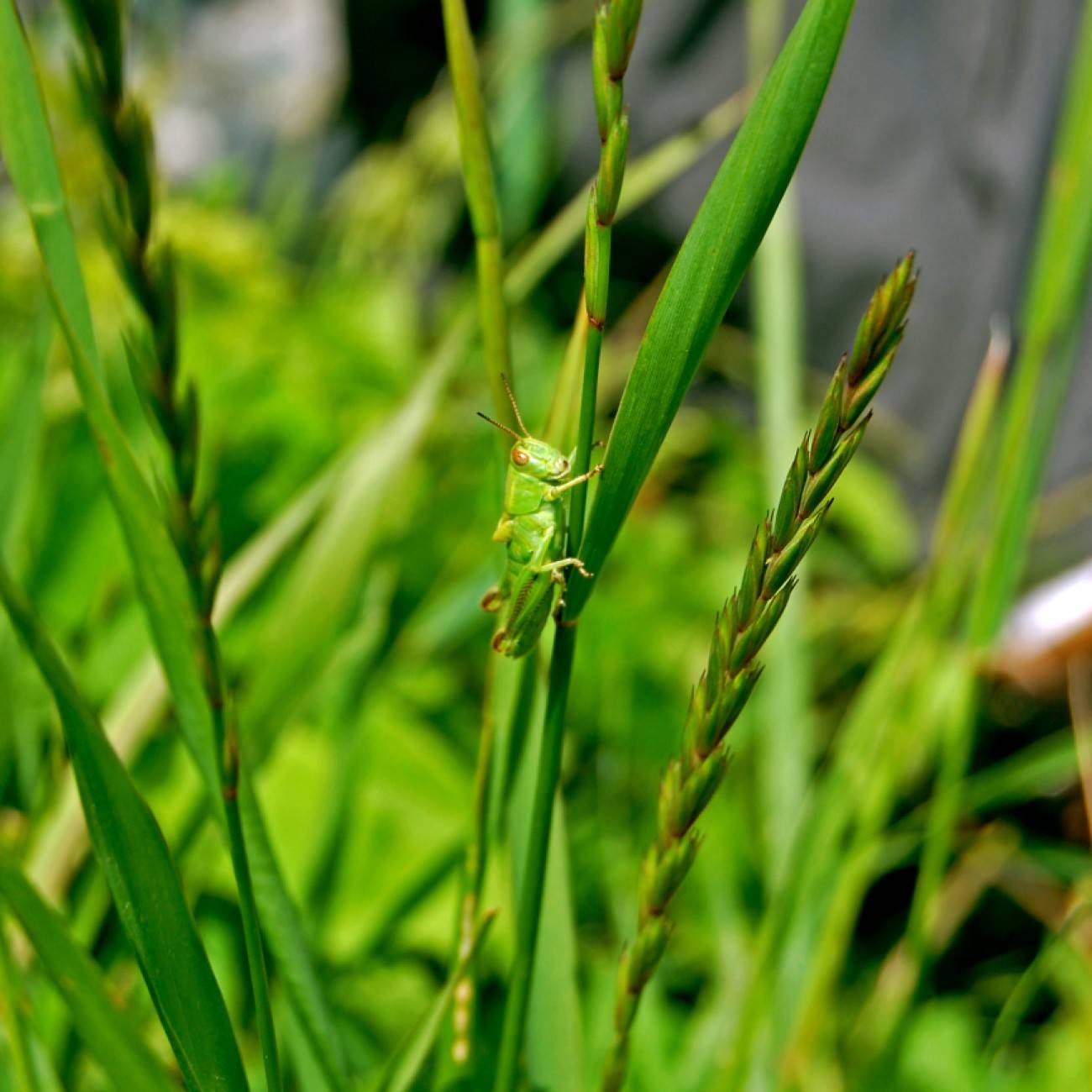
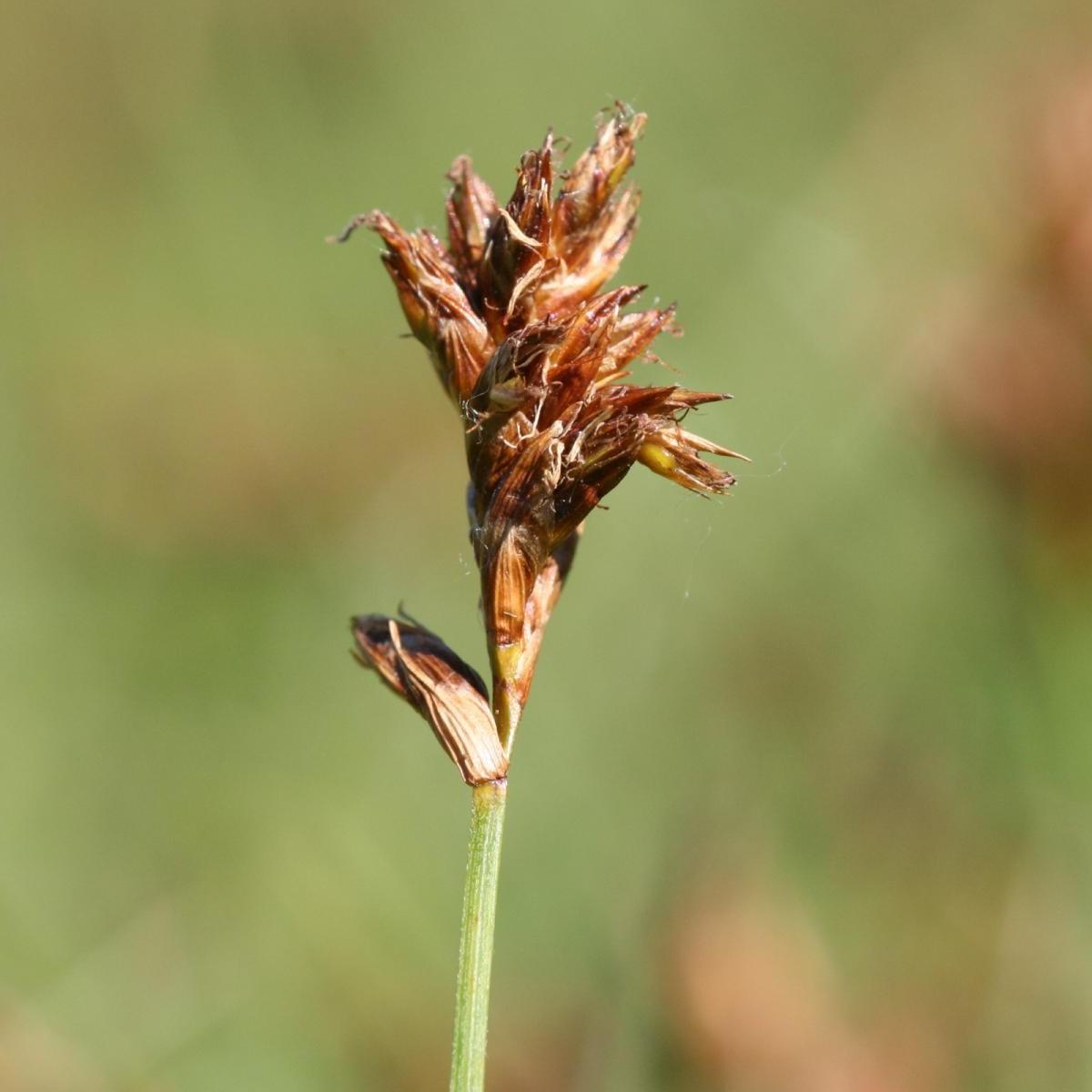
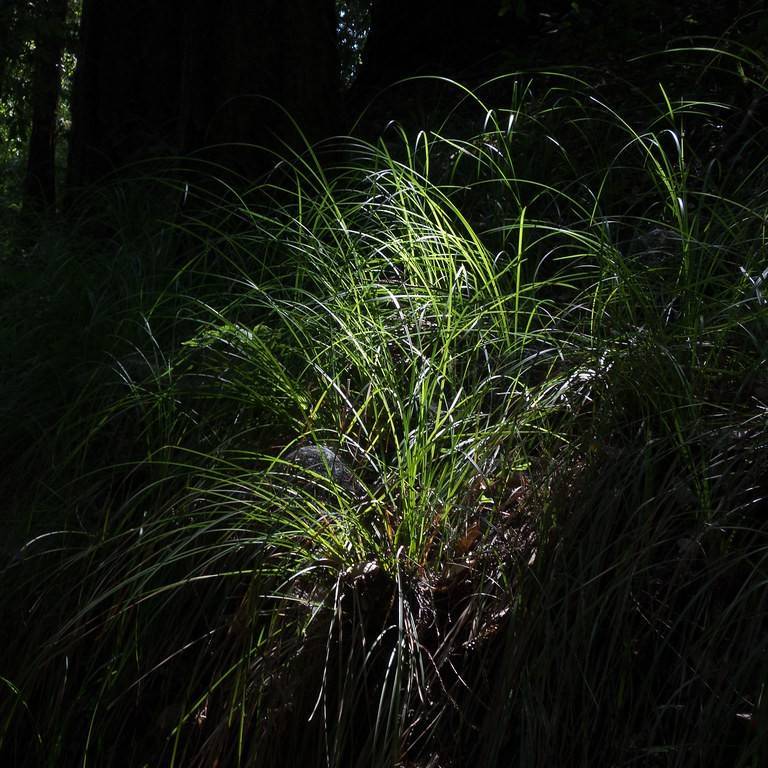
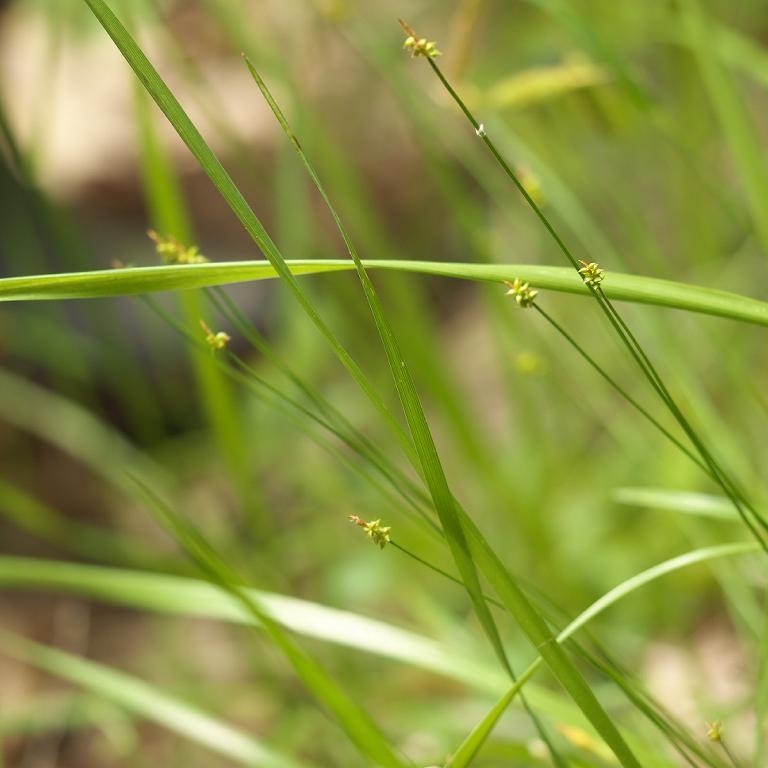
Bigleaf sedge is a cool-season evergreen sedge distinguished by its wide, arching leaves that bear a subtle silvery-blue sheen, setting it apart from narrower-leaved Carex species. It naturally occurs in rich deciduous woodlands, forming dense, non-spreading clumps that stabilize soil and suppress weeds without becoming invasive. This versatile plant adapts well to cultivated landscapes, offering year-round interest even in deep shade where many other groundcovers struggle.
Care Guide
Watering
Bigleaf sedge prefers consistently moist, well-drained soil, though it tolerates occasional short dry spells once established. Water regularly during the first growing season to establish a deep root system; reduce frequency in mature plants, only supplementing during extended periods of drought. Avoid overwatering or waterlogged conditions, which can cause root rot in poorly draining sites.
Light
Thrives in partial to full shade, making it ideal for dense woodland settings or north-facing garden beds. It can tolerate limited dappled morning sun, but prolonged direct afternoon sunlight will scorch its foliage and cause it to lose its characteristic silvery color. Too much sun exposure will also slow growth and increase water demand significantly.
Soil
Adaptable to a wide range of soil types, including clay, loam, and sandy soil, as long as drainage is adequate. It prefers rich, humusy soil with a slightly acidic to neutral pH (5.5 to 7.0) that replicates its native woodland habitat. Amending planting sites with compost or leaf mold will improve soil structure and nutrient content to support vigorous growth.
Fertilizer
Bigleaf sedge has low nutrient requirements and rarely needs regular fertilization if planted in humus-rich soil. A light application of balanced, slow-release granular fertilizer in early spring is sufficient for poor soil conditions, applied at half the recommended rate to avoid excess foliage growth. Over-fertilization will cause floppy, weak growth and reduce the plant's natural drought tolerance.
Temperature
Cold hardy in USDA zones 3 to 8, tolerating winter temperatures as low as -40°F (-40°C) without winter protection in its native range. It prefers cool growing conditions and may go semi-dormant during extended periods of summer heat above 90°F (32°C), especially if exposed to too much sun. Freezing temperatures will not kill established plants, though foliage may brown slightly in severe cold before regrowing in spring.
Pruning
Little pruning is required for bigleaf sedge, as it maintains a neat, clumping form naturally. In late winter or early spring, cut back old, tattered foliage to 2-3 inches above the soil line before new growth emerges to refresh the plant's appearance. Remove any damaged or discolored leaves throughout the growing season as needed to keep clumps looking tidy.
Propagation
Bigleaf sedge is most easily propagated by division in early spring or late fall, when the plant is semi-dormant. Dig up mature clumps, gently separate them into smaller sections with intact roots and foliage, and replant immediately at the same depth they were growing, spacing 12-18 inches apart. It can also be grown from seed sown directly outdoors in fall, though seed-grown plants take 2-3 years to reach mature size.
Humidity
Adaptable to average outdoor humidity levels in its native range, thriving in the moderate humidity of eastern North American woodlands. It tolerates both higher humidity in southern climates and drier air in northern zones as long as soil moisture is consistent. Indoor grown specimens require 40-60% relative humidity, with occasional misting if indoor air is overly dry.
Repotting
When grown in containers, repot bigleaf sedge every 2-3 years in early spring before new growth begins, selecting a pot one size larger with adequate drainage holes. Use a rich, well-draining potting mix amended with leaf mold or compost to replicate its preferred woodland soil. Gently loosen tangled roots during repotting to encourage healthy growth, and water thoroughly after planting to settle the soil.
Uses & Symbolism
Bigleaf sedge is widely used as a low-maintenance groundcover for shade gardens, woodland borders, and underplanting of large shrubs or trees, where its silvery foliage provides contrast to darker green hostas, ferns, and wildflowers. It is also a popular choice for rain gardens and erosion control on shaded slopes, as its fibrous root system holds soil effectively and it tolerates occasional wet conditions. Wildlife value includes providing cover for small ground-dwelling birds and insects, and its seeds are a food source for native songbirds.
Diseases & Pests
Bigleaf sedge is largely pest and disease resistant, with no major common afflictions in its preferred growing conditions. Overly wet, poorly drained soil can lead to root rot and fungal leaf spot, which can be prevented by ensuring proper site drainage and avoiding overhead watering. Occasional aphids or spider mites may infest stressed plants, which can be treated with insecticidal soap or a strong jet of water to dislodge the pests.
Related plants
Other plants you might like if you grow Bigleaf Sedge.