Fiber Optic Grass
Isolepis cernua
Overview
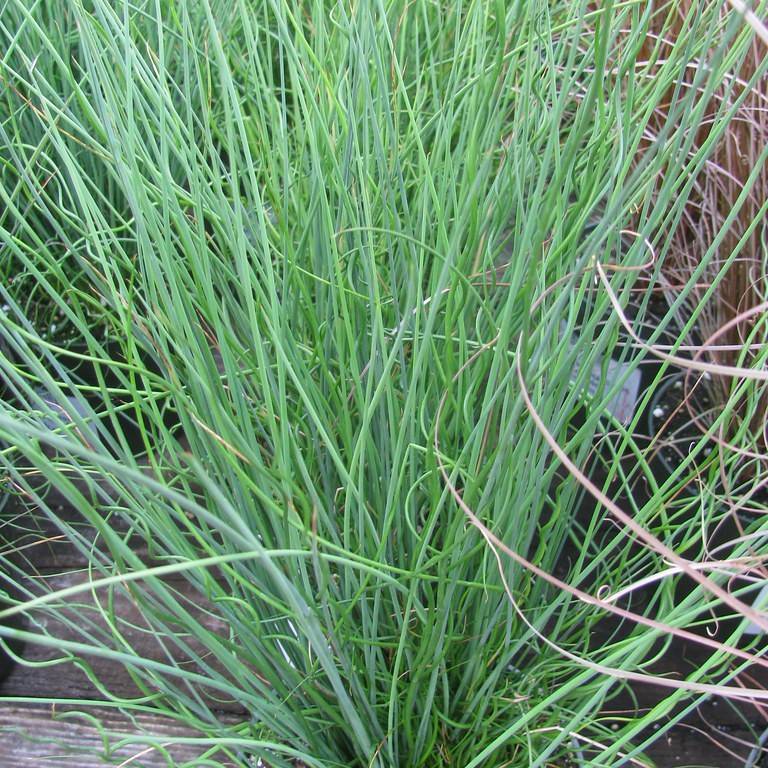
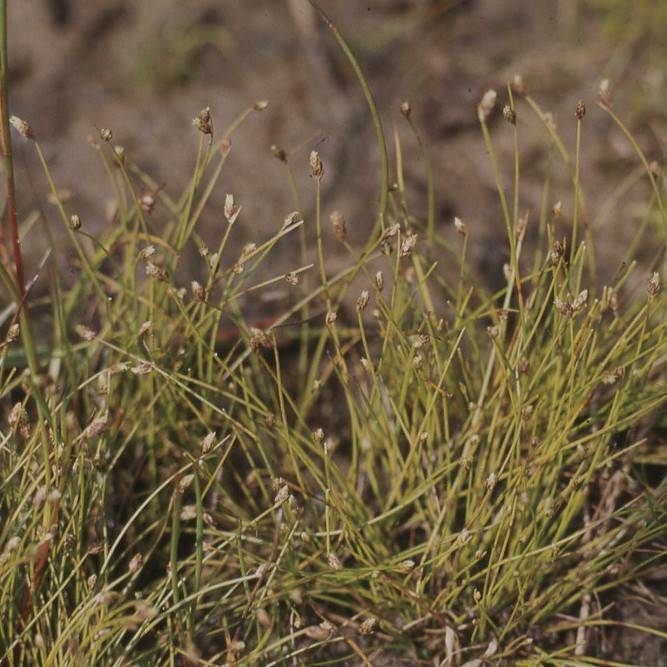
Fiber optic grass, also sometimes called scirpus cernuus in older classifications, is a moisture-loving ornamental sedge valued for its unique, whimsical texture. Its fine, hair-like green stems cascade gently from dense central clumps, each capped with a tiny, fuzzy white or pale brown inflorescence that catches light to mimic the appearance of illuminated fiber optic cables. While technically a perennial in frost-free climates, it is often grown as an annual in cooler regions where winter temperatures drop below 20°F (-7°C).
Care Guide
Watering
Fiber optic grass requires consistently moist, even wet soil at all times; never allow the root ball to dry out completely, as this will cause rapid browning and dieback of stems. For potted specimens, set the container in a shallow tray of water to maintain constant moisture, replenishing the tray regularly to prevent it from drying out. In bog or pond edge plantings, it can tolerate being submerged in up to 2 inches (5 cm) of standing water year-round.
Light
This sedge thrives in full sun to partial shade, with the most robust growth and densest flowering occurring when it receives at least 4-6 hours of direct sunlight daily. In extremely hot, arid climates, provide afternoon shade to prevent scorching of the delicate stems and reduce moisture loss from the soil. Indoors, place it near a bright south or west-facing window, supplementing with grow lights if natural light is insufficient to prevent leggy growth.
Soil
Fiber optic grass prefers fertile, loamy, moisture-retentive soil with a slightly acidic to neutral pH range of 5.5 to 7.0. It will tolerate poorly drained, boggy soils that would cause root rot in most other ornamental plants, making it ideal for water features and rain gardens. For container planting, use a peat-based potting mix amended with perlite to improve slight drainage while retaining ample moisture, and avoid fast-draining cactus or succulent mixes.
Fertilizer
Feed fiber optic grass sparingly, as overfertilization can cause leggy, floppy growth and reduce the density of its characteristic flower heads. During the active growing season from spring to early fall, apply a diluted balanced liquid fertilizer (10-10-10) at half the recommended strength once every 4-6 weeks. Do not fertilize in late fall or winter, when the plant enters a period of slower growth, to avoid salt buildup in the soil.
Temperature
Fiber optic grass grows best in mild temperatures between 60-75°F (15-24°C), and will tolerate brief dips down to 20°F (-7°C) if planted in the ground in a protected location. In regions with cold winters, it is typically grown as an annual or brought indoors to overwinter before the first hard frost. Avoid exposing potted specimens to temperatures above 85°F (29°C) for extended periods, as this can cause rapid moisture loss and browning of stem tips.
Pruning
Prune fiber optic grass as needed to remove brown, dead stems and faded flower heads, which encourages new, lush growth and maintains a tidy, compact shape. In early spring, cut back the entire clump to 2-3 inches (5-7 cm) above the soil line to remove winter-damaged foliage and make room for fresh spring growth. Remove any stray stems that spread beyond the desired planting area, as this sedge can self-seed gently in ideal moist conditions.
Propagation
The easiest method of propagation is division of established clumps in early spring, just as new growth begins to emerge. Dig up the entire clump, gently separate it into smaller sections with a sharp, clean knife, ensuring each division has a healthy portion of roots and several green stems, then replant immediately at the same depth as the original plant. Fiber optic grass can also be grown from seed sown on the surface of moist potting mix in spring, kept consistently warm and wet until germination occurs in 14-21 days.
Humidity
This sedge thrives in high humidity levels of 50% or higher, which mimics its native coastal and boggy habitat. Indoors, increase humidity around potted specimens by placing them on a pebble tray filled with water, misting the stems regularly, or running a nearby humidifier, especially during dry winter heating seasons. Low humidity will cause the tips of the fine stems to turn brown and crispy, even if the soil is kept adequately moist.
Repotting
Potted fiber optic grass should be repotted every 1-2 years in early spring, or when the roots have filled the current container and begin to grow through the drainage holes. Choose a pot that is 1-2 inches (2.5-5 cm) larger in diameter than the current one, with ample drainage holes to prevent waterlogging, though the plant will tolerate standing water in the saucer. When repotting, gently loosen any tangled roots and refresh the potting mix to provide new nutrients for the growing season.
Uses & Symbolism
Fiber optic grass is a popular ornamental plant for water gardens, bog edges, rain gardens, and pond margins, where its soft, cascading texture contrasts beautifully with broader-leaved aquatic plants. It is also widely grown in containers and hanging baskets, where its trailing stems can spill over the edges for a whimsical, textural display in patios, balconies, and indoor spaces. Its non-toxic nature makes it safe for planting in yards accessible to children and pets, and it is sometimes used in floral arrangements for its unique, long-lasting cut stems.
Diseases & Pests
Fiber optic grass is relatively pest and disease resistant, though overwatering in poorly drained, stagnant conditions can lead to root rot, marked by yellowing stems and a foul odor from the soil. Common pests include aphids and spider mites, which may colonize the dense clumps of stems in dry, low-humidity conditions, and can be treated with a gentle spray of insecticidal soap or neem oil. In overly wet, warm conditions, rust fungus may appear as small orange spots on the stems, which can be managed by improving air circulation around the plant and removing affected foliage.
Related plants
Other plants you might like if you grow Fiber Optic Grass.