Buxbaum's Sedge
Carex buxbaumii
Overview
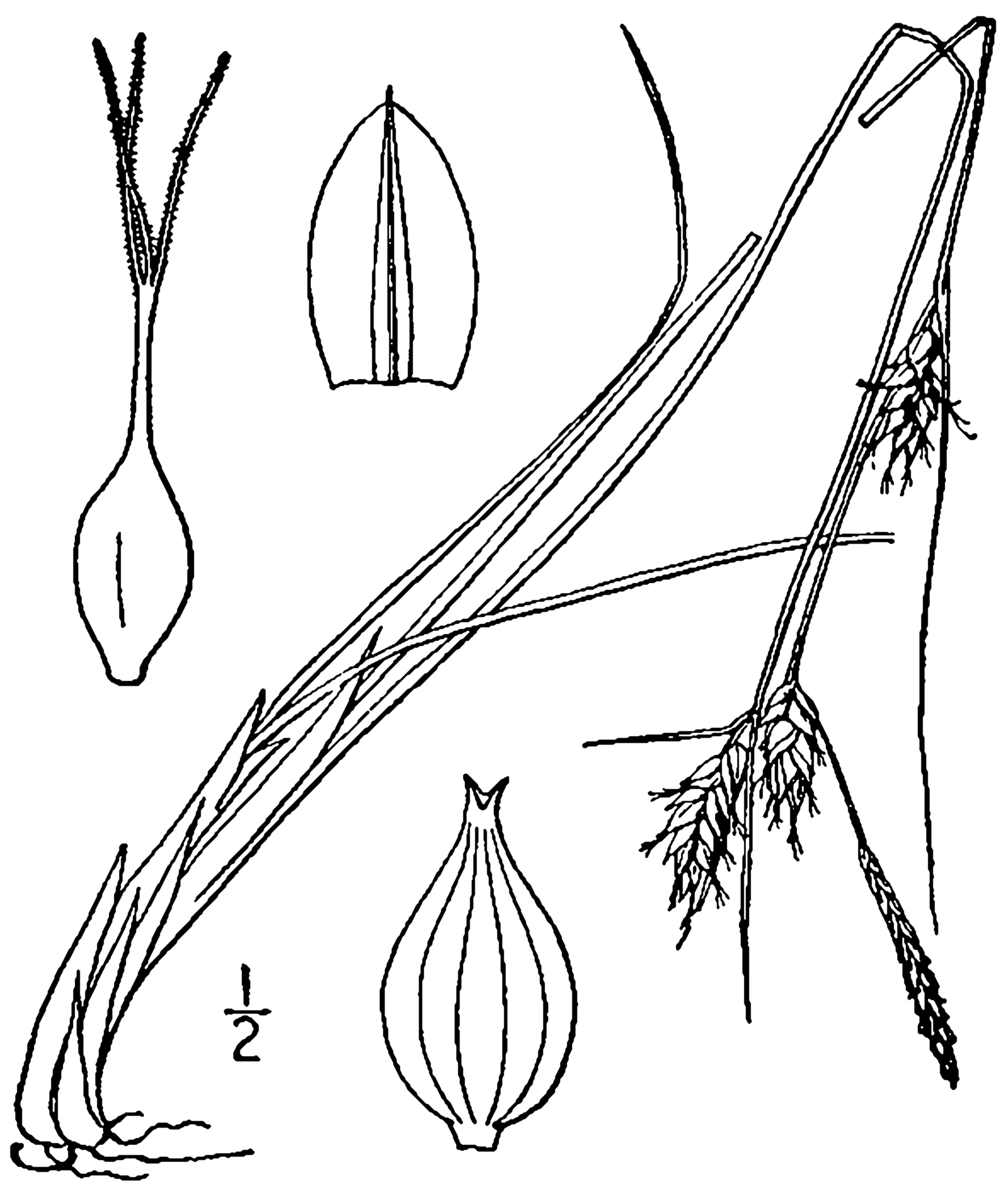
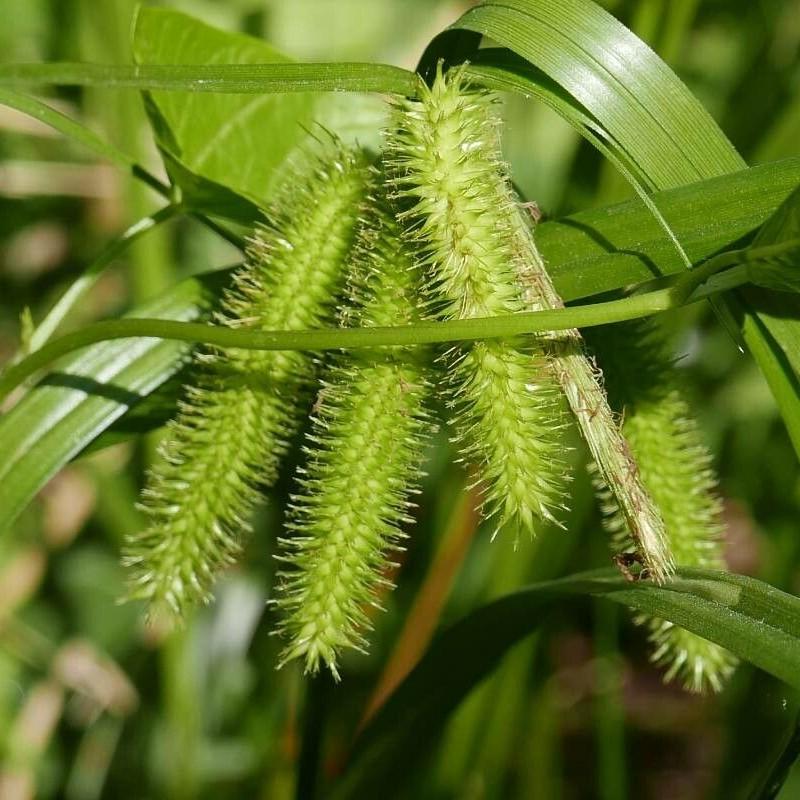
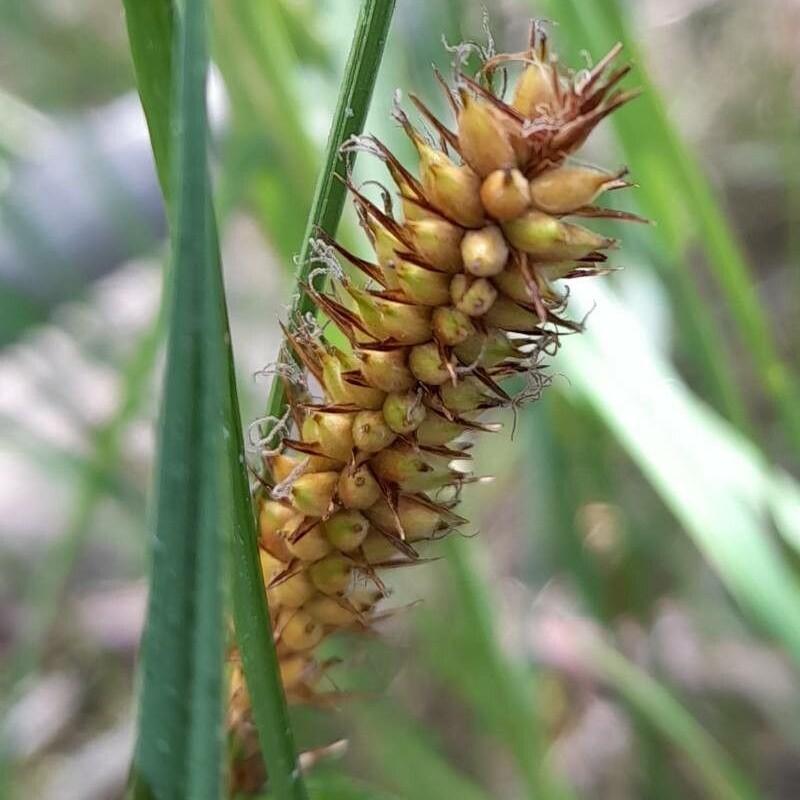
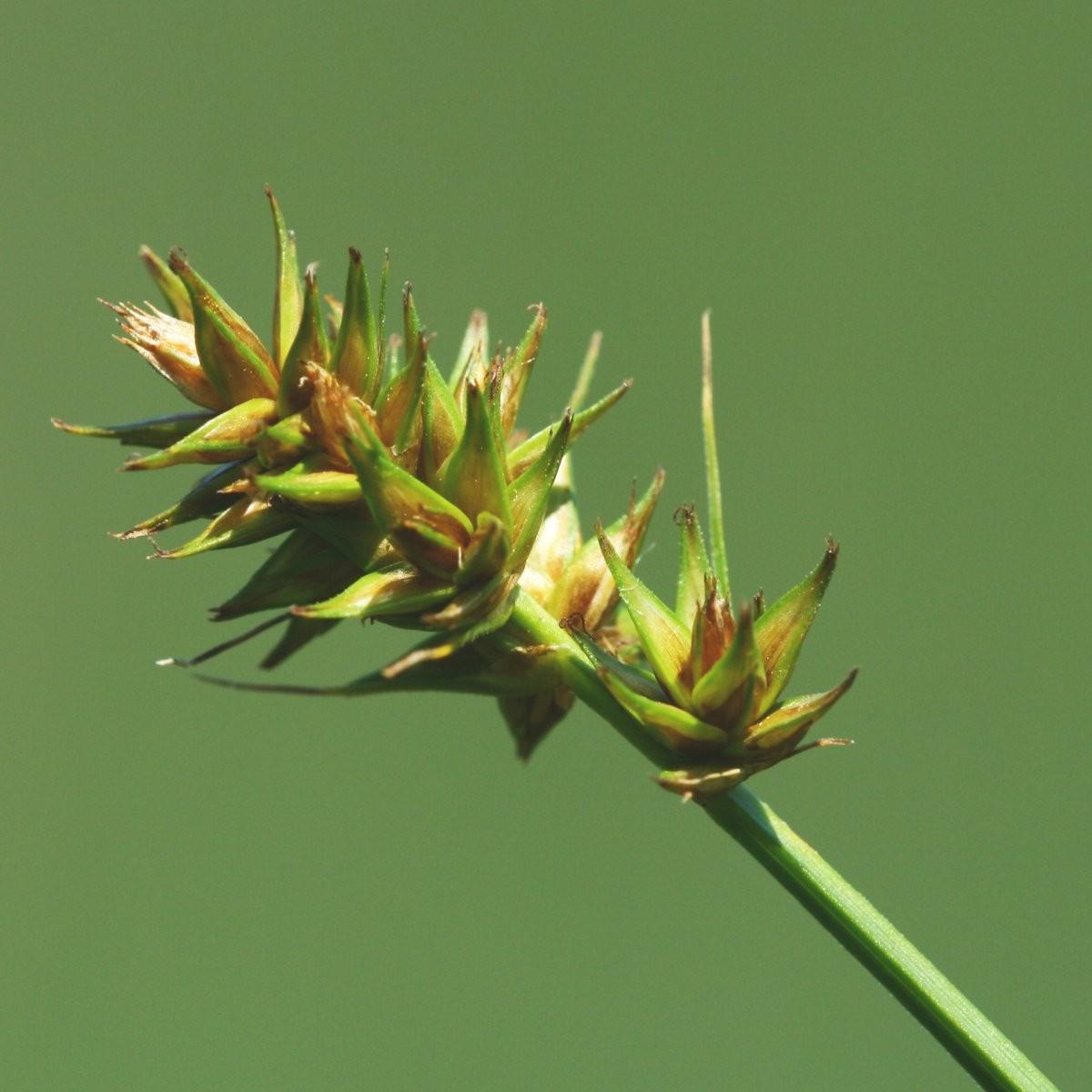
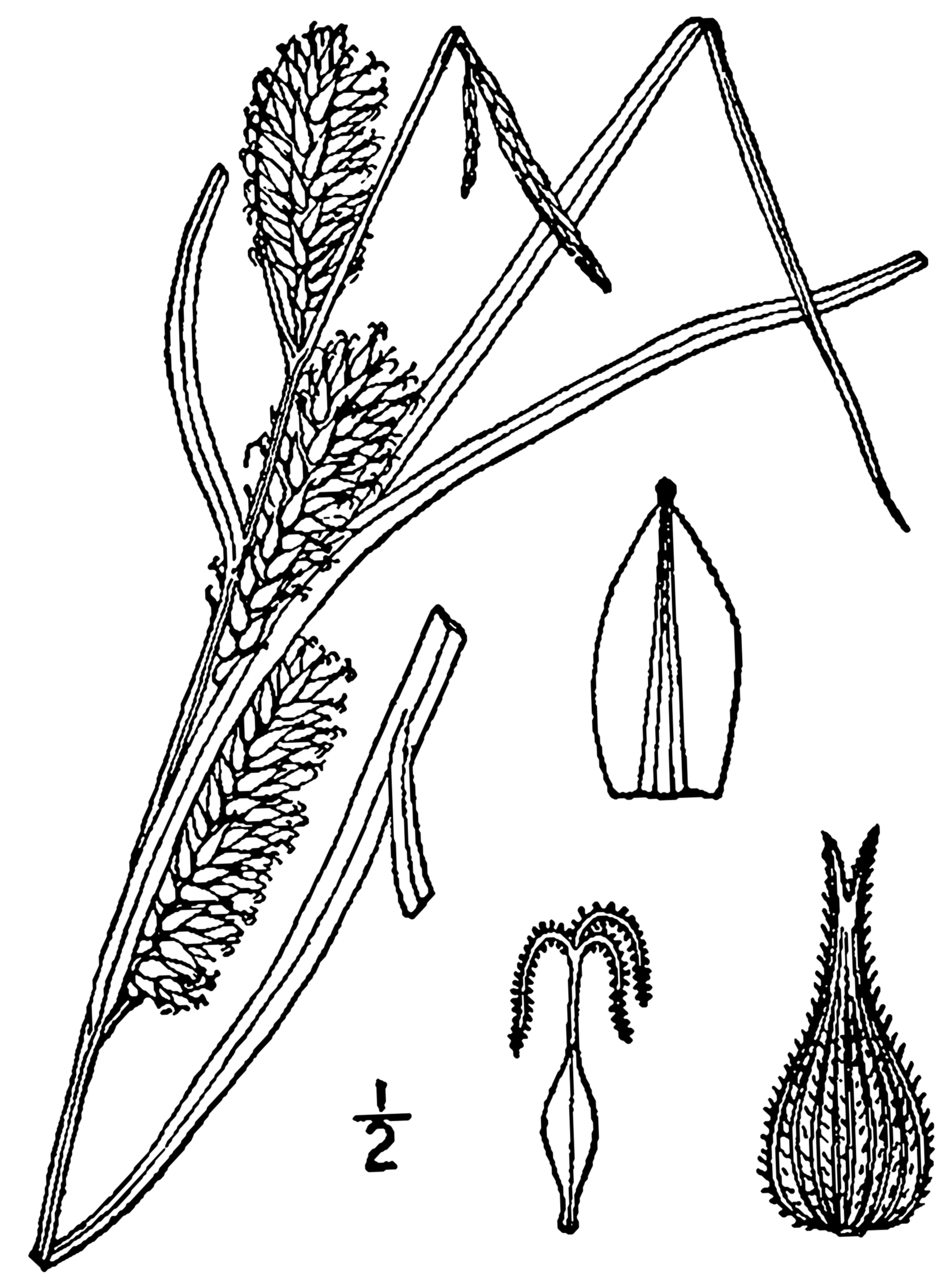
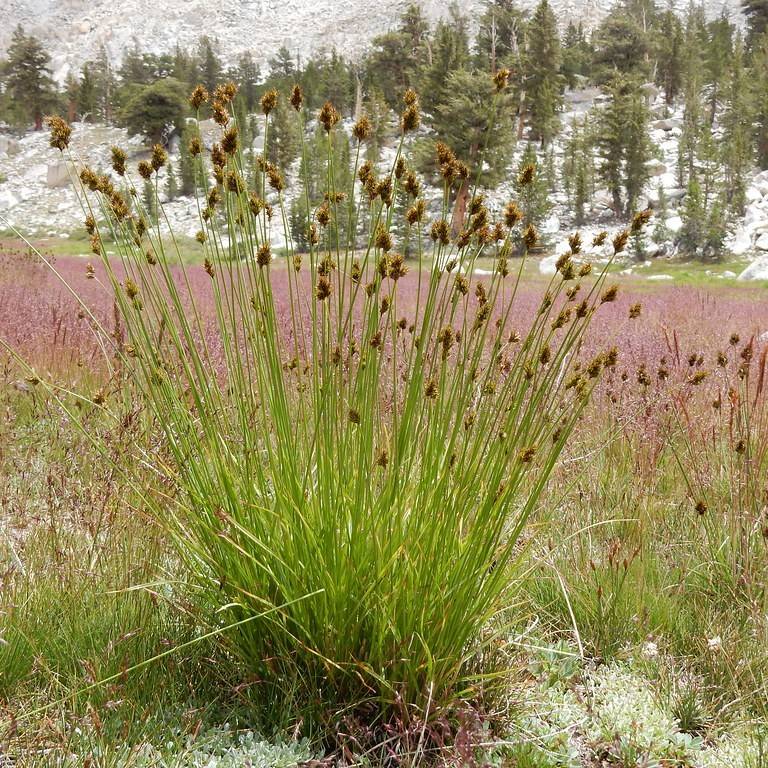
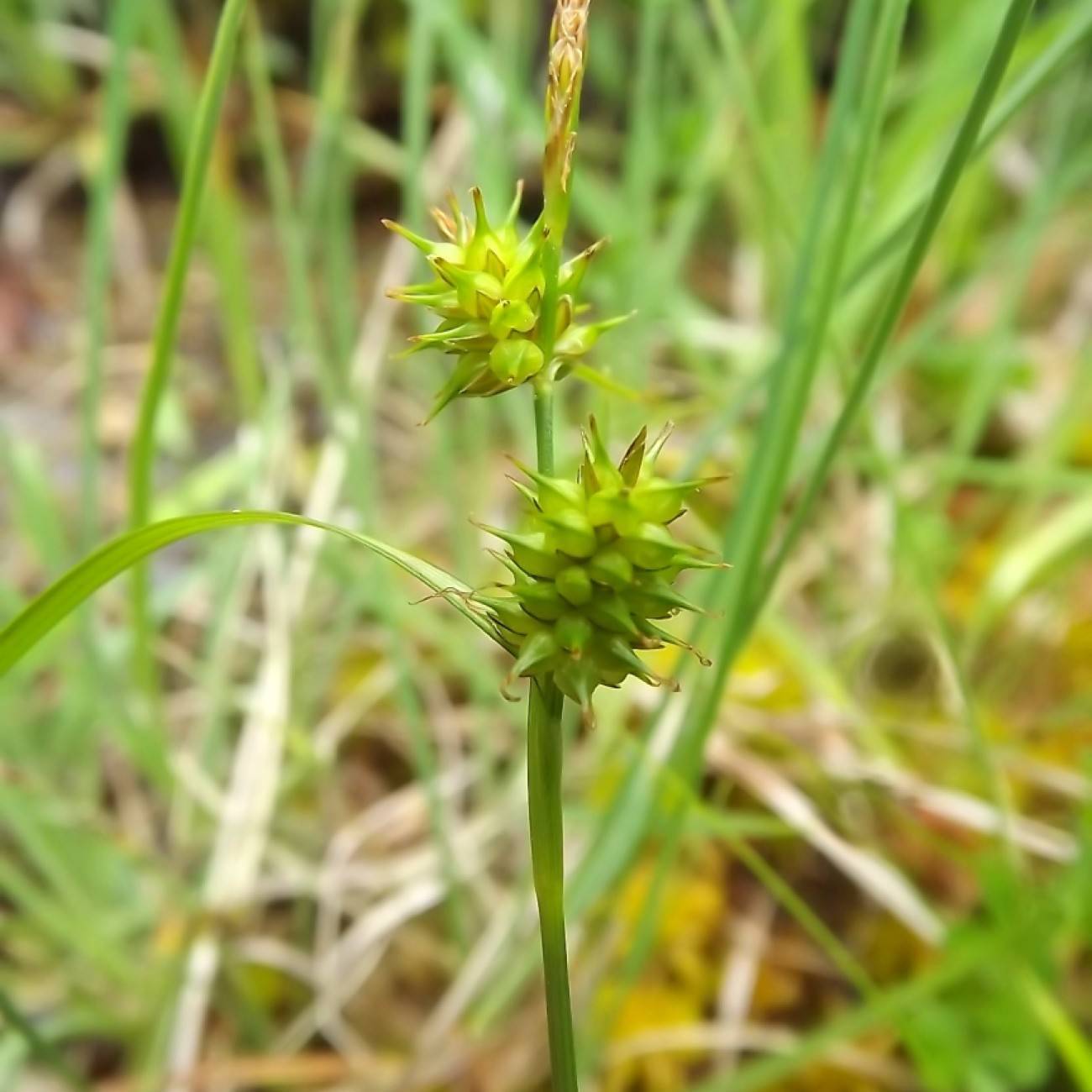
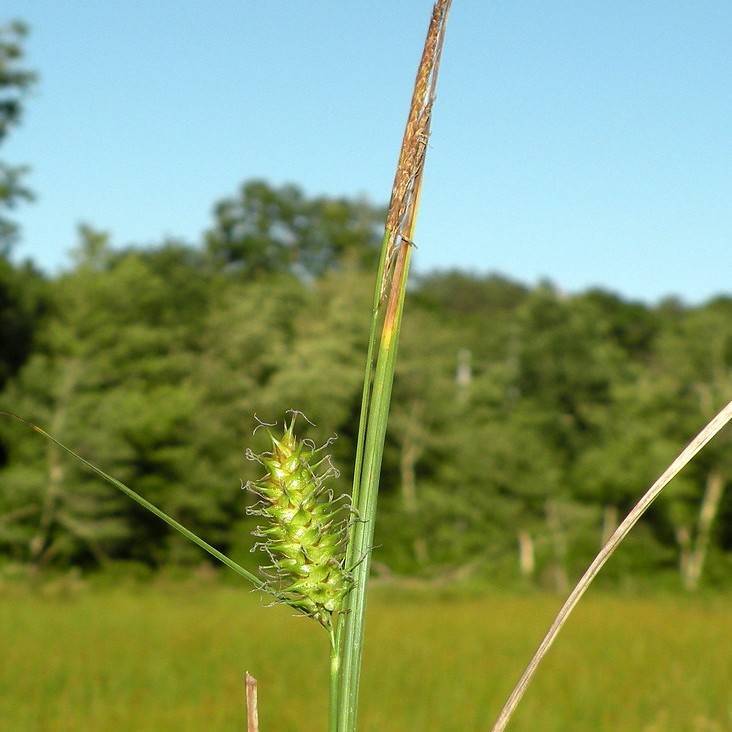
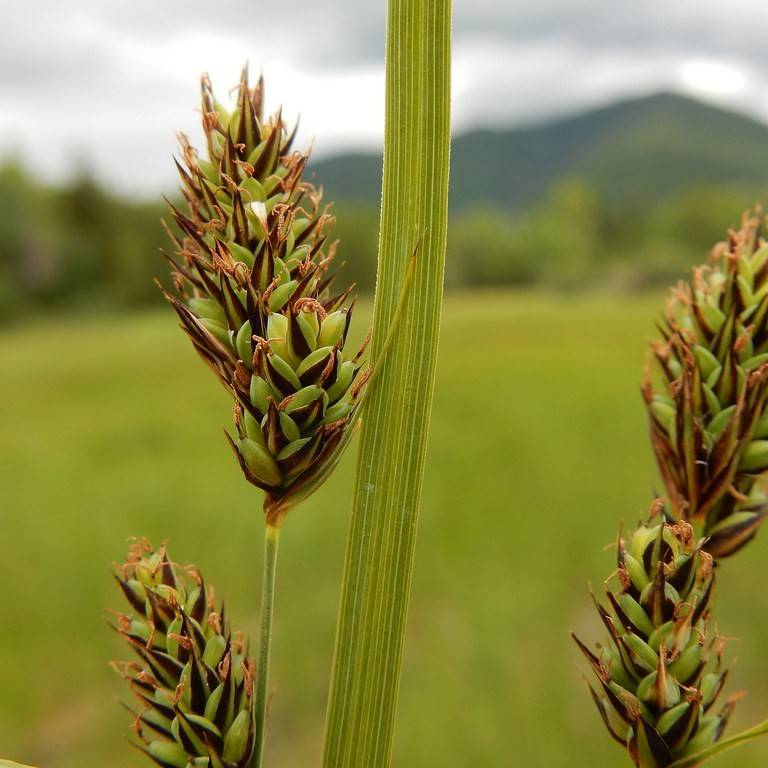
Carex buxbaumii, commonly called Buxbaum's Sedge, is a rhizomatous perennial sedge that forms dense, upright clumps of narrow, grass-like foliage. It bears distinctive brown, spike-like inflorescences in late spring to early summer, with separate male and female spikes on the same plant. This species is well-adapted to saturated, nutrient-poor wetland soils, making it a valuable component of bog and marsh ecosystems across its native range.
Care Guide
Watering
Buxbaum's Sedge requires consistently moist to saturated soil, as it naturally grows in wetland habitats. Never allow the soil to dry out completely; it can tolerate periodic shallow flooding for short durations. In garden settings, water frequently to maintain constant soil moisture, especially during periods of drought.
Light
This sedge thrives in full sun to partial shade. In more southern portions of its range, provide light afternoon shade to prevent foliage scorch during periods of intense summer heat. Full sun is ideal in cooler northern regions to support robust growth and flowering.
Soil
Buxbaum's Sedge prefers acidic, peaty or sandy loam soils with high organic matter content. It tolerates poorly drained, waterlogged soils that are low in nutrients, as it is adapted to bog and marsh environments. Avoid alkaline, fast-draining soils, as these can cause stress and poor growth.
Fertilizer
This species is adapted to low-nutrient wetland soils, so it requires very little supplemental fertilizer. If growth appears stunted, apply a diluted, balanced slow-release fertilizer once in early spring at half the recommended rate. Over-fertilization can lead to excessive, weak growth and disrupt its natural habitat adaptation.
Temperature
Buxbaum's Sedge is extremely cold-hardy, tolerating winter temperatures as low as -40°F (-40°C) in USDA hardiness zones 3 through 7. It prefers cool growing conditions and may struggle in regions with prolonged hot, humid summers above 90°F (32°C). Winter dormancy is normal, with foliage dying back to the ground in cold months and resprouting in early spring.
Pruning
Prune back dead, brown foliage to the ground in late winter or early spring before new growth emerges. Remove any spent flower spikes after blooming if a neater appearance is desired, though leaving them in place can provide food and shelter for small wetland wildlife. Avoid cutting into green, actively growing foliage, as this can damage the plant.
Propagation
Buxbaum's Sedge can be propagated by seed or by division of established clumps in early spring before new growth starts. For division, dig up mature clumps, separate them into smaller sections with healthy rhizomes and foliage, and replant immediately in saturated soil. Seeds require a period of cold stratification for 60-90 days to germinate, and can be sown directly outdoors in fall or stratified and sown indoors in spring.
Humidity
This species tolerates high humidity levels common to its native wetland habitats, and thrives in ambient humidity ranging from 50% to 80%. It can adapt to slightly lower humidity if soil moisture is kept consistently high. Avoid placing it in areas with very dry, arid air, as this can cause leaf tip browning.
Repotting
When grown in containers, repot Buxbaum's Sedge every 2-3 years in early spring before new growth emerges. Use a pot with ample drainage holes and an acidic, peat-rich potting mix formulated for wetland plants. Choose a pot only one size larger than the current one to avoid excess soil moisture retention that can lead to rhizome rot.
Uses & Symbolism
Buxbaum's Sedge is widely used in wetland restoration projects to stabilize shorelines, filter runoff, and provide habitat for native birds, pollinators, and small wetland wildlife. It is also a popular choice for rain gardens, bog gardens, and water feature edges in native plant landscapes, as it adds texture and year-round interest with minimal care. Some Indigenous communities have historically used the tough, fibrous leaves of this sedge for weaving baskets and cordage.
Diseases & Pests
Buxbaum's Sedge has very few serious pest or disease issues, though it can occasionally be affected by fungal leaf spots in overly humid, poorly ventilated conditions. Root rot may occur if the plant is grown in stagnant, poorly drained water for extended periods, though it tolerates consistent saturation. Aphids and spider mites may infest foliage in dry conditions, but these can be controlled with a strong spray of water or insecticidal soap.
Related plants
Other plants you might like if you grow Buxbaum's Sedge.