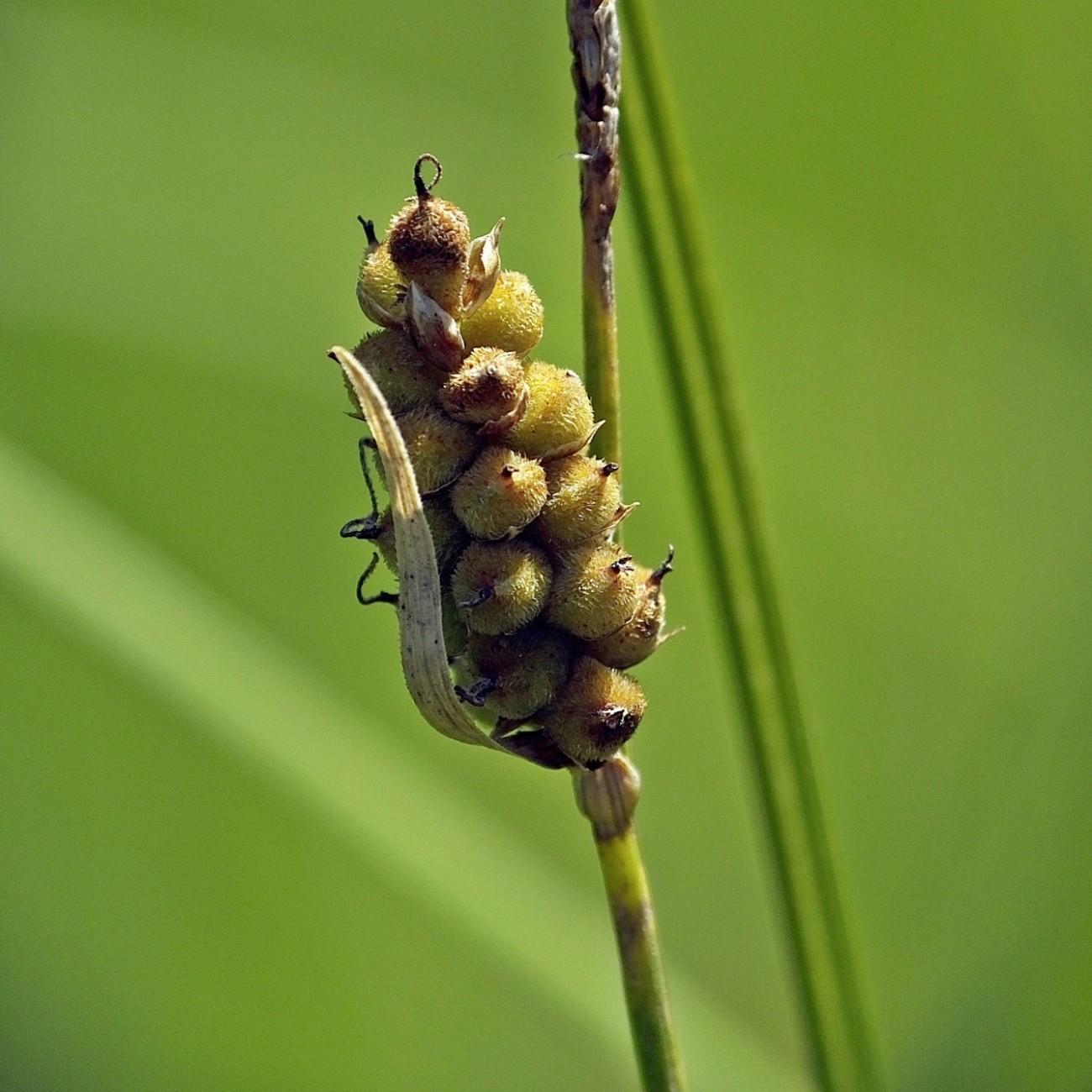
Arctic Marsh Sedge
Carex aquatilis var. minor
Overview
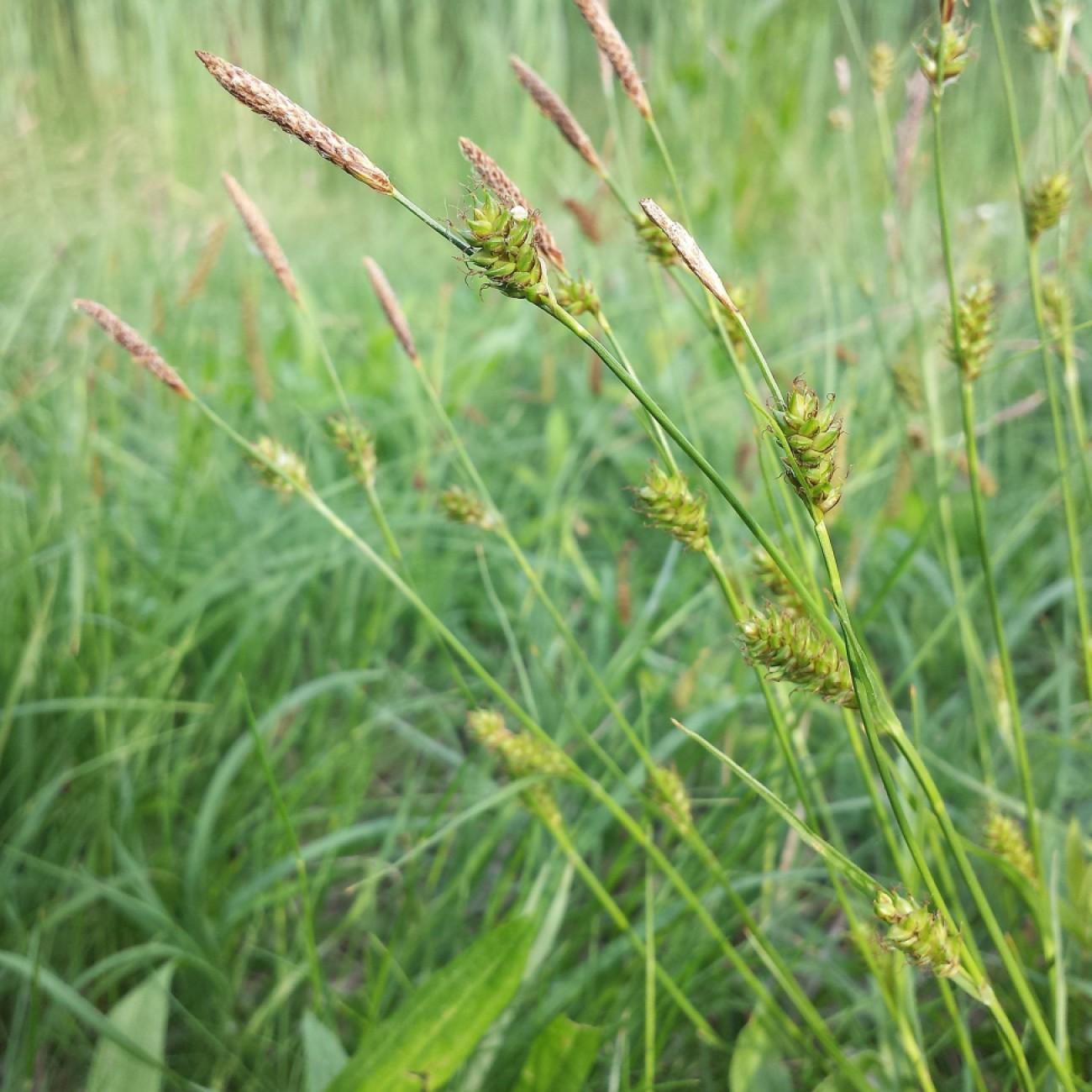
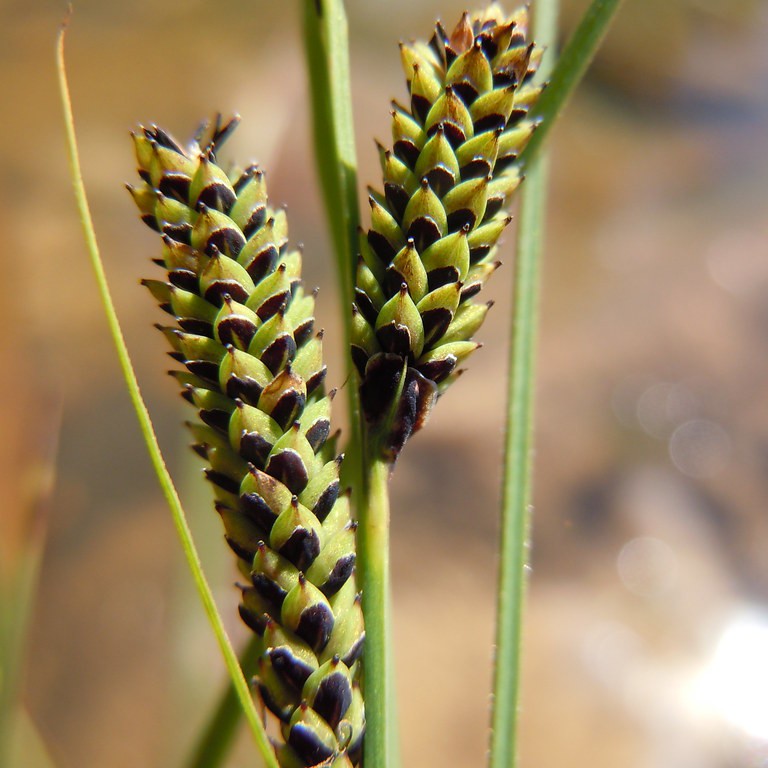
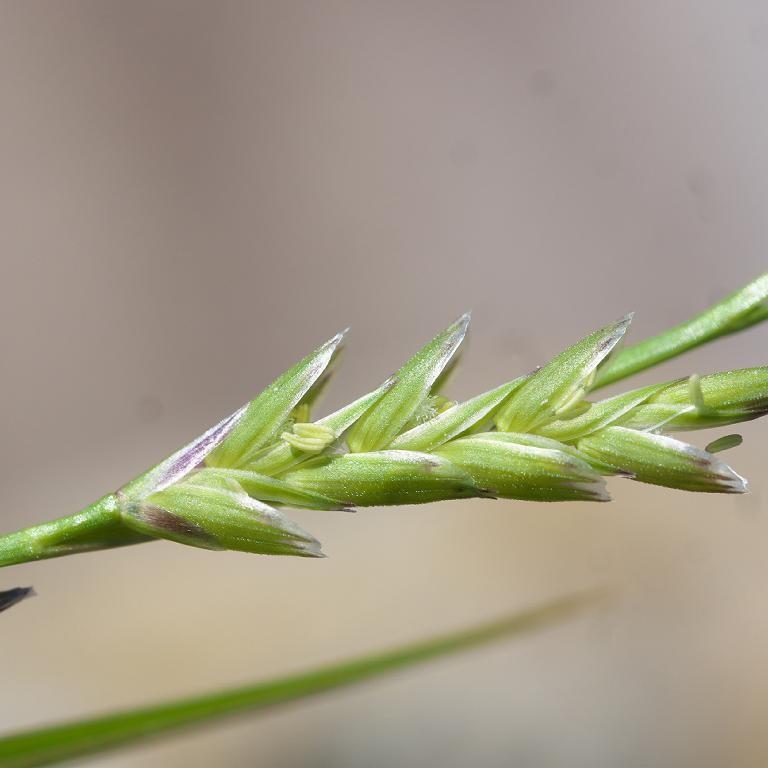
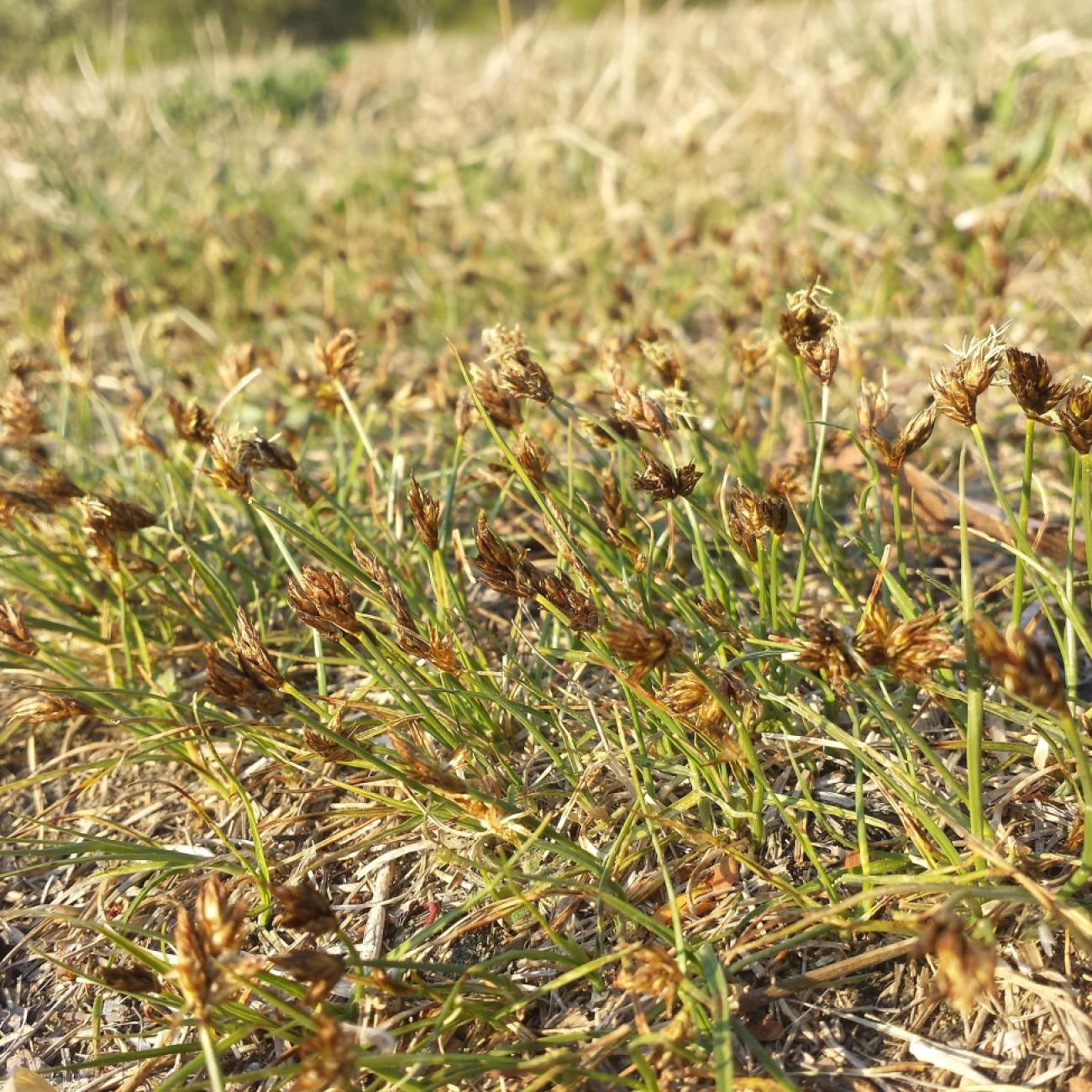
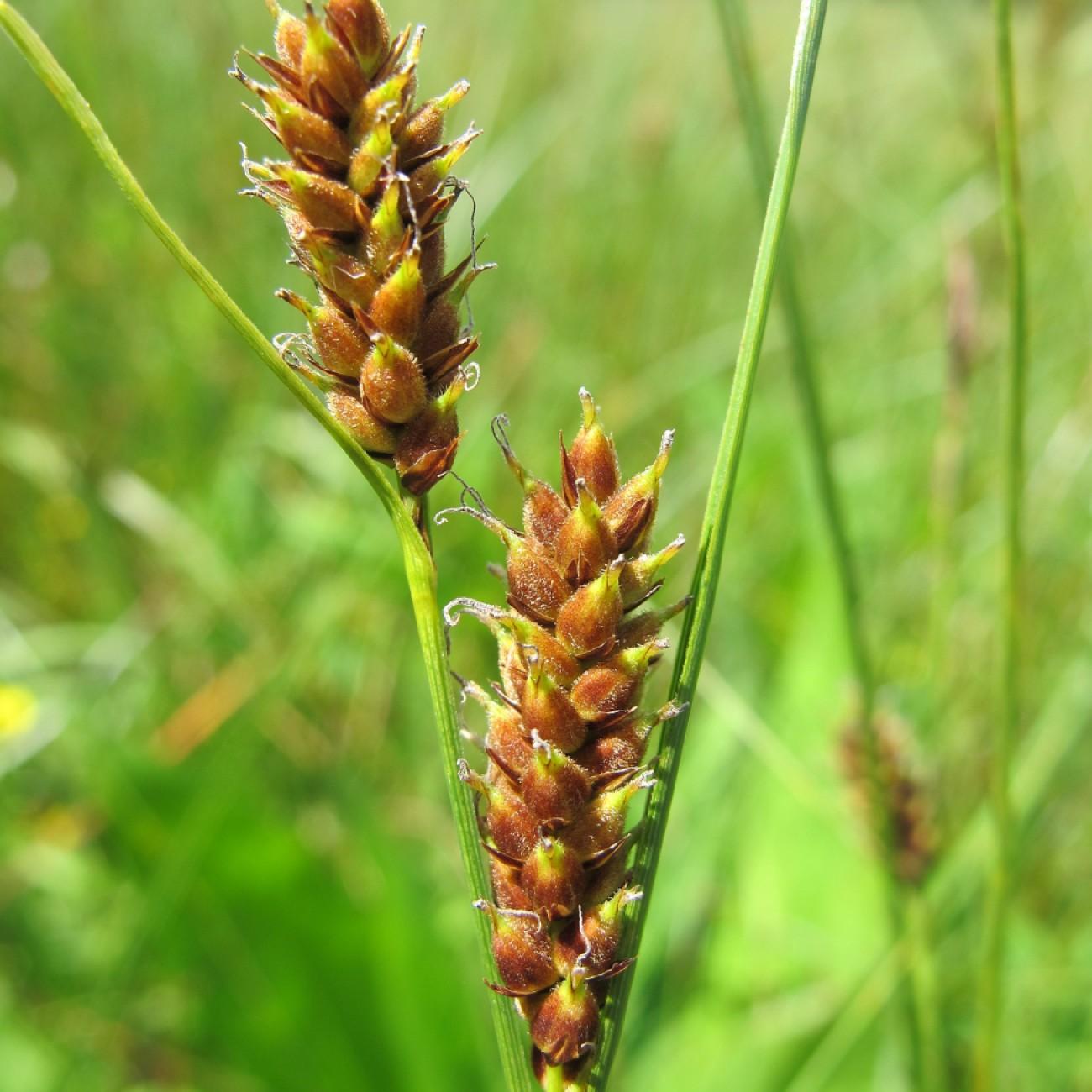
Arctic Marsh Sedge is a cold-hardy graminoid that forms dense, tufted stands in permanently moist to saturated arctic and subarctic wetland environments. It spreads via short, creeping rhizomes that help stabilize waterlogged soils, and its narrow, gray-green foliage is adapted to survive long, freezing winters and short, cool growing seasons. This sedge plays a critical role in northern wetland food webs, supporting a range of invertebrates, waterfowl, and small mammal species.
Care Guide
Watering
Arctic Marsh Sedge requires consistently saturated or very moist soil, mimicking its natural marsh and tundra habitat; never allow the root zone to dry out completely, even during active growth. In cultivation, it thrives in shallow standing water up to 2 inches deep, making it suitable for bog gardens or water feature edges in cool climate landscapes. Reduce watering only slightly during winter dormancy, ensuring soil remains damp even when temperatures drop below freezing.
Light
This species prefers full sun exposure, as it evolved in open, unshaded arctic tundra and wetland habitats with long summer daylight hours. It can tolerate very light, dappled shade, but insufficient light will reduce foliage density and prevent the plant from forming its characteristic dense clumps. In warmer regions outside its native range, partial afternoon shade may be needed to prevent foliage scorch during unusually hot periods.
Soil
Arctic Marsh Sedge requires nutrient-poor, acidic to neutral wetland soil with high organic matter content and excellent water retention; it is adapted to peaty, loamy, or silty soils common in marsh and tundra environments. It will not survive in well-drained, sandy, or alkaline soils, as these do not retain the consistent moisture it requires. Heavy clay soils that hold water are also suitable, as long as they do not dry out during the growing season.
Fertilizer
This sedge is adapted to low-nutrient arctic soils and requires very little supplemental fertilization; excessive nutrients will cause leggy growth and reduce its cold hardiness. If grown in cultivation, a single, dilute application of a balanced, slow-release fertilizer in early spring is sufficient to support healthy growth. Avoid high-nitrogen fertilizers, as these can disrupt the plant’s natural growth cycle and make it more susceptible to pest damage.
Temperature
Arctic Marsh Sedge is extremely cold hardy, surviving winter temperatures as low as -40°F (-40°C) and extended periods of frozen soil. It thrives in cool growing season temperatures between 40-65°F (4-18°C), and will struggle in sustained temperatures above 75°F (24°C), making it unsuitable for warm or temperate climate cultivation without specialized cooling. It requires a cold dormancy period of at least 3 months with temperatures below 40°F (4°C) to regrow vigorously the following season.
Pruning
Pruning is minimal for Arctic Marsh Sedge; simply remove any brown, dead foliage in early spring before new growth emerges to improve air circulation and appearance. Avoid cutting back live foliage during the growing season, as this can stress the plant and reduce its ability to store energy for winter dormancy. If grown in a contained bog garden, trim back spreading rhizomes annually in late fall to prevent the plant from outcompeting other native wetland species.
Propagation
The most reliable propagation method is division of established clumps in early spring, just as new growth begins to emerge; carefully separate rhizome sections with attached roots and replant immediately in saturated soil. It can also be grown from seed, which requires a 3-month cold stratification period at temperatures between 32-40°F (0-4°C) to break dormancy, followed by sowing on the surface of constantly moist, peaty soil. Seed germination is slow and irregular, often taking 4-8 weeks under cool, full sun conditions.
Humidity
Arctic Marsh Sedge prefers high humidity levels between 60-80%, consistent with its native wetland and tundra habitat where ambient moisture is consistently high. It will tolerate slightly lower humidity if its root zone is kept consistently saturated, but prolonged dry air can cause foliage browning at the tips. If grown indoors in a cool greenhouse, mist foliage regularly or use a pebble tray with water to maintain adequate ambient humidity.
Repotting
If grown in containers for bog garden displays, repot every 2-3 years in early spring before new growth emerges, using a peaty, acidic wetland potting mix that retains moisture well. Choose a wide, shallow pot to accommodate the plant’s spreading rhizome system, and ensure the pot has no drainage holes to maintain consistent soil saturation. When repotting, gently trim away any dead or rotting rhizome sections to encourage healthy new growth.
Uses & Symbolism
Arctic Marsh Sedge is widely used in northern wetland restoration projects to stabilize eroding shorelines, filter runoff, and reestablish native plant communities in disturbed tundra and marsh habitats. It provides critical food and cover for a range of wildlife, including migratory waterfowl that feed on its seeds, and small mammals that use its dense foliage for nesting sites. In cool climate native plant gardens, it is used as a low-maintenance groundcover for bog gardens, water feature edges, and consistently moist, unshaded areas.
Diseases & Pests
Arctic Marsh Sedge is relatively pest and disease free in its native habitat, but it can be susceptible to root rot if grown in stagnant, poorly aerated water or overly compacted soil. Aphids and sedge sawflies may occasionally feed on young foliage, though infestations are rarely severe in cool, well-ventilated growing conditions. In warmer regions outside its native range, it may develop fungal leaf spots if exposed to sustained high temperatures and poor air circulation.
Related plants
Other plants you might like if you grow Arctic Marsh Sedge.