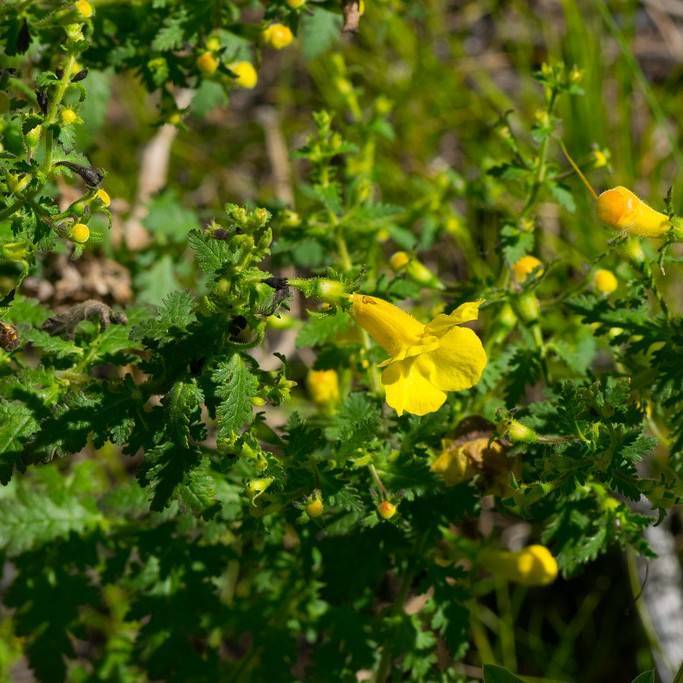
Fernleaf Yellow False Foxglove
Aureolaria pedicularia
Overview
Fernleaf Yellow False Foxglove is a distinctive hemiparasitic plant that derives partial nutrients from the roots of host oak trees, supporting its growth in low-nutrient habitats. Its finely dissected, fern-shaped foliage forms a bushy upright clump, while its tubular, two-lipped yellow flowers bloom from mid-summer to early fall, attracting native bees, hummingbirds, and pollinator wasps. As a member of the broomrape family, it is adapted to dry, open woodlands, savannas, and rocky slopes, where it coexists naturally with its preferred oak host species.
Care Guide
Watering
Water regularly to keep soil consistently moist but not waterlogged during the establishment phase, as young plants are sensitive to prolonged drought. Once established, it is moderately drought tolerant, requiring supplemental watering only during extended periods of extreme heat or aridity to prevent foliage wilting. Avoid overwatering, as saturated soil can cause root rot and disrupt the plant’s parasitic association with host oak roots.
Light
Thrives in full sun to partial shade, with the most abundant flowering occurring in locations that receive at least 6 hours of direct sunlight daily. In hotter southern portions of its range, it benefits from light afternoon shade to protect its delicate foliage from scorching during peak summer heat. Too much dense shade will lead to leggy growth and reduced flower production.
Soil
Requires well-drained, acidic to neutral sandy or loamy soil, ideally with low to moderate nutrient content, as overly fertile soil can reduce its dependency on host oak roots and hinder healthy growth. It cannot survive in heavy, clay-heavy soils that retain excess moisture for long periods. For cultivation, it is critical to plant it within root range of a native oak species (Quercus spp.) to support its hemiparasitic nutrient needs.
Fertilizer
Fertilization is generally unnecessary, as this species is adapted to low-nutrient habitats and excess nutrients can disrupt its symbiotic relationship with host oak trees. If growth appears exceptionally stunted and no host is present, apply a diluted, balanced all-purpose fertilizer once at the start of the growing season. Avoid high-nitrogen fertilizers, which encourage excessive foliage growth at the expense of flower production.
Temperature
Adapted to temperate climate zones 3 through 8, tolerating winter lows down to -40°F (-40°C) as an annual that completes its lifecycle in a single growing season. It thrives in average summer temperatures between 65–85°F (18–29°C), and can tolerate brief spikes above 90°F (32°C) if provided with adequate moisture and light shade. Frost will kill the plant at the end of the growing season, after it has dropped its self-sowing seeds for the following year.
Pruning
Pruning is rarely required for this wildflower, though spent flowers can be deadheaded if self-sowing is not desired in garden settings. If plants become leggy in partial shade, trim back the top one-third of growth in early summer to encourage a bushier, more compact form. At the end of the growing season, remove dead foliage to reduce overwintering habitat for pests, if desired, or leave it in place to support beneficial insects and allow natural seed dispersal.
Propagation
Most commonly propagated from seed, which requires a 60-day period of cold stratification to break dormancy, sown directly outdoors in late fall or early spring near the roots of a host oak tree. Seeds do not transplant well once they have developed their parasitic root connections, so direct sowing is strongly preferred over starting seeds indoors. It does not propagate reliably from stem cuttings, as the hemiparasitic root association is difficult to establish from cuttings.
Humidity
Tolerates a wide range of humidity levels common to its native eastern North American range, thriving in average ambient humidity between 40–70%. It does not require supplemental humidity in garden settings, and can tolerate short periods of low humidity as long as soil moisture levels are adequate. High, persistent humidity paired with poor air circulation can increase the risk of foliar fungal diseases, so space plants adequately to promote airflow.
Repotting
Repotting is not applicable for this species, as it is almost exclusively grown in outdoor garden settings and relies on a host oak’s root system to survive. If attempting to grow in a container, it must be planted in a very large pot alongside a small oak sapling to support its hemiparasitic needs, and repotting would disrupt the sensitive root association between the two plants, so it is not recommended.
Uses & Symbolism
Fernleaf Yellow False Foxglove is a popular addition to native pollinator gardens, wildflower meadows, and oak savanna restoration projects, where it supports a wide range of native bee species, hummingbirds, and beneficial predatory wasps. It is also used in naturalistic landscaping to add late-season yellow color to shaded or semi-shaded woodland edges, where its fern-like foliage provides textural contrast to broader-leaved native plants. Some Indigenous North American communities historically used small amounts of the plant for medicinal purposes, though it is not commonly used in modern herbalism due to limited research into its safety and efficacy.
Diseases & Pests
Fernleaf Yellow False Foxglove is relatively pest and disease resistant, though it can develop foliar fungal diseases such as powdery mildew and leaf spot in conditions of high humidity, poor air circulation, and prolonged leaf wetness. Aphids and spider mites may occasionally infest new growth, especially during extended dry, warm periods, and can be controlled with a strong spray of water or insecticidal soap for severe infestations. Root rot can occur in poorly drained, waterlogged soil, so ensuring proper soil drainage is the primary preventive measure for this issue.
Related plants
Other plants you might like if you grow Fernleaf Yellow False Foxglove.
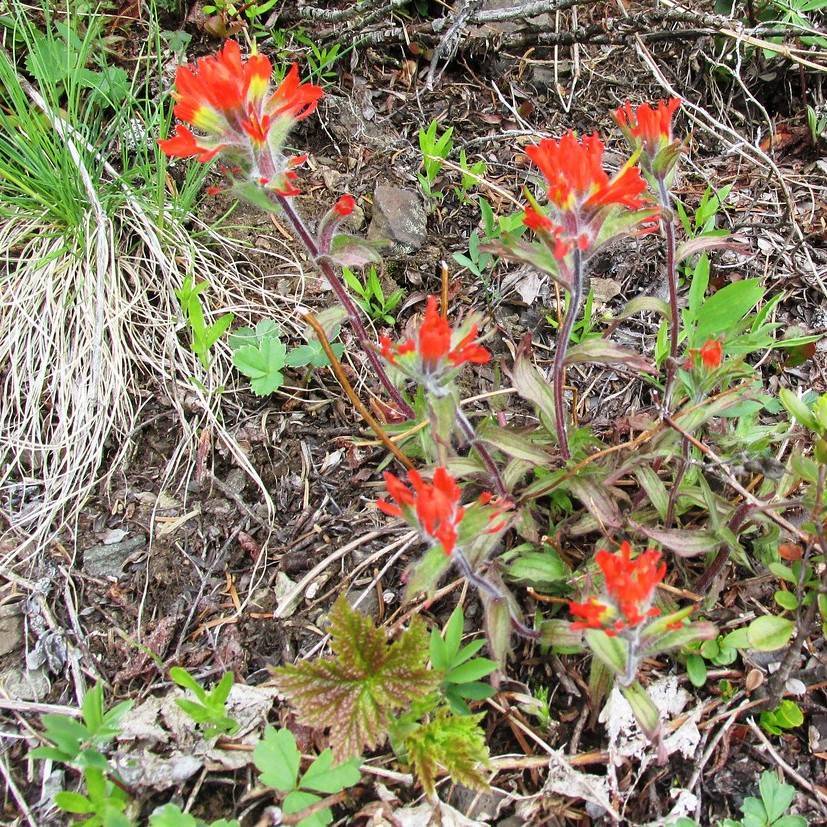
Harsh Paintbrush
Castilleja hispida
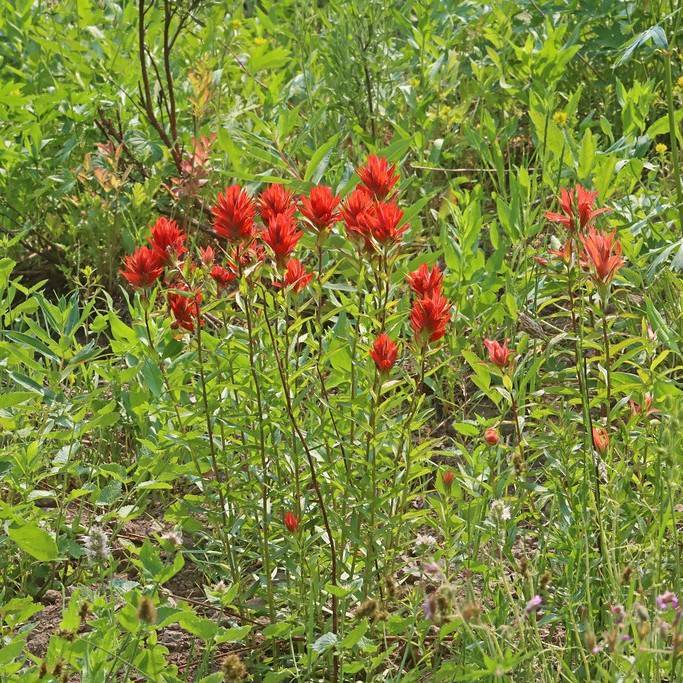
Giant Red Indian Paintbrush
Castilleja miniata
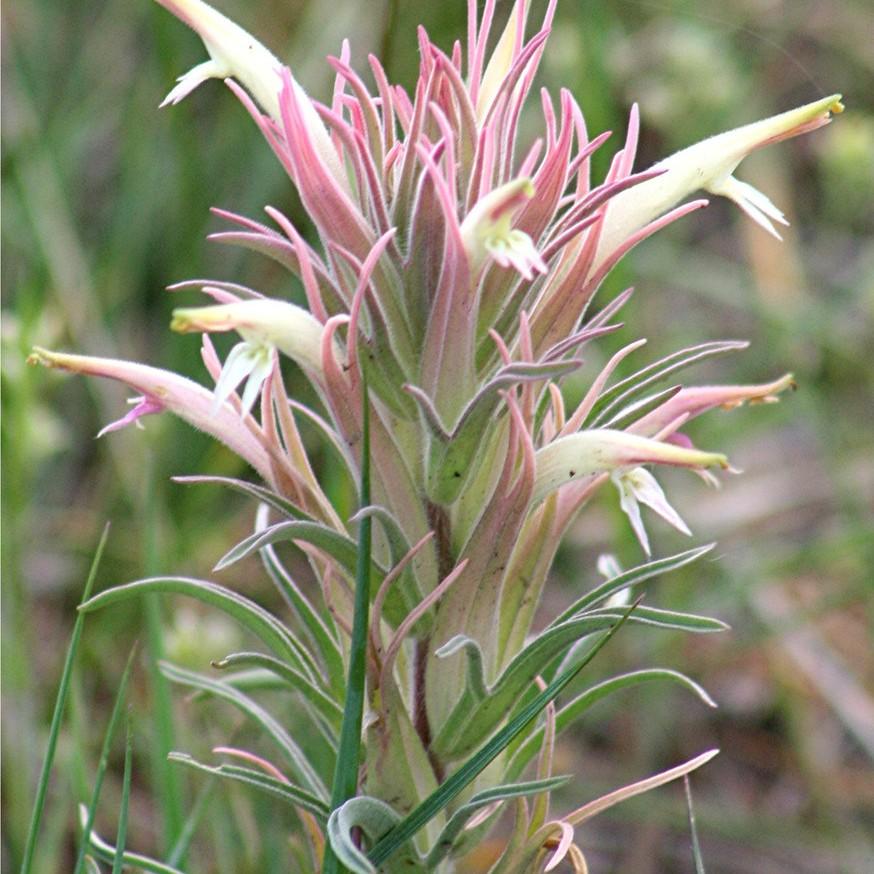
Downy Paintbrush
Castilleja sessiliflora
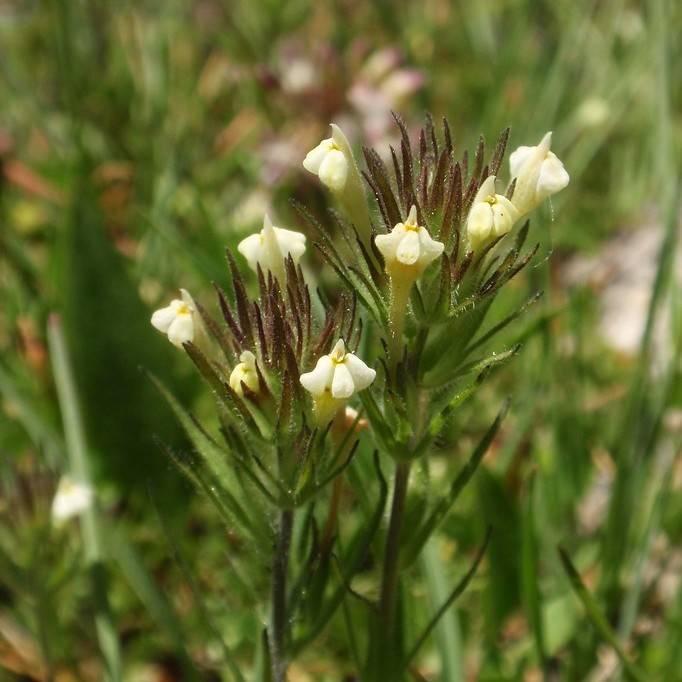
Hairy Owl's Clover
Castilleja tenuis
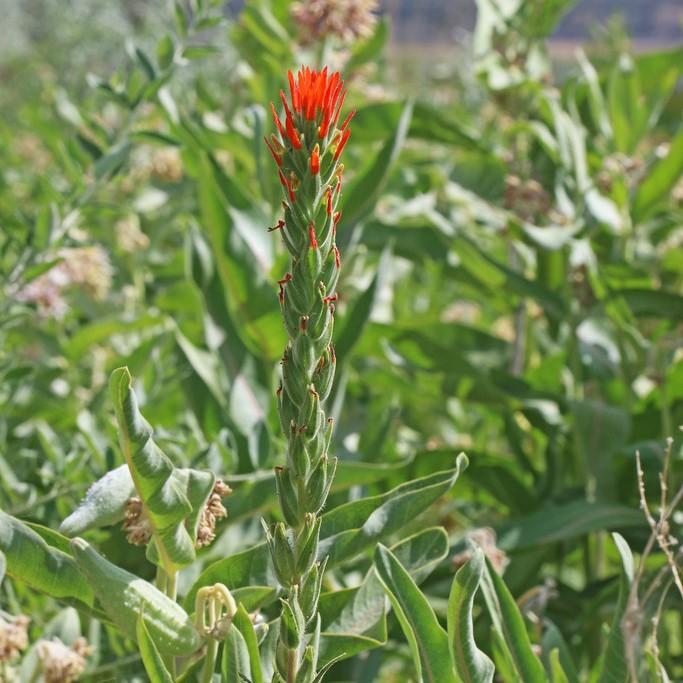
Annual Paintbrush
Castilleja indivisa
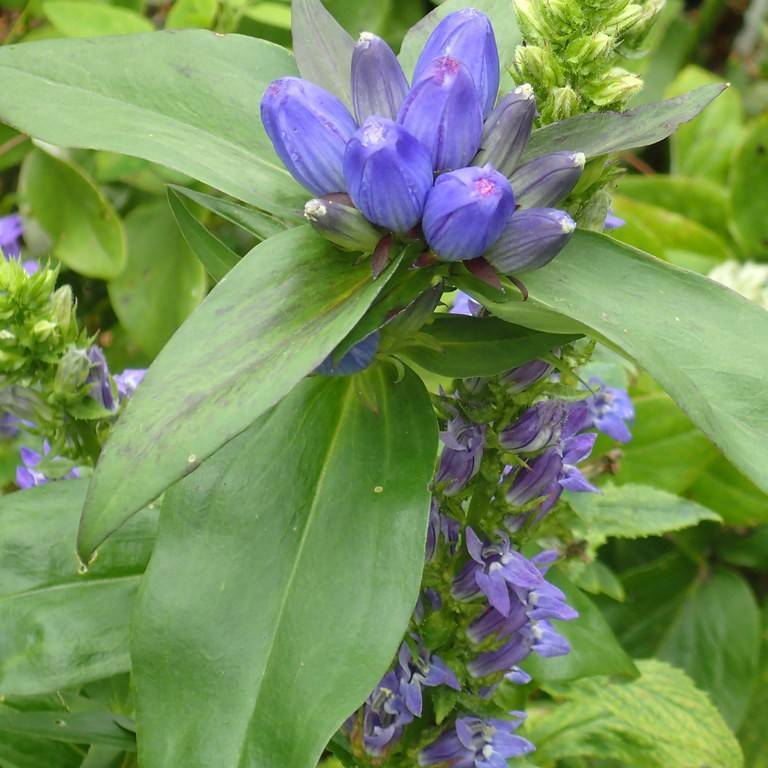
Closed Gentian
Gentiana andrewsii
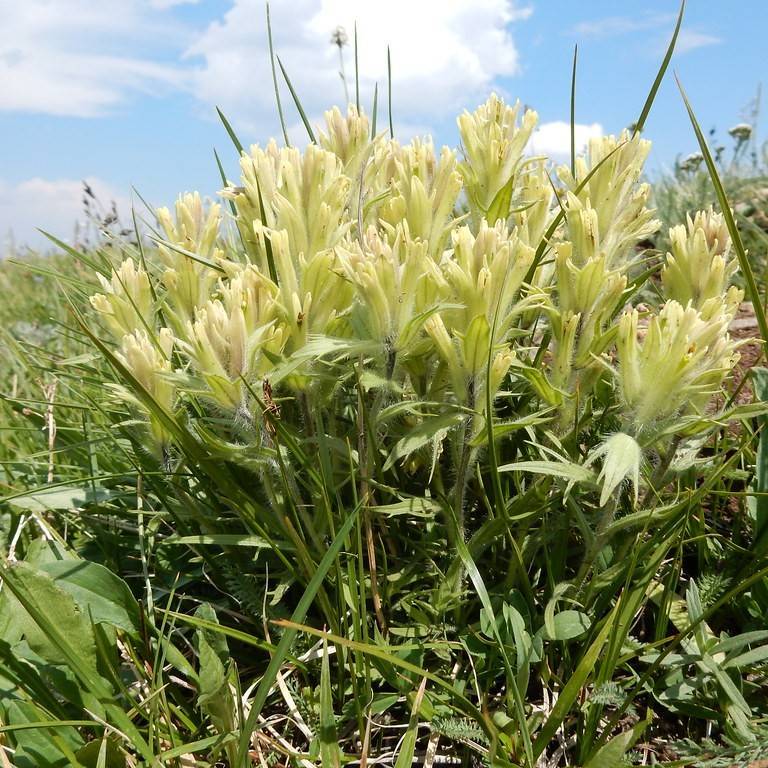
Cusick's Indian Paintbrush
Castilleja cusickii
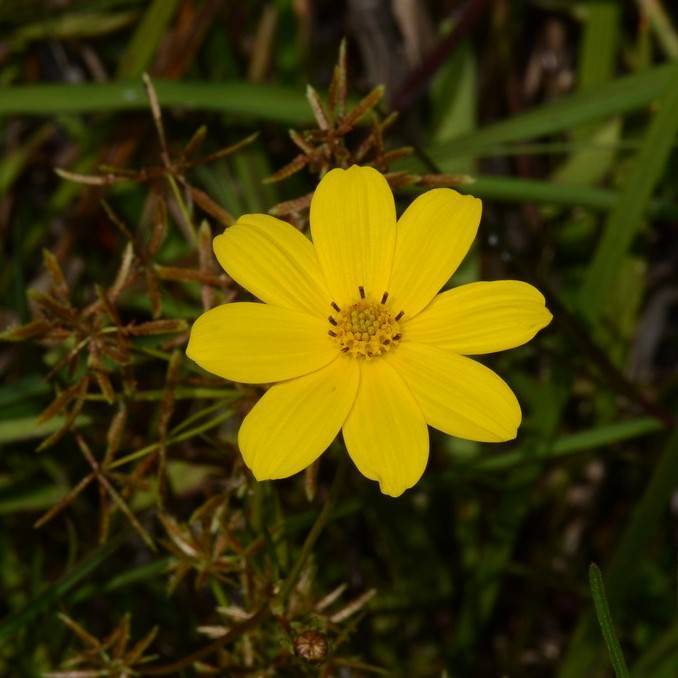
Crowned Beggarticks
Bidens coronata