Feathertop
Pennisetum villosum
Overview
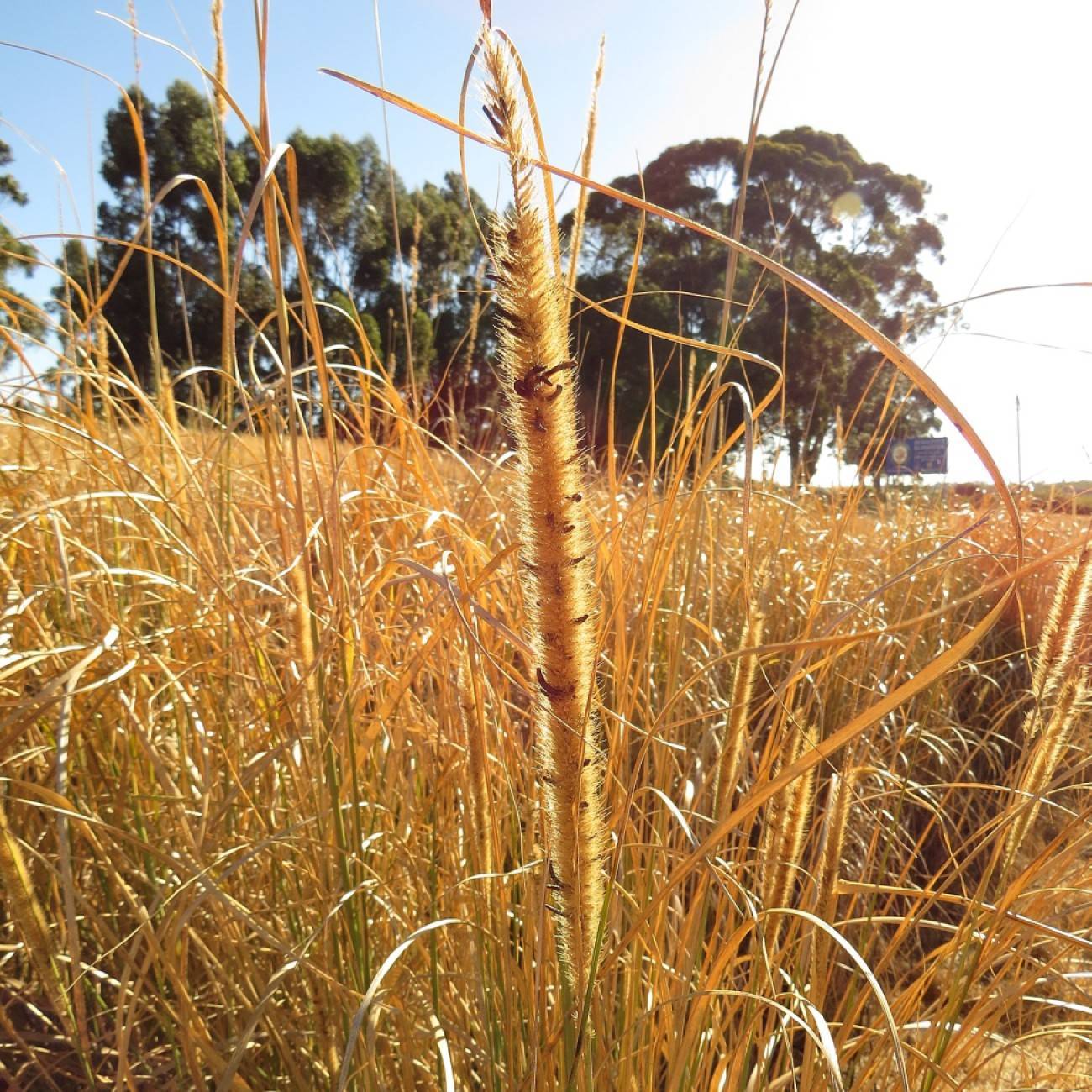
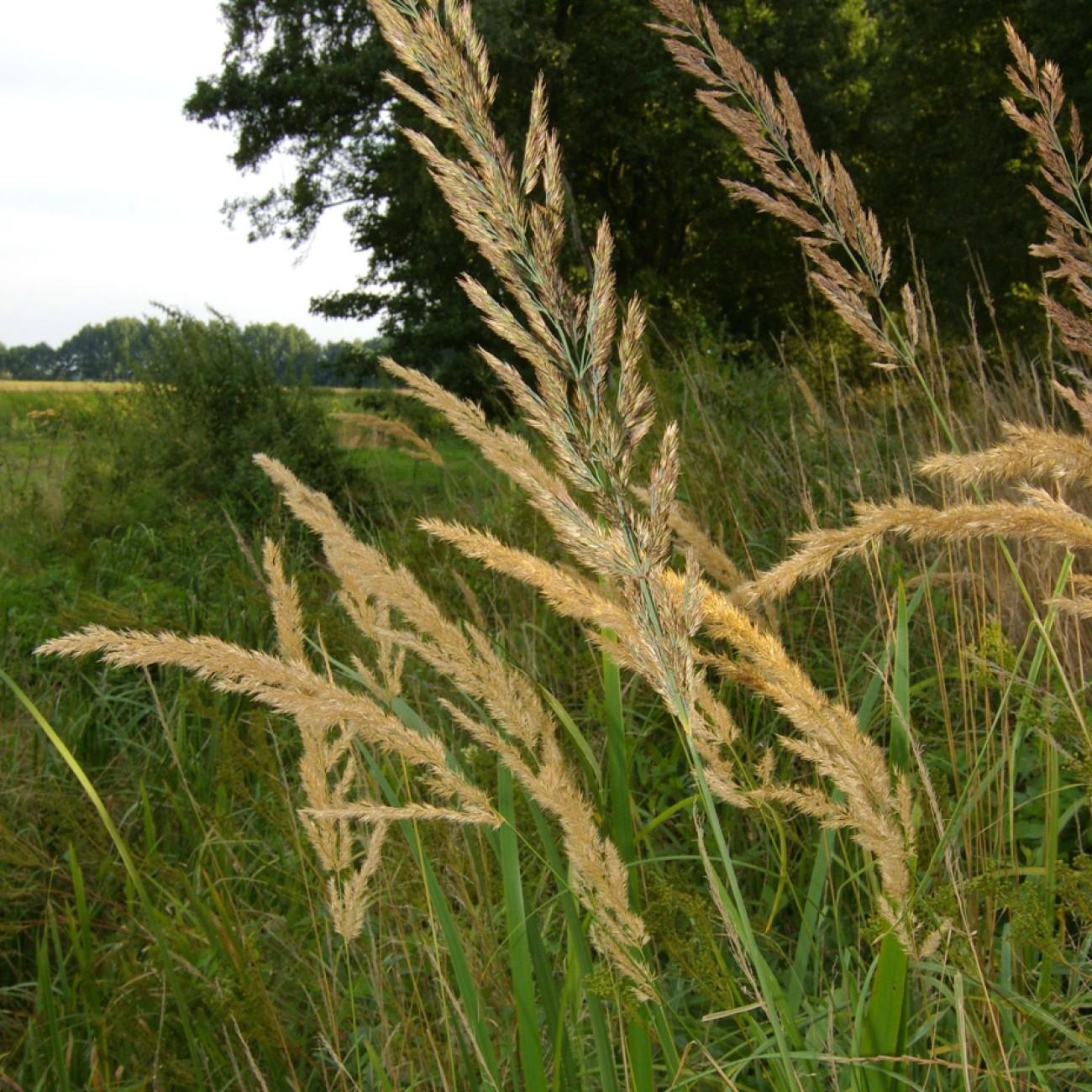
Feathertop, also called feathertop grass, is a warm-season ornamental grass cultivated globally for its striking, cylindrical white inflorescences that emerge in late summer. The plumes retain their soft texture and pale color even when dried, making them a popular choice for everlasting floral crafts. Though technically a short-lived perennial in warm climates, it is often grown as an annual in temperate regions where winter frost kills the foliage.
Care Guide
Watering
Feathertop has moderate drought tolerance once established, but regular watering during its first growing season helps it develop a robust root system. Allow the top 1-2 inches of soil to dry out between waterings to avoid root rot, and reduce watering frequency in cooler months when growth slows. Overwatering is the most common cause of health issues for this grass, so avoid soggy soil at all times.
Light
This grass thrives in full sun, requiring a minimum of 6 hours of direct sunlight daily to produce abundant, fluffy plumes. It can tolerate partial shade, but plants grown in lower light will have fewer blooms and a leggier, less compact growth habit. In very hot, arid climates, it can benefit from light afternoon shade to prevent leaf scorch.
Soil
Feathertop adapts well to most well-drained soil types, including sandy, loamy, and even poor, low-nutrient soils. It prefers a neutral to slightly alkaline pH range between 6.0 and 7.5, but will tolerate slightly acidic conditions as well. Heavy clay soils that retain moisture should be amended with sand or compost to improve drainage before planting.
Fertilizer
Feathertop is a light feeder that rarely requires supplemental fertilization when grown in average garden soil. Over-fertilizing will lead to excessive leaf growth at the expense of plume production, so only apply a balanced, slow-release 10-10-10 fertilizer once annually in early spring if growth appears stunted. Potted feathertop can benefit from a diluted liquid fertilizer applied once every 4-6 weeks during the growing season.
Temperature
Feathertop grows best in warm temperatures between 65-85°F (18-29°C), and will die back to the ground if exposed to temperatures below 20°F (-7°C). It is hardy in USDA zones 8-11, where it will return year-round if mulched heavily in winter to protect the root crown. In cooler zones below 8, it is typically grown as an annual, as frost will kill the entire plant.
Pruning
Prune feathertop in late winter or early spring before new growth emerges, cutting back dead foliage to 2-3 inches above the soil line to make room for fresh, healthy shoots. Deadhead spent plumes throughout the growing season if you wish to prevent self-seeding, or leave them in place for winter interest and to provide food for local birds. Remove any yellowed or damaged leaves as they appear to keep the plant looking tidy and reduce the risk of fungal disease.
Propagation
Feathertop is most commonly propagated from seed, which can be sown directly outdoors after the last frost date, or started indoors 6-8 weeks before the last expected frost for earlier blooms. Seeds germinate readily in 7-14 days when kept moist and at temperatures between 70-75°F (21-24°C). Established clumps can also be divided in early spring, separating the root ball into smaller sections and replanting them immediately to create new plants.
Humidity
Feathertop tolerates a wide range of humidity levels, thriving in both dry and moderately humid environments as long as air circulation is good. High humidity combined with poor air flow can increase the risk of fungal leaf spots and root rot, so space plants at least 1 foot apart to allow air to circulate around the foliage. It does not require misting or supplemental humidity, even when grown indoors.
Repotting
Potted feathertop should be repotted every 1-2 years in early spring, before new growth begins, to refresh the soil and give the root system room to expand. Choose a pot that is 1-2 inches larger in diameter than the current container, with ample drainage holes to prevent waterlogging. When repotting, gently loosen tangled roots and trim any rotten or damaged root sections before placing the plant in fresh, well-drained potting mix.
Uses & Symbolism
Feathertop is a popular choice for ornamental garden borders, rock gardens, and container plantings, where its soft white plumes create a striking contrast against darker foliage and brightly colored flowers. The long-lasting plumes are widely harvested for both fresh and dried cut flower arrangements, as they retain their shape and color for months when dried properly. In its native range, it is occasionally used as a forage grass for livestock, though its primary commercial use is ornamental.
Diseases & Pests
Feathertop is relatively pest and disease resistant, but can be susceptible to aphids and spider mites, especially when grown in dry, hot conditions or indoors with poor air circulation. Fungal diseases such as rust, leaf spot, and root rot can occur if the plant is overwatered or grown in poorly drained soil. To prevent most issues, ensure proper soil drainage, avoid overhead watering, and space plants adequately to promote good air circulation around the foliage.
Related plants
Other plants you might like if you grow Feathertop.