Fountain Grass
Cenchrus setaceus
Overview
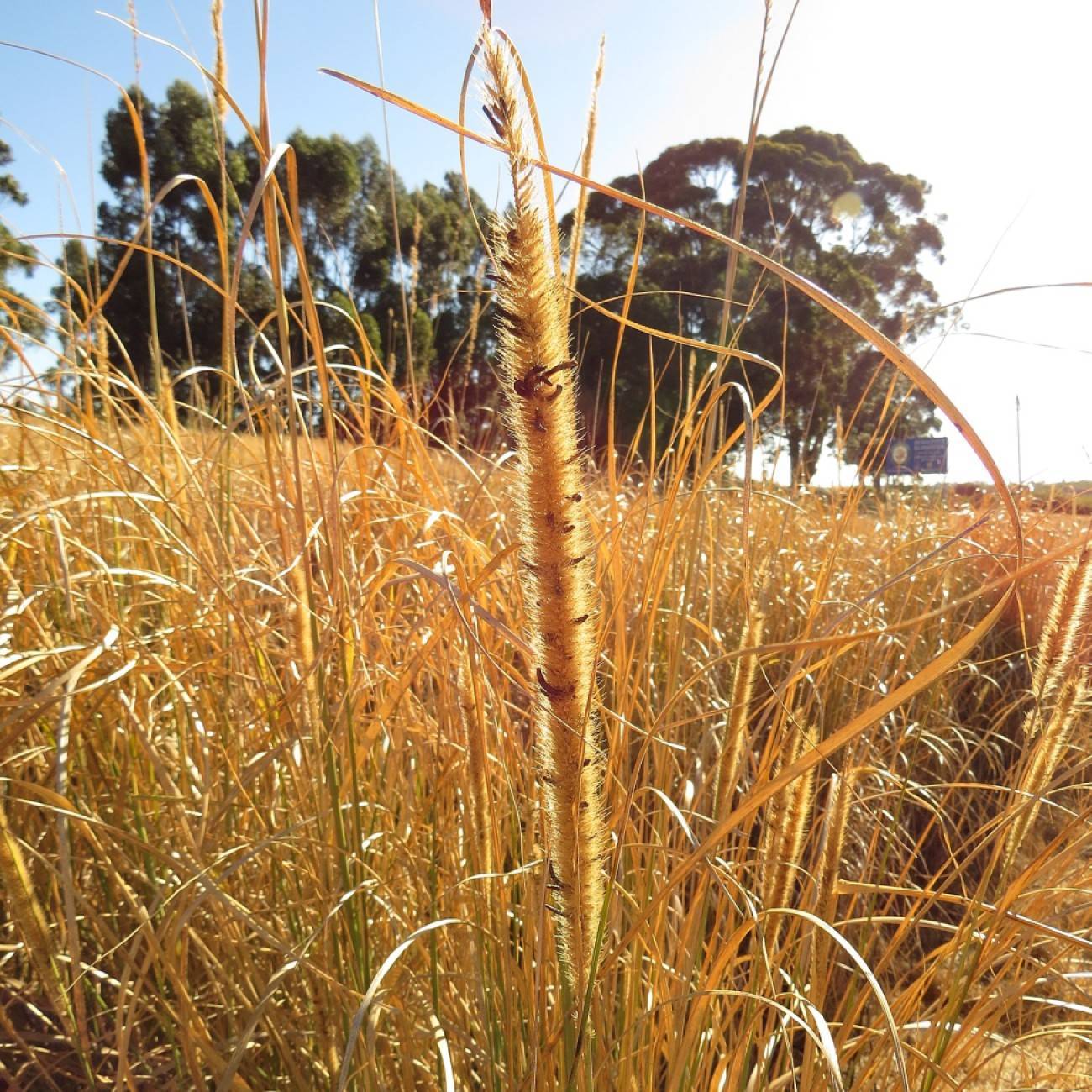
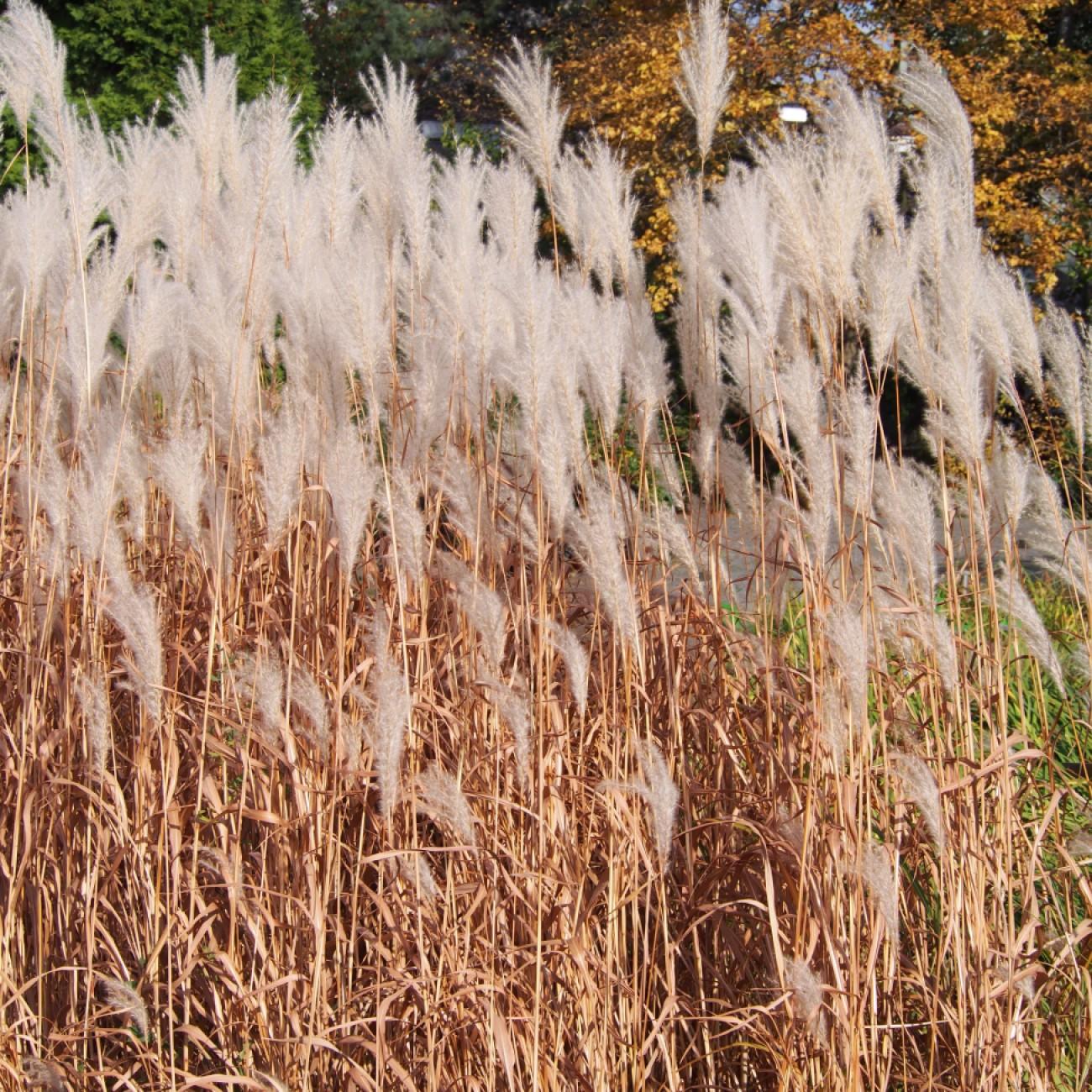
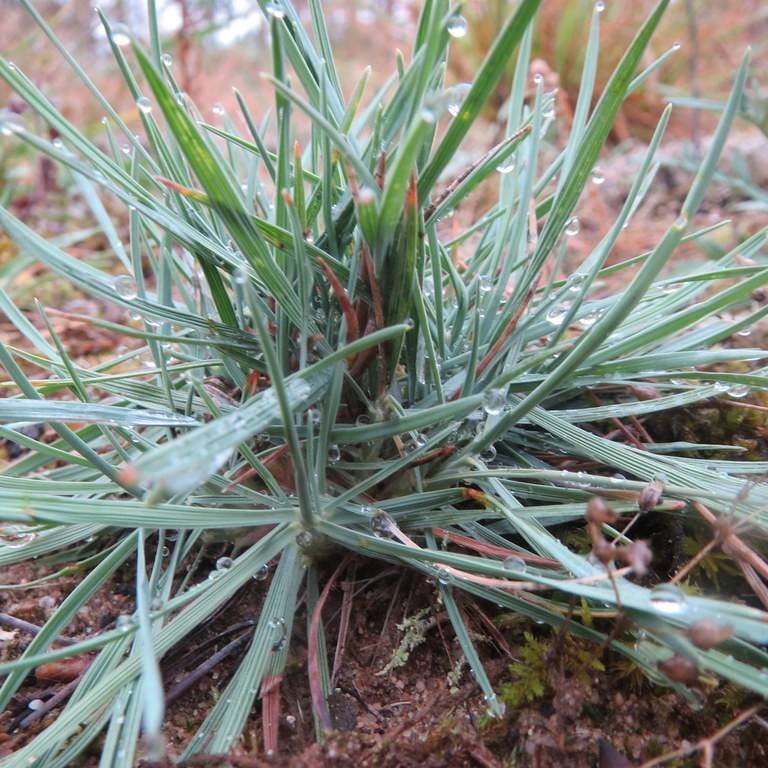
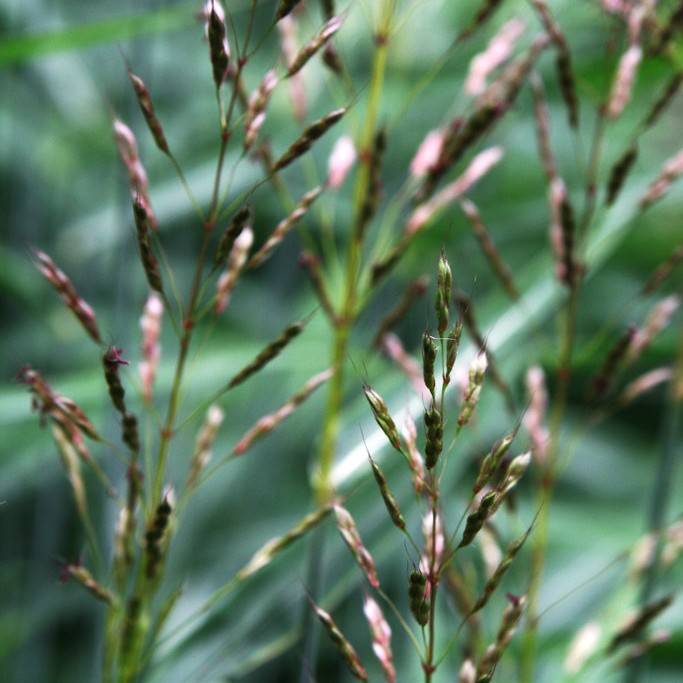
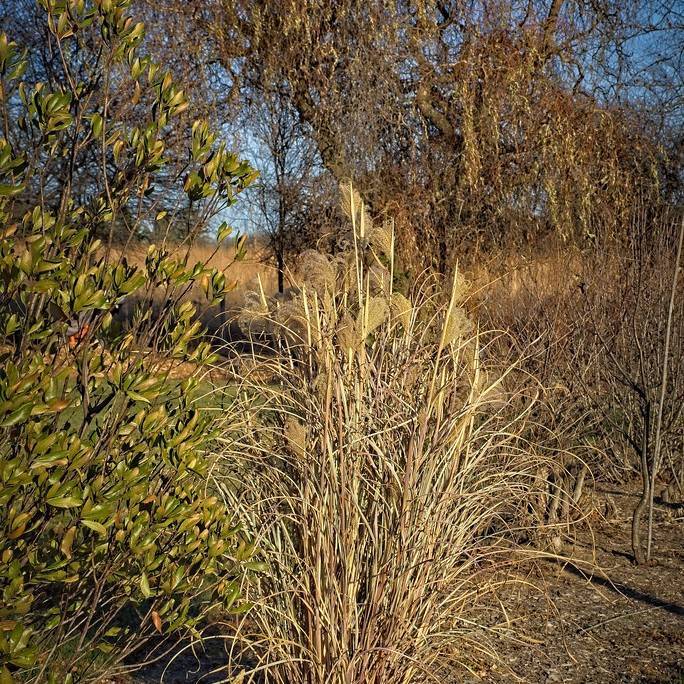
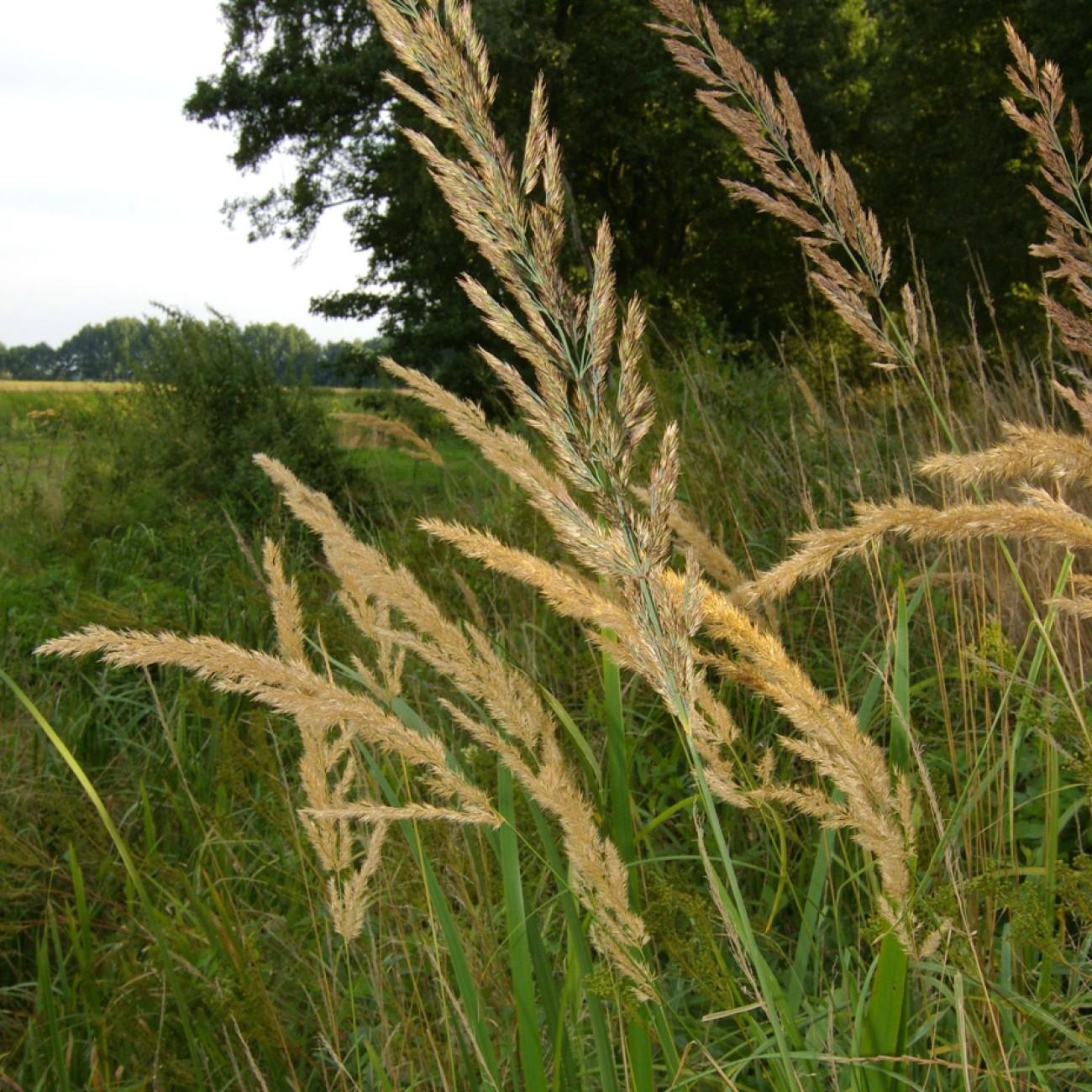
Fountain grass is a clumping warm-season grass named for its cascading, fine-textured green to burgundy foliage that forms a rounded, mound-like habit. From mid-summer to early fall, it produces feathery, pink, purple, or white cylindrical plumes that rise above the foliage, persisting well into winter for year-round visual interest. While widely cultivated as an ornamental, it is considered invasive in some warm, mild regions outside its native range where it self-seeds aggressively.
Care Guide
Watering
Water newly planted fountain grass regularly to keep the soil evenly moist for the first growing season, helping it establish a deep root system. Once established, it is highly drought-tolerant, requiring only occasional watering during extended dry spells; overwatering can lead to root rot. Reduce watering in late fall and winter when the plant is dormant, allowing the soil to dry out almost completely between sessions.
Light
Fountain grass thrives in full sun, requiring a minimum of 6 hours of direct, unfiltered sunlight daily to produce the densest foliage and most abundant flowering plumes. It can tolerate partial shade, but growth will be leggier, foliage color will be less vibrant, and flowering will be significantly reduced. For indoor container-grown specimens, place them in a south-facing window or supplement with grow lights to meet their high light needs.
Soil
This adaptable grass grows best in well-drained, loamy or sandy soil with a neutral to slightly acidic pH range of 6.0 to 7.5. It tolerates poor, rocky, and low-nutrient soils very well, as long as excess water can drain freely to prevent root rot. Heavy, compacted clay soils should be amended with compost or coarse sand before planting to improve drainage.
Fertilizer
Fountain grass has very low nutrient needs, and over-fertilization will cause leggy, floppy growth that loses its characteristic fountain shape. In most garden soils, no regular fertilization is required; a light application of balanced, slow-release granular fertilizer in early spring is only necessary for very poor, nutrient-depleted soils. Container-grown plants can be fed once annually in early spring with a diluted balanced liquid fertilizer at half the recommended strength.
Temperature
Fountain grass is a warm-season species that grows best in temperatures between 70–90°F (21–32°C) during its active growing season in spring and summer. Most cultivars are cold hardy in USDA zones 9–11, though some cold-tolerant varieties can survive down to zone 5 with a thick layer of winter mulch to protect the root crown from freezing temperatures. Frost will kill back the above-ground foliage, which can be left in place over winter for insulation and visual interest.
Pruning
Prune fountain grass back hard to 4–6 inches (10–15 cm) above the ground in late winter or early spring, just before new green growth emerges from the root crown. Remove any dead, damaged, or diseased foliage throughout the growing season as needed to maintain a tidy appearance, but avoid heavy pruning during active growth as it can reduce flowering. To prevent self-seeding and potential invasive spread in mild climates, cut off spent flower plumes before they mature and release seeds.
Propagation
Fountain grass is most reliably propagated by division, carried out in early spring just as new growth begins to emerge. Dig up the entire clump, use a sharp, sterilized knife or spade to split it into smaller sections with at least 3–5 healthy growth buds and a portion of the root system each, then replant sections at the same depth they were growing previously. It can also be grown from seed sown directly in the garden after the last frost date, though seed-grown plants may not retain the exact foliage or flower color of the parent cultivar.
Humidity
Fountain grass is highly adaptable to a wide range of humidity levels, thriving in both arid and moderately humid environments as long as soil drainage is adequate. It does not require any supplemental humidity, even when grown as a container houseplant, and tolerates dry indoor air very well. High humidity combined with poor air circulation and overly wet soil can increase the risk of fungal diseases, so ensure plants have good spacing in garden beds.
Repotting
Container-grown fountain grass should be repotted every 2–3 years in early spring, before new growth starts, when roots begin to grow out of the drainage holes or become pot-bound. Choose a container that is 2–3 inches wider than the previous pot, with ample drainage holes, and use a well-drained potting mix amended with perlite or coarse sand to improve drainage. After repotting, water thoroughly to settle the soil around the roots, and avoid fertilizing for 4–6 weeks to prevent burning tender new roots.
Uses & Symbolism
Fountain grass is widely used in ornamental landscaping as a border plant, mass planting, accent specimen, or container plant, adding soft texture, movement, and seasonal color to xeriscapes, rock gardens, and pollinator gardens. Its dried flower plumes are popular for cut flower arrangements, both fresh and preserved, holding their shape and color well for months when hung to dry in a cool, dark space. Dwarf cultivars are grown as low-maintenance indoor houseplants in bright, sunny windows, bringing fine texture to indoor plant collections.
Diseases & Pests
Fountain grass is largely pest and disease resistant, with the most common issue being root rot caused by overwatering or poorly drained soil. It may occasionally be affected by fungal diseases like rust or leaf spot in overly humid, poorly ventilated conditions, which can be treated by removing affected foliage and applying a copper-based fungicide if needed. Rare pest infestations include aphids and spider mites, which can be controlled with insecticidal soap or neem oil applications.
Related plants
Other plants you might like if you grow Fountain Grass.