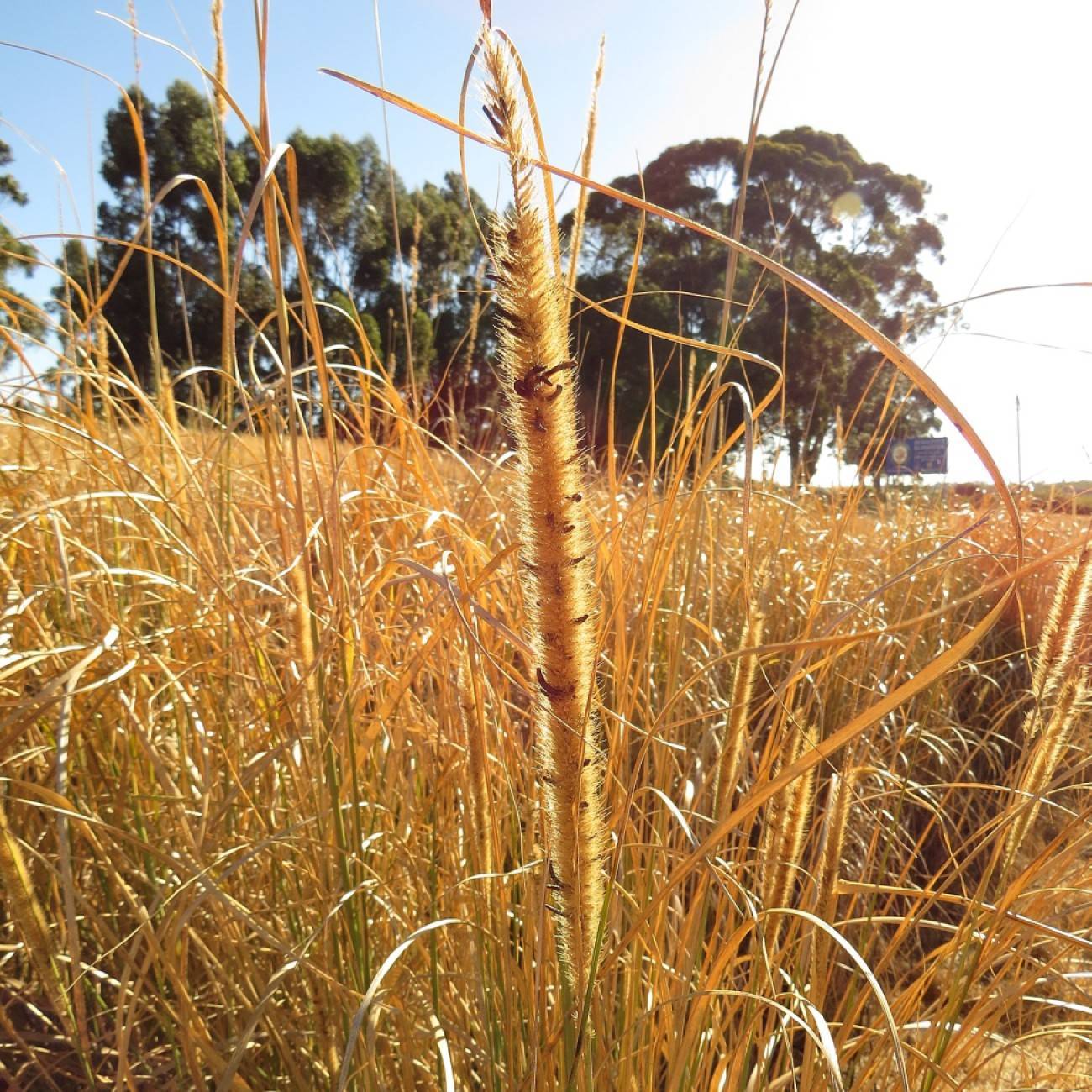
African Feather Grass
Cenchrus macrourus
Overview
African Feather Grass is a clumping warm-season ornamental grass celebrated for its airy, soft feather-like inflorescences that emerge in late spring and persist through fall. Its fine, arching green foliage forms dense mounds, while its plumes fade to a soft tan in winter, providing year-round visual interest in temperate and warm climates. It is well-adapted to dry, sunny conditions, making it a popular choice for low-water and xeriscape gardens.
Care Guide
Watering
Water newly planted African Feather Grass regularly for the first growing season to help it establish a deep, robust root system, keeping soil consistently moist but not waterlogged. Once established, it is highly drought-tolerant, requiring only occasional deep watering during extended periods of hot, dry weather. Avoid overwatering, as saturated soil can lead to root rot, especially in cool winter months.
Light
African Feather Grass thrives in full sun, requiring a minimum of 6 hours of direct unfiltered sunlight daily to produce the densest foliage and most abundant plumes. It can tolerate very light partial shade, but too much shade will cause the clumps to become leggy, floppy, and produce far fewer of its characteristic feathery blooms. For indoor container specimens, place it in a south-facing window to ensure sufficient light exposure.
Soil
This adaptable grass grows best in well-drained, sandy or loamy soil with a neutral to slightly alkaline pH range of 6.0 to 8.0. It can tolerate poor, rocky, and low-nutrient soils that many other ornamental plants struggle in, as long as drainage is adequate. Avoid heavy, compacted clay soils that hold standing water, as this will quickly kill the plant’s shallow root system.
Fertilizer
African Feather Grass is a light feeder that rarely requires supplemental fertilizer in average garden soils. If planted in extremely poor, nutrient-deficient soil, apply a balanced slow-release 10-10-10 fertilizer once in early spring just as new growth begins to emerge. Do not overfertilize, as this will cause excessive soft, floppy foliage growth and reduce the production of its signature feathery plumes.
Temperature
This grass is well-adapted to warm climates, thriving in temperatures between 65 and 90°F (18 and 32°C) during its active growing season. It is winter hardy in USDA zones 8 through 11, tolerating brief dips down to 15°F (-9°C) if the soil is kept relatively dry during cold periods. In cooler zones below 8, it can be grown as an annual or overwintered indoors in a bright, cool location.
Pruning
Prune African Feather Grass back to 4 to 6 inches above the soil line in late winter or early spring, just before new green growth begins to emerge from the base of the clump. Remove any dead, damaged, or discolored foliage throughout the growing season to keep the clump looking tidy and encourage healthy new growth. Deadheading spent plumes is optional, but leaving them in place adds winter interest and provides shelter for beneficial pollinators and small birds.
Propagation
The most reliable method of propagating African Feather Grass is through division of established clumps, performed in early spring just as new growth starts to appear. Dig up the entire clump, use a sharp clean spade to split it into smaller sections each with a healthy portion of roots and foliage, and replant the divisions at the same depth they were growing originally. It can also be grown from seed sown directly into warm, well-drained soil after the last frost date, though seed-grown plants may take 2 to 3 years to mature and produce full plumes.
Humidity
African Feather Grass is tolerant of a wide range of humidity levels, thriving in both arid and moderately humid conditions as long as air circulation around the clump is good. High humidity combined with poor air flow and wet foliage can increase the risk of fungal diseases, so space plants at least 2 feet apart to allow for proper ventilation. It does not require misting or supplemental humidity, even when grown indoors as a container specimen.
Repotting
If grown in a container, repot African Feather Grass every 2 to 3 years in early spring, before new growth begins, to refresh the soil and prevent the root system from becoming pot-bound. Choose a pot with multiple drainage holes that is 2 to 3 inches larger in diameter than the current root ball, and use a fast-draining sandy potting mix to reduce the risk of root rot. After repotting, water the plant thoroughly and place it in a sunny location to help it acclimate to its new container.
Uses & Symbolism
African Feather Grass is widely used in ornamental landscaping as a textural accent, border plant, or mass planting in xeriscape, cottage, and native wildlife gardens, where its swaying plumes add movement and soft color. Its dried feathery plumes are popular in cut flower arrangements, wreaths, and dried floral crafts, holding their shape and soft color for several months. It also provides cover and nesting material for small birds and beneficial insects, supporting local biodiversity in garden spaces.
Diseases & Pests
African Feather Grass is relatively pest and disease resistant, but can be susceptible to fungal issues such as rust, leaf spot, and root rot if grown in poorly drained soil or overly humid conditions with poor air circulation. Common pests include aphids and spider mites, which can be controlled with a strong spray of water or insecticidal soap if infestations become severe. Overwatering and excess shade are the most common causes of health issues, leading to floppy growth, yellowing foliage, and root decay.
Related plants
Other plants you might like if you grow African Feather Grass.

Fountain Grass
Cenchrus setaceus
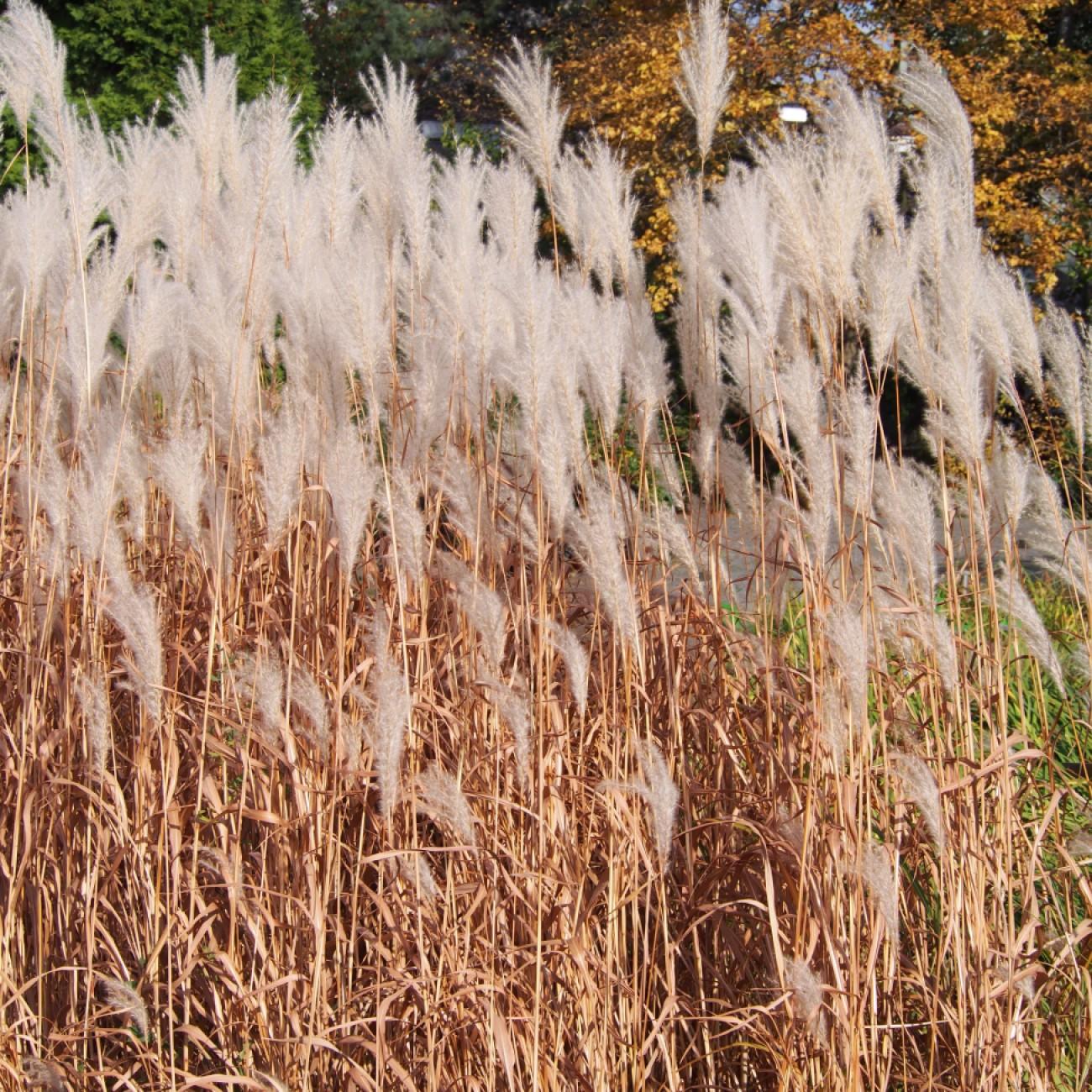
Amur Silvergrass
Miscanthus sacchariflorus
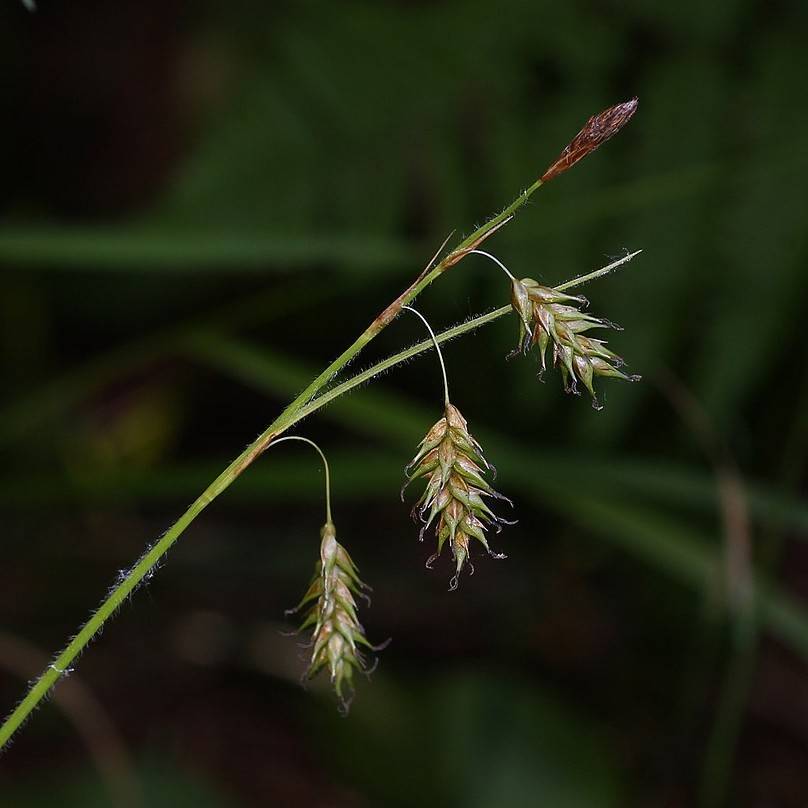
Chestnut Colored Sedge
Carex buchananii
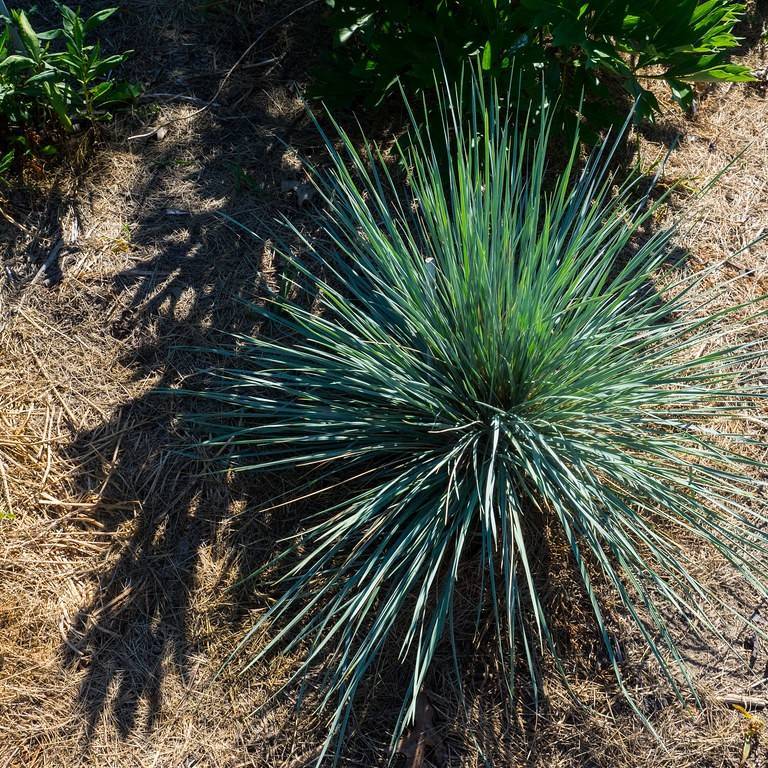
Blue Oat Grass
Helictotrichon sempervirens
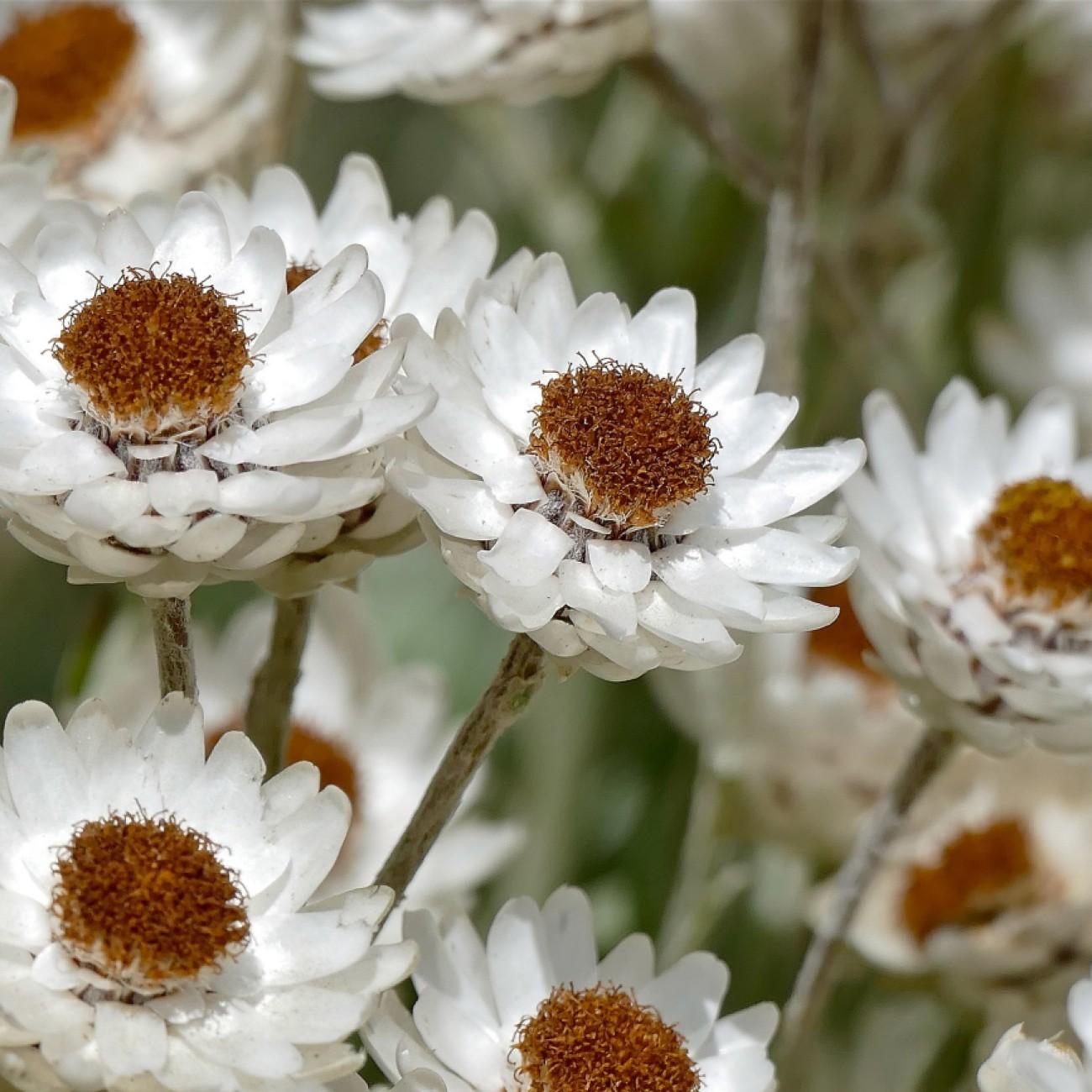
Everlasting Flower
Helichrysum bracteatum (syn. Xerochrysum bracteatum)
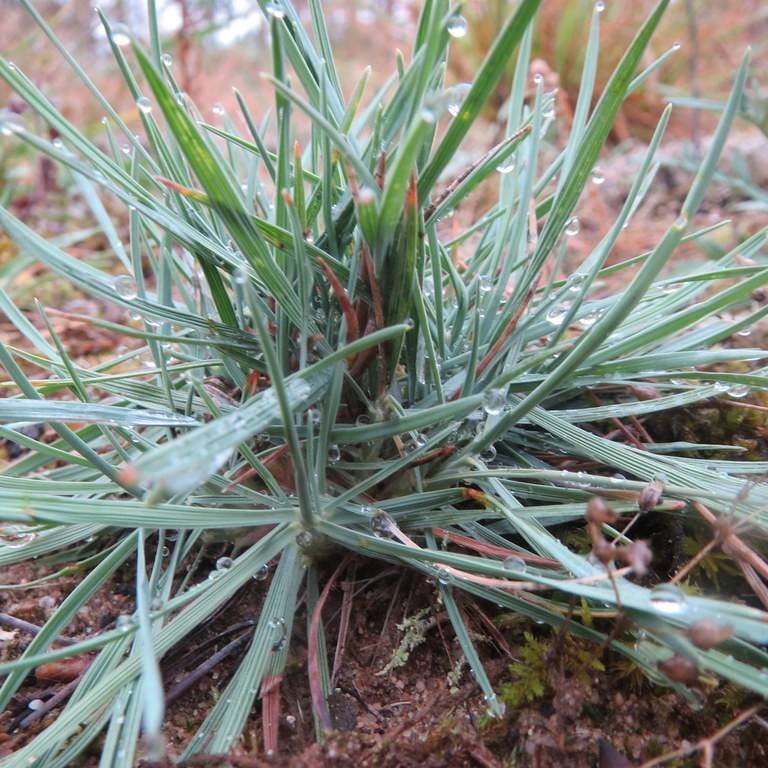
Grey Blue Koeleria
Koeleria glauca
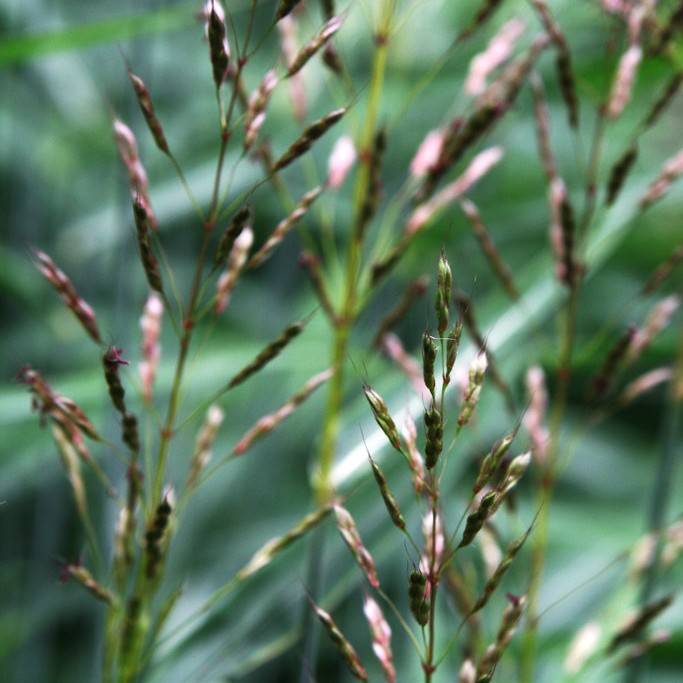
Frost Grass
Spodiopogon sibiricus
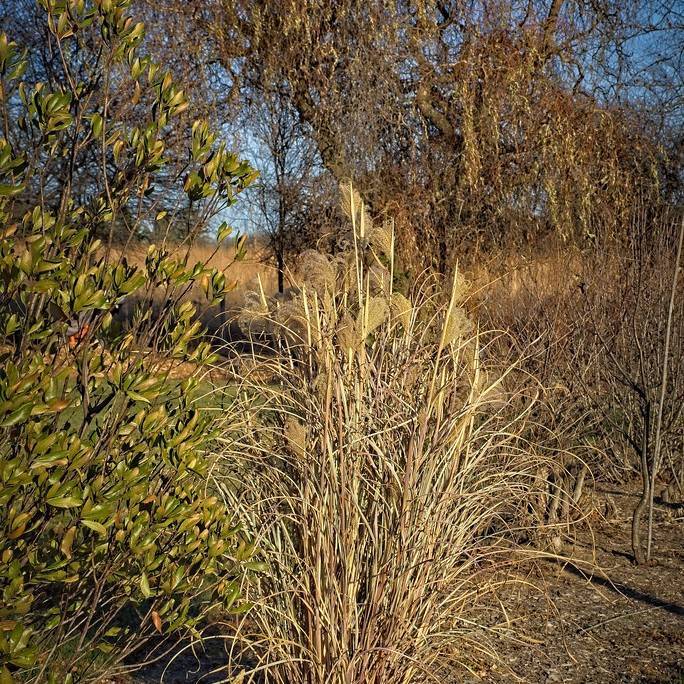
Eulalia Grass
Miscanthus sinensis