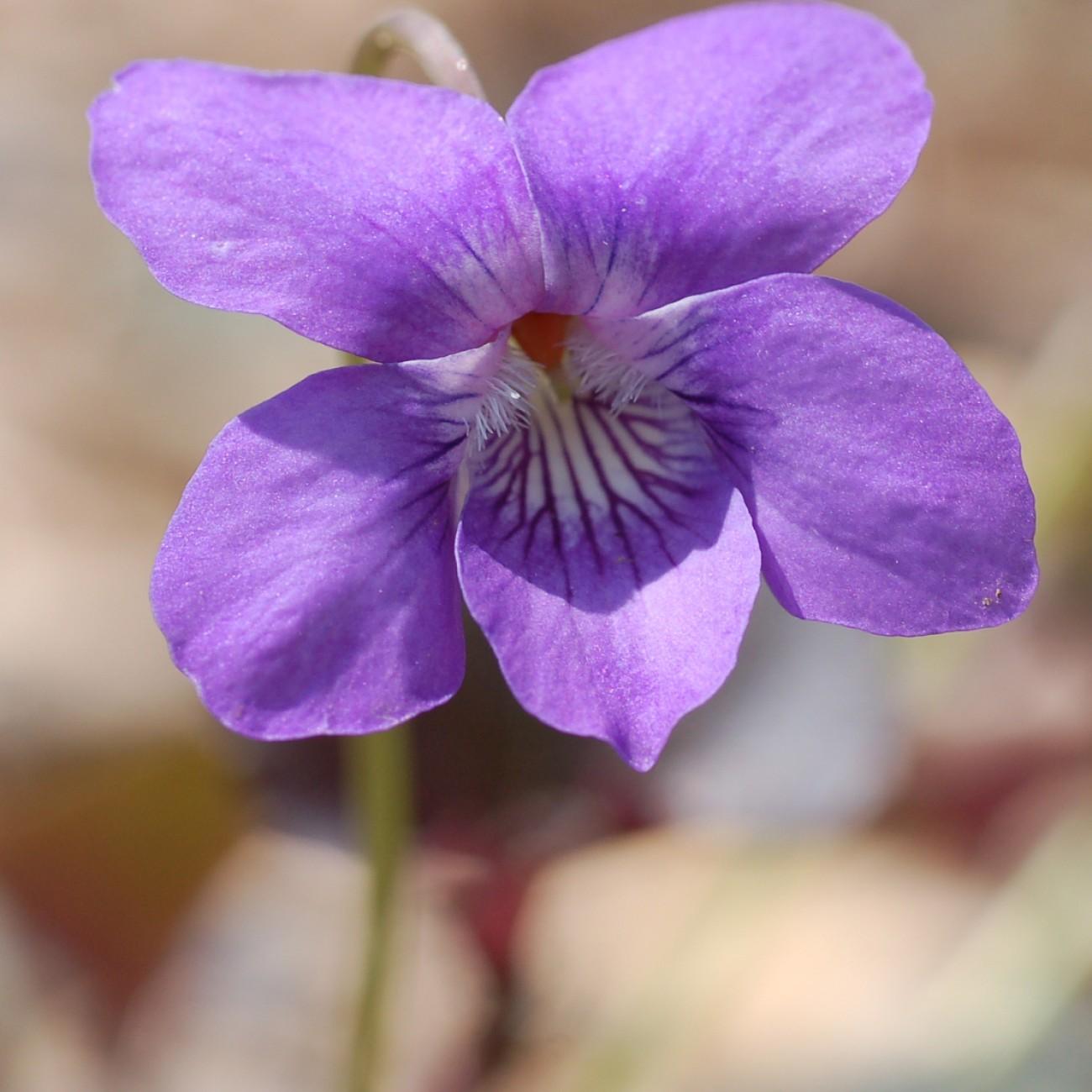
Fanleaf Violet
Viola flabellata
Overview
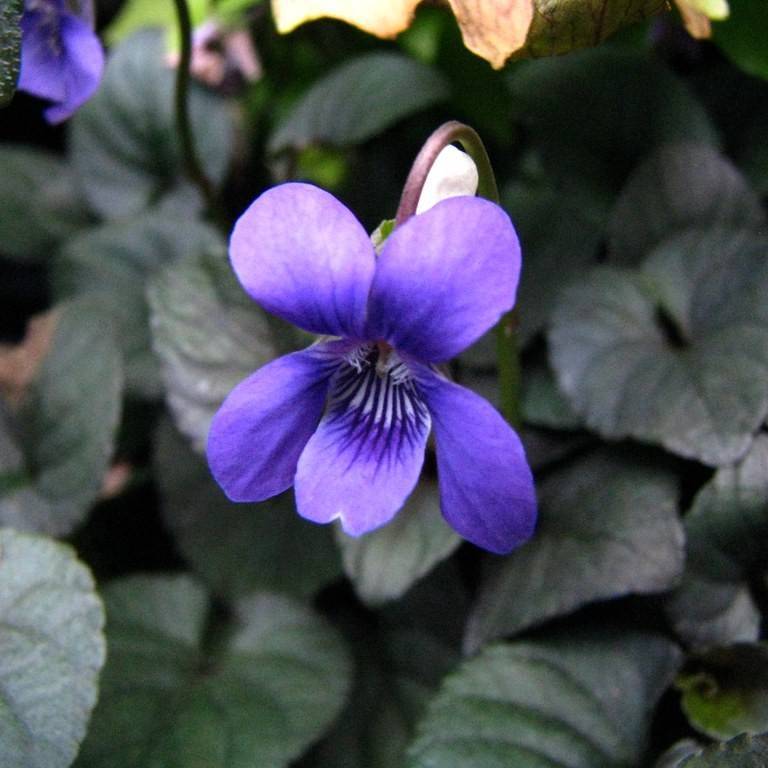
Fanleaf violet is a low-growing herbaceous perennial named for its deeply lobed, fan-shaped foliage that sets it apart from most other Viola species. It produces small, delicate pale to deep purple five-petaled flowers in early to mid-spring, often with subtle white or yellow markings on the lower petals. Adapted to cool, partially shaded montane habitats, it spreads slowly via shallow rhizomes to form soft, low mats ideal for ground cover in shaded garden spots.
Care Guide
Watering
Keep soil consistently moist but not waterlogged, especially during active spring growth; reduce watering frequency in summer once plants go partially dormant. Avoid overhead watering to prevent leaf spotting, aiming water directly at the soil around the base of the plant.
Light
Thrives in partial to full shade, mimicking its native understory habitat; dappled sunlight under deciduous trees is ideal. Can tolerate very brief periods of direct morning sun, but harsh midday or afternoon sun will scorch its delicate leaves.
Soil
Requires well-draining, humus-rich soil with a slightly acidic to neutral pH between 5.5 and 7.0. Amending soil with compost or leaf mold prior to planting will replicate the fertile, loamy woodland conditions it prefers.
Fertilizer
Feed once in early spring with a diluted balanced liquid fertilizer, or top-dress with a thin layer of compost to support new growth. Avoid over-fertilizing, as this will promote excessive leaf growth at the expense of blooms and may damage shallow root systems.
Temperature
Prefers cool temperatures between 50-75°F (10-24°C) during its active growing season, and is hardy to USDA zones 5 through 8. It tolerates light frosts in spring and fall, and will die back to the ground in winter to survive freezing temperatures down to -20°F (-29°C).
Pruning
Remove spent flower stems after blooming to keep the planting tidy and prevent unwanted self-seeding if desired. Trim back any yellowed or damaged foliage in late fall before the plant goes dormant for the winter.
Propagation
Easiest to propagate by dividing established clumps in early spring just as new growth emerges, or in fall after flowering has finished. Can also be grown from fresh seed sown directly outdoors in fall, as seeds require a period of cold stratification to germinate successfully.
Humidity
Adaptable to average ambient humidity levels between 40-60%, typical of its native temperate woodland habitats. It does not require extra humidity in most garden settings, though very dry, hot conditions may cause leaf browning at the edges.
Repotting
If grown in containers, repot every 2-3 years in early spring, using a fresh, humus-rich potting mix with added perlite for drainage. Choose a wide, shallow pot to accommodate its spreading rhizomatous root system, as deep pots can hold excess moisture that leads to root rot.
Uses & Symbolism
Fanleaf violet is primarily used as a low-growing ground cover for shaded rock gardens, woodland plantings, and understory borders, where its distinctive foliage and soft spring blooms add subtle texture and color. Its flowers are edible, with a mild, sweet flavor suitable for garnishing salads, desserts, and drinks, while its leaves can be eaten raw in salads or cooked as a potherb. It also provides early-season nectar for native bees and small pollinators, supporting local ecosystem health.
Diseases & Pests
Fanleaf violet is relatively pest and disease resistant, but may be susceptible to fungal leaf spots and powdery mildew in overly wet, poorly ventilated conditions. Slugs and snails may feed on its tender young foliage, especially in damp, shaded locations, and aphids can occasionally infest new growth, sucking sap and causing leaf distortion.
Related plants
Other plants you might like if you grow Fanleaf Violet.