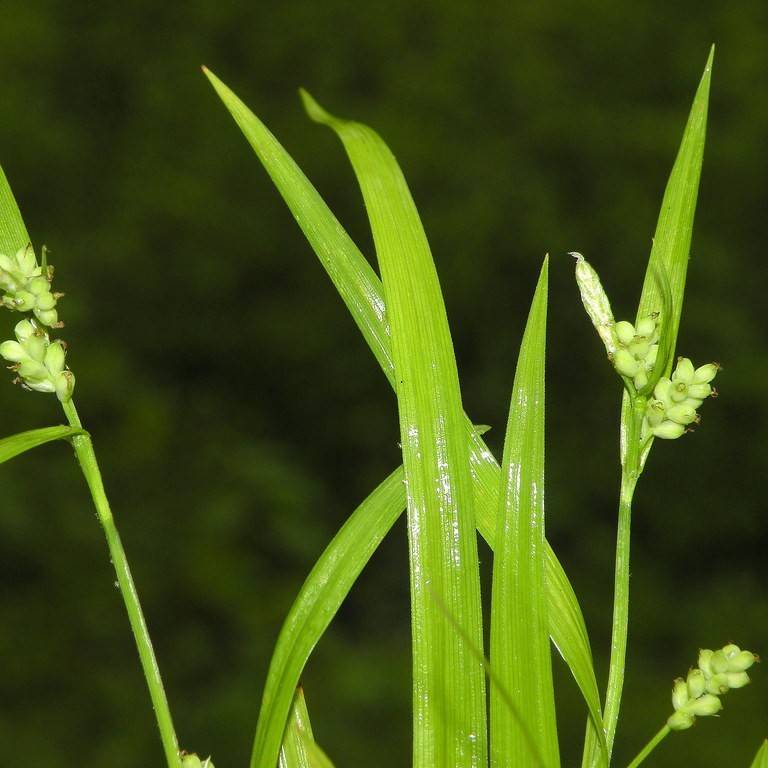
Common Wood Sedge
Carex sylvatica
Overview
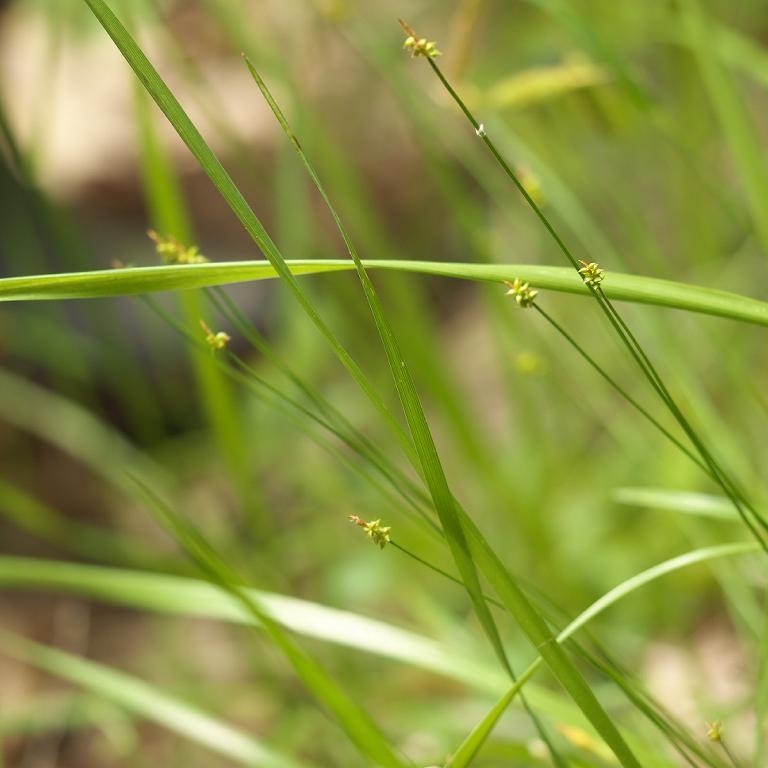
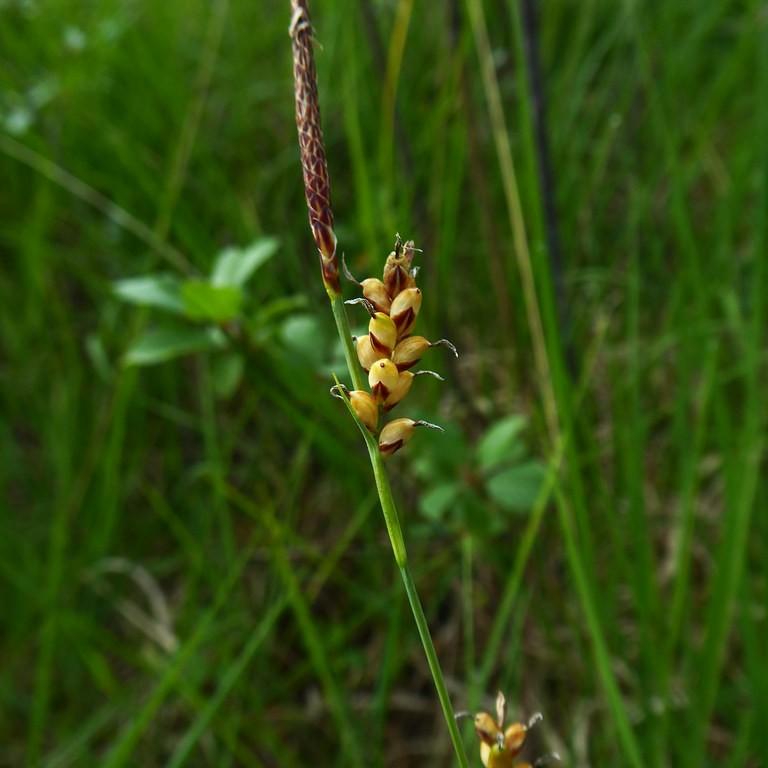
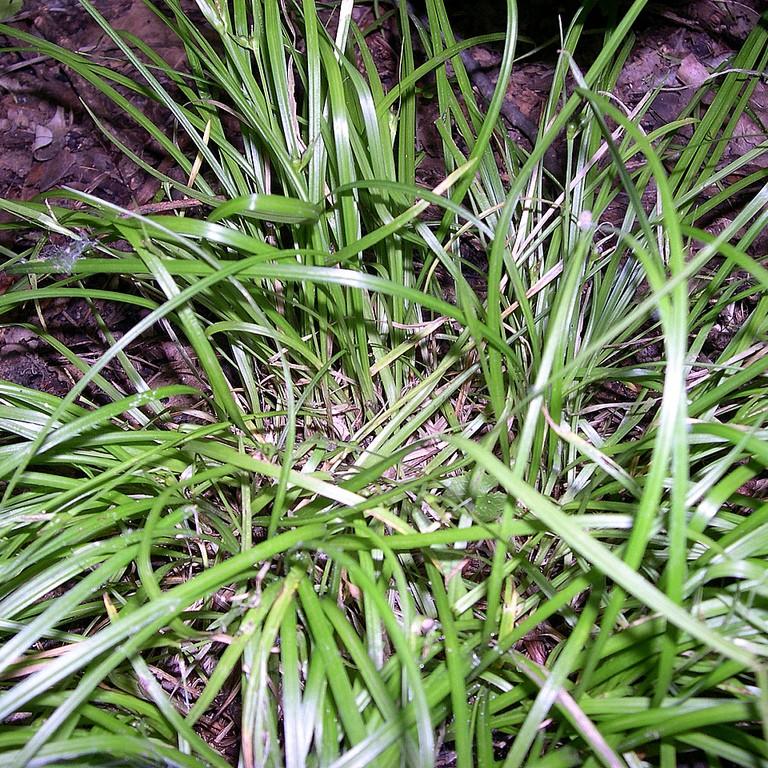
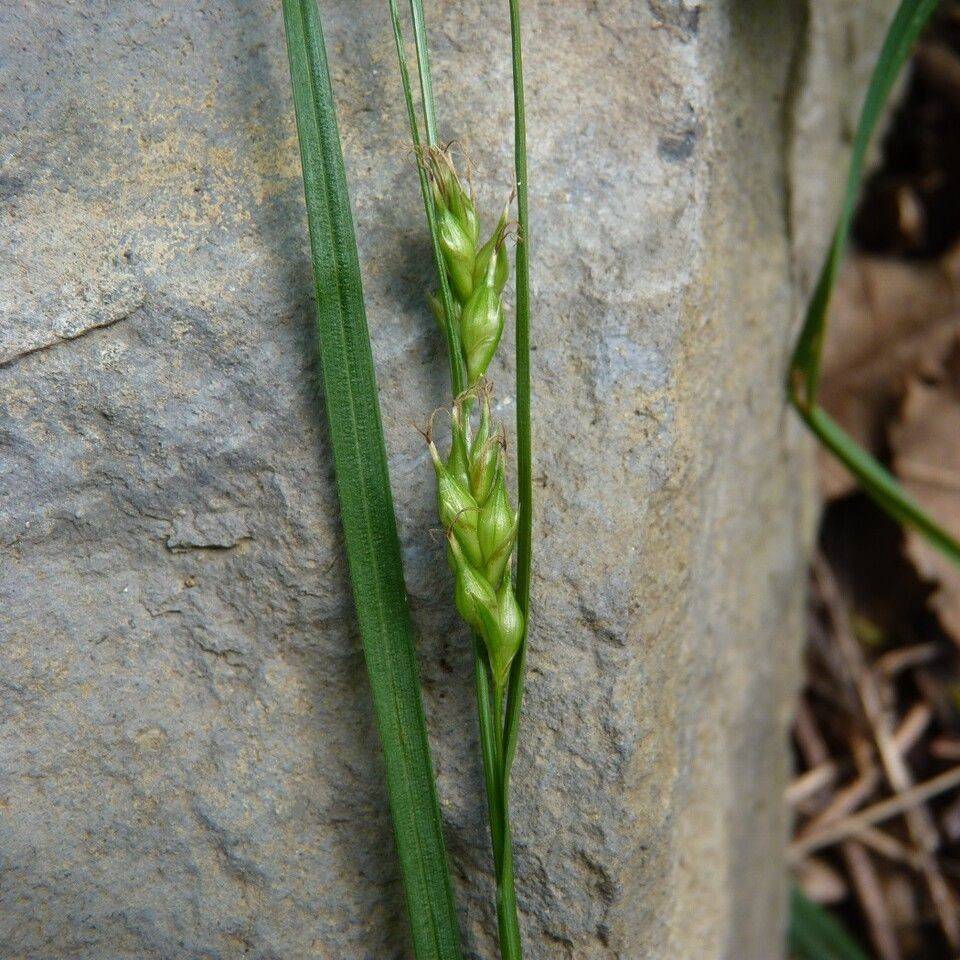
Common wood sedge is a rhizomatous perennial native to temperate woodland understories, known for its soft, narrow, arching green leaves that form dense, low-growing clumps. It produces small, inconspicuous brown flower spikes in late spring, held above the foliage on slender stems. Adapted to low-light, moist conditions, it spreads slowly via short rhizomes to form a lush, weed-suppressing ground cover without becoming invasive.
Care Guide
Watering
Keep soil consistently moist but not waterlogged; water regularly during dry periods to prevent the root zone from drying out completely. It tolerates short periods of drought once established, but prolonged dryness will cause foliage to brown at the tips. Avoid overhead watering to reduce risk of foliar fungal issues.
Light
Thrives in partial to full shade, mimicking its native woodland understory habitat. It can tolerate very low light levels, making it suitable for deeply shaded garden spots where few other plants grow. Direct, intense sunlight will scorch its leaves, so avoid planting in unfiltered south-facing exposures.
Soil
Prefers rich, humus-heavy, well-drained soil with a slightly acidic to neutral pH. It adapts to a range of soil types including loam, silt, and clay, as long as the substrate retains moisture without becoming soggy. Adding leaf mold or compost at planting time will replicate its natural woodland soil conditions.
Fertilizer
Fertilize once annually in early spring with a balanced, slow-release organic fertilizer, such as well-rotted manure or leaf compost, to support new foliage growth. Over-fertilization will cause excessive, leggy growth and reduce the plant’s natural clumping habit, so avoid high-nitrogen synthetic fertilizers. No supplemental feeding is required for plants growing in already rich, organic soil.
Temperature
Hardy in USDA zones 4 to 8, tolerating winter temperatures as low as -30°F (-34°C) when established. It prefers cool, mild summer temperatures between 60–75°F (15–24°C), and may go semi-dormant during extended periods of heat above 85°F (29°C). Frost will kill back above-ground foliage, which regrows vigorously from root systems in early spring.
Pruning
Cut back dead or browned foliage to ground level in late winter or early spring before new growth emerges to keep clumps looking neat. Remove any flower stalks after blooming if you prefer a purely foliage-focused display, though leaving seed heads provides food for small songbirds. Thin out overcrowded clumps every 3–4 years to improve air circulation and prevent fungal growth.
Propagation
Most easily propagated by division in early spring or late autumn, when plants are dormant: dig up entire clumps, split into smaller sections with healthy roots and foliage, and replant immediately at the same depth as the parent plant. It can also be grown from seed sown directly outdoors in fall, as seeds require a period of cold stratification to germinate; germination typically occurs in spring, with plants taking 2–3 years to reach mature size.
Humidity
Tolerates average ambient humidity levels between 40–60%, which is typical of its native temperate woodland habitats. It does not require extra humidity, though it thrives in the slightly higher humidity found near shaded streams or under dense tree canopies. Very low humidity below 30% may cause leaf tip browning, which can be mitigated by mulching to retain soil moisture.
Repotting
When grown in containers, repot every 2–3 years in early spring, moving to a slightly larger pot with fresh, humus-rich potting mix. Ensure containers have adequate drainage holes to prevent waterlogging, which can cause root rot. For potted specimens, divide overgrown clumps at repotting time to maintain a compact, healthy growth habit.
Uses & Symbolism
Common wood sedge is widely used as a low-maintenance ground cover in shaded woodland gardens, along shaded pathways, and under deciduous trees where grass struggles to grow. It is a popular choice for rain gardens and bioswales in shaded areas, as it stabilizes soil and absorbs excess moisture while tolerating periodic flooding. Its fine-textured foliage provides excellent contrast to broad-leaved shade perennials such as hostas and ferns, and its seed heads support native pollinators and small bird populations.
Diseases & Pests
Common wood sedge is largely pest and disease resistant, though it may develop foliar fungal spots or rust in overly wet, poorly ventilated conditions. Slugs and snails may occasionally feed on young, tender foliage in very damp areas, especially during spring growth spurts. Root rot can occur if plants are grown in heavy, waterlogged soil with no drainage, so ensure the planting site or container allows excess water to escape freely.
Related plants
Other plants you might like if you grow Common Wood Sedge.