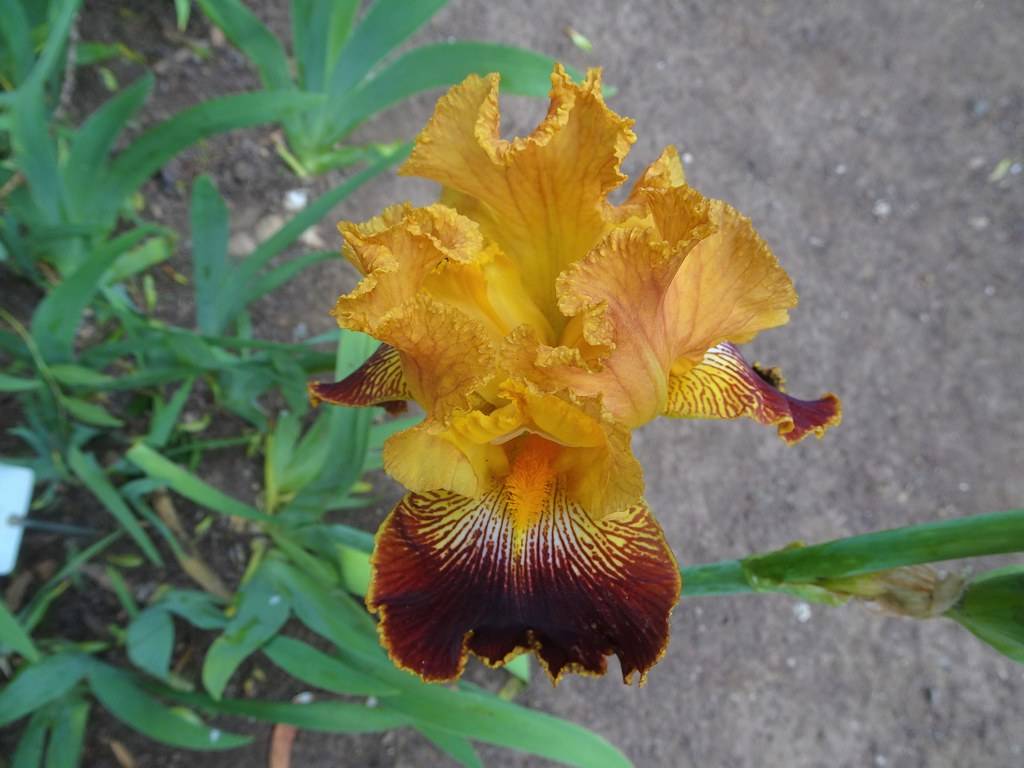
Bearded Iris
Iris germanica
Overview
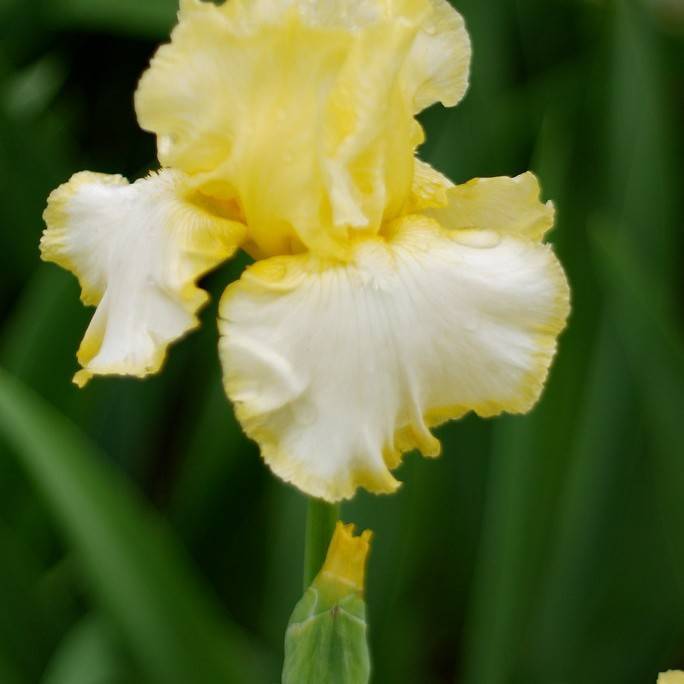
Bearded Iris is a beloved herbaceous perennial named for the soft, hair-like fuzzy growth that runs along the center of its drooping lower petals, called falls. It blooms in a vast range of hues including purple, blue, yellow, white, pink, and bi-colored varieties, with many cultivars flowering in late spring to early summer, some reblooming in fall. Its thick, fleshy rhizomes grow at or just below the soil surface, forming clumps that expand steadily over time, making it a long-lasting addition to temperate gardens.
Care Guide
Watering
Water newly planted rhizomes deeply once a week to encourage root establishment, taking care not to overwater to avoid rhizome rot. Once established, bearded iris is drought-tolerant, requiring supplemental water only during extended dry periods, with reduced watering in fall and winter to prevent rot. Avoid wetting the rhizomes directly when irrigating to minimize fungal risk.
Light
Bearded iris requires full sun, a minimum of 6 to 8 hours of direct sunlight daily, to produce abundant blooms. Too much shade will reduce flowering and increase susceptibility to disease, so avoid planting near tall trees or structures that block consistent sun exposure. In extremely hot, arid climates, it can tolerate very light afternoon shade to prevent scorching.
Soil
Plant in well-draining, loamy or sandy soil with a neutral to slightly alkaline pH between 6.8 and 7.2. Heavy clay soils that hold water are unsuitable, as they cause rapid rhizome rot; amend heavy soils with compost, coarse sand, or perlite to improve drainage before planting. The top of the rhizome should sit partially exposed at the soil surface, not buried deeply, to allow sun exposure that discourages rot and supports healthy growth.
Fertilizer
Fertilize lightly in early spring with a balanced, low-nitrogen 5-10-10 or 6-10-10 fertilizer, applying it around the base of the plants and avoiding direct contact with rhizomes to prevent burning. A second light application can be made 4 to 6 weeks after flowering finishes to support rhizome development for the next year’s blooms. Avoid high-nitrogen fertilizers, as they encourage excess foliage growth at the expense of flowers and increase rot risk.
Temperature
Bearded iris thrives in USDA hardiness zones 3 through 9, tolerating winter temperatures as low as -40°F (-40°C) when established. It requires a period of cold winter dormancy to bloom reliably the following spring, making it poorly suited to tropical or frost-free climates. Summer temperatures up to 90°F (32°C) are well-tolerated, provided the plant has adequate drainage and occasional water during heatwaves.
Pruning
Remove spent flower stalks at the base immediately after blooming finishes to prevent seed formation and redirect energy to rhizome growth. Trim back yellow or brown foliage as it appears throughout the growing season, and cut all foliage back to 6 to 8 inches above the soil line in late fall to remove overwintering sites for pests and fungal spores. Discard all pruned debris rather than composting it to reduce the spread of disease.
Propagation
The most reliable propagation method is division of mature rhizomes, performed every 3 to 4 years immediately after flowering ends, or in late summer. Dig up the entire clump, carefully separate healthy, firm rhizomes with at least one fan of foliage, discard any soft, rotted, or damaged sections, and replant the healthy divisions with the top of the rhizome exposed at the soil surface, spacing them 12 to 18 inches apart. While it can be grown from seed, this method is slow, takes 2 to 3 years to produce blooms, and does not retain the characteristics of the parent cultivar, so it is only used for breeding new varieties.
Humidity
Bearded iris prefers average to low humidity levels, between 40% and 60%, and is well-adapted to dry, temperate climates. High humidity, combined with poor air circulation, increases the risk of fungal diseases such as leaf spot and rhizome rot, so space plants adequately to allow airflow around foliage and rhizomes. Avoid overwatering and planting in low-lying, damp areas of the garden to reduce excess moisture around the plant.
Repotting
For container-grown bearded iris, repot every 2 to 3 years in late summer, when the plant is dormant, to refresh the soil and divide overcrowded rhizomes. Use a wide, shallow pot with drainage holes, filled with a well-draining, loamy potting mix amended with perlite or coarse sand to improve drainage, and plant rhizomes with their tops partially exposed, not buried deeply. Ensure containers have adequate drainage to prevent waterlogging, as standing water will quickly cause rhizome rot in potted specimens.
Uses & Symbolism
Bearded iris is a staple in perennial borders, cutting gardens, and xeriscape landscapes, prized for its showy, long-lasting blooms that make excellent cut flowers for arrangements. Some cultivars produce a fragrant essential oil used in perfumery and cosmetics, while dried rhizomes, called orris root, have been used historically in herbal medicine and as a fixative for potpourri. Its drought tolerance and low maintenance needs make it a popular choice for low-effort, pollinator-friendly gardens, as its flowers attract bees and butterflies.
Diseases & Pests
The most common issue is rhizome rot, a fungal disease caused by overwatering, poor drainage, or deep planting, identifiable by soft, foul-smelling rhizomes and yellowing foliage; affected sections should be cut away, and remaining healthy rhizomes treated with a fungicide before replanting in fresh, well-draining soil. Fungal leaf spot and rust are also common, appearing as brown or orange spots on foliage, which can be prevented by adequate spacing for air circulation, avoiding overhead watering, and removing affected leaves promptly. Common pests include iris borers, whose larvae tunnel into rhizomes causing damage and rot, and aphids, which suck sap from new growth; these can be controlled with insecticidal soap, neem oil, or appropriate pesticides, and by removing dead foliage in fall to eliminate overwintering borer eggs.
Related plants
Other plants you might like if you grow Bearded Iris.