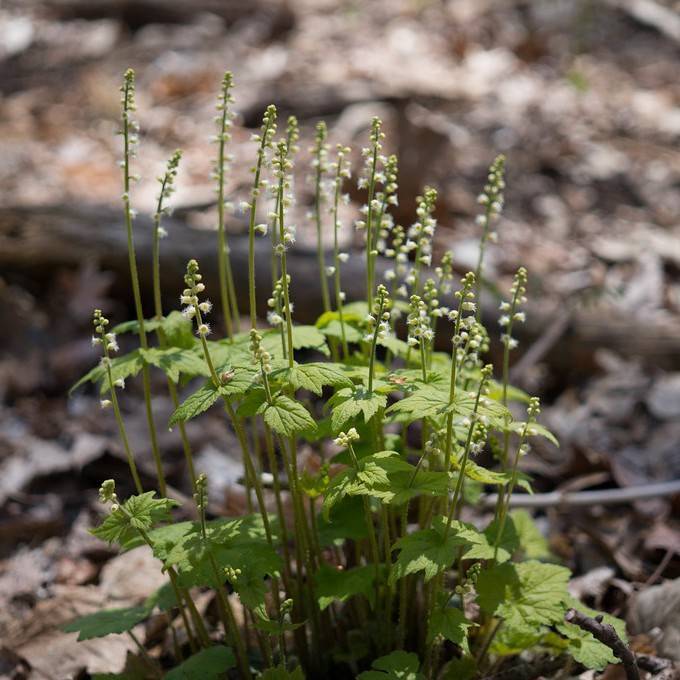
Brewer's Cap
Mitella breweri
Overview
Brewer's Cap, also called Brewer's mitrewort, is a clump-forming herbaceous perennial native to cool, moist mountain ecosystems of the Pacific Northwest. Its common name refers to its small, cupped flowers that resemble tiny traditional brewer's caps, borne on slender, upright stems above a basal rosette of foliage. It spreads slowly via short rhizomes to form soft, low mats, making it a natural choice for shaded, damp garden settings.
Care Guide
Watering
Brewer's Cap requires consistently moist, well-drained soil that never dries out completely; water regularly during dry periods to maintain even moisture levels, taking care not to oversaturate the soil or leave standing water around the root zone. Avoid allowing the top 1-2 inches of soil to dry out fully, as this can stress the shallow root system and cause leaf scorch. During cool winter months, reduce watering frequency slightly but never let the root ball become fully desiccated.
Light
This woodland species thrives in partial to full shade, mimicking the dappled sunlight of its native montane forest understory. Direct midday sun will scorch its delicate leaves, so position it in a spot that receives only filtered morning sun or full shade throughout the day. When grown indoors, place it near a north-facing window or under low-intensity grow lights to avoid leaf damage.
Soil
Plant Brewer's Cap in rich, loamy, well-drained soil with a high organic matter content and a slightly acidic to neutral pH range of 5.5 to 7.0. Amend heavy clay or sandy soils with compost, leaf mold, or well-rotted manure to improve moisture retention and nutrient content while maintaining good drainage. Avoid heavy, compacted soils that hold excess water, as this can lead to root rot.
Fertilizer
Feed lightly in early spring with a balanced, slow-release organic fertilizer, or apply a diluted liquid all-purpose fertilizer once every 4-6 weeks during the active growing season from spring to late summer. Avoid over-fertilizing, as this can cause excessive, leggy growth and reduce flowering. No fertilizer is needed during the dormant fall and winter months when growth slows significantly.
Temperature
Brewer's Cap prefers cool temperatures between 50-75°F (10-24°C) during the active growing season, and can tolerate brief dips down to 20°F (-7°C) when grown outdoors in USDA hardiness zones 5 to 8. It struggles in sustained heat above 80°F (27°C), so provide extra shade and moisture during hot summer periods to prevent wilting and leaf burn. Indoor specimens should be kept away from direct heat sources like radiators or heating vents that can dry out foliage.
Pruning
Prune away any yellowed, damaged, or dead leaves throughout the growing season to maintain a tidy appearance and improve air circulation around the plant. After flowering finishes in mid-summer, you can snip back spent flower stalks to the base of the rosette to encourage new leaf growth, or leave the stalks intact to allow self-seeding if desired. Cut back all dead foliage to the ground in late fall before the plant enters winter dormancy.
Propagation
Brewer's Cap is most easily propagated by division in early spring before new growth emerges, or in fall after flowering has finished; carefully dig up clumps, separate the rhizomatous roots into smaller sections with at least one healthy leaf rosette each, and replant immediately at the same depth as the original plant. It can also be grown from fresh seed sown in fall directly outdoors in a shaded seed bed, as the seeds require a period of cold stratification to germinate successfully. Stem cuttings are not a reliable propagation method for this species, as it does not produce strong, woody stems that root easily.
Humidity
This species prefers moderate to high humidity levels between 50-70%, consistent with its native moist forest habitat. Indoor specimens may benefit from regular misting with room-temperature water, placement on a pebble tray filled with water, or the use of a small humidifier in dry indoor environments. Low humidity can cause leaf edges to brown and curl, so monitor moisture levels closely if growing indoors.
Repotting
When grown in containers, repot Brewer's Cap every 2-3 years in early spring, just as new growth begins to emerge. Choose a pot that is 1-2 inches larger in diameter than the current container, with ample drainage holes to prevent waterlogging. Refresh the soil with a mix of potting soil, compost, and perlite to improve drainage and nutrient content, taking care not to plant the rosette too deeply, as this can cause crown rot.
Uses & Symbolism
Brewer's Cap is primarily used as a ground cover in shaded, moist woodland gardens, native plant landscapes, and rain gardens, where it spreads gently to form a soft, low mat of foliage that suppresses weeds. It is also occasionally grown as a houseplant in cool, low-light indoor spaces, valued for its attractive lobed leaves and delicate, unusual flowers. It provides nectar for small native bees and other pollinators in its native range, supporting local ecosystem health.
Diseases & Pests
Brewer's Cap is relatively pest and disease resistant when grown in its preferred conditions, but can develop root rot if planted in heavy, waterlogged soil with poor drainage. Common pests include slugs and snails, which may feed on the soft, tender foliage in damp conditions; control these pests with hand picking, organic bait, or copper barriers around planting areas. Powdery mildew may occur in areas with poor air circulation and high humidity, which can be prevented by spacing plants appropriately and removing affected foliage promptly.
Related plants
Other plants you might like if you grow Brewer's Cap.
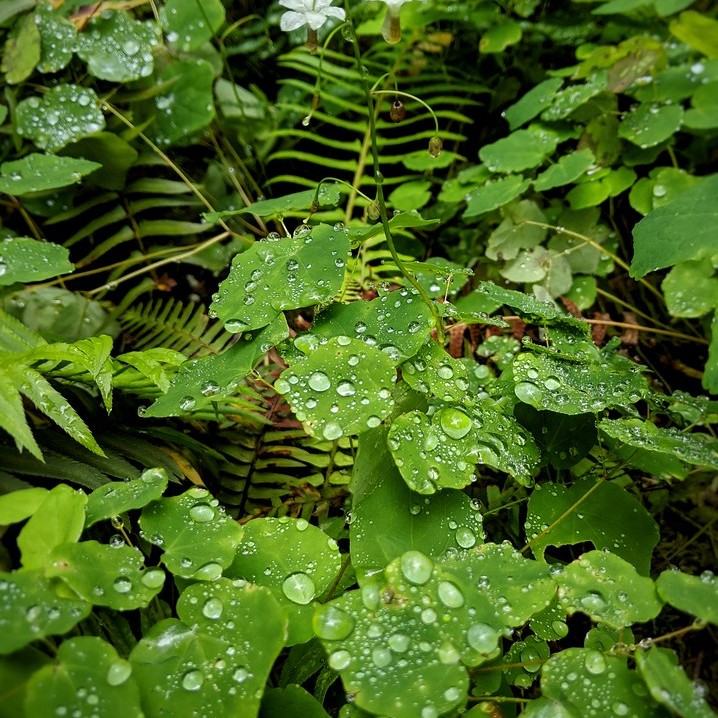
American Barrenwort
Epimedium americanum
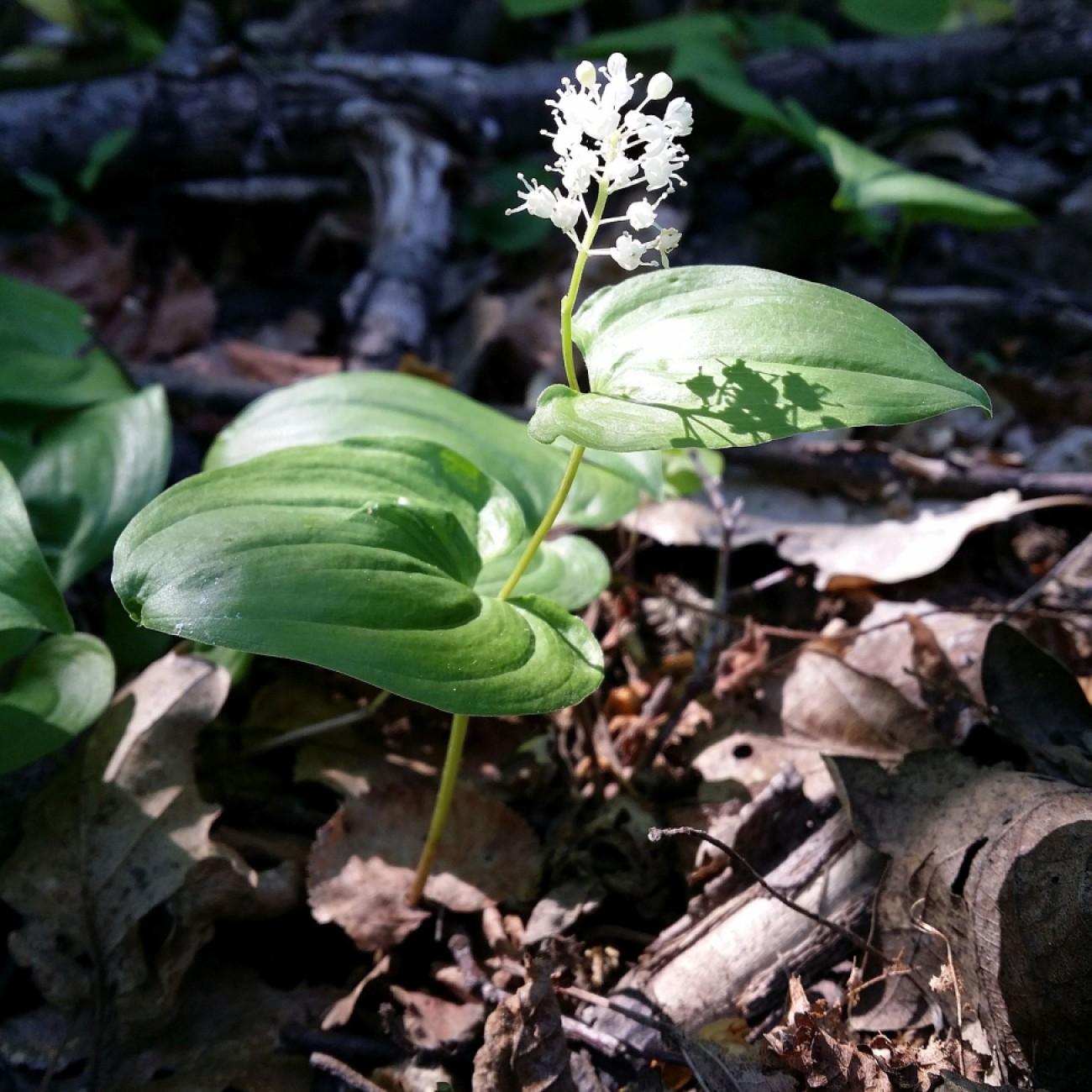
False Lily Of The Valley
Maianthemum dilatatum
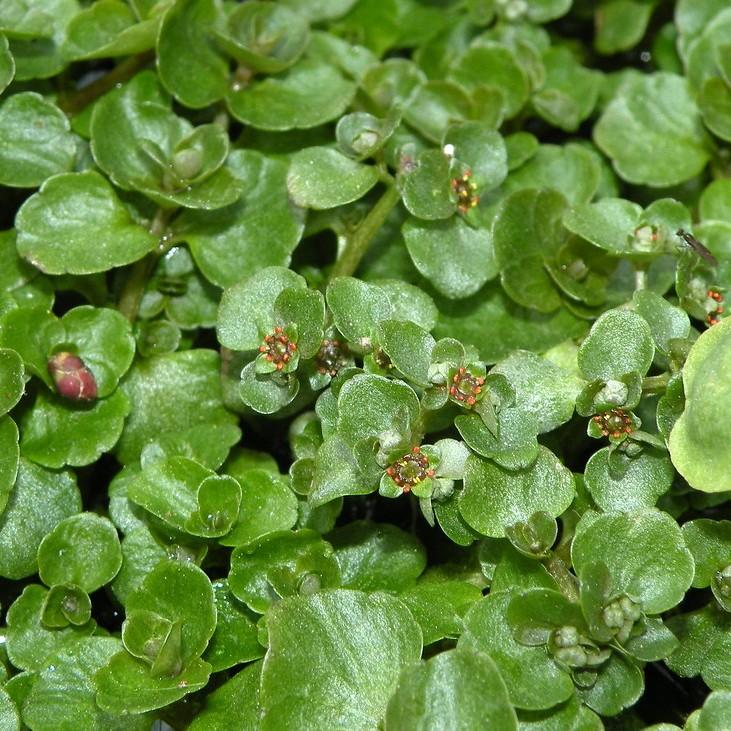
American Golden Saxifrage
Chrysosplenium americanum
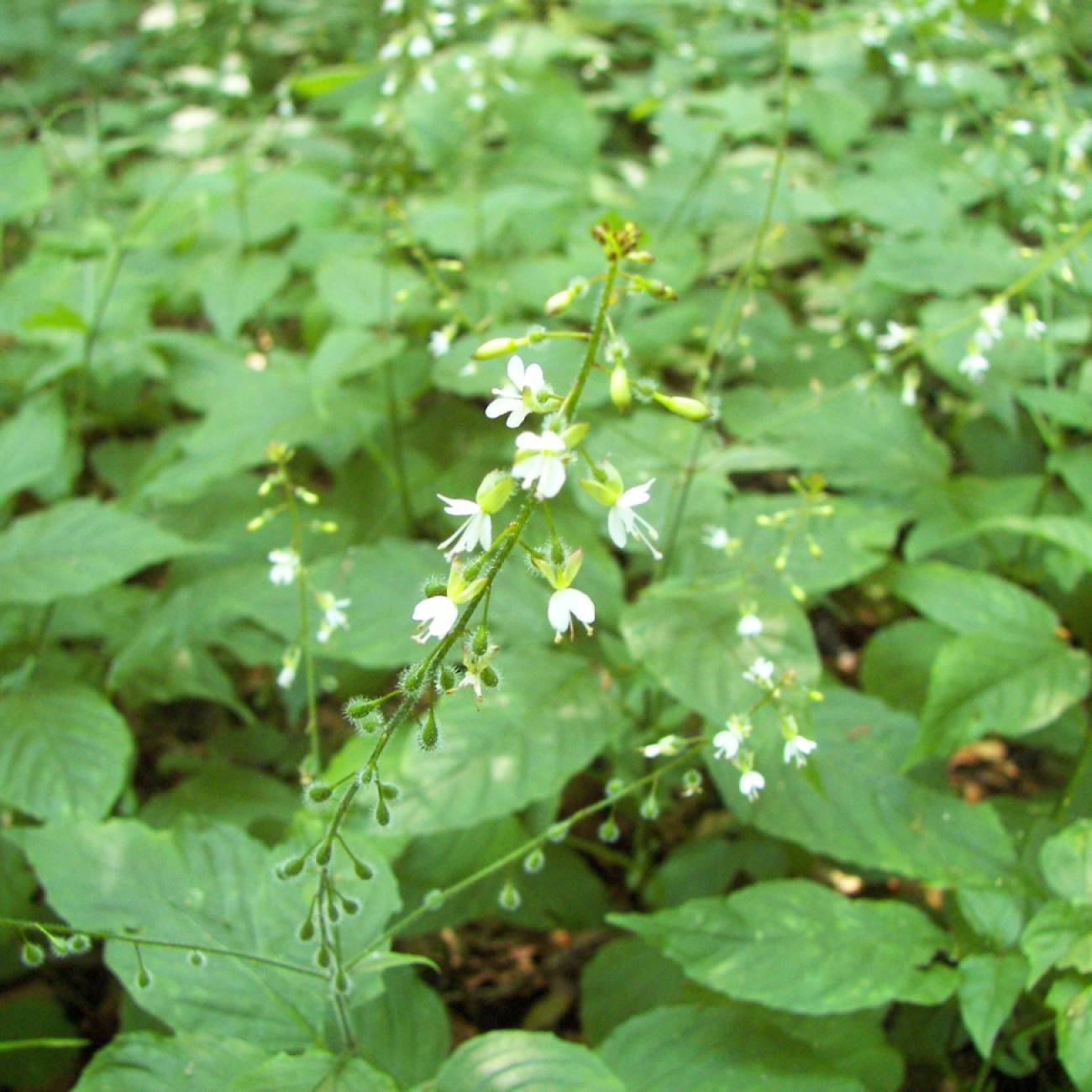
Enchanter's Nightshade
Circaea lutetiana
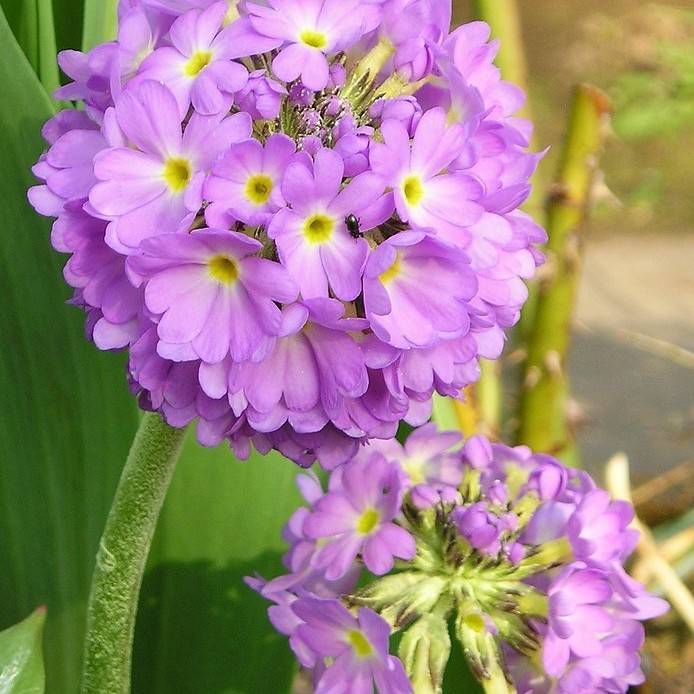
Drumstick Primula
Primula denticulata
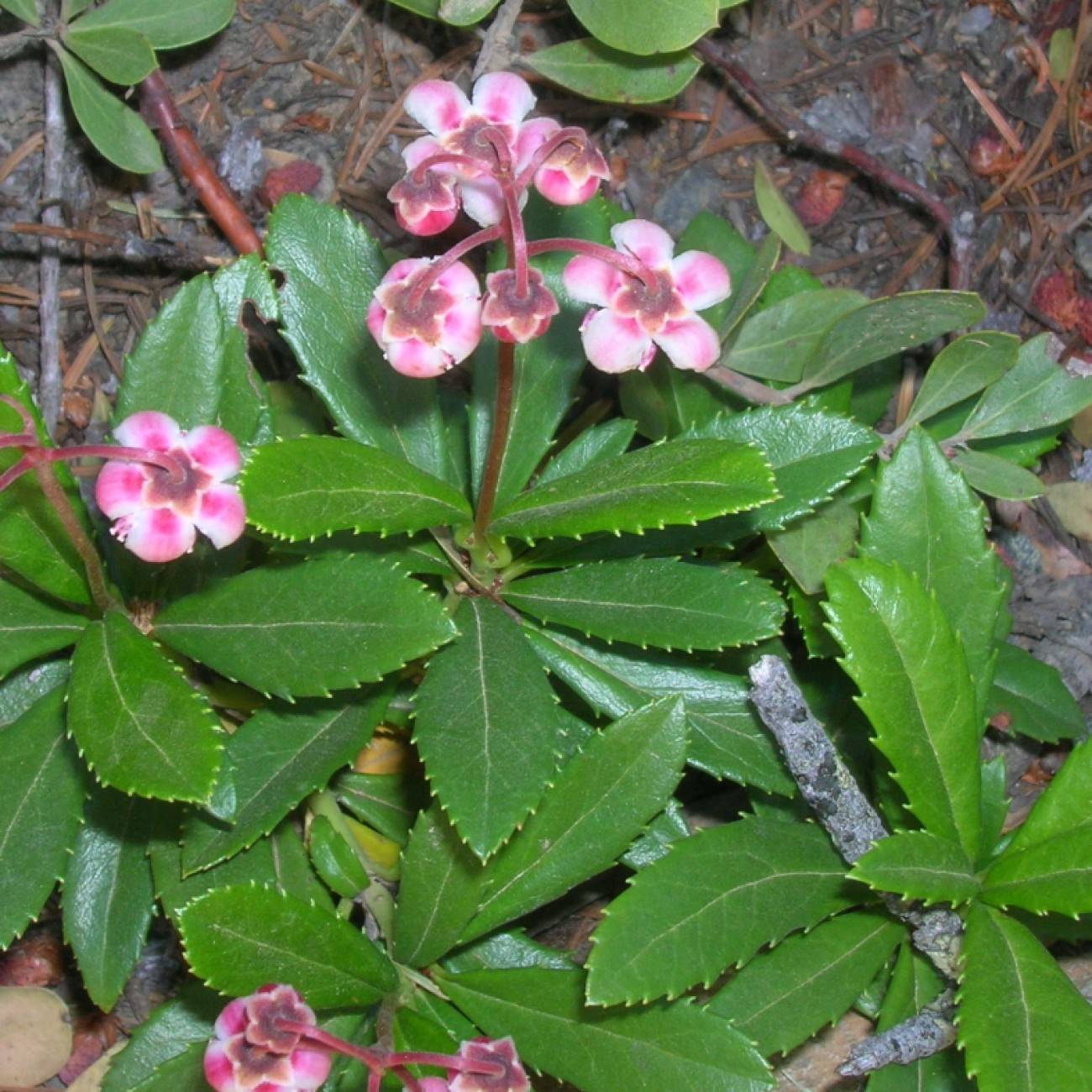
Common Pipsissewa
Chimaphila umbellata
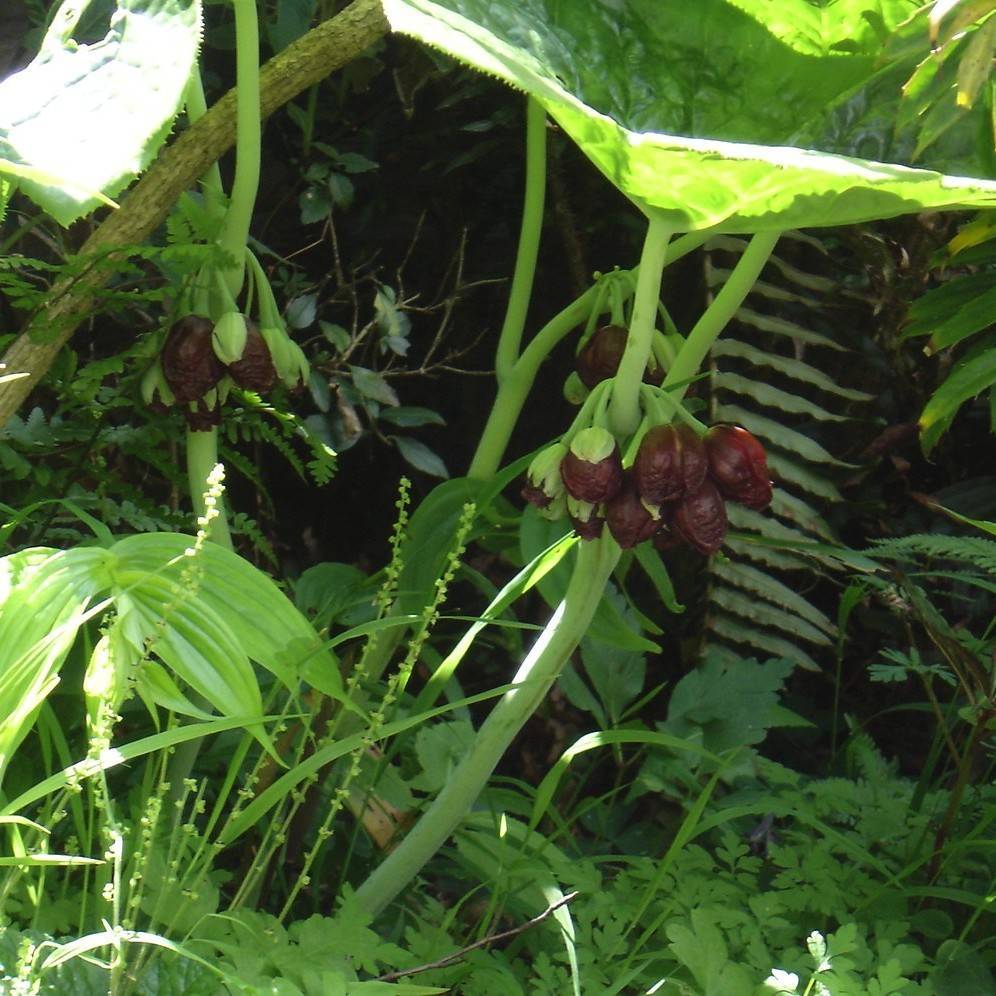
Dysosma
Dysosma versipellis
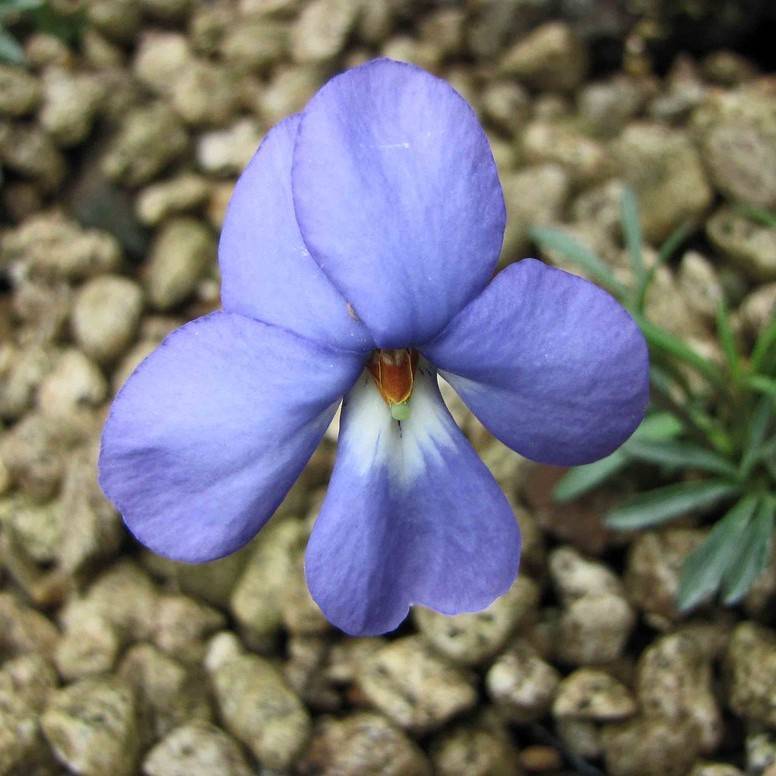
Bird's Foot Violet
Viola pedata