False Gromwell
Lithospermum officinale
Overview
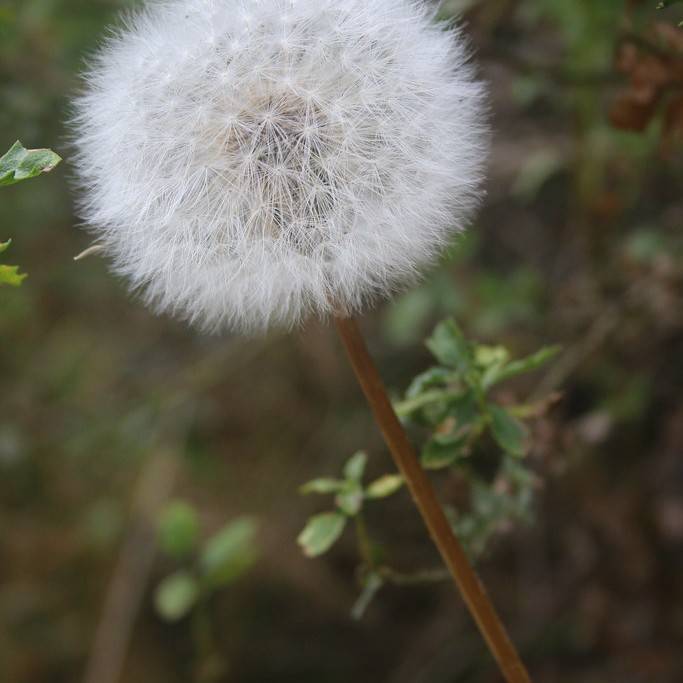
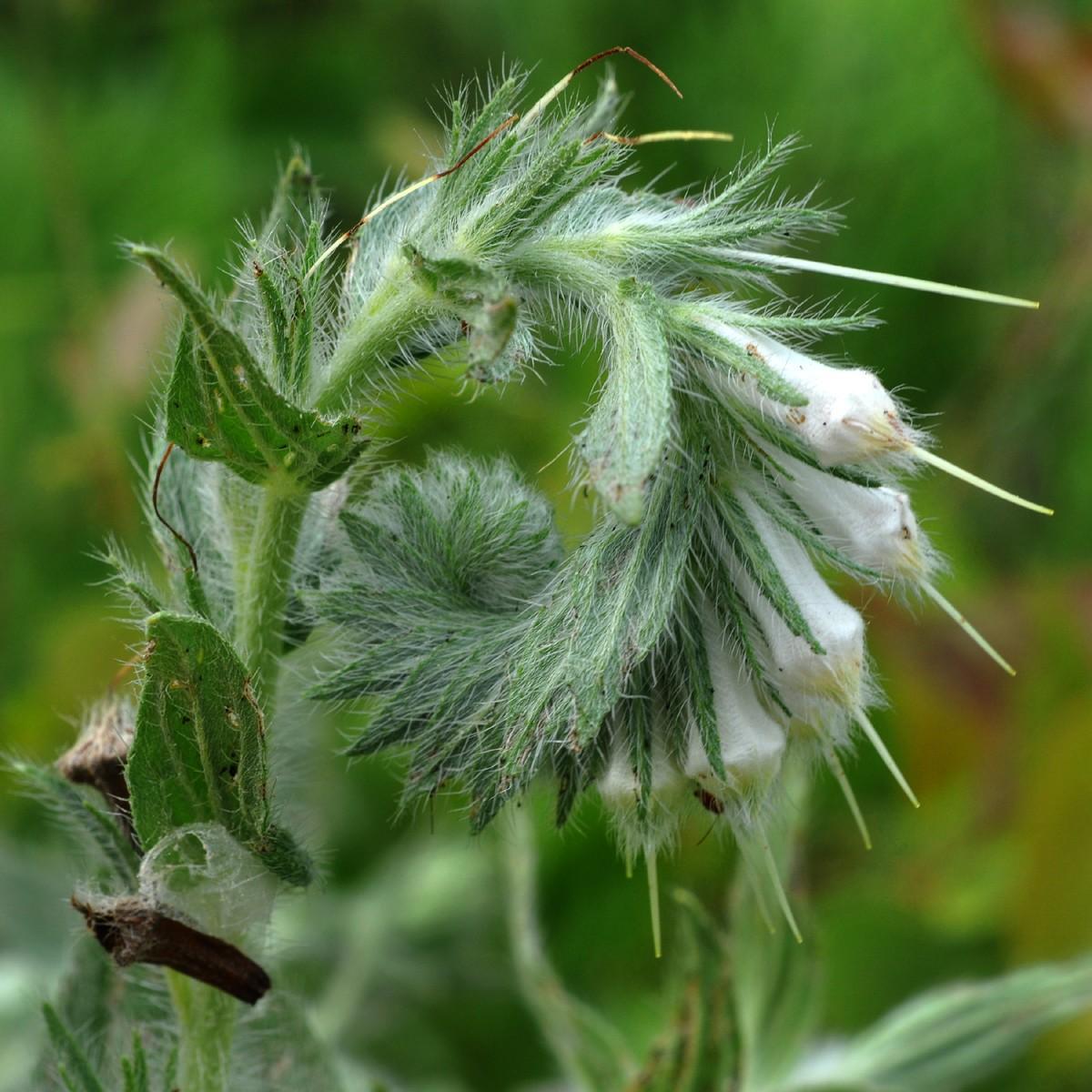
False gromwell, also called common gromwell, is a clumping perennial that thrives in grasslands, meadows, and disturbed open sites across its native range. It produces small, tubular creamy-yellow flowers from late spring to mid-summer, followed by distinctive hard, white, nut-like seed pods that persist into fall. The plant’s rough, lance-shaped leaves and upright, branching stems give it a wild, natural texture ideal for informal pollinator gardens.
Care Guide
Watering
False gromwell prefers consistent, moderate moisture in its first growing season to establish a deep root system, and is drought-tolerant once mature, requiring watering only during extended dry spells. Avoid overwatering or saturated soil, as this can cause root rot and weaken the plant.
Light
It thrives in full sun, requiring at least 6 hours of direct sunlight daily to produce abundant flowers and maintain a compact, upright growth habit. It can tolerate partial shade, but flowering will be reduced and stems may become leggy in low-light conditions.
Soil
This adaptable plant grows best in well-drained, loamy or sandy soil with a neutral to slightly alkaline pH, but can tolerate poor, rocky, or dry soils where many other perennials struggle. Heavy clay soils should be amended with sand or compost to improve drainage before planting.
Fertilizer
False gromwell does not require regular fertilization, as it is adapted to low-nutrient soils; excess fertilizer can lead to overly lush foliage and reduced flowering. A light application of balanced, slow-release fertilizer in early spring is only necessary for plants growing in extremely poor, depleted soils.
Temperature
It is hardy in USDA zones 4 through 8, tolerating winter temperatures as low as -30°F (-34°C) and summer highs up to 90°F (32°C) with adequate moisture. Extreme heat without supplemental water may cause leaf scorch, but the plant will recover once cooler, moister conditions return.
Pruning
Prune back spent flower stems after blooming to encourage a second flush of growth and prevent unwanted self-seeding if you wish to limit spread. Cut the entire plant back to 2-3 inches above the soil line in late fall after foliage dies back to prepare it for winter dormancy.
Propagation
False gromwell is most easily propagated by seed, sown directly outdoors in fall or stratified for 4-6 weeks before spring sowing, as seeds require cold stratification to germinate. It can also be propagated by root division in early spring before new growth emerges, though the deep taproot makes division more challenging than for other perennials.
Humidity
It adapts well to a wide range of humidity levels, thriving in the moderate humidity of its native temperate habitats without special accommodations. Excessively high humidity combined with poor air circulation can increase the risk of foliar fungal diseases, so space plants adequately to allow airflow.
Repotting
False gromwell is rarely grown in containers, as its deep taproot requires ample space to grow and it performs best when planted directly in the ground. If grown in a pot, use a deep container at least 12 inches in diameter, and repot every 2-3 years in early spring before new growth begins, trimming any circling roots to prevent binding.
Uses & Symbolism
Historically, false gromwell was used in traditional herbal medicine to treat kidney stones, urinary tract issues, and skin conditions, though modern medical use is limited due to its toxic alkaloid content. It is a valuable addition to native wildflower and pollinator gardens, attracting bees, butterflies, and other beneficial insects with its nectar-rich flowers. The hard, white seed pods are sometimes used in dried floral arrangements for their unique texture and long-lasting structure.
Diseases & Pests
False gromwell is relatively pest and disease resistant, but may be susceptible to powdery mildew and leaf spot in humid, poorly ventilated conditions, which can be managed by improving air circulation and avoiding overhead watering. Aphids and spider mites may occasionally infest new growth, and can be controlled with insecticidal soap or a strong spray of water to dislodge the pests. Root rot can occur in waterlogged, poorly drained soils, so proper soil preparation is critical to prevent this issue.
Related plants
Other plants you might like if you grow False Gromwell.
%22%2F%3E%0A%20%20%20%20%20%20%3Ccircle%20cx%3D%22920%22%20cy%3D%22180%22%20r%3D%2290%22%20fill%3D%22%23cfe8d5%22%2F%3E%0A%20%20%20%20%20%20%3Cpath%20d%3D%22M600%20590c-90-180-215-255-310-280%200%20165%20118%20296%20270%20296h40z%22%20fill%3D%22%2379b88e%22%2F%3E%0A%20%20%20%20%20%20%3Cpath%20d%3D%22M600%20590c80-150%20198-212%20302-228-8%20142-123%20255-270%20255h-32z%22%20fill%3D%22%235c9f73%22%2F%3E%0A%20%20%20%20%20%20%3Cpath%20d%3D%22M600%20610V360%22%20stroke%3D%22%234f8c64%22%20stroke-width%3D%2218%22%20stroke-linecap%3D%22round%22%2F%3E%0A%20%20%20%20%20%20%3Ctext%20x%3D%22600%22%20y%3D%22700%22%20text-anchor%3D%22middle%22%20font-family%3D%22Arial%2C%20sans-serif%22%20font-size%3D%2244%22%20fill%3D%22%23365c45%22%3E%0A%20%20%20%20%20%20%20%20Plant%20image%20coming%20soon%0A%20%20%20%20%20%20%3C%2Ftext%3E%0A%20%20%20%20%3C%2Fsvg%3E%0A%20%20)